
Shipping from China to Iran typically takes 18–30 days by sea (FCL), 22–35 days for LCL, 3–7 days by standard air freight, and 2–5 days using express couriers.
For door-to-door solutions like DDP air, transit time usually ranges from 6–12 days. Actual delivery time varies based on the departure port in China, the chosen route (direct or via transshipment hubs like Jebel Ali or Istanbul), customs clearance speed, and seasonal demand.
Why Shipping Time Varies
Shipping from China to Iran does not follow a single, fixed timeline.
Transit time can shift significantly depending on the shipping mode, the origin port in China, and whether the shipment moves directly or through key transshipment hubs such as Jebel Ali, Oman, or Istanbul.
Sea freight schedules, vessel frequency, and container availability also play major roles, especially during peak seasons.
Customs clearance in both China and Iran, documentation accuracy, and security inspections can further influence how fast cargo moves.
External factors—such as weather in the Persian Gulf, holiday periods like Chinese New Year and Nowruz, or port congestion—may also add days to the journey.
For precise planning, it’s essential to compare modes side-by-side and request a customized timeline based on your shipping route and Incoterms.
China → Iran Transit Time Table
Transit times from China to Iran vary based on the shipping method, service level, and whether cargo moves directly or through key Middle Eastern transshipment hubs.
The table below provides a clear, side-by-side comparison of the most common options—including FCL, LCL, air freight, DDP services, and express couriers—so importers can quickly identify the most suitable mode for their timeline and budget.
These ranges reflect typical 2025 schedules and may fluctuate depending on vessel availability, airline routes, customs clearance, and peak-season demand.
China → Iran Estimated Transit Times (2025)
| Shipping Method | Estimated Transit Time | Best For | Notes |
|---|---|---|---|
| FCL Sea Freight | 18–30 days | Large shipments, stable schedules | Fastest sea option; fewer handling steps. |
| LCL Sea Freight | 22–35 days | Small/medium cargo, lower cost | Extra time needed for consolidation & deconsolidation. |
| Standard Air Freight | 3–7 days | Urgent cargo, electronics, samples | Airport-to-airport; depends on flight frequency. |
| DDP Air Freight | 6–12 days | Door-to-door deliveries, no customs handling needed | Additional time for export/ import processing. |
| DDP Sea Freight | 25–40 days | Bulk cargo, simplified clearance | Longer due to domestic pickup + destination delivery. |
| Express Courier (DHL/FedEx/UPS/Aramex) | 2–5 days | Small parcels <30kg, urgent items | Some couriers route shipments via Dubai or Turkey. |
This comparison helps businesses quickly estimate arrival windows before selecting Incoterms or requesting a detailed transit-time quote.
Sea Freight Transit Time (LCL & FCL)
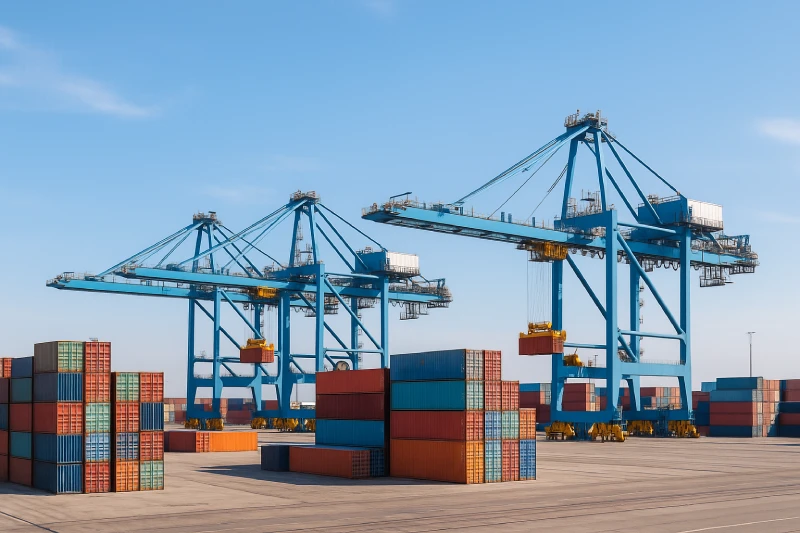
Sea freight is the most widely used and cost-effective method for shipments moving from China to Iran, especially for commercial goods, machinery, and high-volume cargo.
Transit time generally ranges from 18–30 days for FCL and 22–35 days for LCL, depending on the origin port, vessel schedules, and the route taken.
Most sea shipments do not sail directly to Iran; instead, they often pass through regional hubs such as Jebel Ali (UAE), Oman, or Turkey, before being transferred to vessels heading to Bandar Abbas, Iran’s main commercial gateway.
FCL vs LCL Transit Time
- FCL (Full Container Load) is typically faster because the container moves as a single unit. It requires no consolidation at origin or deconsolidation at destination, reducing handling time and lowering the risk of delays.
- LCL (Less than Container Load) usually takes longer due to cargo consolidation, container unloading, and sorting. LCL shipments can also be held temporarily if other consignees’ cargo is late for consolidation.
Major China → Iran Sea Freight Transit Times
| China Port → Iran (Bandar Abbas) | Estimated Transit Time |
|---|---|
| Shanghai → Bandar Abbas | 20–25 days |
| Ningbo → Bandar Abbas | 18–23 days |
| Shenzhen → Bandar Abbas | 22–28 days |
| Guangzhou → Bandar Abbas | 21–27 days |
| Qingdao → Bandar Abbas | 23–30 days |
| LCL Shipments (All Ports) | +3–6 extra days |
Key Factors That Influence Sea Freight Time
- Transshipment waiting time at Jebel Ali or Oman
- Vessel frequency and carrier schedule changes
- Container space availability during peak months
- Seasonal disruptions (e.g., Chinese New Year, Nowruz)
- Port congestion or customs inspections at Bandar Abbas
For importers shipping medium to large volumes, sea freight offers the best balance between cost and predictability, but choosing the right origin port and booking early can significantly improve transit reliability.
Air Freight Transit Time (CIF vs DDP)
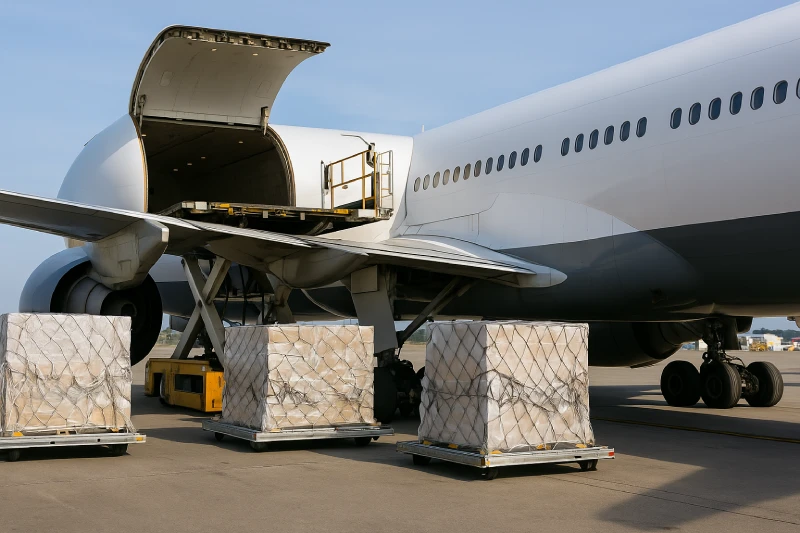
Air freight is the fastest and most reliable method for shipping commercial goods from China to Iran, especially for high-value, time-sensitive, or small-to-medium shipments.
Standard airport-to-airport air freight typically takes 3–7 days, depending on the flight route, carrier availability, and screening procedures.
Most flights operate from major Chinese hubs—Shanghai (PVG), Guangzhou (CAN), and Shenzhen (SZX)—to Tehran’s Imam Khomeini International Airport (IKA), Iran’s primary air cargo gateway.
CIF / Airport-to-Airport Air Freight
CIF or standard air freight involves delivering the cargo to the destination airport only. It offers the fastest transit time—often 3–5 days on well-connected routes—but total delivery depends on how quickly the recipient handles customs clearance and final transportation within Iran. This option suits importers who manage their own logistics or work with local forwarders.
DDP Air Freight (Door-to-Door)
DDP air freight typically takes 6–12 days, slightly longer than CIF because it includes additional steps such as pickup at the supplier’s warehouse, export processing, customs pre-clearance, and last-mile delivery to the consignee in Iran. This method is ideal for importers who prefer a hands-off approach or need predictable door-to-door timing without navigating Iranian customs procedures.
What Affects Air Freight Transit Time
- Flight availability & indirect routes via Dubai/Turkey
- Export customs screening and security checks in China
- Weekend & holiday slowdowns (Chinese New Year, Nowruz)
- Accuracy of documentation and HS code compliance
- Capacity fluctuations during peak cargo seasons
Air freight provides the best speed-to-cost ratio for urgent shipments, with DDP ensuring full end-to-end control and smoother customs handling.
Express & Courier Shipping

Express courier services—such as DHL, FedEx, UPS, and Aramex—offer the fastest shipping speed from China to Iran, with typical transit times of 2–5 days.
These services are ideal for small parcels, urgent samples, e-commerce items, and documents under 30kg. Because several major couriers do not operate direct flights into Iran, shipments are often routed through regional hubs like Dubai, Istanbul, or Doha before continuing to Tehran, which explains minor variations in delivery speed.
Express shipping provides end-to-end tracking, predictable transit times, and simplified customs handling, though costs are significantly higher than standard air freight.
For time-critical deliveries—such as prototypes, medical supplies, or spare parts—express couriers remain the most reliable option, especially when fast clearance and last-mile delivery are required.
Factors Affecting Shipping Time
Shipping from China to Iran involves multiple operational steps, and even small disruptions can influence the final delivery timeline.
Understanding these factors helps importers plan more accurately and avoid unnecessary delays—especially when coordinating production schedules or planning product launches.
1. Transshipment & Route Complexity
Most sea freight routes to Iran involve transshipment at hubs such as Jebel Ali, Oman, or Turkey. Any waiting time for connecting vessels can add 2–7 days, particularly during high-demand seasons or when carriers adjust schedules.
2. Customs Clearance & Documentation
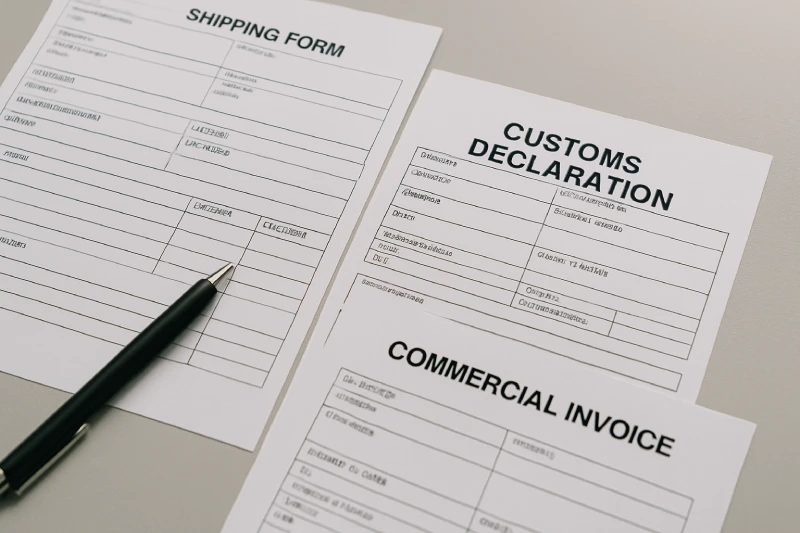
Incorrect HS codes, missing certificates, or undervalued invoices can lead to customs inspections in either China or Iran. A full inspection may extend the timeline by 2–5 days. Air shipments, especially DDP, rely heavily on proper documentation to avoid screening delays.
3. Port and Airport Congestion
Seasonal congestion at Bandar Abbas, Chinese export ports, or connecting hubs can cause bottlenecks. Weather conditions in the Persian Gulf—especially summer temperatures and winter storms—may also affect port operations.
4. Carrier Schedules & Capacity
Limited vessel frequency or reduced air cargo capacity during holidays can lengthen delivery. Booking late during peak periods like Chinese New Year or Black Friday season often results in rollover or slower loading.
5. Holiday Periods in Both Countries
China’s Golden Week and Iran’s Nowruz frequently slow down customs and domestic trucking, adding extra days to door-to-door deliveries.
6. Domestic Pickup & Final Delivery
For DDP shipments, the first and last mile can influence the total timeline, especially when trucking availability is limited or the consignee’s location is outside major cities.
Actionable Tip: Always confirm cargo readiness early, share complete documentation in advance, and avoid shipping during peak holidays whenever possible. These small steps often reduce transit variability more than choosing a faster mode.
How to Ship Faster
Although shipping times from China to Iran depend on fixed carrier schedules and customs procedures, importers can significantly improve reliability and reduce delays by optimizing the steps they control.
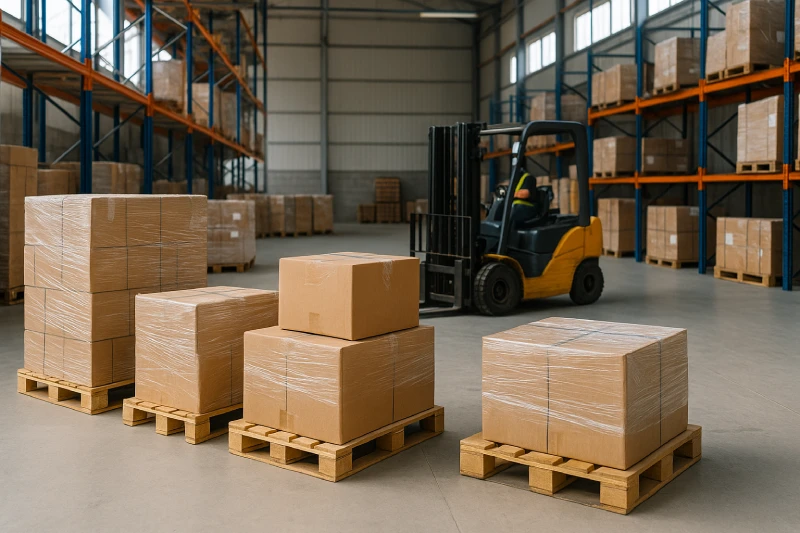
The following strategies help shorten overall transit time and minimize unpredictable slowdowns—especially for businesses operating tight supply chains.
1. Choose the Right Origin Port
Selecting a major Chinese port with frequent sailings—such as Shanghai, Ningbo, Shenzhen, or Guangzhou—can shorten waiting times and reduce the risk of vessel rollover.
For manufacturers located inland, using a nearby bonded warehouse or consolidation hub helps avoid delays caused by domestic trucking.
2. Book Early During Peak Seasons
Carrier capacity tightens around Chinese New Year, Golden Week, and year-end sales. Reserving space in advance ensures stable schedules and avoids last-minute surcharges or cancellations.
3. Use DDP Services for Smoother Customs
DDP air or sea freight reduces clearance delays because the freight forwarder handles documentation, HS code verification, and import procedures in Iran. This is especially valuable for high-risk or newly imported product categories.
4. Split Shipments for Time-Critical Orders
When production is staggered or deadlines are tight, dividing cargo between air + sea or multiple FCL containers can prevent the entire order from being held back by one delayed unit.
5. Pre-Check Documentation Before Dispatch
Ensuring that commercial invoices, packing lists, certificates, and product details are accurate prevents customs inspections that can extend delivery by several days.
6. Consider Direct or Faster Routing Options
For air freight, direct flights or high-frequency carriers reduce stopovers. For sea freight, choosing carriers with shorter transshipment waiting times helps maintain predictable schedules.
By combining these practices, businesses can achieve more stable, faster delivery cycles—even on complex China-to-Iran routes.
Port & Route Notes for Iran
China and Iran are connected through a combination of direct sea routes, transshipment corridors, and established air cargo channels, each offering different advantages depending on the shipment type and urgency.
Understanding how these gateways operate helps importers choose the most efficient routing for their cargo.
Main Origin Ports in China
The most commonly used ports for Iran-bound shipments include Shanghai, Ningbo, Shenzhen, Guangzhou, Qingdao, and Tianjin.
These ports offer stable weekly sailings and strong consolidation networks, making them ideal for both FCL and LCL cargo. For factories in inland provinces, Shenzhen, Ningbo, or Shanghai often provide the best balance between trucking distance and carrier frequency.
Iran’s Main Receiving Ports
Bandar Abbas is Iran’s primary seaport, handling the majority of containerized cargo. Its location along the Strait of Hormuz provides access to regional feeder networks from the UAE and Oman.
Secondary ports like Bushehr and Chabahar serve specific regions but are used less frequently for China-origin shipments.
Air Cargo Gateways
For air freight, the principal airport is Tehran Imam Khomeini International Airport (IKA), which handles most commercial air cargo. Some shipments may route through Mehrabad Airport (THR) or regional hubs in Dubai or Istanbul depending on airline schedules.
Overall, selecting the right origin port in China and understanding Iran’s receiving gateways can significantly improve routing efficiency and transit reliability.
FAQs
1. Why do some China → Iran shipments arrive faster even when using the same mode?
Transit time can vary between carriers because each shipping line or airline uses different routing patterns, transshipment hubs, and service levels.
Some vessels have shorter feeder connections at Jebel Ali or Oman, while others wait longer for slot availability. Air carriers also differ in flight frequency and cargo handling priorities.
Even with the same mode, these operational differences can create noticeable time variations.
2. Is door-to-door shipping significantly slower than port-to-port?
Not always.
Door-to-door can sometimes be faster—especially with DDP air freight—because documentation, customs coordination, and last-mile logistics are handled as one integrated service.
Port-to-port may appear quicker, but delays often occur when the consignee arranges clearance or inland transport separately.
The overall timeline depends on how efficiently each step is managed.
3. How early should I book space to avoid delays during peak season?
For sea freight, booking 2–3 weeks in advance is recommended during Chinese New Year, Golden Week, and Q4 peak months.
For air freight, securing space 7–10 days in advance helps avoid capacity shortages.
Early booking prevents rollover, avoids premium surcharges, and ensures smoother coordination with your supplier’s production schedule.
4. Do customs inspections in Iran cause major delays?
Inspections can add 2–5 days, but major delays usually happen only when documents contain inconsistencies—such as incorrect HS codes or undervalued invoices.
Most clearance processes at Tehran IKA and Bandar Abbas operate predictably. Using DDP services or submitting documents early significantly reduces the chance of extended delays.
5. Which shipping method offers the most stable and predictable timeline?
For consistency, standard air freight provides the most predictable transit range (3–7 days), even when routed through regional hubs.
Sea freight is cost-effective but more sensitive to port congestion and vessel scheduling. Express courier offers speed, but delivery can vary depending on how parcels are routed.
For a blend of reliability and cost control, many importers choose DDP air freight, especially for small or medium shipments.
Need an Accurate Timeline for Your Shipment?
Estimated transit times are helpful for planning, but the actual delivery window depends on your cargo type, shipping mode, departure port, and the route selected by the carrier.
If you’re preparing a shipment from China to Iran and want a realistic schedule based on your product, volume, and delivery requirements, our logistics team can provide a tailored time assessment and help you choose the most stable and cost-efficient shipping solution.
Whether you’re considering sea freight, air freight, DDP services, or express options, we can help you plan the most effective route to ensure your goods arrive safely and on time.
Update & Compliance Note
All transit times in this guide are approximate and based on typical 2025 carrier schedules, historical data, and current routing patterns for China–Iran trade lanes.
Actual delivery time may vary due to customs procedures, seasonal demand, and operational adjustments by shipping lines or airlines.
For the most accurate estimate, always confirm timelines with your logistics provider before booking.
