
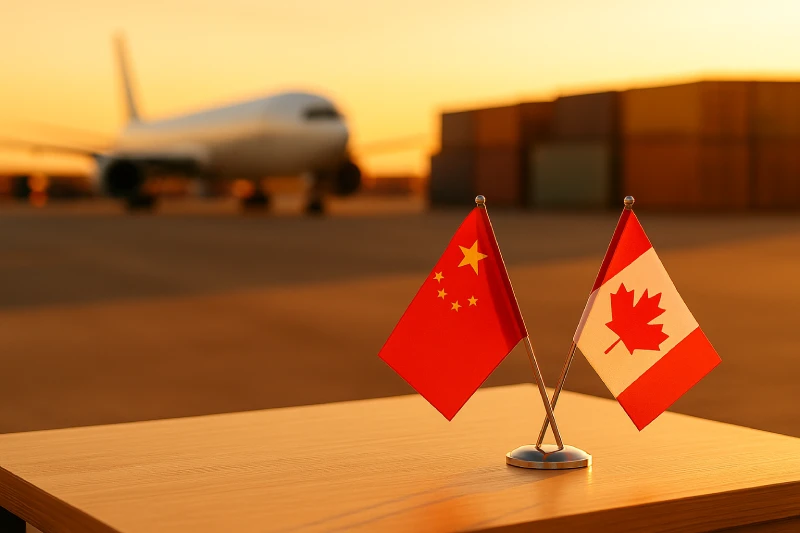
Shipping from China to Canada typically takes 18–35 days by sea, depending on whether you choose FCL or LCL. Air freight is much faster at 4–12 days, while express couriers such as DHL, UPS, and FedEx deliver in just 2–5 days.
Transit time varies mainly due to routing, customs clearance, weather, and peak-season congestion.
Why Shipping Time Varies
Shipping time from China to Canada can vary widely because no two routes, carriers, or logistics setups are exactly the same. Your final delivery speed depends on four major factors: shipping method, origin and destination pairing, carrier schedule, and customs performance. Sea freight times differ based on whether your cargo is shipped as FCL or LCL, while air freight depends heavily on available flights and warehouse handling efficiency at both ends.
Seasonal periods—such as Chinese New Year, Golden Week, and the Q4 peak season—also create congestion that slows vessel departures and customs processing. Weather disruptions, especially winter storms in Vancouver, Toronto, and Montreal, can further delay arrivals.
For a complete overview of shipping routes, costs, and documentation requirements, see our dedicated Ship from China to Canada guide, which this article complements within the Winsail Logistics content cluster.
China → Canada Transit Time Comparison Table
Transit time from China to Canada varies significantly depending on the transport mode you choose. Sea freight is usually the most economical option but also the slowest, while air freight and express courier services offer far shorter delivery windows at higher cost. The table below summarizes the average 2025 transit times for each major shipping method, helping importers quickly compare options and choose the most suitable mode based on order size, urgency, and budget.
LCL shipments generally require extra time due to consolidation and deconsolidation at warehouses, while DDP services need additional days for customs clearance and last-mile delivery in Canada. Express couriers bypass most of these delays, offering the fastest overall lead time.
China → Canada Transit Time Overview
| Shipping Method | Typical Transit Time | What This Means for You |
|---|---|---|
| FCL Sea Freight | 18–30 days | Fastest ocean option; stable schedule and fewer handling stops. |
| LCL Sea Freight | 22–35 days | Consolidation adds extra days; best for smaller shipments. |
| Air Freight (Airport–Airport) | 4–8 days | Quick for urgent cargo; depends on flight availability. |
| Air Freight DDP (Door–Door) | 6–12 days | Includes export clearance, import customs, and final delivery. |
| Express Courier (DHL/UPS/FedEx) | 2–5 days | Fastest option; ideal for samples, small parcels, or urgent orders. |
| Rail + Truck (Hybrid) | 20–28 days | Limited availability; useful for certain inland Canadian destinations. |
Sea Freight Transit Time (LCL & FCL)
Sea freight is the most common and cost-effective method for shipping from China to Canada, especially for bulk cargo or full container loads. Typical transit times range from 18–35 days, depending on whether your shipment moves as FCL (Full Container Load) or LCL (Less than Container Load).
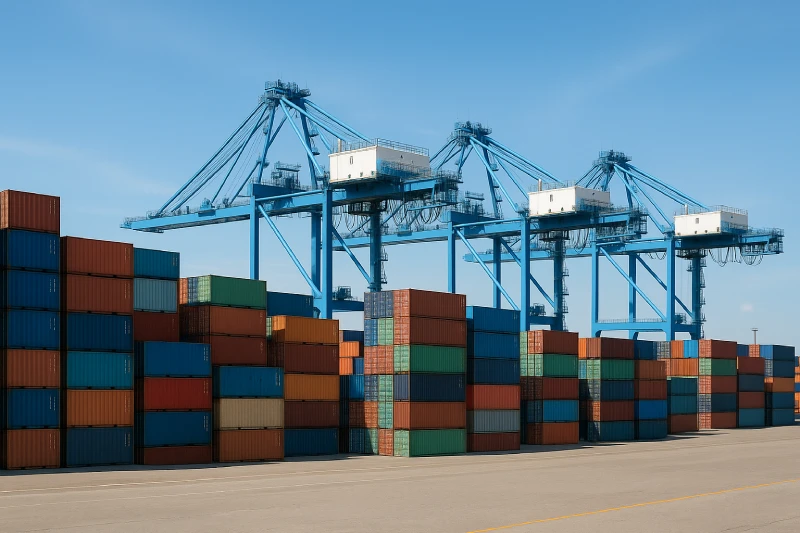
FCL is consistently faster because the container travels directly from origin to destination without consolidation or multiple handling points.
LCL, in contrast, requires extra time for warehouse consolidation, deconsolidation in Canada, and additional stops along the route.
Transit speed also depends heavily on whether the service is direct or transshipment-based. Direct routes from major ports like Shanghai, Ningbo, and Shenzhen to Vancouver generally offer the shortest ocean times. Shipments headed to Eastern Canada (Toronto or Montreal) typically land in Vancouver or Prince Rupert first, then continue by rail or truck, adding 5–10 days to the total timeline.
Below is a quick overview of average 2025 sea freight transit times for the most frequently used China → Canada routes:
Major China → Canada Sea Freight Routes
| Route | FCL Transit Time | LCL Transit Time | Notes |
|---|---|---|---|
| Shanghai → Vancouver | 16–22 days | 20–28 days | One of the fastest lanes with frequent direct sailings. |
| Shenzhen/Yantian → Vancouver | 18–24 days | 22–30 days | Strong South China export volume; stable schedules. |
| Ningbo → Vancouver | 18–26 days | 22–32 days | Consistent capacity; occasional transshipment. |
| Qingdao → Toronto (via West Coast + rail) | 25–33 days | 28–38 days | Rail transfer adds extra handling days. |
| Guangzhou → Montreal (via transshipment) | 30–40 days | 33–45 days | Longer route with higher delays risk. |
Overall, importers needing reliability and lower cost typically choose FCL, while LCL suits smaller shipments that are less time-sensitive.
Air Freight Transit Time (CIF vs DDP)
Air freight provides the fastest alternative to sea shipping for China → Canada imports and is often chosen for high-value, time-sensitive, or small-to-medium-size shipments. Typical airport-to-airport transit times range from 4–8 days, depending on flight schedules, airline capacity, and origin–destination combinations.
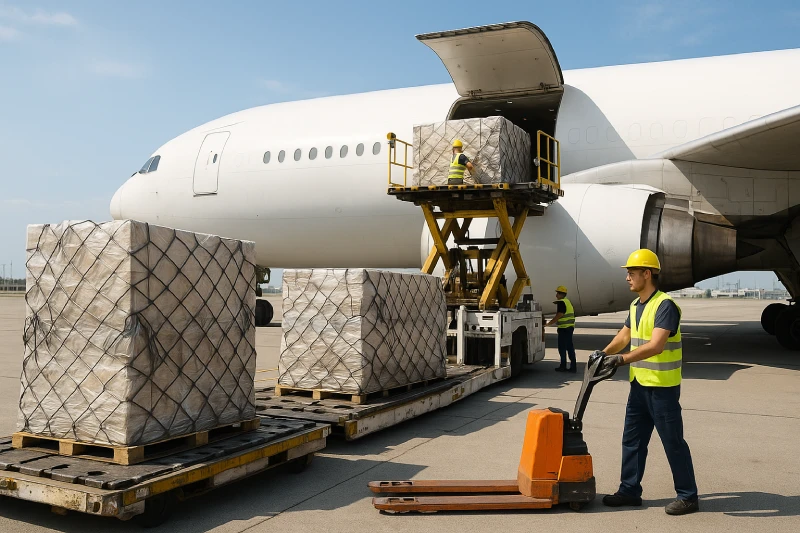
Major Chinese airports—Shanghai (PVG), Shenzhen (SZX), Guangzhou (CAN), and Hong Kong (HKG)—offer frequent flights to Vancouver (YVR), Toronto (YYZ), Calgary (YYC), and Montreal (YUL), helping reduce waiting time at departure.
When using DDP air freight (Door-to-Door), the full transit time extends to 6–12 days, because the logistics provider handles export documentation, Canadian import customs, final-mile delivery, and duties/taxes. Although slightly slower, DDP removes nearly all administrative work for the importer and is popular among Amazon FBA sellers and small businesses.
Factors that affect air freight transit time include:
- Flight frequency: Direct flights depart multiple times per week, while secondary cities may rely on connections.
- Customs inspection: Random checks or incomplete paperwork can add 1–3 days.
- Weather: Snowstorms and winter conditions at major Canadian airports often slow ground handling.
- Peak season congestion: Q4 and Chinese New Year typically increase transit time.
For urgent shipments where timing is critical, air freight strikes a balance between speed and cost.
Express & Courier Shipping (DHL / UPS / FedEx / Aramex)
Express courier services offer the fastest possible delivery from China to Canada, with typical transit times of just 2–5 days to major cities such as Vancouver, Toronto, Calgary, and Montreal. Providers like DHL, UPS, FedEx, and Aramex operate integrated air networks that bypass most warehouse handling and process customs clearance electronically before arrival, significantly reducing delays.
Express shipping is ideal for:
- product samples
- small parcels under 20–30 kg
- urgent replacement parts
- Amazon FBA replenishment
- high-value items requiring tight lead times
Although it is the most expensive option, it provides predictable delivery windows and full end-to-end tracking. Many shippers also benefit from simplified customs handling since couriers pre-clear shipments and manage import documentation automatically.
Factors Affecting Shipping Time
Shipping time from China to Canada is influenced by a combination of operational, seasonal, and regulatory factors. Understanding these variables helps importers plan more accurate schedules and reduce the risk of unexpected delays.
1. Port Congestion
Canadian ports—especially Vancouver and Prince Rupert—experience congestion during peak seasons or when vessel queues build up. This can add 3–7 days to transit time, particularly for LCL shipments that require additional handling.
2. Weather-Related Delays
Winter storms, heavy snowfall, and restricted visibility are common at Canadian gateways like Vancouver, Toronto, and Calgary. These conditions often slow unloading, customs inspection, and terminal operations.
3. Chinese Holidays & Peak Season
Major holidays such as Chinese New Year, Golden Week, and the Q4 peak export season significantly increase demand and cause vessel rollovers, warehouse backlogs, and longer flight wait times.

4. Customs Inspection & Paperwork Issues
Incorrect or incomplete documents—commercial invoices, packing lists, HS codes—can trigger customs inspections and add 1–5 days. LCL cargo faces a higher inspection rate than FCL.
5. Carrier Schedules & Transshipment
Some ocean lanes require transshipment in Busan, Kaohsiung, or another Asian hub, which increases the likelihood of delays. Direct routes generally provide more predictable timing.
6. Inland Transportation Delays
Shipments destined for inland cities like Calgary, Edmonton, or Winnipeg require rail/truck transfer from Vancouver or Toronto, adding 5–10 days depending on congestion and capacity.
How Importers Can Reduce Delays
- Book space 2–3 weeks in advance during peak seasons
- Ensure all paperwork is accurate and submitted early
- Choose direct lanes whenever possible
- Use DDP air freight for urgent deliveries
- Avoid shipping during major China holiday weeks
- Consolidate SKUs to reduce LCL handling delays
How to Ship Faster from China to Canada
For importers who frequently deal with tight production cycles or seasonal demand, reducing shipping time from China to Canada is not just about choosing the fastest mode—it’s about optimizing every stage of the supply chain. Below are practical, proven strategies that consistently shorten overall lead time.
1. Choose the Right Origin Port
Selecting a major export port such as Shanghai, Ningbo, Shenzhen/Yantian, or Guangzhou can reduce waiting time before departure. These ports offer more direct sailings to Vancouver and more frequent flights to Canada’s main airports.
2. Book Early During Peak Seasons
From October to January and during Chinese holidays, vessels and air carriers reach capacity quickly. Booking 2–3 weeks in advance prevents rollovers and avoids longer warehouse dwell times.
3. Use Direct Routes When Available
Direct ocean lanes to Vancouver and direct flights to Toronto/Vancouver eliminate transshipment delays. This can shorten the timeline by 3–7 days compared to indirect services.
4. Split Shipments for Time-Sensitive Orders
For urgent SKUs, send a small portion via air freight or express, while the bulk moves by sea. This ensures you have stock on hand without paying premium rates for everything.
5. Pre-Clear Customs & Prepare Documentation Early
Accurate paperwork—commercial invoices, packing lists, HS codes—prevents inspections and speeds up customs release. For air freight, pre-clearing shipments can save 1–2 days.
6. Consider DDP Air Freight for Last-Mile Efficiency
DDP (Door-to-Door) air services include export clearance, Canadian customs, duties/taxes, and delivery. This eliminates administrative delays and offers a predictable timeline of 6–12 days.
7. Work With a Stable Forwarder
Choosing an experienced China–Canada freight forwarder ensures better route planning, carrier allocation, and real-time troubleshooting.
Port & Route Notes for Canada
Canada’s logistics network is heavily shaped by its geography, with most international cargo funneled through a few key West Coast and Central gateways. Understanding how each port or airport operates helps importers choose faster, more reliable China → Canada shipping routes.
Major Canadian Sea Ports
- Vancouver (BC) – The busiest port in Canada and the fastest entry point for China-origin shipments. Most direct sailings arrive here, making it the preferred choice for FCL and LCL.
- Prince Rupert (BC) – Known for high efficiency and lower congestion, with excellent rail connectivity to inland Canada. Sailings are less frequent but often more reliable.
- Montreal (QC) – Typically used for East Coast distribution, but China-origin cargo usually arrives via West Coast ports and moves inland before reaching Montreal.
Major Canadian Airports
- Toronto Pearson (YYZ) – The primary hub for air freight from China; high flight frequency and strong ground handling.
- Vancouver (YVR) – Ideal for West Coast distribution with fast clearance.
- Calgary (YYC) & Montreal (YUL) – Secondary hubs with stable capacity.
Best Origin Ports in China
The fastest lanes originate from Shanghai, Ningbo, Shenzhen/Yantian, Guangzhou, and Qingdao, due to carrier frequency and direct flight/sailing availability.
Together, these port combinations form the backbone of the China → Canada logistics network and directly influence transit time efficiency.
FAQs
1. What is the fastest way to ship from China to Canada?
Express courier services like DHL, UPS, and FedEx are the fastest, delivering in 2–5 days. For larger shipments, air freight offers the quickest alternative with average transit times of 4–8 days airport-to-airport.
2. Why is my LCL shipment taking longer than expected?
LCL cargo goes through consolidation, deconsolidation, and often faces higher customs inspection rates, which can add several days. Your container may also wait for enough cargo from other shippers before departure.
3. Does customs clearance in Canada add much time?
Most shipments clear within 1–3 days, but incomplete paperwork, HS code discrepancies, or random inspections can extend this to 3–7 days—especially for electronics, batteries, liquids, or restricted items.
4. How much longer does shipping take during Chinese holidays?
Around Chinese New Year, Golden Week, and Q4 peak season, ocean and air services experience heavy demand. Expect delays of 5–10 additional days due to carrier overbooking, warehouse congestion, and slower customs processing.
5. Is DDP shipping slower than regular air freight?
Not necessarily. DDP includes export clearance, import customs, duties, and last-mile delivery, which adds 1–3 days. However, total transit time is still stable at 6–12 days, making DDP popular for Amazon FBA and small businesses needing predictable timelines.
Need a More Accurate Transit Time?
The timelines in this guide provide reliable averages, but every shipment is different. Your actual delivery time will depend on the cargo type, origin port, destination city, customs requirements, and the carrier schedule available during your shipping window.
If you want a more precise estimate based on your product, Incoterms, and route, you’re welcome to share your shipment details with us. Our team can provide a tailored China → Canada timeline and help you choose the fastest and most cost-efficient option for your situation.
Update & Compliance Note
All transit times provided in this guide are approximate ranges based on typical 2025 carrier schedules, port performance, and customs procedures. Actual delivery times may vary due to seasonal demand, weather conditions, routing changes, or operational adjustments by shipping lines and airlines.
We update this information periodically to reflect the latest China → Canada logistics trends and industry data.
