
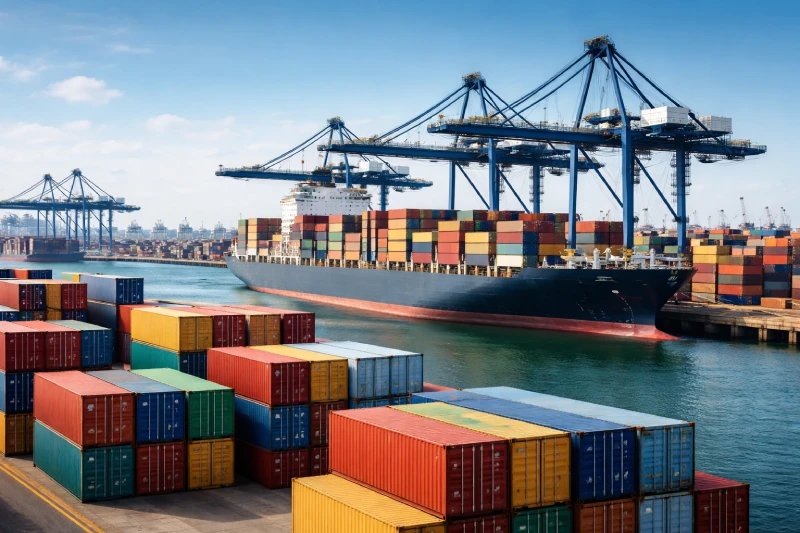
Shipping from China to Ethiopia typically takes 35–50 days by sea freight, 5–10 days by air freight, and 3–6 working days by express courier.
For DDP door-to-door shipping, total transit time depends on the chosen transport mode and customs clearance speed, usually adding a few extra days.
Actual shipping time varies based on route selection, transshipment schedules, customs procedures, and inland delivery to Addis Ababa.
Overview — Why Shipping Time from China to Ethiopia Varies
Shipping time from China to Ethiopia does not follow a single fixed schedule because the route involves multiple transport stages and regulatory processes. Unlike coastal countries, Ethiopia is landlocked, meaning all sea freight must first arrive at a neighboring seaport—most commonly via Djibouti—before continuing inland by truck or rail to destinations such as Addis Ababa.
Several variables influence the total transit time. These include the shipping method (sea, air, or express), the departure port in China, vessel or flight schedules, and whether the cargo requires customs inspection upon arrival. Sea freight usually involves transshipment at regional hubs, while air freight depends heavily on flight availability and clearance efficiency.
In addition, documentation accuracy, seasonal congestion, and local holidays can either streamline or delay the process. For this reason, estimated transit times should always be viewed as ranges rather than guarantees, and professional route planning is essential when shipping to Ethiopia.
China → Ethiopia Transit Time Comparison Table
The table below provides a side-by-side comparison of typical transit times when shipping from China to Ethiopia using different logistics methods. These ranges reflect realistic door-to-port or door-to-door averages, assuming standard cargo, complete documentation, and normal customs conditions.
Ethiopia is a landlocked country, so sea freight always includes an inland leg from the port of Djibouti to destinations such as Addis Ababa. This inland movement is already factored into the estimates below unless otherwise stated.
China to Ethiopia Shipping Time Overview
| Shipping Method | Route Scope | Typical Transit Time | Best For | Notes |
|---|---|---|---|---|
| Sea Freight (LCL) | China Port → Djibouti → Addis Ababa | 40–50 days | Small to medium shipments | Includes consolidation and deconsolidation time |
| Sea Freight (FCL) | China Port → Djibouti → Addis Ababa | 35–45 days | Full container loads | Faster than LCL due to no consolidation delays |
| Air Freight (Airport–Airport) | China Airport → Addis Ababa | 5–7 days | Urgent commercial cargo | Excludes destination customs & delivery |
| Air Freight (DDP) | Door → Door | 7–10 days | High-value or time-sensitive goods | Customs clearance and duties included |
| Express Courier | Door → Door | 3–6 working days | Samples, documents, small parcels | Size and value limits apply |
How to read this table
- Sea freight offers the lowest cost but the longest transit time due to ocean sailing and inland transport.
- Air freight significantly reduces transit time but depends on flight schedules and customs efficiency.
- DDP shipping adds predictability by bundling customs clearance and last-mile delivery into one timeline.
- Express couriers are the fastest option, but only suitable for lightweight, low-volume shipments.
This comparison helps shippers quickly determine which method aligns best with their delivery deadline, cargo type, and budget when shipping from China to Ethiopia.
Sea Freight Transit Time from China to Ethiopia (LCL & FCL)
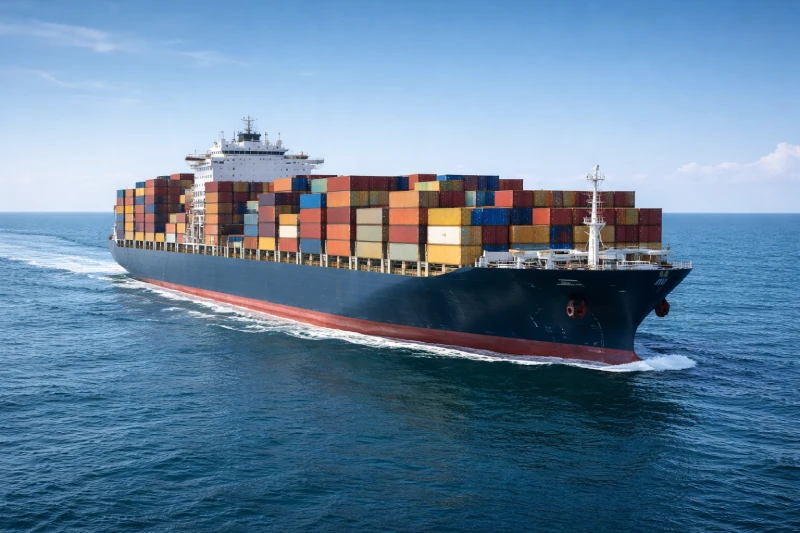
Sea freight is the most cost-effective way to ship goods from China to Ethiopia, but it also has the longest transit time. Because Ethiopia is landlocked, all ocean shipments must first arrive at the Port of Djibouti and then move inland by truck or rail to destinations such as Addis Ababa. This additional inland leg is a major reason why timelines are longer than for coastal countries.
Typical Sea Freight Timeline (Port → Inland)
Under normal conditions, sea freight from China to Ethiopia takes about 35–50 days in total. This estimate includes:
- Export handling at the Chinese port
- Ocean transit with at least one transshipment
- Discharge at Djibouti
- Customs clearance and inland transport to Ethiopia
Sailing time alone usually ranges from 25–35 days, while inland transport and clearance can add 7–12 days, depending on congestion and documentation readiness.
LCL vs FCL — How Transit Time Differs
The choice between LCL (Less than Container Load) and FCL (Full Container Load) has a noticeable impact on timing:
- FCL shipments are generally faster because the container moves as a single unit from origin to destination, with no consolidation or deconsolidation delays.
- LCL shipments require cargo consolidation at origin and deconsolidation at destination, which typically adds 5–7 extra days to the total timeline.
Typical ranges
- FCL: ~35–45 days
- LCL: ~40–50 days
Common Sea Freight Routes from China
Most shipments depart from major Chinese ports such as Shanghai Port, Ningbo-Zhoushan Port, Shenzhen Port, or Guangzhou Port. Vessels typically transit via the Indian Ocean, often with a stop at a Middle Eastern or East African hub, before reaching Port of Djibouti.
Once discharged, containers continue inland to Ethiopia, completing the final and often most variable stage of the journey.
Sea freight offers predictable but longer transit times, making it best suited for non-urgent, cost-sensitive cargo shipped from China to Ethiopia.
Air Freight Transit Time from China to Ethiopia (CIF vs DDP)
Air freight is the fastest standard shipping option from China to Ethiopia for commercial cargo that is time-sensitive or high-value. Under normal conditions, air freight transit time ranges from 5 to 10 days, depending on whether the shipment is handled airport-to-airport (CIF) or door-to-door (DDP).
Airport-to-Airport Air Freight (CIF)
For CIF or airport-to-airport shipments, cargo is delivered to a major Chinese airport and collected by the consignee at Addis Ababa Bole International Airport.
Typical timeline
- Export handling & flight booking in China: 1–2 days
- Flight transit (direct or via hub): 1–3 days
- Arrival & cargo availability: 1–2 days
Estimated total:5–7 days, excluding destination customs clearance and inland delivery.
This option is suitable for importers who already have a local customs broker and trucking arrangement in Ethiopia.
Air Freight DDP (Door-to-Door)
With DDP air freight, the forwarder manages customs clearance, duties, and final delivery to the consignee’s address in Ethiopia.
Typical timeline
- Export pickup & flight: 2–4 days
- Import customs clearance: 2–4 days
- Inland delivery: 1–2 days
Estimated total:7–10 days door to door
Although slightly slower than airport-only service, DDP provides greater certainty and fewer administrative delays, especially for first-time importers.
What Can Delay Air Freight?
Even though air freight is fast, transit time can still be affected by:
- Limited flight capacity during peak seasons
- Customs inspection or valuation checks
- Incomplete or inconsistent shipping documents
Air freight is the best balance of speed and reliability for shipping from China to Ethiopia, with CIF shipments averaging 5–7 days and DDP door-to-door solutions averaging 7–10 days.
Express & Courier Shipping from China to Ethiopia
Express courier shipping is the fastest way to send goods from China to Ethiopia, typically used for documents, samples, spare parts, or very small commercial shipments. Major international couriers such as DHL, UPS, FedEx, and Aramex operate regular services into Ethiopia.
Typical Express Transit Time
Under normal conditions, express shipments from China to Ethiopia take 3–6 working days door to door, including:
- Pickup from the shipper in China
- International air transit
- Courier-managed customs clearance
- Final delivery to the consignee
Delivery is usually made to Addis Ababa and surrounding commercial areas, with slightly longer times for remote locations.
When Express Shipping Makes Sense
Express courier service is most suitable when:
- Speed is more important than cost
- Shipment weight is low (usually under 50–70 kg)
- Cargo value is high or urgently needed
- Paperwork needs to be handled quickly by the courier
However, express shipping becomes cost-prohibitive for larger or heavier cargo, and it may not be ideal for shipments subject to complex customs requirements.
Express courier shipping offers the shortest transit time from China to Ethiopia—often just 3–6 working days—but is best limited to small, urgent shipments rather than bulk commercial cargo.
Factors Affecting Shipping Time from China to Ethiopia
Shipping time from China to Ethiopia can vary significantly even when the same transport method is used. Understanding the key factors behind delays helps importers set realistic expectations and reduce avoidable disruptions.

Port Congestion and Carrier Schedules
At the origin side, congestion at major Chinese ports or airports can delay vessel departures or flight bookings. Peak seasons, equipment shortages, and blank sailings may add several extra days before cargo even leaves China.
Transshipment and Route Selection
Most sea freight to Ethiopia involves transshipment at regional hubs before reaching Djibouti. Additional stops increase the risk of schedule changes, especially during weather disruptions or carrier rescheduling. Direct or more efficient routes generally result in shorter and more stable transit times.
Customs Clearance in Ethiopia
Customs procedures are one of the most unpredictable factors. Shipments may be delayed due to:
- Document inconsistencies
- Cargo valuation checks
- Random physical inspections
Incomplete or inaccurate paperwork often adds 3–7 extra days to the total timeline.
Inland Transport to Final Destination
After arrival at Djibouti or Addis Ababa Bole International Airport, cargo must move inland. Road conditions, truck availability, and border clearance efficiency directly affect final delivery time.
Holidays and Seasonal Effects
Public holidays in China and Ethiopia, such as Chinese New Year or Eid, often slow down port operations, customs processing, and inland transport.
Practical takeaway:
Most delays are not caused by transit itself, but by port handling, customs procedures, and inland logistics. Proper documentation and experienced route planning are the most effective ways to keep shipping time under control.
How to Ship Faster from China to Ethiopia
While international transit time cannot be eliminated, importers can take practical steps to significantly reduce delays when shipping from China to Ethiopia. Speed is often the result of planning and process control, not just choosing the fastest transport mode.
Choose the Right Shipping Method Early
Selecting the correct shipping method at the planning stage is critical.
- Use air freight or express for urgent or high-value cargo.
- Use FCL sea freight instead of LCL whenever possible to avoid consolidation delays.
Early decision-making allows better route selection and carrier scheduling.
Prepare Documents Before Cargo Is Ready
Many delays occur after arrival, not during transit. Ensuring that commercial invoices, packing lists, and import permits are complete and consistent can save several days during customs clearance in Ethiopia.
Book Capacity in Advance
During peak seasons, last-minute bookings often result in rollovers or flight postponements. Reserving vessel space or air cargo capacity early improves schedule reliability and shortens total lead time.
Consider DDP for Time-Critical Shipments
For importers without a local logistics team, DDP shipping can be faster overall. By handling customs clearance, duties, and inland delivery in one process, DDP reduces coordination delays and minimizes handover risks.
Split Shipments When Necessary
When part of a shipment is urgent, splitting cargo between air freight and sea freight allows critical goods to arrive sooner while keeping overall costs under control.
Key takeaway:
Shipping faster from China to Ethiopia is less about rushing and more about choosing the right method, preparing documents early, and working with experienced logistics partners.
Port & Route Notes for Shipping from China to Ethiopia
Understanding ports, gateways, and routing options is essential for estimating accurate shipping time from China to Ethiopia. Because Ethiopia is landlocked, both sea and air shipments rely on specific entry points that strongly influence transit efficiency.
Major Chinese Export Ports
Most cargo departs from China’s high-capacity ports, where frequent sailings and better carrier options help stabilize schedules:
- Shanghai Port – Broad carrier coverage and consistent schedules
- Ningbo-Zhoushan Port – Efficient for East China exports
- Shenzhen Port – Ideal for South China manufacturing hubs
- Guangzhou Port – Strong feeder and consolidation networks
- Qingdao Port – Common for North China cargo
Port choice affects sailing frequency, transshipment options, and total lead time.
Sea Freight Gateway: Port of Djibouti
All ocean shipments to Ethiopia discharge at the Port of Djibouti, the country’s primary maritime gateway. From here, cargo moves inland by road or rail to Ethiopia.
- Well-developed container facilities
- Direct trade lane with China
- Inland transit typically takes 3–6 days under normal conditions
Congestion at Djibouti or border procedures can directly extend delivery time.
Air Freight Gateway: Addis Ababa
For air shipments, nearly all cargo arrives at Addis Ababa Bole International Airport, the country’s main air cargo hub.
- Strong connectivity with Asia, the Middle East, and Africa
- Efficient for time-sensitive imports
- Customs clearance speed plays a major role in total transit time
Route Efficiency Considerations
- Sea routes with fewer transshipment stops are generally more reliable
- Air routes with stable weekly schedules reduce variability
- Inland delivery planning is critical for accurate door-to-door timelines
Key takeaway:
Shipping time from China to Ethiopia depends heavily on which Chinese port you use and how efficiently cargo moves through Djibouti or Addis Ababa, making route planning a key factor in transit reliability.
FAQs
1) Is shipping to Ethiopia slower than shipping to other African countries?
In most cases, yes. Because Ethiopia is landlocked, sea freight shipments require an additional inland leg after arrival at a neighboring seaport. This extra transfer typically adds several days compared to coastal African countries.
2) Does cargo type affect shipping time?
Yes. General cargo usually moves faster than regulated or sensitive goods. Items requiring special permits, inspections, or valuation checks may experience longer customs clearance times, extending the overall transit period.
3) Can shipping time be guaranteed?
No international shipping time can be absolutely guaranteed. Transit times are always estimates based on normal operating conditions. Weather disruptions, carrier schedule changes, or customs inspections can still cause delays even with careful planning.
4) Is door-to-door shipping more predictable in terms of timing?
Yes. Door-to-door services typically offer more predictable timelines because a single logistics provider coordinates transportation, customs clearance, and inland delivery, reducing handover delays between multiple parties.
5) When should I start planning my shipment to meet a fixed deadline?
For sea freight, planning should begin 6–8 weeks in advance. For air freight, 2–3 weeks is usually sufficient. Early planning allows time for documentation review, capacity booking, and route optimization.
Planning Your China–Ethiopia Shipping Timeline
Knowing the estimated transit time is only the first step. The actual delivery schedule for shipping from China to Ethiopia depends on your cargo details, shipping method, and destination requirements. Even shipments using the same route can vary by several days based on documentation readiness, carrier schedules, and customs handling.
If you are working with a fixed delivery deadline or comparing sea, air, and door-to-door options, a customized shipping timeline can help you make clearer decisions. By reviewing your cargo type, Incoterms, and delivery location in advance, it becomes easier to select the most reliable route and avoid unnecessary delays.
Careful planning and early coordination are especially important for first-time importers or time-sensitive shipments, where accurate expectations matter as much as cost control.
