
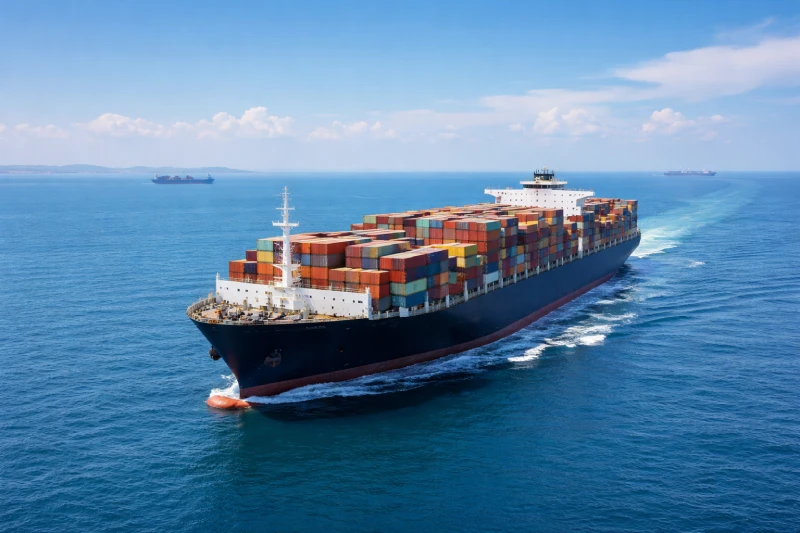
Shipping from China to Cameroon typically takes 30–45 days by sea freight, 5–10 days by air freight, and 3–6 days via international express couriers such as DHL or FedEx. If you choose door-to-door DDP shipping, the total delivery time is usually 35–50 days by sea or 7–12 days by air, depending on customs clearance and inland delivery.
Actual transit time can vary based on shipping routes, port congestion, transshipment schedules, customs inspections, and seasonal logistics demand.
Overview — Why Shipping Time from China to Cameroon Varies
Shipping time from China to Cameroon can vary significantly depending on the transport method, shipping route, and customs processes involved. While standard transit times provide a useful estimate, the total delivery timeline often includes several stages beyond the actual transportation itself.
One of the main factors is the shipping method. Ocean freight generally takes longer because vessels must travel thousands of nautical miles and may involve transshipment through major international hub ports before reaching Cameroon. Air freight is much faster but still requires time for cargo handling, export clearance in China, and import processing upon arrival.
Another key factor is port infrastructure and logistics efficiency at the destination. Most international cargo entering Cameroon passes through Douala Port, which handles the majority of the country’s maritime trade. During peak shipping seasons or periods of port congestion, container handling and customs clearance may take additional time.
Other variables include weather conditions, vessel schedules, customs inspections, and inland transportation to the final delivery address. Because of these factors, businesses planning shipments should consider both port-to-port transit time and the full door-to-door logistics timeline when estimating delivery schedules. Shipping speed is also closely linked to transportation pricing, which is explained in our China to Cameroon shipping cost guide.
China → Cameroon Shipping Time Comparison Table
Shipping from China to Cameroon can be completed using several transportation methods, each offering different transit speeds, costs, and logistics processes. Sea freight is the most commonly used option for bulk cargo, while air freight and express services are preferred when delivery speed is critical.
It is important to distinguish between port-to-port (or airport-to-airport) transit time and total door-to-door delivery time. Port-to-port transit refers only to the transportation stage, while door-to-door timelines include cargo pickup, export clearance, customs processing in Cameroon, and final inland delivery.
The table below provides a general comparison of typical transit times for major shipping options between China and Cameroon.
| Shipping Method | Port/Airport Transit Time | Door-to-Door Delivery Time | Typical Use Case |
|---|---|---|---|
| Sea Freight (FCL) | 30–40 days | 40–50 days | Large-volume cargo, full containers |
| Sea Freight (LCL) | 35–45 days | 45–55 days | Small shipments sharing container space |
| Air Freight | 3–5 days | 7–10 days | Time-sensitive commercial cargo |
| Express Courier (DHL/UPS/FedEx) | 3–6 days | 3–6 days | Documents, samples, small parcels |
| DDP Sea Freight | — | 35–50 days | Door-to-door shipments with customs handled |
| DDP Air Freight | — | 7–12 days | Simplified import logistics |
Sea freight remains the most economical solution for large shipments, especially when cargo weight exceeds several cubic meters. However, businesses needing faster delivery often choose air freight or express courier services despite the higher cost.
Sea Freight Transit Time from China to Cameroon (FCL & LCL)
Sea freight is the most widely used shipping method for cargo moving from China to Cameroon, particularly for large-volume shipments. Containers typically depart from major Chinese ports such as Shanghai, Ningbo, Shenzhen, and Guangzhou, and arrive at Douala Port, which is Cameroon’s primary maritime gateway.
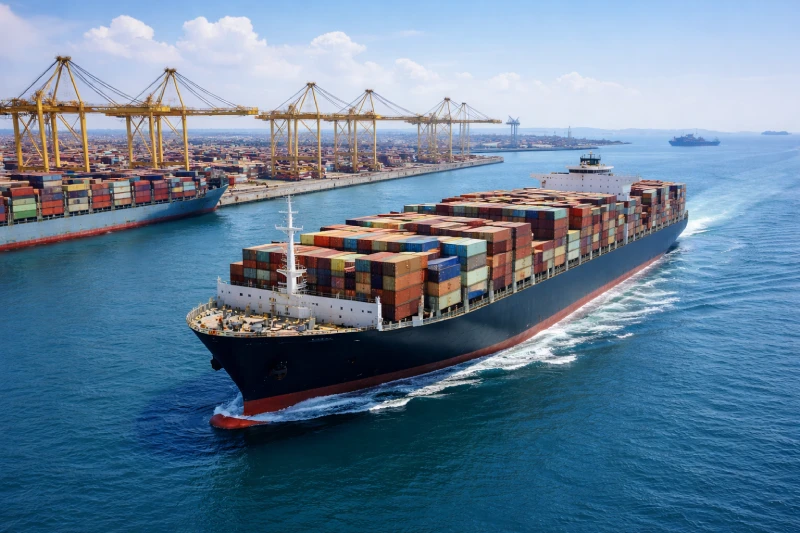
Under normal conditions, ocean transit time between China and Cameroon ranges from approximately 30 to 40 days for port-to-port shipping. However, because many shipping routes to West Africa involve transshipment through major international hubs—such as Mediterranean or Middle Eastern ports—the total sailing time may extend slightly depending on vessel schedules and container transfers.
Below are typical estimated sea freight transit times for common shipping routes:
| Route | Estimated Transit Time |
|---|---|
| Shanghai → Douala | 32–38 days |
| Ningbo → Douala | 34–40 days |
| Shenzhen → Douala | 35–42 days |
| Guangzhou → Douala | 33–39 days |
In addition to the ocean voyage itself, businesses should consider the differences between FCL (Full Container Load) and LCL (Less than Container Load) shipments.
FCL shipments generally move faster because the container is sealed at the origin and shipped directly without consolidation. Once the vessel arrives, the container can proceed directly to customs clearance and delivery.
LCL shipments, on the other hand, require cargo consolidation and deconsolidation at both the origin and destination warehouses. This process may add several extra days to the overall shipping timeline.
In practical terms, while FCL port-to-port transit may take around 30–40 days, the full door-to-door delivery time often reaches 40–50 days once pickup, customs clearance, and inland delivery are included.
For companies shipping larger cargo volumes, sea freight remains the most cost-efficient logistics option despite the longer transit time compared to air transport.
Air Freight Transit Time (Standard vs Door-to-Door)
Air freight is the fastest standard shipping method from China to Cameroon and is commonly used for high-value goods, urgent cargo, or time-sensitive shipments. Under normal conditions, the airport-to-airport transit time is typically 3–5 days, while the total door-to-door delivery time usually ranges from 7–10 days.
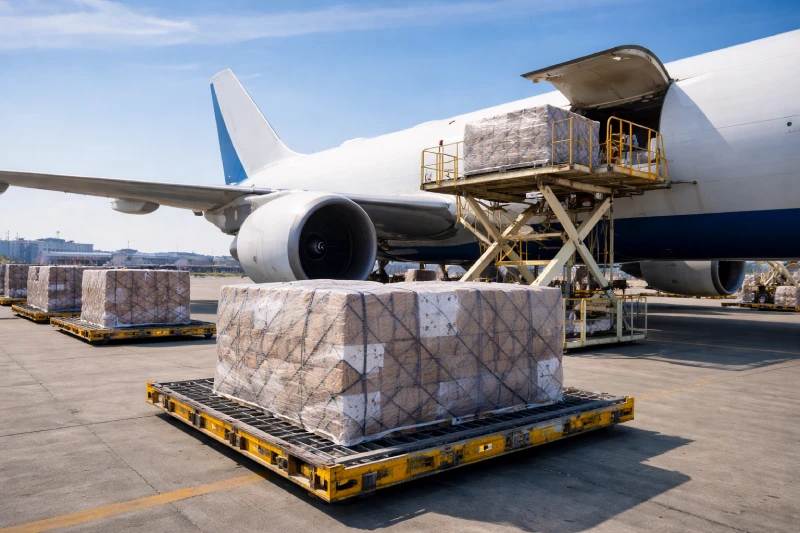
Unlike ocean freight, air shipments move through a much shorter transportation chain. However, several logistics stages still affect the final delivery timeline.
A typical air freight shipping process includes:
- Cargo pickup and delivery to the departure airport in China (1–2 days)
- Export customs clearance and security screening (1 day)
- International flight transit (1–2 days depending on routing)
- Arrival handling and import customs clearance in Cameroon (2–3 days)
- Final local delivery to the consignee (1–3 days)
In most cases, air cargo destined for Cameroon arrives at Douala International Airport or Yaoundé Nsimalen International Airport, which handle the majority of international freight entering the country.
Another important distinction is the difference between standard air freight and door-to-door air shipping (often arranged under DDP terms). With standard air freight, the importer typically manages customs clearance and inland delivery after the cargo arrives at the airport. In contrast, door-to-door air freight services include customs clearance and final delivery as part of the logistics arrangement, simplifying the process for the buyer.
While air freight is significantly faster than sea transport, the total shipping time may still be influenced by flight schedules, cargo consolidation, customs inspections, and documentation accuracy. Proper planning and preparation of shipping documents can help ensure that air shipments move through each stage of the logistics process efficiently.
Express & Courier Shipping (DHL, UPS, FedEx)
For very small shipments or urgent deliveries, international express courier services provide the fastest shipping option from China to Cameroon. Major providers such as DHL, UPS, and FedEx operate integrated logistics networks that combine air transport, customs clearance, and last-mile delivery into a single service.
Under normal conditions, express shipments from China to Cameroon typically arrive within 3–6 business days, depending on the pickup location in China and the destination city in Cameroon. Because courier companies handle both international transport and customs documentation, the shipping process is usually more streamlined than traditional freight forwarding.
Typical transit time ranges for major express carriers include:
| Courier Service | Estimated Transit Time |
|---|---|
| DHL Express | 3–5 days |
| UPS | 4–6 days |
| FedEx | 4–6 days |
| Aramex | 5–7 days |
Express shipping is most suitable for documents, product samples, spare parts, or lightweight parcels. These services generally have strict weight and size limits, and shipping costs increase rapidly as package weight grows.
Another advantage of courier services is end-to-end tracking, allowing shippers and recipients to monitor the shipment’s progress in real time. However, for larger commercial shipments or bulk cargo, express delivery becomes significantly more expensive compared with air freight or sea freight logistics solutions.
As a result, businesses usually reserve express shipping for small, time-sensitive items, while larger shipments are more efficiently transported using traditional freight methods.
Factors That Affect Shipping Time from China to Cameroon
Although general transit time estimates are available, the actual shipping time from China to Cameroon can vary depending on several operational and logistical factors. Understanding these variables helps businesses plan more accurate delivery schedules and avoid unexpected delays.
Port Congestion
Port congestion is one of the most common causes of shipping delays. When large volumes of containers arrive simultaneously, vessel berthing and cargo handling may take longer than expected. This situation can occasionally occur at Douala Port, particularly during busy trade periods or when port infrastructure faces operational constraints.
Transshipment and Vessel Scheduling
Many sea freight routes from China to West Africa involve transshipment through major international hub ports, such as those in the Mediterranean or Middle East. Containers may need to be transferred from one vessel to another before continuing to Cameroon, and any delay in the connecting vessel schedule can extend the overall transit time.
Customs Clearance and Documentation
Incomplete or inaccurate shipping documents can slow down customs clearance at both the export and import stages. Required documentation often includes commercial invoices, packing lists, bills of lading, and import permits. If customs authorities request additional inspections or verification, shipments may remain at the port or airport longer than planned.
Seasonal Shipping Peaks
Certain times of the year experience significantly higher shipping demand. For example, the period before Chinese New Year often leads to crowded shipping schedules as exporters rush to dispatch goods before factory shutdowns. Similarly, global peak seasons toward the end of the year can affect vessel availability and transit times.
Weather and Route Conditions
Severe weather conditions such as storms or rough seas can occasionally affect vessel schedules and cause route adjustments. Although modern shipping lines plan routes carefully, weather disruptions can still lead to temporary delays in ocean transit or port operations.
By preparing documentation carefully, booking cargo space in advance, and working with experienced logistics providers, businesses can reduce the risk of delays and keep shipments moving according to schedule.
How to Ship Faster from China to Cameroon
While international shipping inevitably requires time for transportation and customs processing, businesses can take several practical steps to reduce delays and improve overall delivery speed when shipping from China to Cameroon.
Choose the Right Departure Port
Selecting the appropriate Chinese departure port can influence both vessel availability and sailing frequency. Major export hubs such as Shenzhen, Guangzhou, Shanghai, and Ningbo typically offer more regular shipping routes to West Africa, which can help shorten waiting times before vessel departure.
Book Shipping Space in Advance
During busy logistics periods, especially before Chinese New Year or global peak shipping seasons, container space can fill up quickly. Booking shipments several weeks in advance allows exporters to secure space on the most suitable vessel or flight and avoid unnecessary scheduling delays.
Use Air Freight for Urgent Cargo
If delivery speed is the priority, air freight provides the fastest transportation option for commercial shipments. Although more expensive than sea freight, air cargo can reduce the transit time from several weeks to less than 10 days in most cases, making it ideal for urgent orders or high-value goods.
Prepare Customs Documents Early
Accurate documentation is essential for smooth customs clearance. Exporters should ensure that commercial invoices, packing lists, product descriptions, and import documentation are complete and correctly prepared before shipment. Well-prepared paperwork helps reduce the likelihood of customs inspections that could delay cargo release.
Consider Door-to-Door Shipping Services
For companies unfamiliar with import procedures in Cameroon, door-to-door logistics services—often arranged under DDP terms—can streamline the entire shipping process. These services typically include customs clearance, import duties management, and final delivery, reducing coordination time between different logistics stages.
By planning shipments carefully and selecting the most suitable transport option, businesses can significantly improve delivery efficiency and keep their supply chains running smoothly.
Main Ports and Airports for China → Cameroon Shipping
When shipping cargo from China to Cameroon, most international shipments move through a limited number of major seaports and airports that serve as key logistics gateways. Understanding these hubs helps businesses choose more efficient shipping routes and estimate transit times more accurately.
Major Departure Ports in China
China has several large export ports that handle container shipments bound for Africa. Among them, the following ports are commonly used for shipments to Cameroon:
- Shanghai Port — One of the world’s busiest container ports, offering extensive global shipping routes.
- Ningbo-Zhoushan Port — A major logistics hub in eastern China with strong container handling capacity.
- Shenzhen Port — Located in southern China and widely used for exports to international markets.
- Guangzhou (Nansha) Port — A key gateway for cargo originating from southern manufacturing regions.
These ports typically provide regular vessel services connecting Asia with West African ports, sometimes through transshipment hubs along the route.
Main Port in Cameroon
Most maritime cargo entering Cameroon is handled by Douala Port, the country’s largest and busiest seaport. Located on the Wouri River, Douala serves as the primary entry point for containerized imports and exports.
Because Douala processes a significant share of the country’s international trade, it also acts as a logistics hub for shipments destined for neighboring landlocked countries such as Chad and the Central African Republic.
Major Airports for Air Freight
For air cargo shipments, the main international airports handling freight are:
- Douala International Airport — The primary cargo gateway for international air freight entering Cameroon.
- Yaoundé Nsimalen International Airport — Another important airport serving the capital region.
Air freight shipments arriving at these airports are typically processed through customs before being transported to the final delivery destination within the country.
Planning Your Shipping Timeline from China to Cameroon
Estimating the right delivery timeline is an important part of international logistics planning. Whether you are shipping a full container, small commercial cargo, or urgent goods by air, understanding the expected transit time helps businesses coordinate production schedules, inventory planning, and import arrangements more effectively.
Because every shipment is different, the exact delivery timeline can vary depending on factors such as cargo volume, departure port, shipping method, and destination city in Cameroon. In many cases, working with an experienced freight forwarder can help identify the most efficient routing options and avoid common delays related to documentation, vessel schedules, or customs clearance.
If you are planning a shipment from China to Cameroon and need a more accurate timeline based on your cargo details, it can be helpful to request a customized shipping estimate. With the right logistics plan in place, businesses can select the most suitable transport method and keep their supply chain running smoothly.
Update & Compliance Note
The transit times and logistics information provided in this guide are general estimates based on typical shipping conditions for the China–Cameroon trade route as of 2026. Actual delivery times may vary depending on shipping schedules, carrier availability, port operations, customs procedures, and seasonal logistics demand.
International freight conditions can change over time due to factors such as global trade fluctuations, infrastructure developments, and regulatory updates. For the most accurate shipping timeline, it is recommended to confirm current schedules and requirements before arranging a shipment.
