
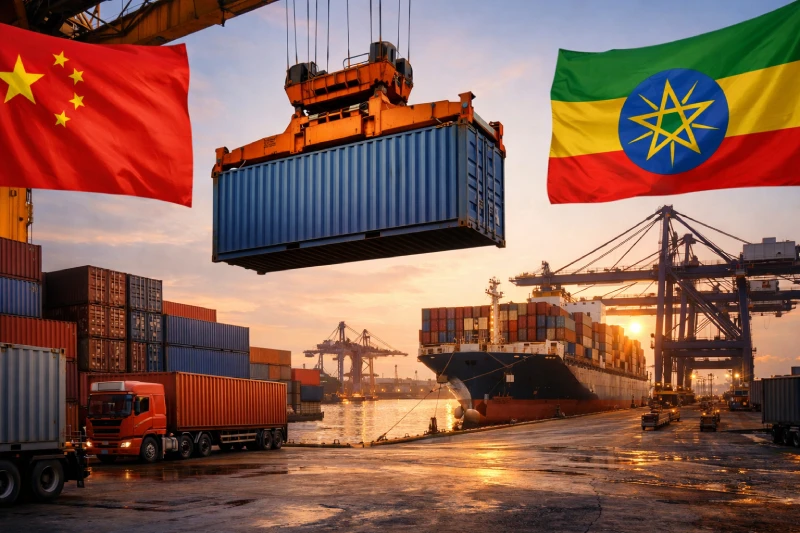
Sea freight from China to Ethiopia is one of the most cost-effective ways to move large volumes of cargo, especially for importers buying machinery, building materials, furniture, textiles, electronics, or wholesale goods. If you are still comparing all shipping options, you can first read our complete guide on shipping from China to Ethiopia to understand the differences between sea freight, air freight, DDP, and door-to-door services.
Although Ethiopia is landlocked and has no direct seaport, sea freight is still the primary shipping method. Cargo is shipped from major Chinese ports to East African ports such as Djibouti, then moved inland by truck or rail into Ethiopia.
For most businesses, the main decision is whether to use FCL (Full Container Load) or LCL (Less than Container Load). FCL offers lower cost per unit for larger shipments, while LCL is better for smaller cargo volumes.
This guide explains how sea freight from China to Ethiopia works, compares FCL and LCL, outlines typical transit times and costs, and highlights the most common delays importers should prepare for.
How Sea Freight Works
Sea freight from China to Ethiopia usually follows a multi-stage route:
- Cargo is collected from the supplier in China.
- The goods are delivered to a Chinese export port.
- The cargo is loaded into a container and shipped by sea to Djibouti.
- After customs clearance in Djibouti, the cargo is moved inland to Ethiopia by truck or rail.
- Final customs clearance is completed in Ethiopia before delivery to the consignee.
The main Chinese departure ports include Shanghai, Ningbo, Shenzhen, Guangzhou, Qingdao, and Xiamen. Most shipments are routed to the Port of Djibouti because it is Ethiopia’s primary gateway for international cargo.
After arriving in Djibouti, the goods are usually transported to Addis Ababa or other Ethiopian cities through the Ethiopia–Djibouti railway or by road freight. Rail is often slightly cheaper for larger volumes, while trucking can be faster and more flexible.
Sea freight is commonly used when:
- The cargo is heavy or bulky
- Shipping cost matters more than speed
- The shipment volume is too large for air freight
- The buyer wants to reduce transportation cost per kilogram
For smaller urgent cargo, air freight may still be the better option. However, for most commercial shipments above a few cubic meters, sea freight is usually the more economical choice.
FCL vs LCL
When shipping from China to Ethiopia, importers usually choose between FCL and LCL.
What Is FCL?
FCL means Full Container Load. The entire container is reserved for one shipper.
Common container sizes include:
- 20GP container
- 40GP container
- 40HQ container
FCL is usually the better option when the shipment is large enough to fill at least 15–18 CBM or more. Even if the container is not completely full, FCL may still be cheaper than LCL because the shipper avoids consolidation charges and handling fees.
Advantages of FCL:
- Lower cost per unit for larger shipments
- Faster handling at origin and destination
- Lower risk of cargo damage because the container is not shared
- Easier customs inspection and document control
FCL is often used for:
- Machinery
- Construction materials
- Large wholesale orders
- Furniture
- Industrial equipment
What Is LCL?
LCL means Less than Container Load. Multiple shippers share one container, and each shipper pays according to the cargo volume, usually measured in CBM.
LCL is ideal when the shipment is too small to justify an entire container.
Typical LCL cargo sizes:
- 1–10 CBM
- Small commercial orders
- Samples or trial orders
- Mixed cargo from multiple suppliers
Advantages of LCL:
- Lower upfront shipping cost for small cargo
- No need to wait until enough goods are available to fill a container
- Good option for first-time importers or low-volume shipments
However, LCL also has disadvantages:
- Higher cost per CBM
- More handling and consolidation time
- Greater chance of customs delay because the container contains cargo from different importers
- Slightly higher risk of damage or missing cartons during loading and unloading
Which Option Is Better?
As a general rule:
- Below 10–12 CBM: LCL is usually cheaper
- Above 15–18 CBM: FCL often becomes more economical
- Fragile, high-value, or sensitive cargo: FCL is usually safer
- Mixed or low-volume orders: LCL is more flexible
Many importers compare both options before booking. In some cases, a partially filled 20GP container can still cost less overall than a large LCL shipment.
Transit Time
Sea freight transit time from China to Ethiopia depends on the departure port, shipping line, port congestion, and how quickly the cargo moves from Djibouti into Ethiopia.
Typical sea transit times from China to Djibouti are:
| Route | Transit Time |
|---|---|
| Shanghai to Djibouti | 22–30 days |
| Ningbo to Djibouti | 24–32 days |
| Shenzhen to Djibouti | 20–28 days |
| Guangzhou to Djibouti | 20–28 days |
| Qingdao to Djibouti | 25–35 days |
After the vessel arrives in Djibouti, inland delivery to Addis Ababa usually requires another 3–7 days depending on customs clearance and transport method.
As a result, the total shipping time from China to Ethiopia is usually:
- FCL: 28–40 days
- LCL: 32–45 days
LCL often takes longer because the cargo must be consolidated at origin and deconsolidated after arrival.
Peak seasons such as August–October and the period before Chinese New Year can increase transit time because ports and shipping lines become busier.
For a more detailed breakdown by origin city and destination, see our Shipping Time from China to Ethiopia page.
Cost Breakdown
Sea freight cost from China to Ethiopia depends on cargo volume, container type, shipping season, and inland transport charges.
Typical FCL shipping cost ranges:
| Container Type | Estimated Cost |
|---|---|
| 20GP | USD 2,500–4,200 |
| 40GP | USD 3,800–6,000 |
| 40HQ | USD 4,000–6,500 |
Typical LCL cost:
| Cargo Volume | Estimated Cost |
|---|---|
| Per CBM | USD 120–250 per CBM |
The total sea freight cost usually includes:
- Pickup from supplier
- Export customs clearance in China
- Port handling charges
- Ocean freight
- Destination port charges in Djibouti
- Inland transport to Ethiopia
- Ethiopian customs clearance
- Final delivery if required
For LCL shipments, destination handling fees can be relatively high because the cargo must be unloaded, sorted, and processed separately.
In many cases, inland trucking from Djibouti to Addis Ababa can account for a significant portion of the total cost. This is especially true for heavy cargo.
Sea freight rates also change throughout the year. Prices are usually higher:
- Before Chinese New Year
- During August–October peak season
- When container shortages occur
For a more complete price estimate, see our Shipping Cost from China to Ethiopia guide. If you are shipping small cargo, our Cost per CBM from China to Ethiopia page can help estimate LCL expenses more accurately.
Port Operations in Ethiopia
Because Ethiopia has no coastline, nearly all sea freight cargo enters through the Port of Djibouti.
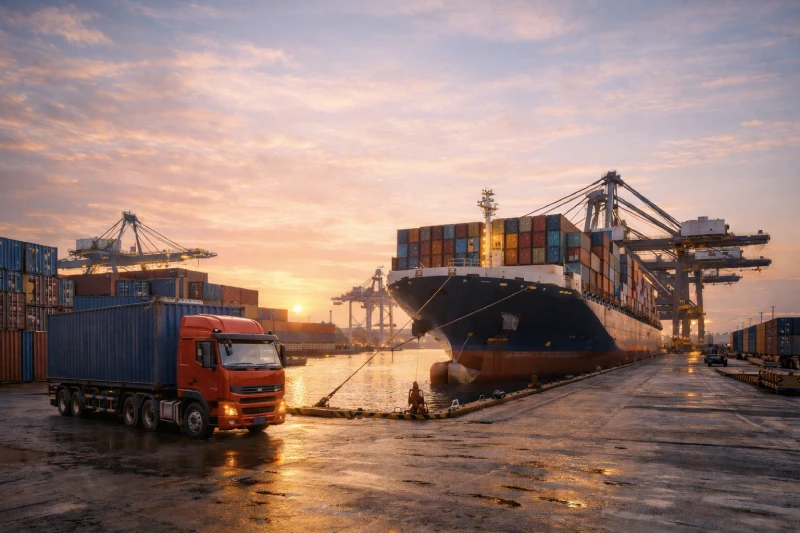
The Port of Djibouti handles more than 90% of Ethiopia’s import and export cargo. After unloading, containers are transferred to Ethiopia by:
- Truck transport
- Ethiopia–Djibouti standard gauge railway
The railway connects Djibouti directly to Addis Ababa and is widely used for containerized cargo. Rail can reduce cost and improve cargo security for larger shipments, although scheduling is sometimes less flexible than trucking.
Most imported goods are cleared through inland customs facilities in Ethiopia, especially in Addis Ababa and Modjo Dry Port.
Modjo Dry Port is one of Ethiopia’s most important logistics hubs. Containers arriving from Djibouti are often transferred there for customs inspection and release.
Common procedures at Modjo Dry Port include:
- Document verification
- Customs declaration
- Physical cargo inspection
- Duty and tax payment
- Container release
Importers should make sure all documents are prepared before the cargo arrives, including:
- Commercial invoice
- Packing list
- Bill of lading
- Import permit if required
- Certificate of origin when applicable
Missing or incorrect paperwork can delay cargo release significantly.
Common Delays & Solutions
Sea freight from China to Ethiopia is generally reliable, but delays can happen at several stages.
1. Port Congestion in China or Djibouti
During busy seasons, containers may wait several days before loading or unloading.
Solution:
Book shipments early, especially before Chinese New Year or peak season. Choosing a direct sailing can also reduce delay risk.
2. Customs Clearance Problems
Incorrect HS codes, missing invoices, or incomplete import documents can delay clearance in Djibouti or Ethiopia.
Solution:
Prepare all shipping documents in advance and confirm that the invoice, packing list, and cargo description match exactly.
3. Delays at Modjo Dry Port
Cargo can remain at Modjo Dry Port for several extra days if inspections are slow or if import taxes are not paid on time.
Solution:
Work with an experienced customs broker in Ethiopia and arrange duty payment before the cargo arrives.
4. LCL Consolidation Delays
LCL shipments often take longer because the container cannot depart until all cargo from different suppliers is ready.
Solution:
If time is important, consider using FCL or ask the freight forwarder for a faster consolidation schedule.
5. Inland Transport Delays
Road congestion, weather, or rail scheduling issues between Djibouti and Ethiopia can increase delivery time.
Solution:
Allow extra buffer time for inland delivery and track the shipment closely after arrival at Djibouti.
Experienced freight forwarders can often reduce delays by coordinating customs clearance, inland trucking, and container release more efficiently.
FAQs
Is sea freight from China to Ethiopia cheaper than air freight?
Yes. Sea freight is significantly cheaper for large or heavy shipments. Although it takes longer, it usually offers the lowest transportation cost per kilogram.
How long does sea freight from China to Ethiopia take?
Most shipments take 28–40 days for FCL and 32–45 days for LCL, including inland transport from Djibouti to Ethiopia.
Which is better for Ethiopia: FCL or LCL?
FCL is usually better for shipments above 15–18 CBM or for fragile cargo. LCL is better for smaller shipments below 10–12 CBM.
Which port is used for Ethiopia imports?
Most cargo is shipped to Djibouti Port, then transported inland to Ethiopia through Modjo Dry Port or Addis Ababa.
What documents are required?
The most common required documents are:
1. Commercial invoice
2. Packing list
3. Bill of lading
4. Import permit when required
5. Certificate of origin for certain products
If you are planning a shipment from China to Ethiopia, comparing FCL and LCL early can help reduce both cost and transit time. The right choice depends on your cargo volume, delivery deadline, and budget.
