
Introduction
When importing goods from China to the UAE, choosing the right freight forwarder can make the difference between a smooth delivery and costly delays. From coordinating suppliers to managing customs clearance in Dubai or Abu Dhabi, a reliable logistics partner handles the complexity so you can focus on your business. If you’re new to this trade lane, it helps to first understand the full picture of how to ship from China to UAE, including available methods, costs, and requirements.
For most importers and distributors, international shipping involves more than just booking space—it requires cost control, transit time planning, and compliance with UAE regulations. Working with an experienced freight forwarder ensures your cargo moves efficiently across every stage, whether by sea, air, or door-to-door service.
What Does a Freight Forwarder Do in China to UAE Trade?
A freight forwarder acts as your logistics coordinator, managing the entire shipping process from your supplier in China to your final destination in the UAE. Instead of dealing with multiple parties—carriers, customs brokers, trucking companies—you work with a single point of contact who organizes everything on your behalf.
Core Role in International Logistics
At its core, a freight forwarder plans and executes the movement of goods. This includes booking cargo space, arranging pickup from factories, preparing shipping documents, and coordinating export and import procedures. For UAE shipments, this often involves aligning timelines between Chinese suppliers and UAE customs requirements to avoid delays.
Difference Between Freight Forwarder, Carrier, and Shipping Agent
A freight forwarder does not physically move cargo like a shipping line or airline (the carrier). Instead, they act as an intermediary who selects the best transport solution. Compared to a basic shipping agent, a forwarder offers broader services—such as route optimization, cost control, and door-to-door coordination—rather than just handling a single leg of the journey.
Why UAE Imports Require Specialized Handling
Shipping to the UAE involves specific considerations, including VAT compliance, documentation accuracy, and port procedures at major hubs like Dubai. A knowledgeable freight forwarder ensures all paperwork is correct, helps navigate customs clearance efficiently, and reduces the risk of unexpected charges or shipment holds.
Key Shipping Routes from China to UAE
Understanding the main shipping routes helps importers plan costs, transit time, and delivery reliability. A freight forwarder selects the most suitable route based on your cargo type, urgency, and budget.
Major China Export Ports (Shanghai, Ningbo, Shenzhen, Guangzhou)
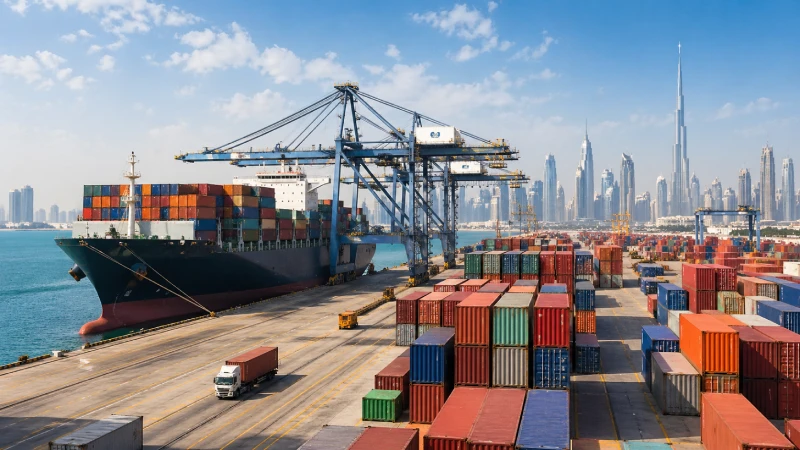
Most shipments to the UAE depart from key coastal hubs such as Shanghai and Ningbo in East China, and Shenzhen or Guangzhou in South China. These ports offer frequent sailings, competitive rates, and strong connections with global shipping lines. Your forwarder will typically choose the closest major port to your supplier to reduce inland transport costs and simplify export handling.
Main UAE Entry Points (Jebel Ali, Khalifa Port, Dubai Airports)
On the UAE side, Jebel Ali Port in Dubai is the primary gateway for sea freight, handling the majority of containerized imports. Khalifa Port in Abu Dhabi is another important hub, especially for projects and bulk cargo. For air shipments, Dubai International Airport and Abu Dhabi Airport are the main entry points, offering fast clearance and extensive regional distribution networks.
Sea Freight vs Air Freight Route Overview
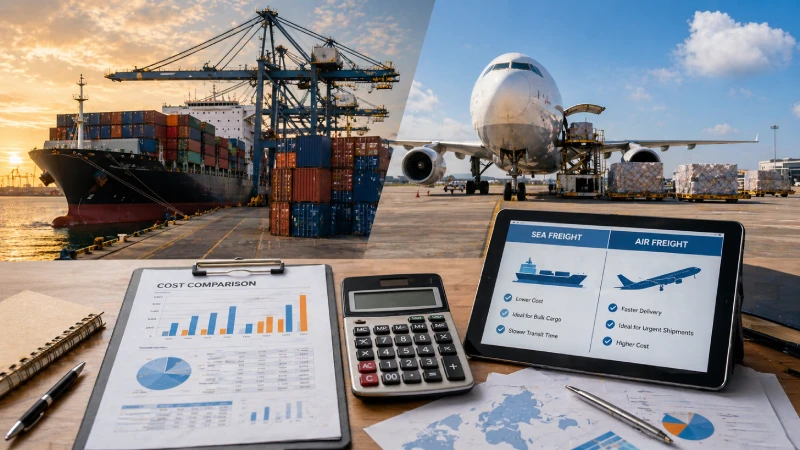
Sea freight routes usually take 18–30 days depending on origin port and shipping schedule, making them ideal for bulk or cost-sensitive cargo. Air freight, by contrast, typically delivers within 3–7 days and is preferred for urgent or high-value goods. A reliable freight forwarder evaluates both options and recommends the most efficient route based on your timeline and shipment priorities.
Services Offered by a Freight Forwarder from China to UAE
A professional freight forwarder provides end-to-end logistics services tailored to your shipment size, timeline, and delivery requirements. Instead of managing multiple vendors, you gain a coordinated solution that covers every stage of the supply chain.
Sea Freight (FCL & LCL)
Sea freight is the most cost-effective option for shipping from China to the UAE. Forwarders offer:
- FCL (Full Container Load): Best for large shipments with dedicated container space
- LCL (Less than Container Load): Ideal for smaller cargo (1–15 CBM) with shared container space
They also handle container booking, consolidation, and port operations at both origin and destination.
Air Freight Solutions
For urgent shipments, air freight provides fast and reliable delivery. Forwarders arrange:
- Airport-to-airport or door-to-door shipping
- Priority or economy service levels
- Cargo handling and documentation
This option is commonly used for electronics, spare parts, and time-sensitive goods.
Door-to-Door (DDP/DDU) Shipping
For importers who prefer a simplified process, freight forwarders offer door-to-door solutions, including Delivered Duty Paid (DDP) services. This means the forwarder manages transport, customs clearance, duties, and final delivery to your UAE address.
Customs Clearance in UAE
Navigating UAE customs requires accurate documentation and compliance with local regulations. Forwarders assist with:
- Import declarations
- Duty and VAT calculation
- Coordination with customs authorities
This reduces the risk of clearance delays or penalties.
Warehousing, Consolidation & Cargo Inspection
Many forwarders provide value-added services such as:
- Cargo consolidation from multiple suppliers
- Temporary storage in China or UAE warehouses
- Pre-shipment inspection and quality checks
These services help streamline supply chains and reduce shipping costs.
Last-Mile Delivery in UAE
After customs clearance, forwarders arrange final delivery to your warehouse, retail location, or project site. This includes trucking coordination, scheduling, and handling of special delivery requirements such as palletized cargo or oversized goods.
Shipping Process: Step-by-Step from China to UAE
Understanding the shipping process helps you plan timelines, control costs, and avoid unexpected delays. A freight forwarder manages each step, ensuring your cargo moves smoothly from the supplier to your final destination in the UAE.
Supplier Coordination & Cargo Pickup
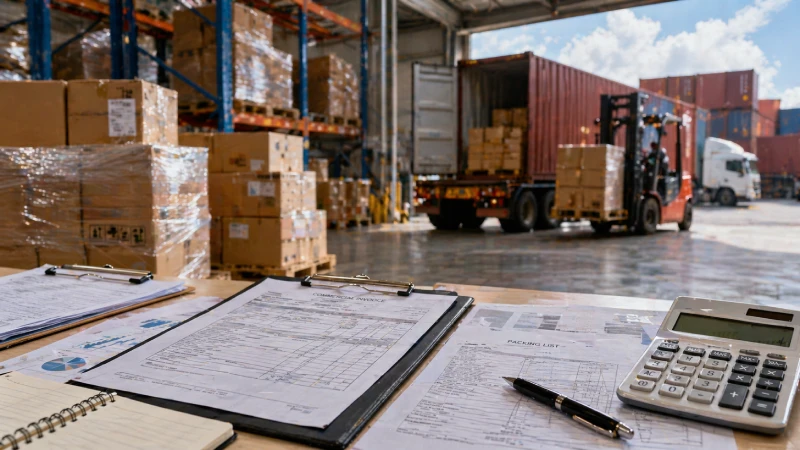
The process begins with coordinating directly with your supplier in China. The forwarder arranges cargo pickup from the factory or warehouse, confirms shipment readiness, and checks packaging and documentation. For multiple suppliers, goods can be consolidated to reduce overall shipping costs.
Export Customs Clearance in China
Before leaving China, the shipment must go through export customs clearance. This includes preparing commercial invoices, packing lists, and export declarations. An experienced forwarder ensures all documents are accurate and compliant, preventing delays at origin ports.
International Transportation (Air or Sea)
Once cleared, the cargo is loaded onto a vessel or aircraft. The forwarder books space with carriers, manages schedules, and monitors transit. During this stage, they also provide tracking updates and handle any issues such as schedule changes or transshipment delays.
Import Customs Clearance in UAE
Upon arrival in the UAE, the shipment undergoes import customs clearance. This involves submitting documentation, calculating duties and VAT, and coordinating inspections if required. Proper handling at this stage is critical to avoid storage fees or clearance delays.
Final Delivery to Warehouse or Project Site
After customs release, the forwarder arranges last-mile delivery to your designated location—whether it’s a warehouse, distribution center, or project site. Delivery scheduling, unloading coordination, and proof of delivery are all managed to complete the shipment efficiently.
Shipping Time from China to UAE (What to Expect)
Transit time is a key factor when planning imports from China to the UAE. The actual delivery timeline depends on the shipping method, origin and destination, and how efficiently each stage of the process is managed.
Sea Freight Transit Time
Sea freight typically takes 18–30 days from major China ports to the UAE. Direct routes from ports like Shanghai or Shenzhen to Jebel Ali are usually faster, while shipments involving transshipment may take longer. Additional time should be considered for cargo consolidation, customs clearance, and final delivery.
Air Freight Transit Time
Air freight is significantly faster, with transit times ranging from 3–7 days door-to-door. Direct flights to Dubai or Abu Dhabi offer the quickest turnaround, making air shipping ideal for urgent or high-value goods. However, flight schedules, cargo handling, and customs processing can still affect the final delivery time.
Factors That Affect Delivery Speed
Several variables can impact how long your shipment takes:
- Shipping method: Air vs sea
- Port or airport congestion
- Customs clearance efficiency in both China and the UAE
- Peak seasons (e.g., holidays, high shipping demand periods)
- Documentation accuracy
To better estimate timelines for your specific shipment, refer to detailed benchmarks on Shipping Time from China to UAE, which break down scenarios by mode, cargo type, and route conditions.
Shipping Costs: How Freight Forwarders Price China–UAE Shipments
Shipping costs from China to the UAE vary widely depending on cargo size, transport mode, and service scope. A freight forwarder typically provides a structured quotation that includes both base freight rates and additional charges across the logistics chain.
Sea Freight Cost Structure (FCL vs LCL)
For sea shipments, pricing depends on whether you use a full container or share space:
- FCL (Full Container Load): Charged per container (20ft/40ft), offering better cost efficiency for large volumes
- LCL (Less than Container Load): Charged per cubic meter (CBM), suitable for smaller shipments but with higher unit cost
Additional fees may include origin handling, destination charges, and documentation.
Air Freight Cost per KG
Air freight is usually calculated based on chargeable weight, which considers both actual weight and volumetric weight. Rates vary depending on:
- Cargo size and density
- Airline capacity and route demand
- Service level (standard vs express)
Although more expensive than sea freight, air shipping reduces inventory holding costs and delivery time.
Additional Charges (Customs, Duties, Handling)
Beyond freight rates, importers should account for:
- Customs duties and 5% VAT in the UAE
- Terminal handling charges (THC)
- Customs clearance fees
- Delivery and trucking costs
These charges can significantly affect the total landed cost if not planned in advance.
Key Cost Factors (Volume, Weight, Incoterms, Seasonality)
Several variables influence your final shipping quote:
- Cargo volume and weight
- Incoterms (FOB, CIF, DDP) and who is responsible for each cost
- Shipping season (peak periods often increase rates)
- Route and transit time requirements
For a more detailed breakdown and real pricing benchmarks, you can refer to Shipping Cost from China to UAE, which explains how costs vary across different shipment scenarios and volumes.
How to Choose a Reliable Freight Forwarder from China to UAE
Selecting the right freight forwarder is critical to ensuring smooth, cost-effective shipping. While many providers offer similar services on the surface, their actual capabilities, transparency, and problem-solving skills can vary significantly.
Experience in UAE Trade Lanes
A reliable forwarder should have proven experience handling shipments between China and the UAE. This includes familiarity with major ports like Jebel Ali, understanding UAE import regulations, and managing common clearance challenges. Experience reduces the risk of delays, unexpected costs, or compliance issues.
Transparent Pricing and Quotations
Clear and detailed quotations are a strong indicator of professionalism. A trustworthy forwarder will break down costs—freight, local charges, customs fees—so you understand exactly what you are paying for. Be cautious of unusually low quotes that may exclude key charges and lead to hidden costs later.
Network Strength (Agents in China & UAE)
Freight forwarding is a network-driven business. Strong local teams or partners in both China and the UAE ensure better coordination, faster communication, and smoother handling at each stage. This is especially important for resolving issues during customs clearance or final delivery.
Ability to Handle DDP Shipments
For many importers, especially SMEs, DDP (Delivered Duty Paid) shipping simplifies the process. A capable forwarder should be able to manage end-to-end logistics, including duties, VAT, and delivery. This reduces your operational burden and provides more predictable total costs.
Communication and Problem-Solving Capability
Delays, schedule changes, or documentation issues can occur in international shipping. A reliable forwarder stands out by how quickly and effectively they respond. Look for providers who offer proactive updates, clear timelines, and practical solutions rather than reactive communication.
UAE-Specific Import Considerations
Importing into the UAE involves specific regulatory and operational requirements that differ from other markets. A freight forwarder familiar with local procedures can help you avoid delays, penalties, and unexpected costs.
Required Documentation for UAE Customs
To clear goods in the UAE, importers must provide accurate and complete documentation, including:
- Commercial invoice
- Packing list
- Bill of lading (for sea) or air waybill (for air)
- Certificate of origin (if required)
- Importer trade license
Errors or inconsistencies in these documents can lead to shipment holds or additional inspections.
VAT, Duties, and Compliance Rules
Most goods imported into the UAE are subject to 5% VAT, along with applicable customs duties depending on the product category. Certain items may require additional approvals or certifications. Understanding these costs in advance helps you calculate the true landed cost and avoid surprises during clearance.
Free Zone vs Mainland Delivery Differences
The UAE has both mainland and free zone import structures:
- Mainland shipments: Require standard customs clearance and VAT payment
- Free zone shipments: May benefit from duty exemptions but involve different procedures and documentation
Choosing the correct import structure depends on your business setup and distribution plan.
Common Inspection and Clearance Issues
Shipments may be selected for inspection due to documentation inconsistencies, product classification issues, or regulatory requirements. Common problems include incorrect HS codes, undervalued invoices, or missing certificates. A knowledgeable freight forwarder helps prevent these issues by ensuring compliance before the shipment arrives.
Common Mistakes Importers Make (and How to Avoid Them)
Even experienced importers can face delays or unexpected costs when shipping from China to the UAE. Most issues are not caused by the shipping process itself, but by avoidable planning and coordination mistakes.
Choosing Based on Price Alone
One of the most common mistakes is selecting a freight forwarder solely based on the lowest quote. Low pricing often excludes key charges such as destination fees or customs handling, leading to higher total costs later. It’s important to evaluate the full service scope and transparency of the quotation, not just the headline price.
Misunderstanding Incoterms (FOB vs DDP)
Incoterms define who is responsible for each stage of shipping. Many importers underestimate the complexity of FOB shipments, where they must handle freight, customs, and delivery separately. In contrast, DDP simplifies the process but may have a higher upfront cost. Choosing the wrong term can lead to confusion, delays, and unexpected responsibilities.
Incomplete Documentation
Missing or incorrect documents are a leading cause of customs delays. Inconsistencies between invoices, packing lists, and shipping documents can trigger inspections or clearance holds. Ensuring all paperwork is accurate before shipment is essential for smooth processing in the UAE.
Poor Packaging or Labeling
Improper packaging can result in cargo damage or rejection during handling and inspection. Clear labeling, correct palletization, and compliance with shipping standards help protect goods and avoid operational issues during transit and delivery.
Lack of Shipping Plan or Timeline Buffer
Many importers fail to account for potential delays such as port congestion, customs inspections, or peak season disruptions. Without a buffer in the shipping schedule, even minor delays can impact inventory availability or project timelines. Planning ahead with realistic transit expectations reduces this risk.
When to Use Sea Freight vs Air Freight for UAE Shipments
Choosing between sea freight and air freight depends on your shipment priorities—mainly cost, speed, and cargo characteristics. A freight forwarder helps evaluate these factors to recommend the most efficient option.
Cost vs Speed Trade-Off
Sea freight is significantly more cost-effective, especially for bulky or heavy cargo, but it comes with longer transit times. Air freight, on the other hand, offers fast delivery but at a much higher cost per kilogram. The right choice depends on whether your priority is minimizing logistics cost or meeting tight deadlines.
Best Scenarios for Sea Freight
Sea freight is ideal when:
- You are shipping large volumes (typically above 2–3 CBM)
- Transit time is flexible
- Goods are not time-sensitive
- You want to reduce overall shipping costs
It is commonly used by importers managing regular inventory replenishment or bulk orders.
Best Scenarios for Air Freight
Air freight is the better option when:
- Shipments are urgent or time-critical
- Cargo is high-value or lightweight
- Stockouts or project delays would be costly
- You need faster turnaround for seasonal or promotional goods
Many businesses also use a hybrid approach—sending bulk goods by sea while shipping urgent items by air to balance cost and speed.
FAQs
Do I Need a Freight Forwarder or Can I Ship Directly?
While it is technically possible to book shipments directly with carriers, most importers rely on freight forwarders to manage the full process. A forwarder handles coordination, documentation, customs clearance, and delivery—reducing complexity and minimizing the risk of costly mistakes.
How Long Does Door-to-Door Shipping Take?
Transit time depends on the shipping method. Air freight typically takes 3–7 days door-to-door, while sea freight ranges from 20–35 days depending on routing and handling. For a detailed breakdown by scenario, see Shipping Time from China to UAE.
What Documents Are Required for UAE Imports?
Common required documents include a commercial invoice, packing list, bill of lading or air waybill, and importer trade license. Some products may also require certificates of origin or additional approvals depending on UAE regulations.
Can One Forwarder Handle Both China and UAE Sides?
Yes, most experienced freight forwarders operate with teams or partners in both China and the UAE. This allows them to manage the shipment end-to-end, ensuring better coordination across pickup, customs clearance, and final delivery.
What Is the Safest Shipping Method for High-Value Cargo?
For high-value or sensitive goods, air freight is generally the safest due to shorter transit times and reduced handling. However, secure sea freight options such as FCL with proper packaging and insurance can also provide reliable protection at a lower cost.
Get Expert Support for Your China to UAE Shipments
Whether you are importing small volumes or managing regular bulk shipments, having a clear logistics plan can save both time and cost. The right approach depends on your cargo type, urgency, and delivery requirements—and this is where experienced freight coordination becomes valuable.
Tell Us Your Cargo Details for a Tailored Shipping Plan
Share basic shipment information such as product type, volume, weight, and supplier location. With this, you can receive a practical recommendation on the best shipping method, route, and service scope based on your specific needs.
Get a Clear Quote with Transit Time and Cost Breakdown
A structured quotation should outline all key elements—freight cost, local charges, customs handling, and estimated transit time. This transparency helps you plan your budget accurately and avoid unexpected fees during the shipping process.
For cost benchmarks, you can also review Shipping Cost from China to UAE to understand typical pricing ranges.
Simplify Your Imports with End-to-End Logistics Support
From supplier pickup in China to final delivery in the UAE, coordinated logistics support reduces operational complexity. With proper planning, accurate documentation, and consistent tracking, you can ensure smoother shipments and more predictable supply chain performance—including options like DDP Shipping from China to UAE for fully managed door-to-door delivery.
