
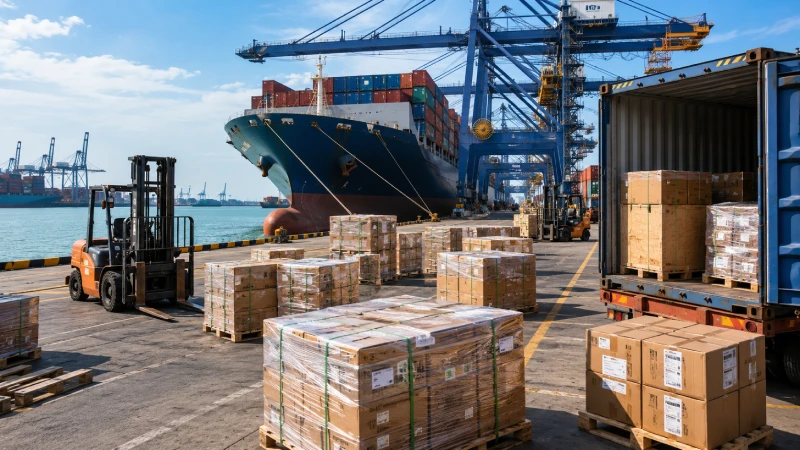
Shipping goods from China to the UAE is no longer just about finding the cheapest freight quote. For most importers, especially those using LCL sea freight, understanding the real shipping cost per CBM is what determines whether a shipment stays profitable or becomes unexpectedly expensive.
Many UAE buyers initially focus only on the ocean freight rate. However, the final landed cost often includes origin charges in China, destination fees in Dubai or Abu Dhabi, customs handling, delivery costs, and warehouse processing charges. This is why two shipments with the same CBM can end up with very different total costs.
In this guide, we’ll break down how CBM shipping pricing works, what affects the final freight cost, when LCL becomes inefficient, and how UAE importers can reduce overall shipping expenses through better planning and cargo consolidation.
Why CBM Shipping Costs Matter for UAE Importers
Why Small LCL Shipments Often Become Expensive
For small and medium importers in the UAE, LCL (Less than Container Load) shipping is usually the most practical option. Instead of booking a full container, your cargo shares space with shipments from other importers.
The problem is that many charges in international shipping are fixed regardless of shipment size.
For example, whether you ship 1 CBM or 5 CBM, you may still pay:
- delivery order fees
- customs processing fees
- port documentation charges
- warehouse handling fees
- UAE local clearance costs
This is why a very small shipment often has a surprisingly high cost per CBM.
A shipment with low ocean freight can still become expensive after destination charges are added. This is especially common for first-time importers shipping small furniture orders, retail products, or building materials to Dubai.
When CBM Pricing Becomes Cost-Effective
LCL shipping usually works best for shipments between 2–10 CBM.
Below 2 CBM, minimum charges start heavily affecting unit cost. Above 10–15 CBM, importers should begin comparing LCL with FCL (Full Container Load), because a full container may reduce handling fees and lower the effective shipping cost per CBM.
Cargo consolidation also plays a major role. Instead of shipping multiple small orders separately, many experienced UAE importers combine products from different Chinese suppliers into one larger shipment to improve cost efficiency.
What Is CBM in Shipping?
CBM stands for Cubic Meter, which measures cargo volume. In sea freight, especially LCL shipping, freight forwarders mainly calculate shipping charges based on volume rather than weight.
CBM Meaning and How It Is Calculated
The standard CBM formula is:
CBM = Length\times Width\times Height
The dimensions must be converted into meters before multiplying.
For example:
- Length: 1.2m
- Width: 1.0m
- Height: 1.5m
The calculation becomes:
1.2 × 1.0 × 1.5 = 1.8 CBM
If cargo is palletized, the pallet dimensions must also be included. Many importers underestimate their final CBM because they only measure the cartons themselves.
Common CBM Calculation Mistakes
One of the biggest mistakes is ignoring packaging space.
A machine component may look compact before packing, but after wooden crates and pallets are added, the shipment volume increases significantly.
Other common mistakes include:
- measuring irregular cargo incorrectly
- forgetting pallet height
- estimating instead of measuring
- using supplier estimates without verification
Incorrect CBM calculations often lead to rebilling after cargo arrives at the warehouse.
How Shipping Cost per CBM from China to UAE Is Calculated
Main Cost Components in LCL Shipping
Most China-to-UAE LCL shipping quotes include multiple cost layers.
1. Ocean Freight
This is the base sea freight charge from China to UAE ports such as:
- Jebel Ali
- Abu Dhabi
- Sharjah
2. China Origin Charges
These may include:
- export customs clearance
- warehouse receiving fees
- documentation charges
- terminal handling charges
- consolidation service fees
3. UAE Destination Charges
These are usually the most misunderstood part of LCL pricing.
Common destination charges include:
- port handling
- customs clearance
- delivery order fees
- warehouse unloading
- local transportation
Why Destination Charges Surprise Many Importers
Many freight quotes only emphasize the ocean freight portion because it looks attractive.
For example:
- Ocean freight: USD 35 per CBM
- Destination charges: USD 120–200 total
For a small shipment, destination fees can easily exceed the actual sea freight cost.
This is why experienced importers focus on total landed cost rather than just the freight rate itself.
Average Shipping Cost per CBM from China to UAE
Typical LCL Shipping Cost Ranges
Shipping costs change constantly depending on season, route, and market demand, but approximate ranges often look like this:
| Shipment Size | Estimated LCL Cost Range |
|---|---|
| 1 CBM | Higher per-CBM cost |
| 3–5 CBM | Most cost-efficient LCL range |
| 10+ CBM | Compare with FCL pricing |
DDP shipping prices are usually higher because they include:
- customs clearance
- import duties
- VAT
- local delivery
Non-DDP pricing may initially appear cheaper, but local UAE costs can increase the final total considerably.
Factors That Affect Final Shipping Cost
Several variables influence the final freight price:
- shipping season
- cargo type
- urgency
- hazardous cargo classification
- warehouse congestion
- port congestion
For example, batteries and electronics often require additional handling or compliance procedures, increasing total cost.
During peak seasons such as:
- Chinese New Year
- Ramadan preparation periods
- Q3 retail inventory season
rates can rise substantially due to container shortages and space demand.
LCL vs FCL: Which Is Better for UAE Imports?
LCL Shipping Advantages and Limitations
LCL shipping is ideal for:
- startup importers
- small inventory purchases
- test orders
- multi-supplier sourcing
The main advantage is lower upfront shipping cost because you only pay for the cargo space used.
However, LCL shipments also involve:
- more handling
- longer consolidation time
- higher risk of delays
- increased damage exposure
When FCL Becomes More Cost-Effective
Once cargo volume approaches 15 CBM or more, FCL often becomes worth comparing.
With FCL:
- cargo is loaded into one dedicated container
- handling frequency decreases
- destination charges are more predictable
- unloading becomes faster
Many UAE importers shipping furniture, building materials, or machinery eventually move from LCL to FCL once purchasing volume increases.
DDP vs Non-DDP Shipping Cost Comparison
What Is Included in DDP Pricing
DDP (Delivered Duty Paid) shipping usually includes:
- sea freight
- export clearance
- UAE customs clearance
- import duties
- VAT
- final delivery
For many UAE importers, DDP simplifies the process because the freight forwarder manages most logistics procedures.
Related internal link opportunity:
- “DDP Shipping from China to UAE”
- “DDP vs FOB Shipping Guide”
Why Non-DDP Quotes Can Become More Expensive Later
Non-DDP shipping may initially seem cheaper, but importers must separately manage:
- customs brokers
- UAE port handling
- duty payments
- local delivery
- inspection procedures
If customs documentation is incomplete, storage fees can accumulate quickly at the port.
For inexperienced importers, DDP often reduces operational risk even if the upfront freight quote appears higher.
Air Freight vs Sea Freight Cost per CBM
Sea Freight vs Air Freight Pricing Differences
Sea freight mainly uses CBM pricing, while air freight usually uses volumetric weight.
Air freight becomes expensive quickly for large-volume cargo, even if the shipment is lightweight.
For example:
- 1 CBM electronics shipment by air may cost several times more than sea freight
- urgent inventory replenishment may still justify air shipping
Sea freight remains the preferred option for:
- furniture
- machinery
- building materials
- retail stock
- non-urgent commercial cargo
How Transit Time Affects Shipping Cost
Faster shipping almost always costs more.
Typical transit logic:
- express air freight = highest cost, fastest delivery
- standard air freight = moderate speed
- LCL sea freight = lowest cost but slower transit
Importers who fail to plan inventory properly often end up paying premium air freight prices later.
Related internal link opportunity:
- “Shipping Time from China to UAE”
- “China to UAE Transit Guide”
Hidden Costs UAE Importers Often Ignore
Common Additional Charges
Besides freight itself, importers may encounter:
- customs inspection fees
- storage charges
- demurrage
- cargo examination fees
- insurance costs
Jebel Ali congestion or delayed customs documentation can quickly increase storage expenses.
Why Small Shipments Have Higher Per-CBM Costs
Small shipments suffer from fixed-cost inefficiency.
Even if your cargo only occupies 1 CBM:
- warehouse processing still occurs
- customs paperwork still needs handling
- delivery orders still apply
This is why the effective shipping cost per CBM is often much higher for very small shipments.
Practical Shipping Cost Scenarios
Example 1: Shipping 2 CBM Furniture to Dubai
A small furniture shipment usually fits standard LCL shipping.
However, because destination fees remain relatively fixed, the total landed cost may feel high compared with the cargo size.
In many cases:
- DDP simplifies customs handling
- consolidation reduces unit cost
- careful packaging reduces volume charges
Example 2: Shipping 8 CBM Electronics Cargo
This size range is often ideal for LCL shipping.
Importers should compare:
- sea freight cost
- air freight urgency
- customs sensitivity
- insurance coverage
Electronics cargo may require additional documentation or inspection procedures depending on product category.
Example 3: Shipping 18 CBM Building Materials
At this volume, FCL often becomes competitive.
Benefits may include:
- lower per-unit handling cost
- faster loading/unloading
- reduced cargo damage risk
- simpler customs coordination
How to Reduce Shipping Cost per CBM
Improve Packaging and Space Utilization
Reducing wasted volume is one of the fastest ways to lower freight cost.
Strategies include:
- stackable packaging
- optimized pallet sizes
- minimizing empty carton space
- using foldable packaging when possible
Even small reductions in volume can significantly improve shipping efficiency.
Use Cargo Consolidation Services
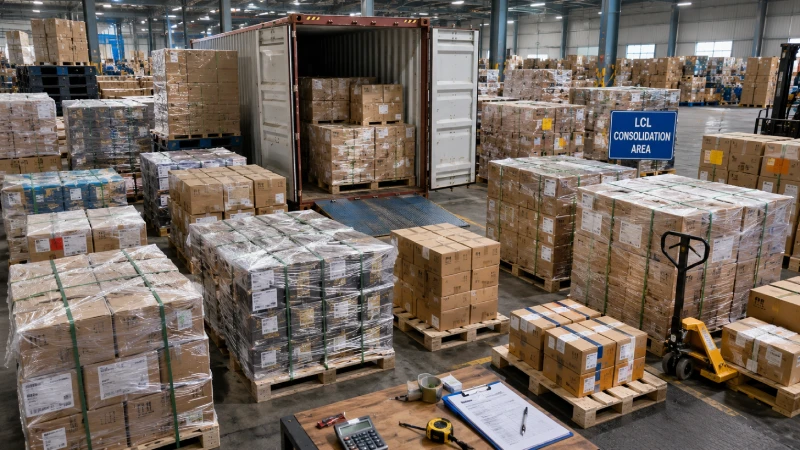
Cargo consolidation is one of the best cost-saving methods for UAE importers.
Instead of shipping multiple small orders separately, a forwarder can:
- collect products from different suppliers
- combine them into one shipment
- reduce repeated destination charges
This approach is especially useful for SMEs importing mixed product categories from China.
Work With an Experienced Shipping Agent
A reliable freight forwarder helps optimize:
- shipping route selection
- consolidation planning
- customs documentation
- warehouse coordination
- landed cost calculation
Related internal link opportunity:
- “China to UAE Shipping Agent”
- “Freight Forwarder for UAE Imports”
Conclusion: How to Choose the Most Cost-Effective Shipping Option
The best shipping method depends on your cargo volume, urgency, and total landed cost — not simply the cheapest freight quote.
For very small shipments, LCL can become expensive because fixed destination charges heavily affect unit cost. For medium-volume cargo, consolidation often delivers the best balance between flexibility and cost efficiency. Once shipment volume grows, FCL may reduce handling costs and improve operational reliability.
Experienced UAE importers focus on the entire logistics process:
- freight cost
- customs clearance
- delivery fees
- transit time
- cargo risk
- consolidation efficiency
If you are planning a shipment from China to the UAE, requesting a detailed landed cost breakdown before booking can help avoid unexpected charges later. A professional freight forwarder can also help compare:
- LCL vs FCL
- DDP vs non-DDP
- sea freight vs air freight
- consolidation opportunities for smaller cargo volumes
