
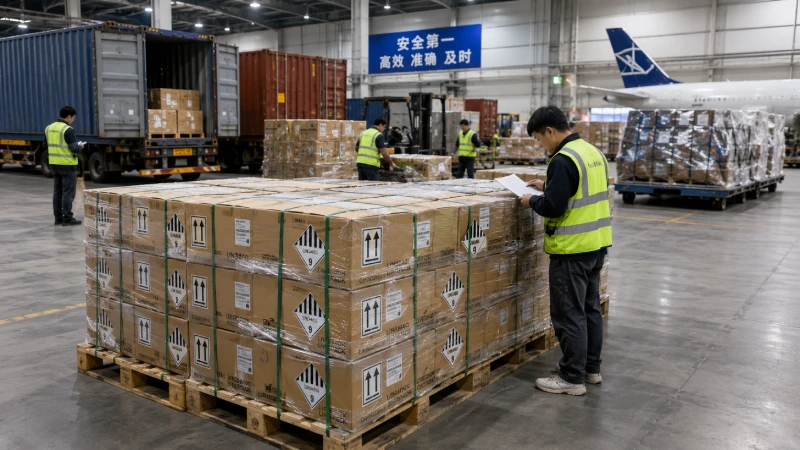
Shipping batteries from China to Saudi Arabia is very different from shipping ordinary consumer goods. Whether the cargo contains lithium-ion batteries, lithium metal batteries, solar storage systems, or batteries packed inside electronics, the shipment immediately falls into a higher-risk category that involves dangerous goods regulations, airline restrictions, strict documentation requirements, and closer customs inspections.
For Saudi importers, battery shipments often become problematic not because of transportation itself, but because of missing UN38.3 reports, incorrect HS codes, poor DG packaging, or incomplete compliance documents before the cargo even leaves China.
At the same time, Saudi Arabia’s growing demand for consumer electronics, solar energy systems, telecom backup power, and electric mobility products continues to increase battery imports from China. This creates major opportunities for importers who understand how to manage battery logistics correctly.
This guide explains the operational realities of shipping batteries from China to Saudi Arabia, including DG compliance, air cargo restrictions, Saudi customs risks, shipping methods, and cost-control strategies used by experienced importers.
Why Battery Shipments Face More Restrictions Than Ordinary Cargo
Battery cargo is classified differently from general cargo because batteries can generate heat, ignite, or create fire risks during transportation. Lithium batteries are especially sensitive because damaged or improperly packed units may trigger thermal runaway events.
The level of restriction depends heavily on the battery category:
- Lithium-ion batteries
- Lithium metal batteries
- Dry batteries
- Lead-acid batteries
- Batteries packed with equipment
- Batteries installed inside equipment
Standalone lithium batteries usually face the highest shipping restrictions. Batteries installed inside equipment are often easier to transport because the equipment itself provides additional protection and reduces movement during transit.
Saudi customs and airlines also pay close attention to battery shipments because undeclared DG cargo remains a major global logistics risk. Shipments that appear to contain electronics but actually include lithium batteries may trigger inspections, delays, or cargo rejection.
For Saudi importers sourcing from China, accurate declaration is more important than trying to reduce shipping costs through under-declaration.
The Most Important Compliance Documents Before Cargo Leaves China
Battery cargo documentation is one of the most common causes of shipment delays between China and Saudi Arabia.
The most critical document is the UN38.3 test report. This report confirms that the batteries passed vibration, impact, altitude, thermal, and short-circuit safety testing required for international transport.
Without a valid UN38.3 report, many airlines and shipping lines will refuse the cargo entirely.
Other commonly required documents include:
- MSDS (Material Safety Data Sheet)
- DG Declaration
- Battery specification sheet
- Packing certificate
- Transport condition statement
For Saudi Arabia, some battery products may also require compliance registration through SABER, especially if the batteries are sold commercially inside finished consumer products.
Importers shipping battery-powered devices to Saudi Arabia should confirm whether the product category falls under regulated SASO technical requirements before shipment departure. Waiting until the cargo arrives in Jeddah or Dammam can create expensive storage and inspection delays.
Many experienced Saudi importers now request all compliance files from Chinese suppliers before production is completed, not after the goods are packed.
Choosing the Right Shipping Method for Batteries to Saudi Arabia
The best shipping method depends on battery type, urgency, cargo value, and shipment volume.
Air freight is commonly used for:
- Consumer electronics batteries
- Mobile device batteries
- Small emergency replenishment orders
- High-value battery products
However, air cargo restrictions for batteries are much stricter than normal air freight. Some airlines completely reject standalone lithium batteries, while others only accept them on cargo aircraft.
This becomes even more restrictive during peak seasons such as Ramadan and Hajj periods, when cargo capacity into Saudi Arabia tightens significantly.
Sea freight is usually the preferred option for:
- Solar batteries
- Energy storage systems
- EV battery components
- Industrial backup batteries
- Large-volume commercial shipments
Although sea freight takes longer, it is generally more stable for DG cargo and allows importers to move heavier battery loads more economically.
For importers comparing shipping methods, it is useful to review both the air freight and sea freight solutions alongside estimated shipping time from China to Saudi Arabia before deciding on transportation strategy.
Another major difference involves whether the batteries are shipped separately or packed inside equipment. Batteries installed inside finished products often face fewer operational restrictions and lower inspection risks.
Battery Packaging Standards That Directly Affect Airline Approval and Customs Clearance
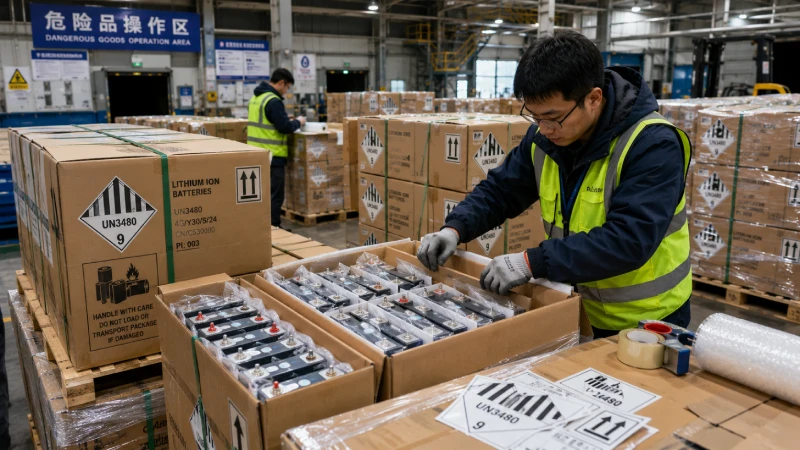
Battery packaging mistakes are one of the fastest ways to trigger shipment rejection.
Lithium batteries must be packed to prevent:
- Internal short circuits
- Terminal contact
- Excessive movement
- Impact damage
- Compression damage
UN-certified cartons are commonly required for many battery shipments. Inner packaging must isolate battery terminals and protect individual units from contact during transport.
Incorrect palletization also creates problems, especially for shipments arriving at Saudi ports where customs inspections frequently involve pallet opening and physical cargo checks.
For example, loosely stacked battery cartons may collapse during inspection handling inside Jeddah Islamic Port warehouses. Once damaged cartons appear during inspection, customs officers may escalate the review process.
Proper labeling is equally important. Missing lithium battery marks, incorrect DG labels, or undeclared watt-hour information can create delays before loading even begins.
Saudi importers working with multiple Chinese suppliers should consider using a consolidation warehouse in China where DG specialists can inspect and repack the cargo before export.
Shipping Lithium Batteries to Jeddah vs Dammam
The choice between Jeddah and Dammam significantly affects battery logistics inside Saudi Arabia.
Jeddah is commonly used for western Saudi Arabia distribution, including Riyadh transfers. However, Jeddah also experiences seasonal congestion during Ramadan and Hajj periods, which can affect customs speed and port handling times.
Battery cargo entering through Jeddah may face:
- Longer container release times
- Warehouse congestion
- Increased inspection frequency during peak periods
Dammam is often preferred for industrial cargo, solar energy equipment, and factory-related battery imports serving the Eastern Province.
For importers supplying industrial projects in Dammam, Jubail, or nearby manufacturing zones, routing cargo directly through Dammam can reduce inland trucking costs and simplify DG handling.
Saudi inland delivery also matters. Some local transport providers are reluctant to handle DG cargo without prior booking arrangements. This becomes especially important for oversized battery systems or energy storage projects.
The Real Cost Structure Behind Battery Shipping from China to Saudi Arabia
Battery shipping costs are higher than ordinary cargo for several reasons.
The shipment may involve:
- DG handling fees
- Airline dangerous goods surcharges
- Specialized packing costs
- DG warehouse inspections
- Limited carrier availability
- Higher insurance premiums
For air freight, lithium batteries are frequently charged under special DG pricing categories that exceed standard cargo rates.
For sea freight, the additional costs may include DG container declaration fees and hazardous cargo documentation processing.
One common importer mistake is focusing only on freight rates while ignoring operational charges that appear later during booking or customs clearance.
Experienced importers reduce costs by:
- Consolidating shipments
- Shipping batteries inside equipment when possible
- Using stable DG freight forwarders
- Avoiding peak season bookings
- Standardizing packaging dimensions
Importers planning larger battery procurement projects should also compare shipping cost structures under FOB, CIF, and DDP arrangements before finalizing supplier contracts.
Common Reasons Battery Shipments Get Delayed by Saudi Customs
Saudi customs inspections for batteries are stricter than many importers expect.
Common delay triggers include:
- Incorrect HS codes
- Missing UN38.3 reports
- Inconsistent product descriptions
- Missing Arabic labeling
- Undeclared lithium content
- Product value discrepancies
One frequent issue occurs when suppliers declare the shipment as “electronic accessories” while the cargo actually contains standalone lithium batteries. This mismatch often triggers inspection escalation.
Retail battery products entering Saudi Arabia may also require proper Arabic compliance labeling depending on the product category.
Random DG inspections are also common at both airports and seaports. When customs officers suspect incomplete DG declarations, they may request additional testing reports or technical specifications before releasing the shipment.
Working with a freight forwarder experienced in Saudi customs clearance for DG cargo can significantly reduce these risks.
DDP Shipping for Batteries to Saudi Arabia
DDP shipping for battery cargo is possible in some situations, but it is far more complicated than standard DDP shipments.
Many freight forwarders refuse battery DDP cargo because the importer-of-record liability becomes much higher for dangerous goods.
DDP may work for:
- Small electronics shipments
- Consumer battery products
- E-commerce replenishment cargo
- Stable repeat shipments
However, large lithium battery systems often require the Saudi importer to hold appropriate licenses and manage local compliance directly.
Saudi customs authorities may also request additional technical documents from the local consignee during clearance. This makes purely “hands-off” DDP shipping less practical for certain battery categories.
For importers unfamiliar with Saudi battery regulations, hybrid solutions sometimes work better than full DDP arrangements.
Battery Cargo Insurance and Risk Management
Battery cargo insurance deserves more attention than many importers realize.
Standard cargo insurance policies sometimes exclude battery-related incidents, especially if the cargo was improperly declared or incorrectly packed.
The main risks include:
- Fire exposure
- Water damage during sea transport
- Container contamination after thermal incidents
- Port storage delays
- Cargo rejection during inspections
Sea freight battery shipments are particularly sensitive to container heat exposure during summer operations in Middle Eastern ports.
Importers shipping high-value battery cargo should verify whether the insurance policy specifically covers dangerous goods transportation rather than assuming general cargo protection applies automatically.
How Saudi Importers Build More Stable Battery Supply Chains from China
Experienced battery importers focus less on finding the absolute cheapest freight rate and more on building stable compliance processes.
Successful strategies often include:
- Using fixed DG-approved suppliers
- Consolidating cargo through China warehouses
- Verifying documents before production finishes
- Booking cargo earlier during peak seasons
- Standardizing battery packaging formats
Importers also choose Incoterms carefully.
FOB gives importers more control over freight operations and DG handling quality. CIF may simplify supplier coordination but reduces visibility over carrier selection. DDP works best only when the freight forwarder has strong Saudi DG experience.
For companies importing batteries regularly from China, stable operational control usually matters more than saving a small amount on individual shipments.
Battery shipping between China and Saudi Arabia is highly manageable when compliance, packaging, documentation, and routing are handled correctly from the beginning. The importers who avoid delays are usually the ones who prepare for DG requirements long before the cargo reaches the port or airport.
