

Why Choosing the Right Amazon FBA Shipping Provider Matters
For Amazon sellers sourcing from China, shipping to FBA warehouses is no longer just about moving goods from point A to point B. The choice of an Amazon FBA shipping provider directly affects inventory availability, landed cost accuracy, and even account health.
Many sellers discover this only after facing issues such as unexpected fees, delayed appointments, rejected deliveries, or non-compliant labeling. These problems are rarely caused by the shipping method itself, but rather by working with a provider that lacks real experience with Amazon FBA requirements.
Unlike standard international freight, Amazon FBA shipments must meet strict guidelines covering packaging, labeling, documentation, delivery appointments, and customs responsibility. A provider unfamiliar with these details may offer attractive quotes upfront, yet expose sellers to avoidable risks once the cargo reaches the U.S.
As competition on Amazon continues to intensify in 2025, sellers need logistics partners who understand both China-side operations and U.S. FBA fulfillment rules. Choosing the right Amazon FBA shipping provider is not about finding the cheapest option—it is about selecting a partner capable of supporting stable, compliant, and scalable FBA operations.
For sellers who are new to Amazon FBA logistics, understanding the overall shipping from China to the USA workflow is an important first step.
What Is an Amazon FBA Shipping Provider?
An Amazon FBA shipping provider is a logistics company that specializes in moving goods from suppliers in China directly to Amazon fulfillment centers, while ensuring compliance with Amazon’s operational and delivery requirements. This role goes beyond standard international freight forwarding.
Many traditional freight forwarders focus primarily on transportation—booking vessels or flights, arranging customs clearance, and delivering cargo to a destination address. While these services are essential, they do not automatically cover Amazon-specific processes such as FNSKU labeling, carton and pallet compliance, delivery appointments, or coordination with Amazon’s inbound systems.
Amazon FBA shipping providers typically integrate China-side preparation services with U.S.-side fulfillment knowledge. This may include cargo consolidation from multiple suppliers, labeling and repackaging, documentation alignment, and delivery to designated Amazon warehouses under the correct shipment terms.
It is also important to distinguish Amazon FBA shipping providers from international express couriers. Express services can be suitable for small or urgent shipments, but they usually offer limited flexibility for larger volumes, palletized cargo, or cost optimization.
In practice, a true Amazon FBA shipping provider acts as an operational bridge between Chinese manufacturing and Amazon’s fulfillment network, reducing compliance risks and helping sellers maintain smoother inventory flow into the U.S. market.
Key Criteria to Evaluate the Best Amazon FBA Shipping Providers
Not all Amazon FBA shipping providers offer the same level of capability, even if their service descriptions appear similar. For sellers, the key is to evaluate providers based on operational competence rather than quoted price alone. The following criteria are essential when identifying a reliable Amazon FBA shipping partner in China.
1. Amazon FBA Compliance Knowledge
A qualified Amazon FBA shipping provider must have a clear understanding of Amazon’s inbound requirements. This includes familiarity with FNSKU labeling, carton size and weight limits, pallet standards, shipment plans, and delivery appointment procedures. Providers lacking this knowledge often cause avoidable delays, warehouse rejections, or additional handling fees at U.S. fulfillment centers.
2. China-Side Warehouse and Consolidation Capability
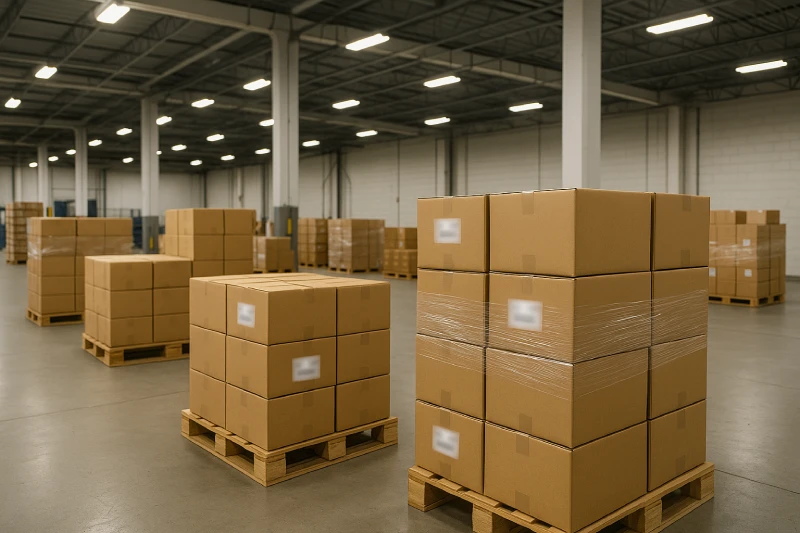
Many Amazon sellers work with multiple suppliers in China. An experienced FBA shipping provider should be able to consolidate goods from different factories, perform labeling or re-cartoning if needed, and prepare shipments according to Amazon’s specifications before export. Strong China-side operations reduce last-minute issues and help maintain shipment accuracy.
3. U.S. Amazon Warehouse Coverage and Delivery Experience
Amazon operates multiple fulfillment centers across the United States, each with its own receiving patterns and appointment requirements. A capable provider should be familiar with delivering to major FBA locations and managing last-mile coordination. This experience helps prevent missed appointments, detention charges, and delivery failures.
4. Customs Clearance and DDP Handling Ability
Customs responsibility is a critical factor for Amazon FBA shipments. Many sellers prefer Delivered Duty Paid (DDP) solutions to simplify the import process and avoid compliance risks. A reliable provider should clearly explain customs procedures, duty handling, and importer-of-record arrangements, rather than offering vague assurances.
5. Cost Transparency and Communication
While competitive pricing matters, clarity matters more. The best Amazon FBA shipping providers present transparent cost structures and communicate proactively when issues arise. Clear explanations, timely updates, and realistic expectations are strong indicators of long-term reliability.
While pricing varies by shipment profile, sellers comparing providers should first understand how overall shipping cost from China to the USA is typically structured.
Types of Amazon FBA Shipping Providers in China
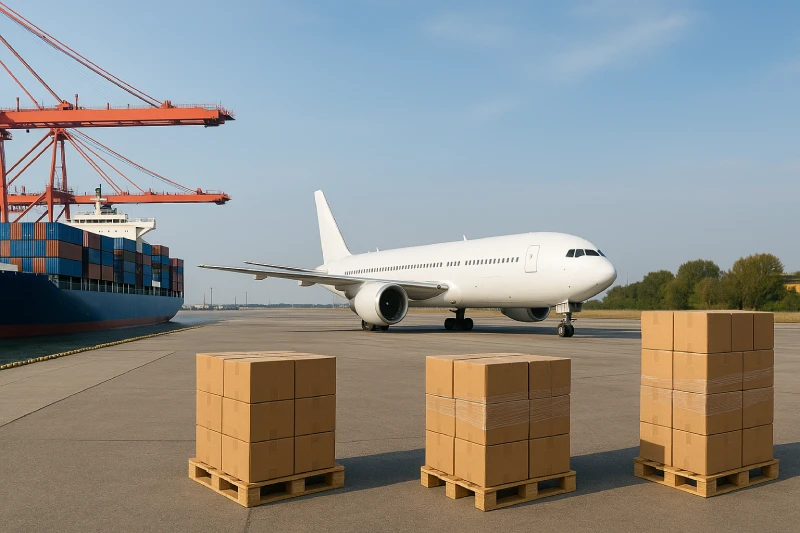
Amazon FBA shipping providers in China generally fall into several categories, each serving different seller needs and shipment profiles. Understanding these distinctions helps sellers narrow their options before requesting quotes or comparing service details.
1. Amazon-Only FBA Forwarders
Some logistics companies focus exclusively on Amazon FBA shipments. These providers are typically well-versed in Amazon’s inbound requirements and may offer standardized processes for labeling, appointment booking, and warehouse delivery. They are often suitable for sellers with consistent FBA-only workflows but may offer limited flexibility for non-Amazon shipments or complex cargo needs.
2. Full-Service China–USA Freight Forwarders
Full-service freight forwarders handle a wide range of China–USA shipments, including Amazon FBA cargo. These providers usually offer broader transportation options, stronger China-side warehousing, and more customized solutions. They are often a good fit for sellers managing multiple product lines, larger volumes, or long-term scaling plans.
3. Express and Hybrid FBA Shipping Solutions
Express couriers and hybrid solutions combine international express with localized delivery to Amazon warehouses. These options are typically used for small-volume or urgent shipments. While faster in some cases, they may involve higher per-unit costs and less flexibility for palletized or oversized cargo.
Rather than looking for a universally “best” provider, sellers benefit more from identifying the provider type that aligns with their shipment size, inventory strategy, and growth stage.
Each provider may recommend different transport options, so it helps to understand the pros and cons of the main shipping methods from China to the USA before making a decision.
Common Amazon FBA Shipping Scenarios & Best Provider Match
Amazon sellers rarely rely on a single shipping pattern. Shipment size, urgency, and inventory strategy all influence which type of Amazon FBA shipping provider is most suitable. The following scenarios reflect common FBA use cases and how sellers typically align them with the right provider type.
Small Trial or Test Shipments
For new product launches or supplier testing, sellers often ship smaller quantities to evaluate demand. In these cases, providers offering flexible consolidation, clear documentation handling, and simplified processes are generally preferred over complex, long-lead solutions.
Regular Inventory Replenishment
Sellers with stable sales cycles usually prioritize consistency and predictability. Providers with strong China-side operations and established U.S. delivery experience are better suited for recurring FBA replenishment, as they help reduce delays and maintain inventory flow.
Oversized or Heavy Cargo
Large or heavy products introduce additional complexity, including carton limits, pallet requirements, and delivery coordination. Providers experienced with handling oversized FBA shipments and managing compliance at Amazon warehouses are essential to avoid rejection or unexpected handling charges.
Peak Season or Urgent Restocking
During peak seasons or promotional periods, speed and execution reliability become critical. Some sellers turn to hybrid or expedited solutions to minimize stockout risks, while others rely on providers capable of proactive communication and contingency planning.
Matching the shipping scenario with the right provider type allows sellers to optimize reliability and control risk, rather than relying on a one-size-fits-all approach.
Delivery reliability often matters more than speed alone, but sellers should still be familiar with how long it usually takes to ship from China to the USA under different scenarios.
Red Flags When Choosing an Amazon FBA Shipping Provider
While many Amazon FBA shipping providers in China offer professional services, sellers should remain cautious of warning signs that often indicate operational risks. Identifying these red flags early can help prevent costly disruptions later in the supply chain.
One common concern is pricing that appears significantly lower than the market average without clear explanation. Extremely low quotes may exclude essential services such as labeling, customs handling, or appointment delivery, leading to unexpected charges once the shipment is in transit.
Another red flag is limited knowledge of Amazon FBA requirements. Providers who cannot clearly explain labeling rules, carton standards, or delivery procedures may struggle to manage shipments once they reach Amazon warehouses, increasing the risk of rejection or delays.
Unclear responsibility during customs clearance is also a major risk factor. Sellers should avoid providers who cannot clearly define who acts as the importer of record, how duties and taxes are handled, or what happens if customs issues arise.
Finally, poor communication can quickly turn minor issues into major problems. Delayed responses, vague updates, or a lack of proactive reporting often indicate weak operational control, especially during peak seasons or unexpected disruptions.
Choosing an Amazon FBA shipping provider with transparent processes and consistent communication is often more valuable than choosing the lowest quoted option.
How Winsail Logistics Supports Amazon FBA Shipping from China
Winsail Logistics supports Amazon FBA shipping from China by combining China-side operational control with practical experience in U.S. FBA delivery requirements. Rather than offering one-size-fits-all solutions, the focus is on aligning shipping arrangements with each seller’s inventory strategy and compliance needs.
On the China side, shipments can be consolidated from multiple suppliers and prepared according to Amazon FBA standards, including labeling, carton adjustments, and export documentation alignment. This helps reduce errors before cargo leaves China and minimizes corrective handling later in the process.
For U.S.-bound shipments, Winsail coordinates transportation and delivery with attention to Amazon warehouse requirements, including appointment-based delivery and clear customs responsibility. Communication is structured around shipment milestones, allowing sellers to track progress and address potential issues early.
By emphasizing process clarity, compliance awareness, and consistent communication, Winsail Logistics aims to support stable and scalable Amazon FBA operations rather than short-term, price-driven shipping decisions.
How to Compare Quotes from Different Amazon FBA Shipping Providers
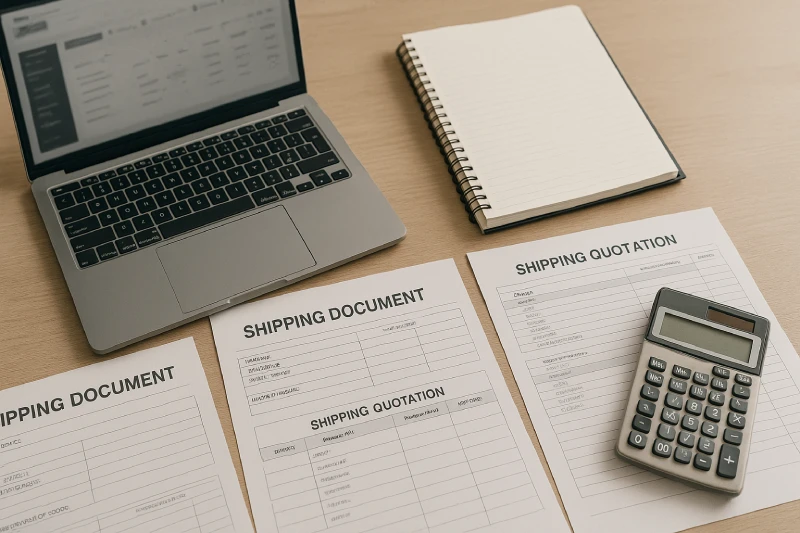
When comparing quotes from Amazon FBA shipping providers in China, focusing only on the total price can be misleading. A structured comparison helps sellers identify real differences in service scope, responsibility, and risk.
The first step is to confirm that all quotes are based on the same shipment details. This includes product type, carton count, dimensions, weight, destination Amazon warehouse, and delivery terms. Even small variations in these inputs can significantly affect quoted costs.
Next, sellers should review what services are included in each quote. Labeling, repacking, palletizing, customs clearance, duties, and appointment delivery should be clearly listed rather than implied. Quotes that lack itemized explanations often lead to unexpected charges later.
It is also important to clarify customs responsibility. Sellers should understand who acts as the importer of record, whether duties and taxes are prepaid, and how compliance issues are handled if inspections occur.
Finally, communication standards should be considered alongside pricing. Clear timelines, defined milestones, and proactive updates are indicators of operational reliability. A slightly higher quote with transparent terms and consistent communication often delivers better long-term value than the lowest initial offer.
FAQs
Do Amazon FBA shipments from China require DDP?
DDP is not mandatory, but many Amazon sellers prefer it because it simplifies customs clearance and reduces compliance risk. With DDP, duties and taxes are handled before delivery, helping avoid delays or rejected shipments at U.S. Amazon warehouses.
Can Amazon FBA shipping providers deliver directly to Amazon warehouses?
Yes. Experienced Amazon FBA shipping providers regularly arrange direct delivery to designated Amazon fulfillment centers. This includes coordinating delivery appointments and meeting Amazon’s receiving requirements.
Do Amazon FBA shipping providers handle labeling and shipment preparation?
Many providers offer labeling, carton adjustments, and pallet preparation to meet Amazon FBA standards. Sellers should confirm which preparation services are included before booking, as capabilities vary by provider.
What documents are required for Amazon FBA shipping from China?
Common documents include the commercial invoice, packing list, and shipping documents such as a bill of lading or air waybill. Additional paperwork may be required depending on the product type and import requirements.
Is it possible to ship from multiple suppliers in China to one Amazon FBA shipment?
Yes. Providers with China-side warehousing can consolidate goods from multiple suppliers into a single FBA shipment, helping sellers streamline inventory and reduce coordination complexity.
Conclusion: How to Choose the Best Amazon FBA Shipping Provider
Choosing the best Amazon FBA shipping provider in China is not about finding a single “top” company, but about selecting a partner that aligns with your shipment profile, compliance needs, and long-term business goals. Providers differ in operational focus, service depth, and risk management capability, even when their offerings appear similar at first glance.
By evaluating providers based on Amazon FBA experience, China-side preparation capabilities, customs handling clarity, and communication standards, sellers can reduce disruptions and maintain smoother inventory flow into U.S. fulfillment centers. Scenario-based matching and structured quote comparisons further help avoid costly misunderstandings.
As Amazon competition continues to evolve, a well-chosen logistics partner becomes an operational advantage rather than just a service expense. Taking the time to assess capabilities—not just prices—allows sellers to build more stable and scalable FBA operations.
