
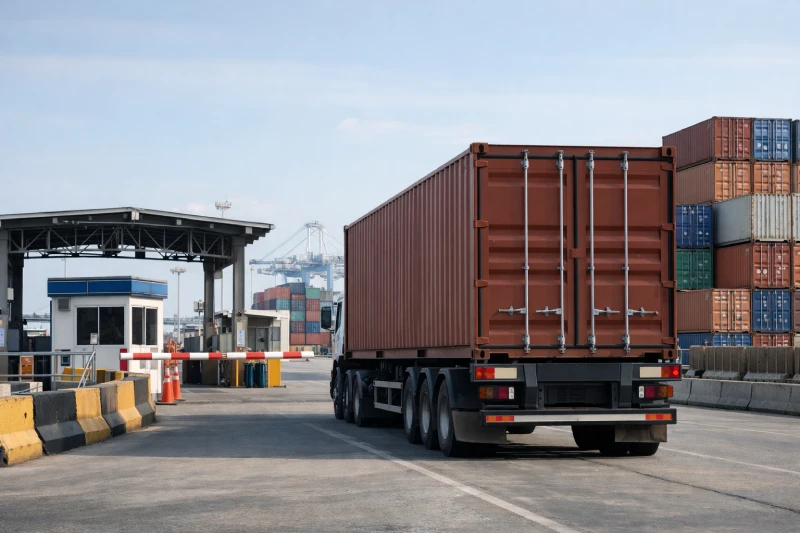
Customs clearance is one of the most critical stages when shipping goods from China to Tanzania. Regardless of whether you are importing consumer products, industrial equipment, or commercial raw materials, your shipment cannot be legally released until it has successfully passed Tanzanian customs procedures. For many international importers, this step is also where unexpected delays, additional costs, or compliance issues most commonly occur.
In Tanzania, customs clearance is not simply a document-checking exercise. It involves cargo declaration, customs valuation, duty and tax assessment, and in some cases physical inspection of the shipment. The process is influenced by multiple factors, including the accuracy of shipping documents, the declared value of goods, the HS code used, and the Incoterms applied in the transaction. Importers who are unfamiliar with local procedures often underestimate how much preparation is required before cargo arrival.
This guide is written specifically for international importers shipping from China who may not have prior experience with Tanzanian customs systems. Rather than repeating regulatory language, it explains how customs clearance works in practical business terms—what documents are required, who is responsible under different Incoterms, how long clearance typically takes, and what issues commonly cause delays.
Understanding these fundamentals in advance allows importers to choose the right shipping terms, prepare compliant documentation, and avoid unnecessary disruption to their supply chain when importing into Tanzania.
How Customs Clearance Works in Tanzania (Step-by-Step Overview)
Customs clearance in Tanzania follows a structured process that begins before the cargo arrives and ends only when the goods are officially released for delivery. Understanding this sequence helps importers anticipate requirements, prepare documents in advance, and reduce the risk of delays.
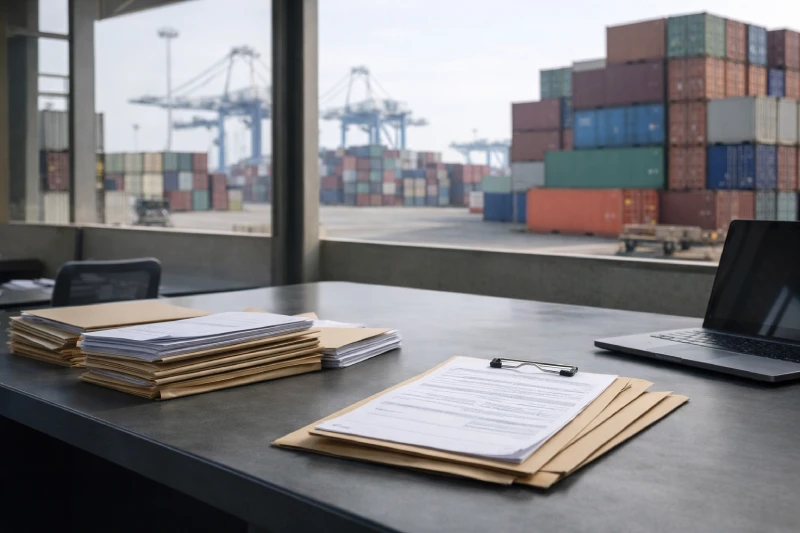
The process typically starts before arrival, when shipping documents are prepared and shared with the clearing agent or responsible party. Accurate information at this stage—such as cargo description, declared value, and HS code—plays a decisive role in how smoothly the shipment will be processed once it reaches Tanzania.
Once the cargo arrives at a Tanzanian seaport or airport, it must be formally declared to customs. This declaration is submitted through the local customs system and includes commercial invoices, packing lists, and transport documents. Customs officers then review the declaration to assess duties, taxes, and potential compliance risks.
After document review, the shipment may be assigned a risk level. Low-risk cargo with complete and consistent documentation may be cleared based on paperwork alone. Higher-risk shipments can be selected for physical inspection, where customs officers verify the goods against the declared information.
Following assessment, import duties and VAT must be paid before clearance can proceed. Once payment is confirmed and any inspections are completed, customs issues a release approval. Only after this approval can the cargo exit the port or airport and move to final delivery.
The exact timeline and complexity of this process depend on the shipping method, cargo type, and Incoterms used. For importers, early preparation and clear responsibility allocation are key to keeping customs clearance in Tanzania predictable and manageable.
Who Is Responsible for Customs Clearance?
Responsibility for customs clearance in Tanzania depends largely on the Incoterms agreed in the sales contract. Many delays and disputes arise not from customs rules themselves, but from misunderstandings about who is actually responsible for import clearance, taxes, and compliance. Below is a practical breakdown of how responsibility is typically allocated under the most common Incoterms used for shipments from China to Tanzania.
EXW (Ex Works)
Under EXW terms, the buyer assumes almost full responsibility for the shipment once the goods are made available at the seller’s premises in China. This includes export arrangements, international transport, and import customs clearance in Tanzania. The importer must appoint a clearing agent, prepare all documents, pay duties and taxes, and manage compliance locally. EXW is generally not recommended for buyers without strong logistics experience or local support in Tanzania.
FOB (Free on Board)
With FOB, the seller handles export clearance in China and delivers the goods on board the vessel. From that point onward, the buyer is responsible for freight, insurance, and customs clearance upon arrival in Tanzania. This is a common option for experienced importers who want control over shipping costs but are prepared to manage import procedures.
CIF (Cost, Insurance & Freight)
Under CIF terms, the seller arranges and pays for ocean freight and insurance to the Tanzanian port. However, customs clearance, import duties, VAT, and local delivery remain the buyer’s responsibility. Many first-time importers mistakenly assume CIF includes clearance, which often leads to unexpected costs and delays at the port.
DDP (Delivered Duty Paid)
DDP places the highest level of responsibility on the seller or appointed logistics provider. Import customs clearance, duties, taxes, and delivery are handled on behalf of the buyer. For importers without a local entity or customs experience in Tanzania, DDP offers the most simplified structure—provided all terms are clearly defined in advance.
Choosing the right Incoterm is a strategic decision that directly affects customs risk, cost visibility, and operational control when importing into Tanzania.
Required Documents for Import Customs Clearance in Tanzania
Accurate and complete documentation is the foundation of smooth customs clearance in Tanzania. Most clearance delays are not caused by the cargo itself, but by missing, inconsistent, or incorrectly prepared documents. Importers shipping from China should ensure that all paperwork is finalized and reviewed before the shipment arrives, as corrections made after arrival often lead to longer clearance times and additional costs.
The Commercial Invoice is the primary document used by customs to assess the value of imported goods. It must clearly state the seller and buyer details, product description, quantity, unit price, total value, currency, and agreed Incoterms. Any mismatch between the invoice and other documents can trigger valuation questions or inspections.
The Packing List provides a detailed breakdown of how the cargo is packed. It typically includes the number of cartons or pallets, net and gross weight, dimensions, and packaging type. Customs officers use this document to verify shipment consistency and to guide physical inspections when required.
The Bill of Lading (for sea freight) or Air Waybill (for air freight) serves as proof of transport and cargo ownership. It must match the commercial invoice and packing list in terms of consignee information, cargo description, and shipment details.
Depending on the product type, additional documents may be required. These can include a Certificate of Origin, import permits, or product-specific approvals for regulated goods. Importers should confirm in advance whether their cargo falls under any restricted or controlled categories.
Ensuring document accuracy and consistency across all paperwork significantly reduces the risk of clearance delays and disputes with Tanzanian customs authorities.
Import Duties, VAT, and Taxes in Tanzania (What Importers Should Expect)
Importing goods into Tanzania involves more than just transportation costs. Once cargo reaches the port or airport, customs authorities assess import duties, Value Added Tax (VAT), and other applicable charges before the shipment can be released. Understanding how these costs are calculated helps importers avoid surprises and plan their total landed cost more accurately.
Import duties in Tanzania are primarily determined by the HS code classification of the goods. Each product category has its own duty rate, which can vary significantly depending on the nature of the cargo. An incorrect HS code—whether due to misclassification or incomplete product descriptions—can lead to reassessment, delays, or penalties during clearance.
In addition to import duty, VAT is typically applied to most imported goods. VAT is usually calculated based on the customs value of the cargo, which includes the declared value of the goods plus certain shipping-related costs. This means that undervaluation or unclear pricing structures often attract closer scrutiny from customs.
Other charges may apply in specific situations, such as port handling fees, customs processing fees, or charges related to inspections and storage if clearance is delayed. These costs are not always obvious to first-time importers but can materially affect the final cost of importing.
Under DDP shipping arrangements, import duties and VAT are generally calculated and paid in advance by the seller or logistics provider, offering clearer cost visibility. Under non-DDP terms, importers should be prepared to settle these charges locally before customs clearance can be completed.
Typical Customs Clearance Time in Tanzania
The time required to complete customs clearance in Tanzania can vary depending on several operational and compliance-related factors. While some shipments are cleared quickly, others may experience delays due to documentation issues or inspection requirements. For importers shipping from China, understanding realistic clearance timeframes is essential for inventory planning and delivery scheduling.
Under normal conditions, customs clearance may take a few working days once all required documents have been correctly submitted and duties and taxes have been paid. Shipments with complete, consistent paperwork and accurate declarations are more likely to move through the process without interruption.
However, clearance time can extend when cargo is selected for physical inspection or when customs authorities raise questions regarding valuation, HS code classification, or product compliance. Inspections add additional handling steps and may require the presence of a clearing agent, which can prolong the release process.
The shipping method also affects clearance timing. Air freight shipments are generally processed faster due to smaller volumes and higher handling priority, while sea freight cargo may take longer, especially during periods of port congestion. Public holidays, system outages, and high import volumes can further impact timelines.
To minimize delays, importers should ensure that documents are finalized before arrival, duties are promptly paid, and all cargo details are clearly declared. Proactive preparation remains the most effective way to keep customs clearance in Tanzania within predictable timeframes.
Common Customs Clearance Issues and Delays in Tanzania
Customs clearance delays in Tanzania are often avoidable, yet they remain one of the most frequent challenges faced by importers shipping from China. In most cases, problems arise not from regulatory changes, but from practical execution errors during documentation, declaration, or compliance preparation.
One of the most common issues is inconsistent or inaccurate documentation. Discrepancies between the commercial invoice, packing list, and transport documents can trigger additional review or requests for clarification. Even small differences in product descriptions, quantities, or values may lead customs officers to question the declaration.
Incorrect HS code classification is another frequent cause of delay. Using an HS code that does not accurately reflect the product can result in reassessment of duties and taxes, additional inspections, or penalties. Customs authorities may hold the cargo until the classification issue is resolved.
Customs valuation disputes also contribute to clearance delays. When the declared value appears unusually low or unsupported by clear documentation, customs may request further evidence or apply their own valuation benchmarks. This process can significantly extend clearance time.
Certain shipments are delayed due to missing permits or approvals, particularly for regulated goods such as electronics, chemicals, food products, or medical items. Importers unfamiliar with Tanzanian requirements may only discover these obligations after the cargo arrives.
Finally, cargo may be delayed simply because it is selected for random or risk-based physical inspection. While inspections are a normal part of customs control, their impact can be reduced through accurate declarations and advance preparation. Anticipating these common issues allows importers to reduce risk and improve clearance efficiency.
Customs Clearance Under DDP Shipping (What Importers Should Know)
Customs clearance under DDP (Delivered Duty Paid) shipping operates differently from traditional shipping terms and is often chosen by importers who want maximum simplicity when importing from China to Tanzania. Under DDP, the responsibility for import customs clearance, duty payment, and tax settlement is handled on behalf of the importer by the seller or the appointed logistics provider.
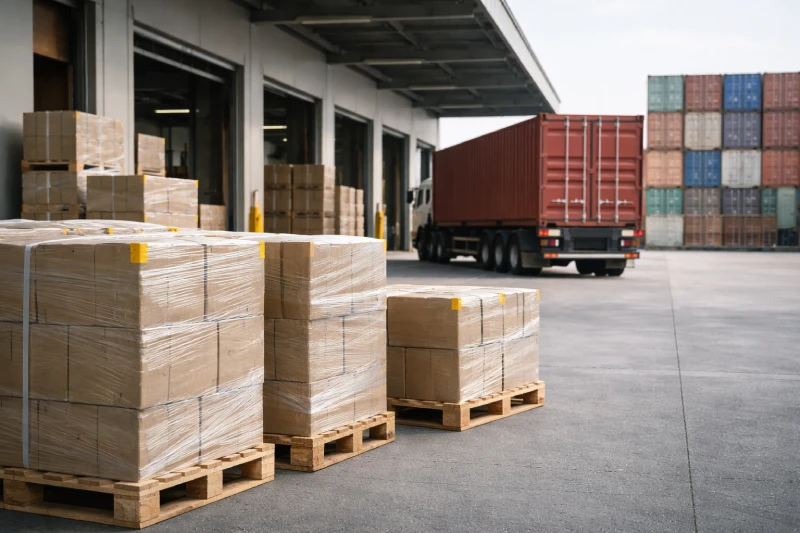
In practical terms, this means that the importer is not required to engage directly with Tanzanian customs authorities or appoint a local clearing agent. The shipment is declared, assessed, and cleared using the exporter’s or forwarder’s local customs setup. Duties, VAT, and clearance-related charges are calculated in advance and included as part of the overall DDP cost structure.
However, DDP does not eliminate the need for accurate cargo information. Importers are still responsible for providing correct product descriptions, declared values, and usage details. Inaccurate or incomplete information can lead to customs queries that delay clearance, even under a DDP arrangement.
Another important consideration is scope clarity. Importers should clearly confirm what is included in the DDP service—such as port handling, customs clearance, taxes, and final delivery location—to avoid misunderstandings after arrival. Not all DDP offers are structured identically.
For first-time importers, overseas buyers without a Tanzanian entity, or companies seeking predictable landed costs, DDP customs clearance offers a streamlined and lower-risk approach—provided the responsibilities and inclusions are clearly defined before shipment.
Who Should Handle Customs Clearance? (Quick Decision Guide)
Deciding who should handle customs clearance in Tanzania depends on the importer’s experience, local presence, and tolerance for operational risk. There is no single best option for every shipment, but a clear decision framework can help importers choose the most suitable approach.
Importers with established experience in international trade, access to reliable local clearing agents, and familiarity with Tanzanian customs procedures often prefer to manage clearance themselves under FOB or CIF terms. This approach provides greater visibility into duty calculations and local charges, but also requires active involvement and timely decision-making.
Companies that do not have a local entity in Tanzania or lack in-house customs expertise may find self-managed clearance challenging. In these cases, delays often occur due to unfamiliarity with documentation standards or local compliance requirements.
For first-time importers, overseas buyers, or businesses prioritizing predictability, delegating customs clearance through a DDP arrangement can reduce administrative burden and risk. Clearance, duties, and taxes are handled centrally, allowing the importer to focus on inventory planning and distribution rather than regulatory coordination.
High-value, regulated, or time-sensitive cargo may also benefit from professional clearance management to minimize exposure to inspections and valuation disputes. Ultimately, the right choice balances cost control, operational capacity, and risk tolerance when importing into Tanzania.
FAQs
How long does customs clearance take in Tanzania?
Under normal conditions, customs clearance in Tanzania typically takes a few working days after cargo arrival, provided all documents are complete and duties and taxes are paid promptly. Delays may occur if the shipment is selected for inspection, documents are inconsistent, or valuation questions arise.
Can foreign companies clear customs in Tanzania without a local entity?
In most cases, foreign companies cannot directly clear customs on their own. Customs clearance is usually handled through a licensed local clearing agent or under arrangements such as DDP, where clearance is managed on behalf of the importer using a local setup.
What documents are required for Tanzania customs clearance?
At a minimum, customs clearance requires a commercial invoice, packing list, and bill of lading or air waybill. Depending on the product type, additional documents such as certificates of origin, import permits, or regulatory approvals may also be required.
Is customs clearance included under DDP shipping from China to Tanzania?
Yes. Under DDP terms, import customs clearance, duties, and VAT are generally included and handled by the seller or logistics provider. However, importers should always confirm the exact scope of what the DDP service covers before shipping.
Why is my shipment held by customs in Tanzania?
Common reasons include incorrect documentation, HS code disputes, undervaluation concerns, missing permits, or selection for physical inspection. Most holds can be resolved through clarification or document correction, but they often result in additional time and cost.
Final Notes: Preparing for Smooth Customs Clearance in Tanzania
Successful customs clearance in Tanzania depends far more on preparation and clarity than on navigating complex regulations after cargo arrival. Importers who understand how the clearance process works, who is responsible under different Incoterms, and what documents and taxes are involved are significantly less likely to encounter delays or unexpected costs.
For shipments from China, early coordination between the exporter, logistics provider, and the party responsible for customs clearance is essential. Clear product descriptions, accurate values, and consistent documentation help customs authorities process declarations efficiently and reduce the likelihood of inspections or disputes.
Whether customs clearance is handled directly by the importer or delegated under a DDP arrangement, informed decision-making remains the key factor. By planning clearance responsibilities in advance and aligning them with operational capabilities, importers can keep their China–Tanzania supply chains predictable, compliant, and commercially efficient.
