
Introduction
Cameroon has become an increasingly important destination for imports from China, especially for electronics, machinery, consumer goods, and construction materials. For many businesses, however, importing into Cameroon can be challenging due to customs procedures, documentation requirements, and the complexity of calculating duties and taxes. These factors often make international shipping difficult to manage for companies without local logistics experience.
This is why many importers prefer DDP (Delivered Duty Paid) shipping from China to Cameroon. Under a DDP arrangement, the freight forwarder handles the entire logistics chain—from pickup at the Chinese supplier, export clearance, international transport, and Cameroon customs clearance, to paying import duties and delivering the cargo to the final destination. For businesses looking for a simplified door-to-door solution, DDP shipping can significantly reduce administrative work and unexpected delays.
If you are planning shipping from China to Cameroon, understanding how DDP works, what costs are included, and how long delivery may take will help you choose the most suitable logistics solution for your shipment.
What Does DDP Shipping Mean for Shipments to Cameroon?
The Core Meaning of Delivered Duty Paid
DDP (Delivered Duty Paid) is an Incoterms rule where the seller, or the freight forwarder acting on the seller’s behalf, takes responsibility for almost the entire shipping process. When shipping from China to Cameroon under DDP terms, the logistics provider manages cargo pickup in China, export customs clearance, international transportation, destination customs clearance, payment of import duties and taxes, and final delivery to the importer’s address.
For the importer, this means the shipment arrives as a door-to-door logistics service, with most operational steps handled by the forwarder. Instead of coordinating multiple service providers or dealing directly with port authorities and customs procedures, the buyer receives the cargo with the majority of logistics responsibilities already completed.
How DDP Works in the Cameroon Import Environment
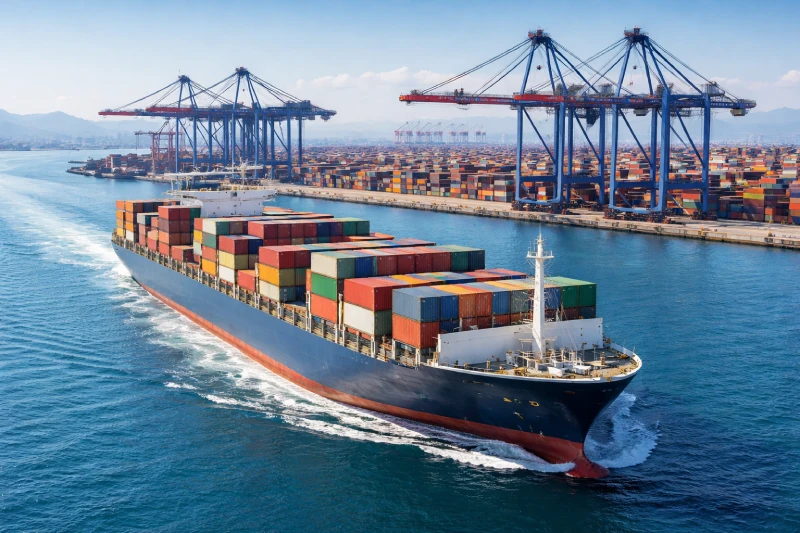
In practice, DDP shipping is particularly useful when importing goods into Cameroon because local import procedures can involve multiple administrative steps. Cargo arriving at the Port of Douala, which handles the majority of Cameroon’s international freight, typically requires documentation review, customs valuation, duty calculation, and release authorization before goods can leave the port.
Under a DDP arrangement, these processes are coordinated by the freight forwarder or their local partner. Import duties, taxes, and port handling charges are included in the logistics service, allowing the importer to receive the cargo without directly managing customs payments or clearance formalities.
Why Many Businesses Prefer DDP Shipping from China to Cameroon
Simplified Import Management
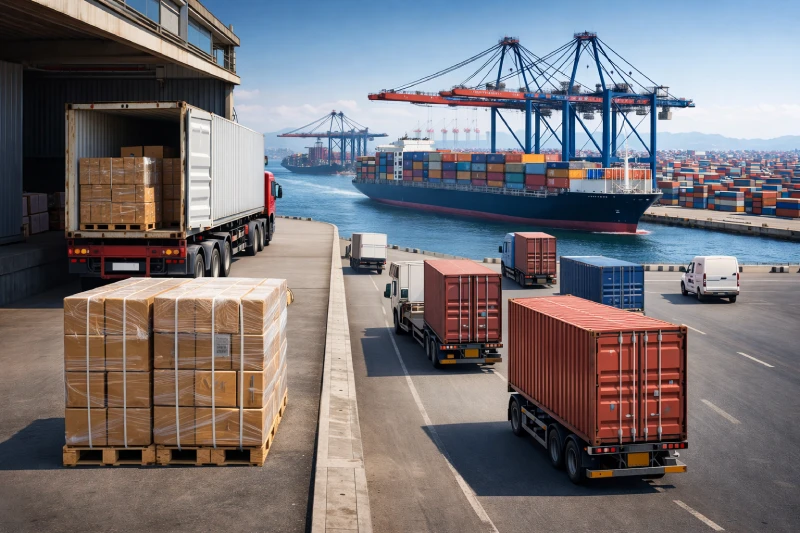
For many companies, the main advantage of DDP shipping is the simplicity it brings to the import process. Instead of coordinating export procedures in China, international freight, customs clearance in Cameroon, and inland delivery separately, all of these steps are handled within a single logistics arrangement.
This can be particularly helpful for businesses that do not have a dedicated logistics team or experience dealing with customs procedures. By relying on a freight forwarder that manages the full door-to-door process, importers can focus more on purchasing, sales, and distribution rather than managing operational shipping details.
Better Control of Total Landed Cost
Another reason businesses prefer DDP shipping is the ability to understand the total landed cost of a shipment in advance. Instead of paying multiple separate invoices for freight, customs clearance, duties, taxes, and delivery, a DDP quotation typically combines these elements into a single logistics price.
For companies planning regular imports, this makes budgeting easier and reduces uncertainty around destination charges. Importers who want a clearer overview of typical logistics pricing can also review the general shipping cost from China to Cameroon to better understand how freight rates and destination expenses affect the final landed cost.
Ideal for Small and Medium Importers
DDP shipping is commonly used by small and medium-sized importers who want a straightforward logistics solution without managing complex import procedures themselves. This includes distributors sourcing products from Chinese manufacturers, retailers importing inventory, and companies purchasing equipment or spare parts for local operations.
For these businesses, the value of DDP shipping lies not only in transportation but also in reducing administrative complexity and minimizing the risk of unexpected logistics issues during the import process.
How DDP Shipping from China to Cameroon Works (Step-by-Step)
1. Cargo Pickup from the Chinese Supplier
The process usually begins with cargo pickup at the supplier’s factory or warehouse in China. The freight forwarder arranges local transportation to move the goods from the manufacturer to a consolidation warehouse or directly to the export port or airport. At this stage, shipment details such as cargo dimensions, weight, and packaging are verified to ensure the transport plan is suitable.
2. Export Customs Clearance in China
Before the shipment can leave China, export customs clearance must be completed. This involves preparing the necessary export documents, submitting customs declarations, and confirming that the cargo complies with export regulations. Once export clearance is approved, the shipment is released for international transportation.
3. International Transport to Cameroon
After export clearance, the cargo is transported from China to Cameroon using either sea freight or air freight. Sea freight is typically used for larger shipments or cost-sensitive cargo, while air freight may be preferred for urgent deliveries or high-value goods. Importers can compare different shipping methods from China to Cameroon to determine which option best suits their cargo and timeline.
4. Cameroon Customs Clearance
When the shipment arrives in Cameroon, usually through the Port of Douala or a major airport, the customs clearance process begins. Customs authorities review shipping documents, determine the applicable duties and taxes, and verify the cargo classification. Under a DDP arrangement, the freight forwarder or their local partner handles these procedures and settles the required import charges.
5. Final Delivery to the Importer
Once customs clearance is completed, the cargo is released for local transportation within Cameroon. The shipment is then delivered to the importer’s warehouse, retail location, or business address. Depending on the destination city and inland transport conditions, this final delivery stage may take several additional days after customs release.
DDP Shipping Cost from China to Cameroon
Understanding the cost structure of DDP shipping helps importers evaluate quotations and plan their logistics budget more accurately. Although DDP is typically quoted as a single door-to-door price, that price is made up of several underlying components covering transportation, customs procedures, and destination handling in Cameroon.
International Freight Cost
International freight usually represents one of the largest portions of the total DDP price. This cost depends on factors such as cargo weight, shipment volume, and the transport mode selected. Sea freight is generally used for larger shipments where cost efficiency is important, while air freight may be chosen for smaller or time-sensitive cargo.
Freight rates can also vary depending on the departure port in China, seasonal demand, and global shipping market conditions.
Export Handling in China
Before the cargo leaves China, several operational steps must be completed. These typically include cargo handling at the origin warehouse, export documentation preparation, and customs declaration procedures. These services are usually included within a DDP quotation so the exporter or importer does not need to arrange them separately.
Import Duties and Taxes in Cameroon
A key component of DDP shipping is the inclusion of import duties and taxes required by Cameroon customs authorities. These charges are normally calculated based on the declared value of the goods, their HS classification, and applicable national tax rules. Under a DDP arrangement, the freight forwarder pays these charges during the customs clearance process.
Customs Clearance and Local Delivery
After duties and taxes are settled, the shipment must still pass through customs brokerage procedures and port handling before it can leave the terminal. Local transportation from the port or airport to the importer’s address is also part of the overall logistics service.
How Long Does DDP Shipping from China to Cameroon Take?
Delivery time under a DDP arrangement depends on the transport mode, customs processing efficiency, and the final delivery location within Cameroon. Because DDP shipping includes multiple stages—from export handling in China to customs clearance and inland delivery—the total timeline is usually measured as door-to-door transit time, rather than just the international transport portion.
Typical Sea Freight Transit Time
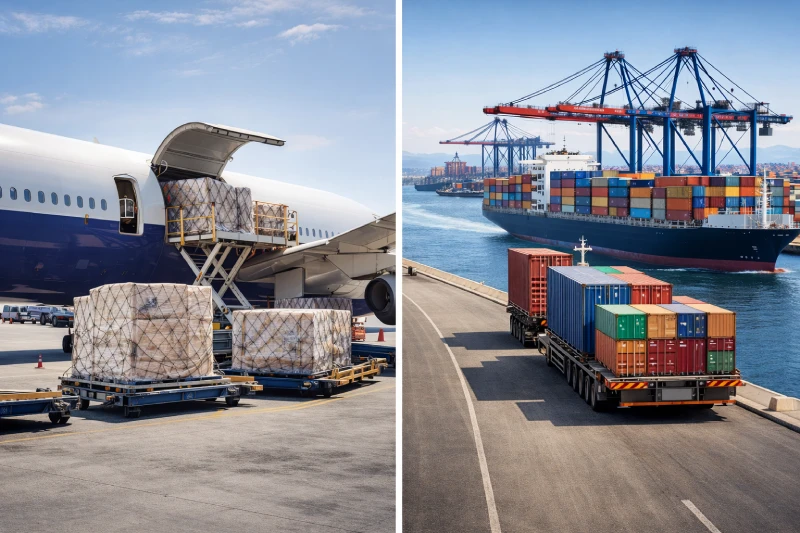
Sea freight is the most common option for larger shipments or cargo where cost efficiency is important. For shipments moving through major Chinese ports to the Port of Douala, the typical DDP sea freight transit time usually ranges between 35 and 50 days door-to-door. This estimate includes export procedures in China, ocean transport, customs clearance in Cameroon, and final delivery.
Actual timelines may vary depending on shipping schedules, port congestion, and how quickly customs documentation is processed after arrival.
Typical Air Freight Transit Time
For urgent shipments, air freight can significantly reduce the delivery timeline. When using air transport with DDP service, shipments from China to Cameroon typically arrive within 7 to 12 days door-to-door, depending on flight availability and customs processing speed.
Air freight is often used for high-value goods, spare parts, electronics, or time-sensitive commercial cargo.
Factors That Can Affect Delivery Time
Several operational factors may influence the final delivery timeline:
- congestion at the Port of Douala
- customs inspections or document verification
- incomplete or inaccurate shipping documentation
- inland transportation distance within Cameroon
Importers who want a broader overview of typical delivery timelines can also review how long shipping from China to Cameroon takes, which explains how different transport options affect transit time.
DDP vs DAP vs CIF for Shipping to Cameroon
When importing goods from China to Cameroon, businesses often encounter several Incoterms options, including DDP, DAP, and CIF. Although these terms all relate to international shipping responsibilities, they differ significantly in how costs, risks, and customs procedures are handled at the destination.
DDP vs DAP
The main difference between DDP (Delivered Duty Paid) and DAP (Delivered at Place) is who is responsible for import duties and taxes. Under DDP terms, the freight forwarder or seller manages customs clearance in Cameroon and pays the applicable duties and taxes before delivering the cargo to the importer.
With DAP shipping, the cargo is delivered to the destination location, but the importer must handle customs clearance and pay import duties and taxes directly. This means the buyer needs to coordinate with customs authorities or a local broker before the shipment can be released.
DDP vs CIF
CIF (Cost, Insurance, and Freight) is another commonly used Incoterm in international trade. Under CIF terms, the seller arranges and pays for ocean freight and basic cargo insurance to the destination port. However, once the cargo arrives at the port in Cameroon, the importer becomes responsible for customs clearance, taxes, and inland transportation.
In practice, this means CIF only covers the international transport portion of the shipment, while the destination logistics still need to be arranged separately.
Which Option Is More Practical for Cameroon Imports
For many importers in Cameroon, DDP shipping can be the most practical option, especially when the importer prefers a simplified logistics process. Because the forwarder manages customs procedures and tax payments, the buyer does not need to navigate local clearance requirements independently.
Understanding Cameroon Customs and Import Taxes
Importing goods into Cameroon involves several customs procedures that determine whether a shipment can be released from the port and delivered to the importer. Even under a DDP shipping arrangement, understanding how customs and taxes work can help businesses better evaluate quotations and avoid potential delays during the clearance process.
How Import Duties Are Calculated
In Cameroon, import duties are generally calculated based on the customs value of the goods, which usually includes the product value, freight cost, and sometimes insurance. Customs authorities also use the HS classification of the goods to determine which duty category applies.
Different products may fall under different duty structures, and the final tax amount may depend on how the cargo is declared and categorized during customs processing.
Key Documents Required for Import Clearance
To complete customs clearance, several documents are typically required. These commonly include the commercial invoice, packing list, and bill of lading or airway bill. These documents allow customs authorities to verify the shipment details, confirm the declared cargo value, and calculate applicable duties and taxes.
Accurate and consistent documentation is essential for ensuring that the clearance process proceeds smoothly.
Why Documentation Accuracy Matters
If shipment documents contain inconsistencies—such as incorrect product descriptions, HS codes, or cargo values—customs authorities may request additional verification or conduct a cargo inspection. This can delay the release of the shipment and extend the overall delivery timeline.
For this reason, experienced freight forwarders usually review shipping documents carefully before the cargo arrives in Cameroon to reduce the risk of clearance complications.
Common Risks in DDP Shipping to Cameroon
Although DDP shipping can simplify the import process, it is still important for businesses to understand potential risks associated with this logistics model. Many of these issues arise when the shipping arrangement lacks transparency or when the freight provider does not have sufficient experience handling shipments into Cameroon.
Unrealistically Cheap DDP Quotes
One of the most common problems is receiving a DDP quotation that appears significantly cheaper than other offers. In some cases, the quoted price may not fully include destination charges such as customs duties, port handling fees, or inland delivery costs. When these charges are not clearly defined in advance, the importer may face additional payments after the shipment arrives.
For this reason, businesses should ensure that a DDP quotation clearly specifies what services and charges are included.
Inexperienced Freight Forwarders
Not all logistics providers have strong operational experience in the Cameroon trade lane. Forwarders unfamiliar with local customs procedures or port operations may struggle with documentation preparation, duty calculations, or coordination with local partners. This can result in customs delays or unexpected complications during the clearance process.
Incorrect Cargo Declarations
Accurate cargo declarations are essential for smooth customs clearance. If product descriptions, HS codes, or declared values are incorrect, customs authorities may request additional verification or conduct an inspection. Such situations can delay the release of goods and extend the overall delivery timeline.
Working with a logistics provider that carefully reviews shipment documentation can significantly reduce these risks.
Why Work with an Experienced DDP Freight Forwarder
Choosing a reliable freight forwarder is an important factor when arranging DDP shipping from China to Cameroon. Because DDP shipments involve multiple operational stages—export procedures, international transport, customs clearance, and final delivery—successful execution often depends on the forwarder’s experience managing the entire logistics chain.
Experience with Cameroon Customs and Port Procedures
An experienced forwarder will understand how customs clearance typically works in Cameroon, including documentation review, duty calculation, and port handling procedures. Familiarity with operations at the Port of Douala and coordination with local customs partners can help shipments move through clearance more efficiently and reduce the risk of unnecessary delays.
Transparent and Realistic Pricing
Professional freight forwarders usually provide clear quotations that explain what services are included in the DDP price. Transparent pricing helps importers understand whether duties, taxes, customs clearance, and inland delivery are already covered, which makes it easier to plan logistics costs without unexpected charges later.
Reliable Export Handling and Local Delivery
DDP shipping requires coordination on both the origin and destination sides of the logistics chain. A capable forwarder manages export procedures in China while also maintaining reliable local delivery arrangements in Cameroon. This coordination helps ensure that shipments move smoothly from the supplier’s location to the importer’s warehouse.
Requesting a DDP Shipping Quote from China to Cameroon
Before arranging DDP shipping, freight forwarders usually need several shipment details in order to provide an accurate quotation. Because DDP includes transportation, customs clearance, duties, taxes, and local delivery, the price depends on specific cargo information rather than a fixed rate.
Common details required for a quotation include the type of goods being shipped, the total weight and volume of the cargo, the packaging method, and the delivery destination within Cameroon. Information such as the HS code or product description may also be requested so the forwarder can estimate import duties and ensure the shipment complies with customs requirements.
Providing accurate shipment details at the beginning helps the logistics provider calculate realistic costs and plan the most suitable transport solution. For businesses preparing to import goods from China to Cameroon, requesting a DDP quotation is often the easiest way to understand the expected delivery timeline, total logistics cost, and available shipping options.
