
Introduction
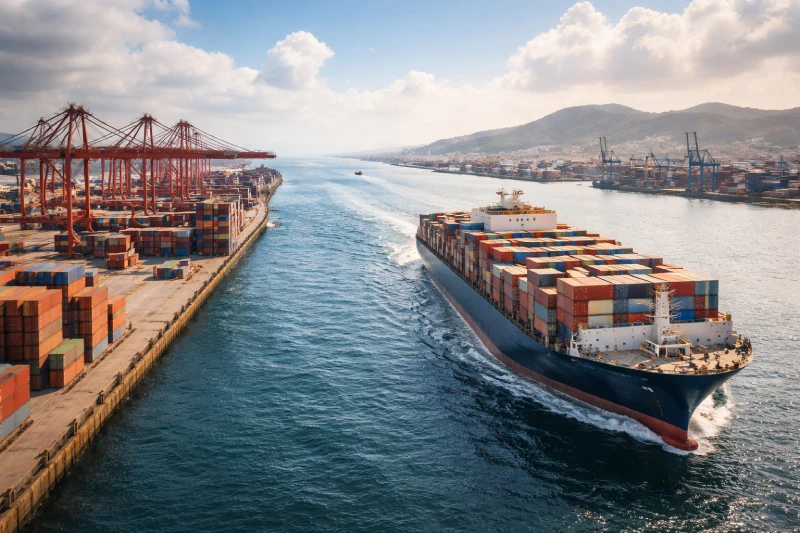
Importing goods from China to Ghana can be profitable, but the logistics process is not always straightforward. Many importers face challenges related to customs clearance, import duties, documentation requirements, and local delivery arrangements. For businesses that do not have a dedicated logistics team or customs broker in Ghana, managing these steps independently can create delays and unexpected costs.
DDP (Delivered Duty Paid) shipping offers a simplified solution. Under this arrangement, the freight forwarder manages the entire shipping process—from cargo pickup at the supplier in China to customs clearance and final delivery in Ghana. Import duties, taxes, and local handling procedures are coordinated as part of the overall logistics service, allowing the importer to receive goods without navigating Ghana’s import procedures alone.
For many Ghanaian businesses, especially small and medium-sized importers, DDP shipping provides better cost visibility and operational convenience. Instead of coordinating multiple logistics providers and government procedures, the shipment is handled as a door-to-door process with a single logistics partner.
This guide explains how DDP shipping from China to Ghana works in practice, including the shipping process, typical cost structure, customs considerations, and situations where DDP may be the most practical option for importers.
What Does DDP Shipping from China to Ghana Actually Mean?
DDP (Delivered Duty Paid) is often described as “door-to-door with duties paid,” but the key point for Ghana-bound cargo is who controls customs clearance and who carries the risk of import charges and delays.
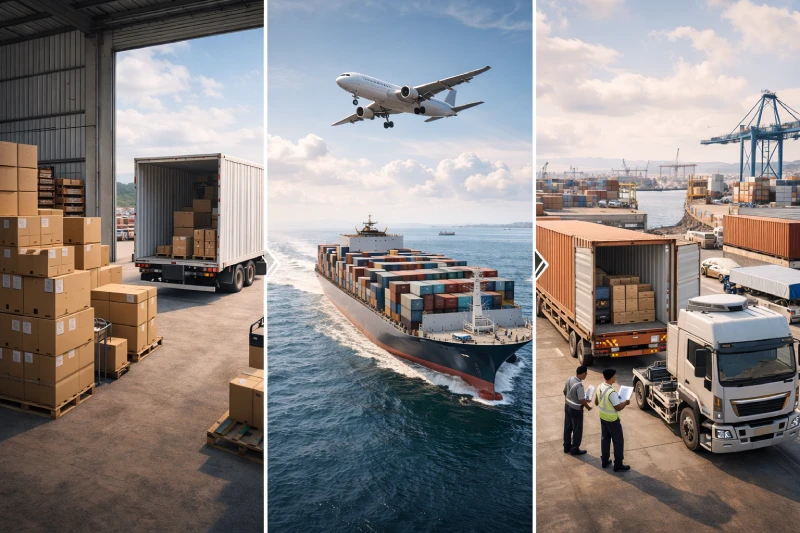
In a practical China → Ghana DDP shipment, the logistics provider typically coordinates: factory pickup in China, export clearance, international freight (sea to Tema or air to Accra), Ghana customs clearance via a local agent/broker, payment of import duties and taxes on the importer’s behalf, and final delivery to the consignee’s address. For the importer, DDP is meant to feel like a single, end-to-end delivery rather than a port/airport handover that requires separate clearance and last-mile arrangements.
DDP tends to be the most practical option when the importer:
- doesn’t have a reliable customs broker in Ghana yet,
- wants landed cost visibility for pricing and cash-flow planning,
- is shipping commercial inventory for resale, e-commerce fulfillment, or time-sensitive replenishment,
- prefers one accountable party for coordination across freight, clearance, and delivery.
Important note: “DDP” in the market can be used loosely. A credible DDP quote should clearly state what is included (duties/taxes, clearance, delivery) and what situations may trigger exceptions (e.g., inspections, special permits, restricted goods).
Why Many Importers Choose DDP Shipping from China to Ghana
For businesses importing goods from China, logistics management can quickly become complex. Coordinating international freight, customs clearance, import duties, and local delivery often requires working with multiple service providers. For many Ghanaian importers, DDP shipping simplifies this process by allowing a single logistics partner to handle the entire shipment from origin to final delivery.
One of the main reasons importers choose DDP is operational simplicity. Instead of arranging a customs broker, calculating import duties, and coordinating port clearance independently, the freight forwarder manages these steps as part of the overall logistics service. This is especially helpful for companies that import goods periodically but do not maintain a full-time logistics team.
Another advantage is better visibility of the landed cost. Because the DDP quotation typically includes transportation, customs clearance, import duties, and final delivery, importers can estimate the total cost of bringing goods into Ghana more accurately. For businesses selling imported products locally, this makes it easier to plan pricing and inventory decisions.
Importers who want to better understand the broader pricing structure of international freight can also review typical shipping cost from China to Ghana, where freight methods, cargo volume, and other cost factors are explained in more detail.
DDP shipping is also commonly used by trading companies, e-commerce sellers, and distributors importing finished products. In these situations, the priority is often reliable delivery rather than managing every step of the logistics chain.
DDP Shipping Process from China to Ghana (Step-by-Step)
Understanding the full logistics flow helps importers see how DDP shipping simplifies international trade. Although the shipment is handled by the freight forwarder, the process still involves several coordinated stages from China to Ghana.
Step 1 — Cargo Pickup from the Supplier in China
The process usually begins with cargo collection from the supplier’s factory or warehouse in China. If the importer is purchasing from multiple suppliers, the freight forwarder may arrange consolidation at a warehouse before export. This helps reduce transportation costs and allows different shipments to be combined into one export shipment.
Step 2 — Export Customs Clearance in China
Before the goods can leave China, export customs clearance must be completed. The forwarder prepares the export declaration and submits the required documents, such as the commercial invoice and packing list. Once customs clearance is approved, the cargo can proceed to the international shipping stage.
Step 3 — International Freight Transport
The shipment is then transported from China to Ghana by either sea freight or air freight. Most commercial cargo is shipped by sea to Tema Port, which is the country’s main container port. Air freight shipments typically arrive at Kotoka International Airport in Accra. Importers choosing between these options can review different shipping methods from China to Ghana depending on cargo urgency, budget, and shipment size.
Step 4 — Customs Clearance in Ghana
After the cargo arrives in Ghana, it must pass through the import customs clearance process. Under DDP shipping, the freight forwarder works with a local agent or customs broker to submit the import declaration, arrange duty and tax payment, and coordinate any inspections required by customs authorities.
Step 5 — Final Delivery to the Consignee
Once customs clearance is completed and the cargo is released, the shipment is transported to the consignee’s address. Delivery may be arranged to a warehouse, retail location, or business facility depending on the importer’s requirements.
DDP Shipping Cost from China to Ghana: What Is Included?
One of the main questions importers ask before choosing DDP shipping is how the pricing structure works. Unlike standard freight quotes that only cover transportation, a DDP quotation usually combines several logistics and import-related costs into one overall price.
In most cases, a DDP shipment from China to Ghana includes origin handling in China, international freight, customs clearance in Ghana, import duties and taxes, destination handling, and final delivery to the consignee’s address. Because these elements are bundled together, importers receive a clearer estimate of the total landed cost before the shipment is dispatched.
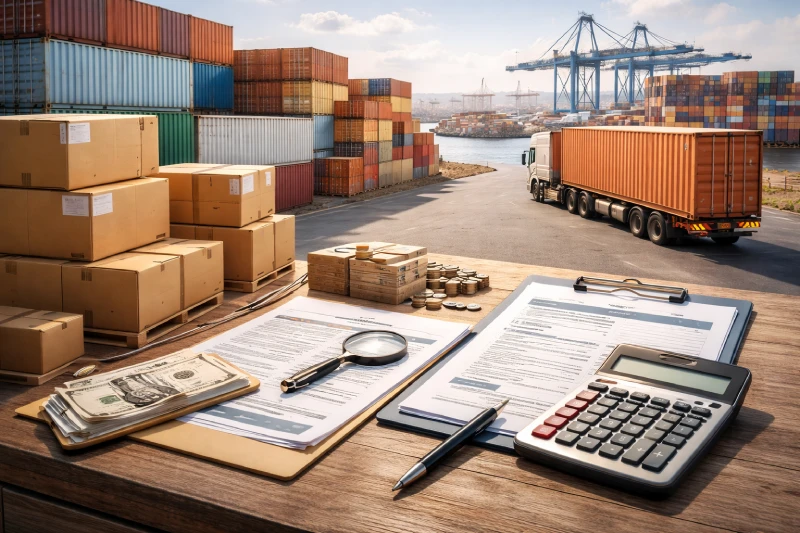
Several factors influence the final DDP price. The most significant variables are the cargo weight or volume, the shipping method (air freight or sea freight), and the type of goods being imported. Certain product categories may involve additional customs procedures or higher duty assessments, which can affect the overall logistics cost.
Another important factor is the customs valuation of the goods. Ghana customs typically assesses import duties based on the declared value of the cargo together with the freight cost. Because of this, two shipments with the same physical size can still have different import charges if the product value differs significantly.
Importers who want to compare general freight pricing structures can also review typical shipping cost from China to Ghana, which explains how transportation rates vary depending on shipment size and delivery method.
How Long Does DDP Shipping from China to Ghana Take?
Shipping time is another important consideration when importing goods. Because DDP shipping includes both international transportation and customs clearance, the total transit time depends on several stages of the logistics process rather than freight transport alone.
In general, air freight DDP shipments from China to Ghana are significantly faster and are commonly used for urgent cargo or high-value products. Sea freight DDP shipments are slower but more economical for larger or heavier shipments. The total timeline typically includes cargo pickup, export clearance in China, international transport, customs clearance in Ghana, and final delivery.
Several factors can influence the actual delivery time. Customs inspection is one of the most common variables, as cargo selected for inspection may require additional processing before it is released. Port congestion, documentation accuracy, and the availability of connecting transport inside Ghana can also affect the schedule.
For businesses planning their supply chain more precisely, it is helpful to understand typical shipping time from China to Ghana, including the differences between air freight, sea freight, and express delivery options.
DDP vs DAP vs CIF for Shipping to Ghana
When importing goods into Ghana, several Incoterms can be used to structure the shipment. While DDP places most responsibilities on the seller or logistics provider, other terms distribute responsibilities differently, especially regarding customs clearance and import duties.
DDP vs DAP (Delivered at Place)
Under DAP, the seller arranges international transportation and delivers the cargo to the agreed destination, but the importer is responsible for customs clearance and paying import duties and taxes in Ghana. This means the buyer must coordinate with a customs broker and handle the import process locally. In contrast, DDP includes these steps within the logistics service, which can simplify the process for importers without established customs support.
DDP vs CIF (Cost, Insurance, and Freight)
CIF covers ocean freight and insurance to the destination port, but the responsibility for import customs clearance shifts to the buyer once the cargo arrives in Ghana. The importer must arrange port handling, customs declaration, and delivery after the shipment reaches the port. For businesses unfamiliar with Ghana’s clearance procedures, this can add additional coordination and cost uncertainty.
In practice, many Ghanaian importers choose DDP when they prefer a single logistics partner managing the shipment from China to final delivery, rather than coordinating multiple service providers.
Understanding Ghana Customs and Import Taxes Under DDP
When goods arrive in Ghana, they must pass through the country’s customs clearance system before they can be released for delivery. Even when a shipment is arranged under DDP terms, these procedures still apply; the difference is that the freight forwarder and its local partners manage the process on behalf of the importer.
Import clearance in Ghana is overseen by the Ghana Revenue Authority (GRA) through the Customs Division. During clearance, customs authorities review the shipment’s commercial invoice, packing list, and transport documents to verify the cargo description, declared value, and classification of the goods.
Import duties and taxes are generally assessed based on the customs value of the shipment, which typically includes the cargo value together with certain transportation costs. Depending on the product category, additional regulatory checks or documentation may also be required before the cargo can be released.
Under a DDP arrangement, the freight forwarder works with a local customs broker to submit the import declaration, coordinate any inspections, and arrange payment of duties and taxes. Once these steps are completed and customs releases the shipment, the cargo can proceed to the final delivery stage.
Importers who want a broader overview of logistics options can also review how businesses typically ship from China to Ghana, including the main transport routes and freight solutions available.
Common Risks When Using DDP Shipping to Ghana
Although DDP shipping can simplify the import process, it is important for importers to understand that not all DDP offers are structured the same way. Some common misunderstandings arise when the responsibilities and cost coverage are not clearly defined at the beginning of the shipment.
One frequent issue is unrealistically low DDP quotations. In some cases, a quote may appear attractive because certain costs—such as import duties, destination handling, or local delivery—have not been accurately estimated. If these costs are discovered during customs clearance, additional charges may arise before the cargo can be released.
Another potential risk involves incomplete or inaccurate shipping documentation. Customs authorities rely heavily on documents such as the commercial invoice and packing list to determine the classification and value of the cargo. If the information provided does not match the actual shipment, customs inspections or clearance delays may occur.
Importers should also be aware that some cargo categories may require additional permits or regulatory checks. Products that fall into restricted or regulated categories may involve extra procedures before they can be imported into Ghana.
Because of these factors, it is important to work with logistics providers that have experience handling shipments into Ghana and understand the country’s customs procedures.
Why Experience in Ghana Matters for a DDP Freight Forwarder
DDP shipping relies heavily on coordination between international freight operations and local customs procedures. For shipments entering Ghana, this means the freight forwarder must work closely with reliable local partners who understand the country’s import system and clearance requirements.
One important factor is the local agent network. A forwarder with established partners in Ghana can coordinate customs declaration, duty payment, cargo release, and final delivery more efficiently. Without experienced local representation, even well-organized international shipments may face delays during the clearance stage.
Experience with Ghana’s import procedures is also valuable when preparing documentation before the shipment leaves China. Accurate cargo descriptions, correct product classification, and properly prepared invoices can help prevent customs issues that might otherwise slow down the clearance process.
Finally, experienced logistics providers are usually more familiar with delivery conditions within Ghana, including transportation to major commercial centers such as Accra, Tema, Kumasi, and Takoradi. This knowledge helps ensure that once customs clearance is completed, the final delivery stage can proceed smoothly.
How to Choose a Reliable DDP Shipping Partner from China to Ghana
Selecting the right logistics partner is important when using DDP shipping, because the forwarder is responsible for coordinating transportation, customs clearance, duty payment, and final delivery. Importers should therefore evaluate potential providers carefully before committing to a shipment.
One useful approach is to ask a few practical questions about the DDP service scope. For example, importers may want to confirm whether the quotation includes Ghana import duties and taxes, whether customs clearance is handled by a local broker, and whether final delivery to the consignee’s address is part of the service.
It is also helpful to review the transparency of the pricing structure. Reliable forwarders usually explain what is included in the quotation and what situations could generate additional charges, such as customs inspections or special handling requirements.
Finally, experience on the China–Ghana trade route can make a significant difference. Logistics providers familiar with the route are more likely to understand the documentation requirements, clearance procedures, and delivery conditions involved in transporting cargo into Ghana.
Requesting a DDP Shipping Quote to Ghana
When planning a shipment, obtaining an accurate DDP quotation requires several basic shipment details. Freight forwarders typically request information such as the type of goods being shipped, the cargo weight or volume, the supplier’s location in China, and the final delivery city in Ghana. These details allow the logistics provider to estimate transportation costs, customs procedures, and delivery arrangements more accurately.
Providing clear shipment information at the beginning can also help avoid delays during the planning stage. For example, cargo value and product description are important for estimating duties and preparing customs documentation before the shipment departs from China.
Once these details are confirmed, the forwarder can propose suitable transport options—such as sea freight or air freight—together with an estimated delivery timeline and overall DDP shipping cost.
Businesses that regularly import from China often request quotations in advance when planning new orders, allowing them to evaluate logistics costs and delivery schedules before confirming the shipment.
