
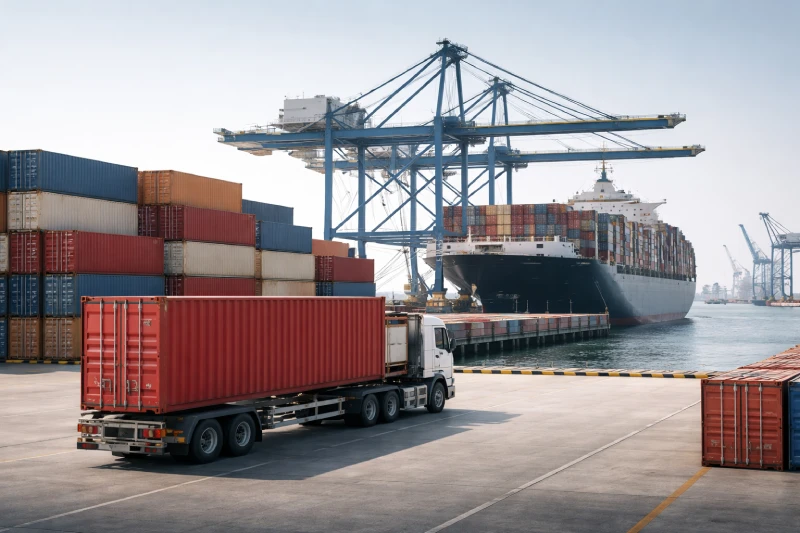
DDP (Delivered Duty Paid) shipping is often described as the simplest way to import goods—but when it comes to shipping from China to Qatar, the reality is more nuanced. In theory, DDP means the seller takes full responsibility for transport, customs clearance, duties, taxes, and final delivery. In practice, especially in Qatar, the success of a DDP shipment depends heavily on local customs knowledge, compliance accuracy, and execution capability.
For Qatar-based importers, e-commerce sellers, and project cargo buyers, the appeal of DDP is clear: a single, all-inclusive landed cost and minimal operational involvement. You don’t need to manage customs brokers, calculate duties, or coordinate last-mile delivery. However, this convenience also concentrates risk on the service provider. If the forwarder lacks real experience with Qatar’s import procedures, the shipment can face delays, unexpected costs, or clearance issues—despite being labeled “DDP.”
This article is not an Incoterms textbook. Instead, it focuses on how DDP shipping actually works in the Qatar import environment: when it makes sense, how costs are structured, what affects delivery time, and where common misunderstandings occur. The goal is to help you decide—clearly and realistically—whether DDP is the right shipping model for your cargo from China to Qatar, before you request a quotation or commit to a contract.
What Does DDP Shipping Mean in the Qatar Import Context?
DDP shipping is defined under Incoterms as a delivery model where the seller assumes maximum responsibility—from origin pickup to final delivery, including customs clearance, duties, and taxes. However, when importing into Qatar, this definition only becomes meaningful if it is translated correctly into local operational reality.
In the Qatar context, a true DDP shipment means that the seller or the appointed freight forwarder must be able to act locally—not just coordinate remotely. This includes preparing compliant import documentation, managing customs submission under Qatar regulations, settling import-related charges, and arranging delivery to the consignee’s warehouse or project site. Any break in this responsibility chain turns “DDP” into a partial service rather than a genuine door-to-door solution.
One common misunderstanding is assuming that DDP simply shifts cost responsibility on paper. In reality, Qatar customs procedures require accurate HS classification, correct consignee details, and compliance with product-specific import rules. If these elements are not handled properly by the DDP provider, the shipment may still be held at port—even though the buyer technically chose DDP. In such cases, the importer often becomes involved anyway, which defeats the purpose of using this term.
Another important distinction is that DDP to Qatar is not a standardized service across all forwarders. Some providers label shipments as DDP while excluding duties, local clearance risks, or last-mile delivery constraints. A genuine DDP arrangement for Qatar imports should leave the buyer responsible only for receiving the goods—not for resolving customs questions, paying unexpected charges, or coordinating with local authorities.
Why Choose DDP Shipping from China to Qatar?
Choosing DDP shipping is less about convenience alone and more about control, risk allocation, and cost predictability. For shipments moving from China to Qatar, DDP is typically selected when the importer wants to minimize operational involvement and avoid uncertainty around customs clearance and local delivery.
Who DDP Is Best Suited For in Qatar
DDP shipping works particularly well for Qatar-based importers who do not have an in-house logistics or customs team. If your business does not regularly handle import declarations, duty payments, or port coordination, DDP allows you to receive goods with minimal procedural exposure. The same applies to Chinese exporters selling to Qatar customers on a landed-cost basis, where pricing clarity is essential for closing deals.
E-commerce sellers and Amazon-style fulfillment models also tend to favor DDP. These shipments often involve smaller margins and strict delivery expectations, making it impractical to manage customs issues shipment by shipment. With DDP, logistics costs are bundled upfront, simplifying pricing and reducing post-arrival surprises.
When DDP Makes Strategic Sense
DDP is most effective when:
- You need a single, all-in landed cost for budgeting or resale pricing
- The cargo is time-sensitive and delays at customs would be costly
- You want to avoid appointing and managing local brokers or transport providers
- The shipment value justifies paying a premium for risk transfer
In these scenarios, DDP acts as a risk-shielding mechanism rather than just a shipping term.
When DDP May Not Be the Right Choice
DDP is not always the optimal option. Importers with strong local logistics capabilities, existing customs broker relationships, or tax optimization strategies may find DDP restrictive or unnecessarily expensive. For large-volume or recurring shipments, handling clearance directly can offer more flexibility and long-term cost efficiency.
The key is understanding that DDP is not a universal upgrade—it is a tool. When used in the right context, it simplifies imports into Qatar. When used blindly, it can limit transparency and control.
DDP Shipping Process from China to Qatar (Step by Step)
Understanding the actual execution flow of DDP shipping is essential, because the value of DDP lies not in the term itself, but in how consistently responsibility is carried from origin to final delivery. Below is how a properly structured DDP shipment from China to Qatar typically works in practice.
Export Handling & Documentation in China
The process begins with export-side coordination in China. Under DDP, the seller or appointed forwarder manages cargo pickup, export packing compliance, and outbound documentation such as the commercial invoice, packing list, and export declaration. Any errors at this stage—especially incorrect cargo description or HS classification—can later create clearance issues on arrival.
For DDP shipments, this step is critical because mistakes made in China directly affect customs clearance in Qatar, even though the buyer is not involved operationally.
Main Transport to Qatar: Sea or Air
Once export formalities are completed, the cargo moves via the selected transport mode—typically ocean freight for cost efficiency or air freight for time-sensitive shipments. The choice here affects not only transit time but also downstream customs handling and cost exposure.
This is where DDP differs from simpler terms: the forwarder must already be planning Qatar-side clearance and delivery while the cargo is still in transit, not after arrival.
Arrival, Customs Clearance & Duty Handling
Upon arrival, the shipment enters the most sensitive phase of the DDP process. The DDP provider must submit import declarations, coordinate inspections if required, settle applicable duties and taxes, and respond to any customs queries—without relying on the importer to intervene.
In a true DDP model, the importer is not asked to appoint brokers, advance payments, or resolve clearance issues. If that happens, the service is no longer functionally DDP.
Final Delivery to the Consignee
After customs release, the shipment proceeds to inland transport and final delivery—whether to a warehouse, retail location, or project site. Successful DDP execution means the consignee receives the cargo without last-minute charges, documentation requests, or operational surprises.
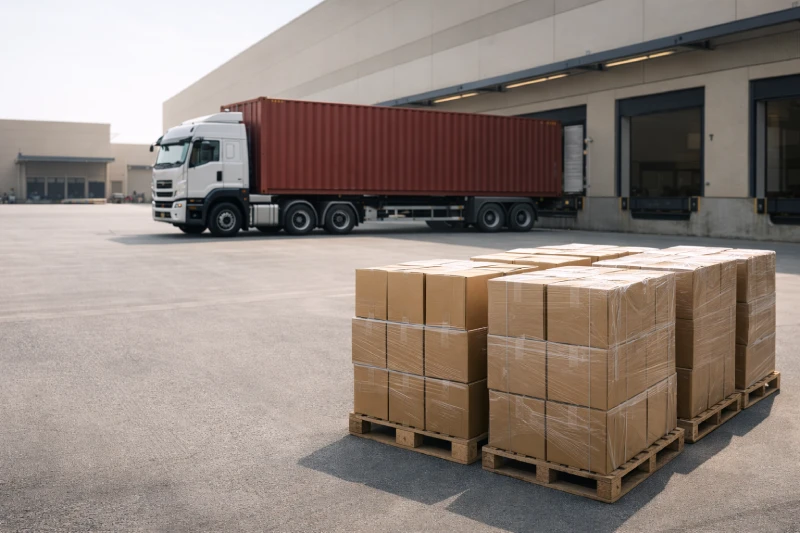
DDP Shipping Cost Breakdown for Qatar Imports
One of the main reasons importers choose DDP shipping is cost certainty—but this only works if you understand what a DDP quote actually includes. For shipments from China to Qatar, DDP pricing is not a single cost item; it is a bundle of responsibilities converted into a single landed figure.
China-Side Costs Included in DDP
On the origin side, DDP pricing typically covers cargo pickup, export handling, documentation, and export customs formalities in China. These elements are relatively standardized, but accuracy still matters. Incorrect cargo details or undervaluation at this stage can create downstream risks that ultimately increase the total cost—even if the original DDP quote looked competitive.
International Freight Cost Logic
The main transport cost—whether by sea or air—is a major variable within DDP pricing. Ocean freight is generally used for bulk or non-urgent cargo, while air freight is chosen when delivery time is critical. Although this portion of the cost is influenced by market rates, under DDP it must be calculated together with destination-side exposure, not in isolation.
This is why two DDP quotes using the same shipping method can differ significantly: one forwarder may price conservatively to absorb clearance risk, while another may underprice freight and leave little margin for Qatar-side realities.
Qatar-Side Costs: Clearance, Duties, and Delivery
The most sensitive part of a DDP cost structure lies on the Qatar side. This includes import customs clearance, duties and taxes paid on behalf of the importer, port or airport handling, inspections if required, and inland delivery to the final address. These costs are highly dependent on cargo type, documentation accuracy, and local execution capability.
In a genuine DDP model, these charges are not passed on later. They are already absorbed into the quoted price, which is why experience and local presence matter so much when structuring DDP shipments to Qatar.
Why DDP Prices Vary So Widely
DDP pricing is not just about logistics—it is about risk allocation. A higher DDP quote often reflects a forwarder’s willingness and ability to handle customs uncertainty, compliance checks, and delivery coordination without involving the importer. Conversely, unusually low DDP prices often indicate exclusions, assumptions, or hidden dependencies that surface only after arrival.
DDP Shipping Time from China to Qatar
When importers ask about DDP shipping time, they are usually looking for delivery predictability, not just the fastest transit. Under DDP, the clock does not stop at port arrival—it only ends when the cargo is delivered to the final destination. This makes DDP timelines inherently different from port-to-port estimates.
Typical DDP Transit Time Ranges
For most commercial shipments, DDP shipping time from China to Qatar generally falls into clear ranges depending on the transport mode chosen. Ocean-based DDP solutions prioritize cost efficiency and stable scheduling, while air-based DDP focuses on speed but requires tighter coordination on customs clearance and delivery. What matters most is that the quoted timeline already includes clearance and inland delivery, not just international transit.
The Role of Customs Clearance in Overall Timing
Customs clearance is the most influential variable in DDP delivery time. Even when vessels or flights arrive on schedule, clearance delays can extend the total timeline if documentation, cargo classification, or compliance details are not aligned in advance. A well-prepared DDP shipment accounts for these factors before departure, reducing the likelihood of time-consuming interventions after arrival.
This is where DDP differs from other Incoterms: the forwarder must actively manage clearance timing rather than leaving it as an importer-side task.
Common Factors That Delay DDP Shipments
Several issues commonly affect DDP delivery schedules, including inconsistent cargo descriptions between documents, product categories requiring additional review, or incomplete consignee information for final delivery. These delays are rarely caused by transport itself, but by coordination gaps within the DDP chain.
For importers, the key takeaway is that reliable DDP timing depends less on advertised transit speed and more on process control. In the next section, we’ll compare DDP with other common Incoterms—such as DAP, DDU, and CIF—to show how responsibility allocation directly affects both cost and delivery outcomes in the Qatar import environment.
DDP vs DAP / DDU / CIF for Qatar Imports
Choosing the right Incoterm is not just a contractual decision—it directly affects customs responsibility, cost visibility, and operational risk when importing into Qatar. While DDP is often seen as the most “complete” option, it is important to understand how it differs from other commonly used terms in the Qatar-specific import environment.
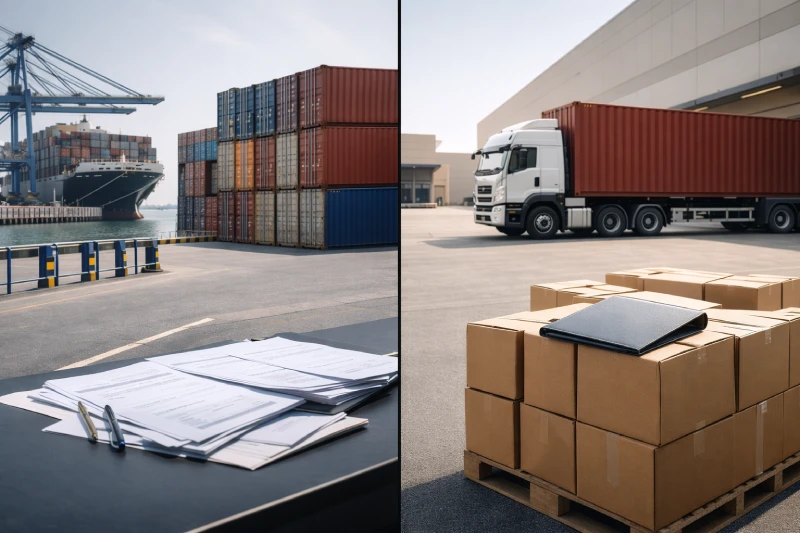
DDP vs DAP: Where Responsibility Really Ends
Under DAP (Delivered at Place), the seller arranges transport to the destination country, but customs clearance and import duties remain the buyer’s responsibility. In Qatar, this distinction is significant. Even though the cargo may physically arrive at the buyer’s location, clearance delays, duty payments, or documentation issues can still fall on the importer.
By contrast, DDP shifts these responsibilities entirely to the seller or forwarder. For importers without local customs expertise, this difference often determines whether a shipment moves smoothly or becomes operationally burdensome.
Why DDU Is Rarely Practical for Qatar Imports
DDU (Delivered Duty Unpaid) is largely obsolete but still referenced informally in some quotes. In practice, it offers little clarity for Qatar imports. The buyer is expected to handle duties and taxes without necessarily having control over the clearance process, which can lead to confusion, delays, and unexpected costs. For this reason, DDU is generally unsuitable for structured, predictable imports into Qatar.
CIF vs DDP: Cost Visibility vs Control
CIF (Cost, Insurance, and Freight) is commonly used for ocean shipments, but it only covers delivery to the port of destination. Once the cargo arrives in Qatar, all clearance, duties, and inland logistics fall to the importer. While CIF can appear cheaper upfront, it often provides limited cost visibility and places operational pressure on the buyer after arrival.
DDP, on the other hand, consolidates these responsibilities into a single model. The trade-off is price transparency versus control: DDP prioritizes predictability, while CIF offers flexibility for importers with strong local logistics capabilities.
Choosing the Right Term for Your Qatar Shipment
There is no universally “best” Incoterm—only the one that aligns with your operational capacity and risk tolerance. For many Qatar importers, DDP offers simplicity and accountability. For others, terms like CIF or DAP may be more efficient when customs handling is already well established.
Qatar Customs & Import Taxes under DDP
One of the most misunderstood aspects of DDP shipping is how customs clearance and import taxes are actually handled at destination. In Qatar, this part of the process is highly structured, and under DDP it becomes the core responsibility of the seller or appointed forwarder—not the importer.
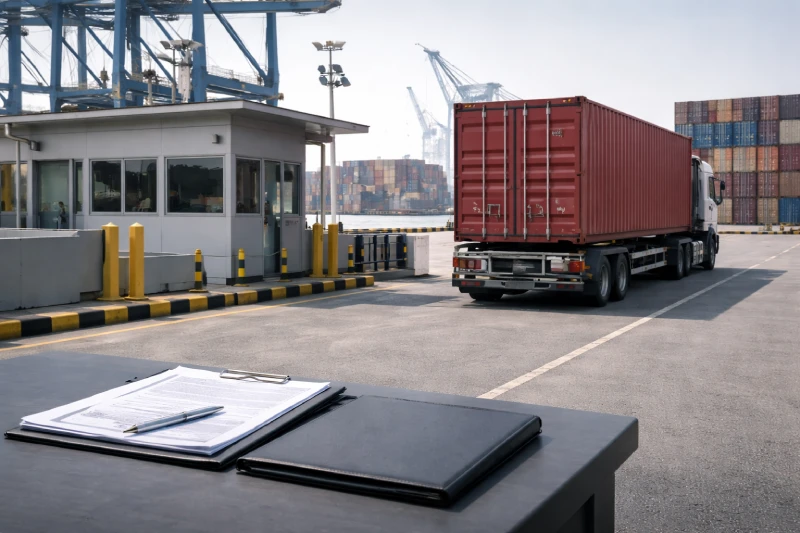
How Import Duties and Taxes Are Applied
Under a DDP arrangement, import duties and applicable taxes are assessed based on the declared cargo value, HS classification, and product category. While the importer is the legal recipient of the goods, the financial and procedural responsibility for these charges is carried by the DDP provider. This means duties are settled on behalf of the buyer as part of the overall landed cost, rather than being billed separately after arrival.
What matters here is not the tax rate itself, but the accuracy and consistency of the declaration. Any discrepancy between documents, cargo description, or valuation can trigger additional review, which directly affects clearance time and cost exposure.
The Role of HS Codes and Product Compliance
Qatar customs procedures rely heavily on correct HS coding and product compliance. Certain goods may require additional approvals, conformity checks, or documentation before release. Under DDP, it is the forwarder’s responsibility to identify these requirements in advance and build them into the clearance plan.
If this step is overlooked, shipments can be held despite being labeled as DDP, forcing the importer to step in—an outcome that undermines the entire purpose of choosing this term.
Why Local Execution Matters under DDP
DDP shipping only works smoothly when customs handling is managed by parties who understand local clearance practices, not just international documentation standards. Remote coordination without local experience increases the risk of delays, re-submissions, or unexpected intervention requests.
For importers, the key takeaway is simple: DDP does not eliminate customs—it transfers responsibility. The success of that transfer depends entirely on the provider’s ability to execute within Qatar’s regulatory framework.
Common Risks & Misunderstandings with DDP Shipping to Qatar
While DDP shipping is designed to simplify imports, many of the problems associated with DDP to Qatar arise from incorrect assumptions about what “DDP” actually covers. Understanding these risks in advance can prevent delays, disputes, and unexpected involvement after the cargo arrives.
“DDP” Quotes That Exclude Real Responsibility
One of the most common issues is receiving a DDP quote that excludes critical destination-side responsibilities. Some forwarders label a shipment as DDP while quietly assuming that customs clearance challenges, inspections, or additional local charges will be handled—or paid—by the importer if they arise. In practice, this turns DDP into a conditional service rather than a true door-to-door solution.
For Qatar imports, this risk is especially significant because clearance procedures are not flexible once the cargo arrives. Any gap in responsibility becomes immediately visible.
Under-Declared Cargo and Clearance Exposure
Another frequent risk involves cargo value or description being declared incorrectly in an attempt to reduce upfront costs. While this may appear to lower the DDP quote, it increases the likelihood of customs review, reassessment, or delay. Under DDP, such issues are not just administrative—they can stall delivery entirely and create disputes over who bears the consequences.
Delivery Issues Caused by Incomplete Consignee Information
Final delivery is often underestimated in DDP planning. Incomplete or unclear consignee details, delivery access restrictions, or site-specific requirements can cause delays even after customs release. In a proper DDP arrangement, these factors should be identified before shipment, not discovered at the last mile.
Why the Cheapest DDP Option Is Often the Riskiest
DDP pricing reflects both logistics cost and risk coverage. Unusually low DDP quotes often rely on assumptions that everything will go smoothly. When reality diverges—as it often does—the importer may be pulled into problem-solving despite choosing DDP specifically to avoid that role.
Recognizing these risks allows importers to evaluate DDP offers more realistically. In the next section, we’ll explain why working with an experienced, locally capable DDP forwarder is essential for Qatar shipments, and what capabilities actually matter beyond the quote itself.
Why You Need an Experienced DDP Forwarder for Qatar
DDP shipping places the highest level of responsibility on the service provider. For shipments moving into Qatar, this responsibility cannot be managed effectively through remote coordination alone. It requires local execution capability, regulatory familiarity, and risk control experience.
Local Customs Handling vs. Remote Coordination
In theory, any forwarder can arrange transport to Qatar. In practice, DDP success depends on how clearance is handled on the ground. Forwarders without local operational support often rely on third parties with limited accountability, which increases the likelihood of miscommunication, delayed responses, or unresolved clearance issues.
An experienced DDP forwarder understands how Qatar customs operates day to day—not just the formal rules, but the practical expectations around documentation, submission timing, and compliance verification.
Network Capability for True Door-to-Door Delivery
DDP does not end at customs release. Inland transport and final delivery are integral parts of the service. This requires reliable local partners, clear delivery planning, and the ability to handle site-specific requirements. Without this network, even a cleared shipment can face delays or additional costs at the final stage.
A capable DDP forwarder integrates these steps into a single process rather than treating them as separate services.
Risk Control and Cost Predictability
The value of an experienced DDP provider lies in risk absorption. Instead of transferring uncertainty to the importer when issues arise, the forwarder anticipates and manages those risks internally. This is what allows DDP pricing to remain stable and delivery outcomes to be predictable.
For importers, choosing a DDP forwarder is not about selecting the lowest quote—it is about selecting a partner who can carry responsibility consistently from origin to destination.
Is DDP Shipping from China to Qatar Right for You?
DDP shipping is not a default upgrade—it is a strategic choice. Whether it makes sense for your shipment depends on how much control, visibility, and operational involvement you want to retain during the import process.
Before choosing DDP, it helps to ask a few practical questions. Do you need a fixed landed cost for budgeting or resale pricing? Do you prefer not to manage customs brokers, duty payments, or delivery coordination at destination? And is your priority to reduce administrative exposure rather than optimize every individual cost component? If the answer to most of these is yes, DDP can offer clarity and predictability that other Incoterms do not.
At the same time, DDP works best when shipment details are clearly defined from the start—cargo description, value, delivery location, and timing expectations. The more precise the information, the more accurately responsibility can be carried without disruption. This is why experienced DDP planning often begins with a feasibility discussion rather than an immediate price comparison.
If you are considering DDP shipping from China to Qatar, the next step is not to commit, but to validate whether the model fits your cargo and risk profile. A structured review of shipment details can quickly determine whether DDP is appropriate—or whether another Incoterm would deliver better control or efficiency for your specific case.
