
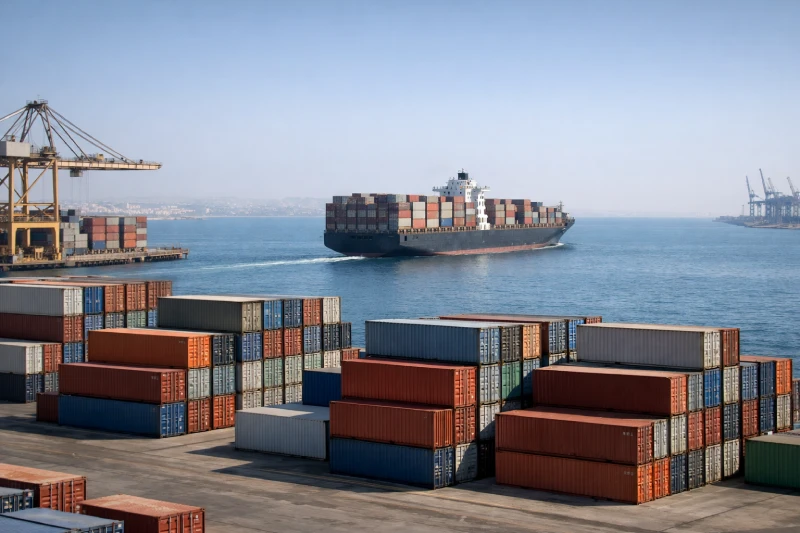
DDP shipping from China to Saudi Arabia is often chosen by importers who want a single party to manage transport, customs clearance, duties, and final delivery under one coordinated responsibility framework. In practice, this Incoterm shifts most operational and compliance obligations to the seller side, which can simplify procurement but also concentrates risk.
For Saudi-bound cargo, DDP is not just a logistics arrangement but a regulatory decision. Import clearance, importer-of-record status, product compliance, and tax handling all play a decisive role in whether DDP is workable for a specific shipment or business structure.
This page explains how DDP shipping actually works in China–Saudi trade, what responsibilities are involved at each stage, and when this model makes sense for B2B importers, distributors, and project cargo owners operating in or supplying the Saudi market.
What DDP Shipping Means in China–Saudi Trade
In the context of shipping from China to Saudi Arabia, DDP is less about convenience and more about who carries legal and operational responsibility inside the Saudi import system. While the seller (or the seller’s appointed logistics party) manages transport, clearance, duties, and delivery, the practical execution depends heavily on Saudi-specific rules around importer registration, compliance, and tax accountability. As a result, DDP works only when responsibilities are clearly structured and locally executable.
Under DDP shipping, the seller side is responsible for:
- Export customs clearance and documentation in China
- Main international transport (ocean or air) to Saudi Arabia
- Saudi import customs clearance procedures
- Payment and settlement of applicable duties and taxes
- Inland transportation and delivery to the agreed final location
The highest-risk responsibilities on the Saudi side typically involve:
- Acting as importer of record under Saudi regulations
- Meeting ZATCA requirements for customs and tax compliance
- Ensuring product conformity with Saudi standards and approvals
- Resolving customs holds, inspections, or classification disputes
Why Importers Use DDP Shipping from China to Saudi Arabia
For many China–Saudi trade flows, DDP is selected not to reduce cost, but to reduce coordination burden and compliance exposure for the buyer. It is commonly used when the importer prefers predictable delivery responsibility rather than managing multiple service providers across borders and jurisdictions.
Typical use cases where DDP is applied include:
- Saudi-based distributors that want goods delivered after clearance without operating their own import logistics team
- Overseas procurement entities supplying Saudi affiliates, branches, or end clients
- Project cargo owners who require centralized control over transport, customs, and inland delivery timelines
From a decision perspective, DDP is most often chosen to:
- Avoid direct involvement in Saudi customs clearance processes
- Centralize risk management with one responsible party
- Simplify internal procurement and accounting workflows
At the same time, experienced importers evaluate DDP carefully, as the benefits of simplified delivery must be weighed against reduced control and higher dependency on the executing logistics structure.
Scope of Responsibilities Under DDP Shipping
Under DDP shipping from China to Saudi Arabia, responsibilities are consolidated under the seller side, but each stage carries different operational and compliance implications. The table below outlines how responsibilities are typically allocated in practice and where importers should pay close attention.
| Responsibility Area | Under DDP Shipping |
|---|---|
| Export customs clearance (China) | Handled by the seller, including export declarations and compliance with Chinese regulations |
| Main international transport | Arranged and managed by the seller (ocean or air), including carrier selection and routing |
| Saudi import customs clearance | Seller is responsible for filing, coordination, and clearance execution through local mechanisms |
| Duties and taxes | Seller bears responsibility for calculation, payment, and settlement under Saudi rules |
| Importer of record | Must be legally supported in Saudi Arabia; often the most sensitive obligation |
| Inland delivery in Saudi Arabia | Seller manages transport from port or airport to the final agreed location |
| Risk during transit | Remains with the seller until delivery is completed at destination |
For China–Saudi shipments, the importer-of-record function, tax compliance, and product conformity represent the highest-risk areas under DDP, as these obligations depend on Saudi legal and regulatory frameworks rather than transport execution alone.
DDP Shipping Process from China to Saudi Arabia
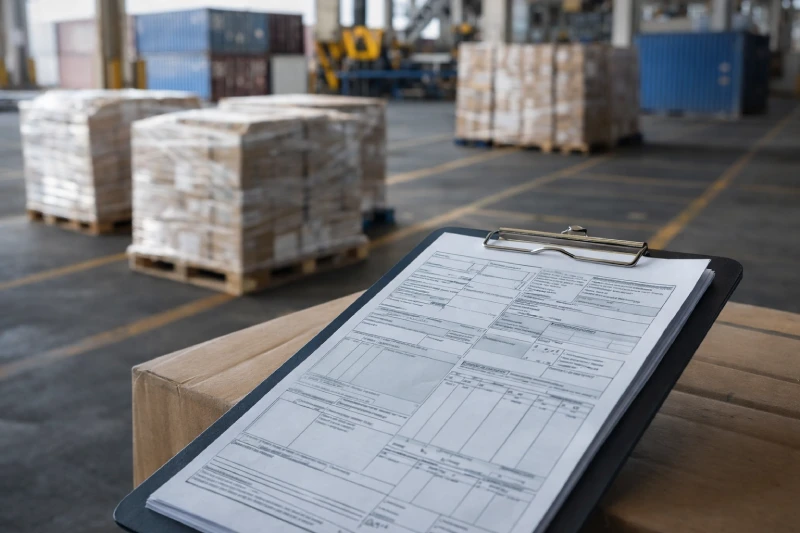
DDP shipments to Saudi Arabia follow a structured end-to-end flow, but each stage introduces specific compliance and execution risks that must be managed in advance rather than resolved mid-shipment.
Step 1: Export handling and clearance in China
The seller prepares export documentation, declares the cargo, and completes Chinese customs formalities.
Risk focus: Misaligned HS codes or incomplete commercial documentation can create downstream clearance issues in Saudi Arabia.
Step 2: Main international transport to Saudi Arabia
Cargo is moved by ocean or air freight to the designated Saudi port or airport under the seller’s control.
Risk focus: Route selection and transit planning must account for Saudi port handling practices and potential inspection triggers.
Step 3: Import customs clearance in Saudi Arabia
The seller arranges local clearance, submits import declarations, and addresses regulatory requirements.
Risk focus: Importer-of-record eligibility, product compliance, and tax registration are frequent bottlenecks at this stage.
Step 4: Duties, taxes, and regulatory settlement
Applicable duties and taxes are calculated and settled before cargo release.
Risk focus: Errors in valuation, classification, or tax handling can result in holds or reassessments.
Step 5: Inland transportation and final delivery
Cleared cargo is delivered to the agreed warehouse, distribution center, or project site.
Risk focus: Delays can occur if delivery locations, permits, or site access requirements are not aligned in advance.
In China–Saudi DDP shipping, most execution risks concentrate at the Saudi clearance and post-clearance stages, making early planning and clear responsibility alignment essential.
Saudi Arabia–Specific Considerations Under DDP Shipping
When DDP is applied to shipments bound for Saudi Arabia, several country-specific factors directly affect feasibility and risk exposure. These considerations are regulatory in nature and must be addressed before cargo departs China, not after arrival.
Importer of Record and Local Registration
Saudi customs requires a legally recognized importer of record with valid commercial registration and tax status. Under DDP, this responsibility must be structurally supported by the seller’s execution model rather than assumed at clearance stage.
Warning: Without a compliant importer-of-record arrangement, DDP clearance may be delayed or rejected regardless of transport readiness.
ZATCA Compliance and Tax Handling
Customs and tax processes are administered under the Saudi Zakat, Tax and Customs Authority (ZATCA). Duties, VAT, and related filings must align with registered entities and approved systems.
Warning: Inconsistent tax registration or misaligned payment mechanisms can prevent cargo release even if documentation appears complete.
Product Compliance and Regulatory Approvals
Certain products require conformity assessments, certifications, or prior approvals to enter the Saudi market. These requirements vary by product category and end use.
Warning: Lack of required conformity documentation is a common cause of inspection, detention, or forced re-export under DDP arrangements.
Port, Airport, and Inland Handling Constraints
Operational practices differ between Saudi ports and inland delivery locations, especially for industrial and project cargo.
Warning: Local handling limitations or permit requirements can disrupt final delivery if not factored into the DDP scope in advance.
Common Cargo Types Shipped DDP to Saudi Arabia
DDP shipping to Saudi Arabia is typically applied to cargo categories where centralized control over transport, clearance, and delivery provides operational or administrative advantages for the importer. Suitability varies based on regulatory complexity and end-use requirements.
Industrial equipment and machinery
Often shipped under DDP when buyers want equipment delivered after clearance without managing import procedures themselves. Regulatory checks and conformity requirements must be addressed early.
Building materials and construction cargo
Common for commercial projects where delivery to site is required. DDP can streamline coordination, but product standards and inspection risks are higher.
Consumer goods for commercial distribution
Used when overseas suppliers support Saudi distributors with cleared, duty-paid deliveries. Classification accuracy and labeling compliance are critical.
Project and oversized cargo
Applied selectively for complex shipments requiring end-to-end coordination. DDP feasibility depends on permitting, route planning, and local handling capabilities.
For each cargo type, DDP should be evaluated against compliance requirements, delivery constraints, and risk tolerance, rather than assumed as a default option.
DDP vs Other Incoterms for China–Saudi Trade
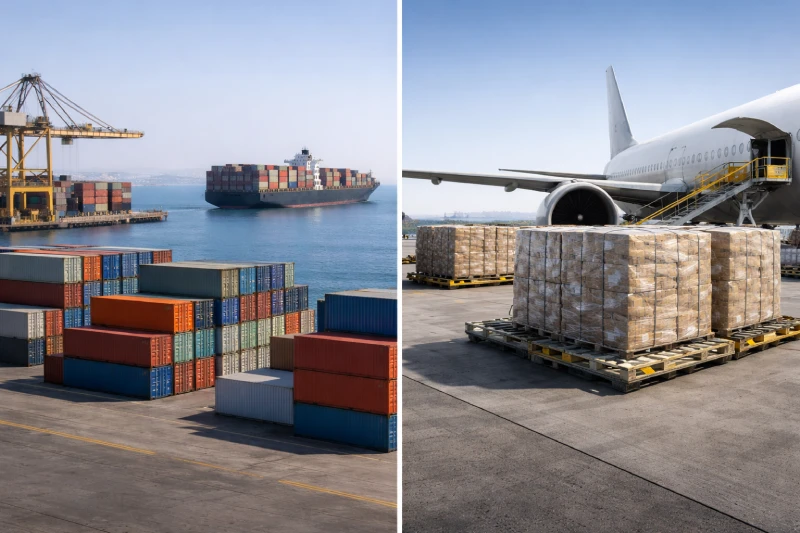
Choosing DDP over other Incoterms affects control, risk allocation, and compliance responsibility in Saudi-bound shipments. The comparison below highlights how DDP differs from commonly used alternatives in China–Saudi trade.
| Incoterm | Responsibility Level | Buyer Control | Compliance Exposure | Typical Use in Saudi Trade |
|---|---|---|---|---|
| DDP | Seller manages end-to-end delivery, clearance, and taxes | Low | Concentrated on seller side | Used when buyers want cleared, delivered cargo |
| DAP | Seller delivers to destination, buyer handles import clearance | Medium | Shared at border | Common where buyers can act as importer |
| CIF | Seller covers main transport only | High | Buyer bears import risk | Used by experienced importers with local teams |
| EXW | Buyer controls full export and import process | Very high | Buyer-dominant | Less practical for Saudi imports |
Summary:
In China–Saudi trade, DDP offers the highest level of delivery convenience but also the greatest reliance on the seller’s ability to manage Saudi import compliance. Importers with local capabilities often prefer DAP or CIF, while DDP is typically reserved for scenarios where regulatory handling needs to be centralized.
Risks and Limitations of DDP Shipping to Saudi Arabia
DDP shipping can simplify delivery responsibility, but it also introduces structural and regulatory limitations that importers should evaluate carefully before selecting this model.
- Importer-of-record constraints
DDP requires a compliant importer-of-record structure in Saudi Arabia, which cannot be bypassed through transport arrangements alone. - Regulatory and compliance dependency
Clearance success depends on accurate classification, valuation, and product conformity under Saudi regulations. - Reduced buyer control
Importers have limited visibility and intervention capability once clearance and tax handling are fully delegated. - Higher impact of documentation errors
Errors in invoices, HS codes, or certificates tend to surface at the Saudi clearance stage, where correction options are more limited. - Not suitable for all cargo types
Highly regulated, restricted, or permit-heavy goods may face practical obstacles under DDP execution.
Understanding these limitations helps importers determine whether DDP is an appropriate risk trade-off rather than assuming it as a default delivery solution.
How Freight Forwarders Execute DDP Shipments
In DDP shipments from China to Saudi Arabia, freight forwarders act as the coordinating party that connects transport execution with regulatory compliance. Their role is operational rather than commercial, focusing on alignment across multiple jurisdictions and service providers.
At origin, the forwarder coordinates export documentation, cargo handling, and departure arrangements in line with Chinese customs requirements. During the main transport leg, carrier booking, routing, and shipment monitoring are managed to ensure continuity toward the Saudi entry point.
On the destination side, execution relies on locally supported clearance and delivery mechanisms. This includes managing customs filing, coordinating with licensed Saudi entities where required, arranging duty and tax settlement, and organizing inland transport to the final delivery location.
Throughout the process, the forwarder’s responsibility is to maintain documentation consistency, manage handovers between parties, and address operational issues within the defined DDP scope, without altering the underlying legal responsibilities set by the Incoterm.
Key Decision Factors Before Choosing DDP Shipping
Before selecting DDP shipping for cargo moving from China to Saudi Arabia, importers typically assess the following decision factors to determine whether the model aligns with their operational and regulatory realities.
- Buyer’s local import capability
Whether the buyer has a Saudi-registered entity, tax registration, and experience handling customs clearance internally. - Cargo compliance complexity
The level of product regulation, certification, or conformity assessment required for Saudi market entry. - Risk tolerance and control preference
Willingness to delegate clearance and tax handling versus maintaining direct oversight of the import process. - Supply chain coordination needs
The importance of having a single party responsible for end-to-end execution across borders. - Delivery location and end use
Whether final delivery involves warehouses, distribution centers, or project sites with specific access or permit requirements.
Evaluating these points helps importers decide if DDP offers a practical balance between convenience and risk for their China–Saudi shipments.
FAQs
Who acts as the importer of record under DDP shipping?
Under DDP, the importer of record must comply with Saudi legal and tax requirements. In practice, this role must be supported by a Saudi-registered entity or a compliant local structure aligned with the shipment.
Can DDP shipments clear Saudi customs without buyer involvement?
While DDP centralizes clearance responsibility on the seller side, certain situations may still require buyer cooperation, particularly for product approvals, end-use declarations, or regulatory inquiries.
What happens if cargo is held by Saudi customs under DDP?
Customs holds are managed within the DDP execution scope, but resolution depends on documentation accuracy, compliance status, and the importer-of-record structure rather than transport arrangements alone.
Is DDP suitable for first-time importers into Saudi Arabia?
DDP can reduce operational burden for first-time importers, but feasibility depends on cargo type, regulatory complexity, and whether a compliant import structure is in place.
