
Introduction
Importing goods from China to Uganda can involve multiple logistics steps, from international transportation to customs clearance and local delivery. For many importers—especially small businesses or companies importing for the first time—managing these steps separately can be complicated and time-consuming. This is where DDP (Delivered Duty Paid) shipping becomes a practical solution.
Under a DDP arrangement, the freight forwarder or logistics provider takes responsibility for the entire shipping process. This typically includes export handling in China, international freight, customs clearance in Uganda, payment of import duties and taxes, and final delivery to the buyer’s address. Instead of coordinating with several different parties, the importer receives the shipment with most logistics procedures already handled.
For businesses importing into Uganda, DDP shipping is often used to simplify logistics planning and gain clearer visibility of the total landed cost. In the following guide, we will explain how DDP shipping from China to Uganda works, what costs are involved, how long delivery usually takes, and what importers should understand about customs procedures and potential risks.
What Does DDP Shipping from China to Uganda Actually Mean?
Understanding DDP in the Context of Uganda Imports
DDP (Delivered Duty Paid) is an Incoterm where the seller or logistics provider is responsible for delivering goods to the buyer’s destination while also covering import duties and taxes. In shipments from China to Uganda, this means the freight forwarder manages most stages of the logistics process, allowing the importer to receive the cargo with minimal involvement in customs procedures.
Under a typical DDP arrangement, the logistics provider coordinates export clearance in China, arranges international transportation, handles Uganda import customs clearance, pays duties and VAT, and organizes final delivery to the consignee’s address. For many businesses, this structure simplifies international trade because the importer does not need to deal directly with customs authorities.
What Responsibilities the Freight Forwarder Takes Under DDP
A DDP shipment normally includes several logistics stages managed by the forwarder:
- Cargo pickup from the supplier in China
- Export customs clearance and documentation
- International freight transport (air or sea)
- Uganda import customs clearance
- Payment of duties and VAT
- Final inland delivery
This approach allows importers to work with one logistics partner rather than coordinating separate shipping, customs, and delivery providers.
Why DDP Is Often Used for Uganda Imports
Because Uganda is a landlocked country and imported cargo often moves through regional ports before reaching its final destination, logistics coordination can become complex. Many importers therefore choose DDP shipping to simplify the process and gain better visibility of the total landed cost.
For a broader overview of transport routes and logistics options, you can also explore our guide on shipping from China to Uganda.
Why Many Importers Choose DDP Shipping to Uganda
Ideal Use Cases for DDP Shipping
DDP shipping is often chosen by importers who prefer a simplified logistics process when purchasing goods from China. Instead of coordinating international freight, customs clearance, and tax payments separately, the entire shipment is handled through one logistics arrangement. This makes DDP particularly practical for businesses that want predictable delivery and fewer administrative steps.
In trade between China and Uganda, DDP shipping is commonly used by:
- Small and medium-sized importers without an in-house logistics team
- E-commerce sellers importing inventory in regular batches
- Businesses purchasing products from multiple Chinese suppliers
- Companies importing equipment or project materials that require door delivery
For these types of shipments, having a single logistics provider manage transportation and customs procedures can significantly reduce coordination work.
Situations Where DDP Helps Reduce Import Complexity
Import procedures in many countries require experience with customs documentation, tax rules, and cargo classification. For companies that are not familiar with these processes, managing every stage independently can lead to delays or unexpected costs.
By using DDP shipping, importers typically gain a clearer view of the total landed cost before the shipment leaves China. Duties, taxes, freight charges, and local delivery are usually included in one quotation, making it easier to estimate overall purchasing expenses.
This approach can also reduce the risk of documentation mistakes, since the forwarder usually prepares export and import paperwork as part of the service.
When DDP May Not Be the Best Option
Although DDP is convenient for many businesses, it may not always be the preferred option. Large importers with established customs brokers or internal logistics teams sometimes choose other shipping terms in order to manage import procedures themselves.
In these cases, companies may prefer to control freight arrangements and customs declarations independently, particularly when importing high volumes on a regular basis.
How DDP Shipping from China to Uganda Works (Step-by-Step)
Step 1 – Cargo Pickup and Export Preparation in China
The process typically begins with cargo collection from the supplier’s factory or warehouse in China. Depending on the shipment arrangement, the freight forwarder may organize pickup directly from the manufacturer or consolidate goods from multiple suppliers into one shipment.
During this stage, export documentation is prepared and China export customs clearance is completed. Accurate information on product description, cargo value, and packaging details is important to ensure the shipment can move smoothly through both export and import procedures later in the process.
Step 2 – International Freight Transportation
After export clearance, the cargo is transported from China to East Africa through the selected shipping method. The two most common options are sea freight and air freight, depending on shipment size, urgency, and budget.
Sea freight is usually chosen for larger shipments because of its lower cost, while air freight is preferred for urgent or high-value cargo. In some cases, logistics providers may also combine different transport routes to balance cost and delivery speed.
For a broader comparison of transport options, you can explore our guide to best shipping methods from China to Uganda.
Step 3 – Import Customs Clearance in Uganda
Once the shipment arrives in the region, the next step is import customs clearance. Under DDP terms, the freight forwarder or their local partner handles the documentation submission, customs declaration, and duty payment required for the cargo to be legally imported into Uganda.
The customs process typically includes document verification, duty and VAT assessment, and cargo release authorization from the customs authority.
Step 4 – Final Inland Delivery to the Consignee
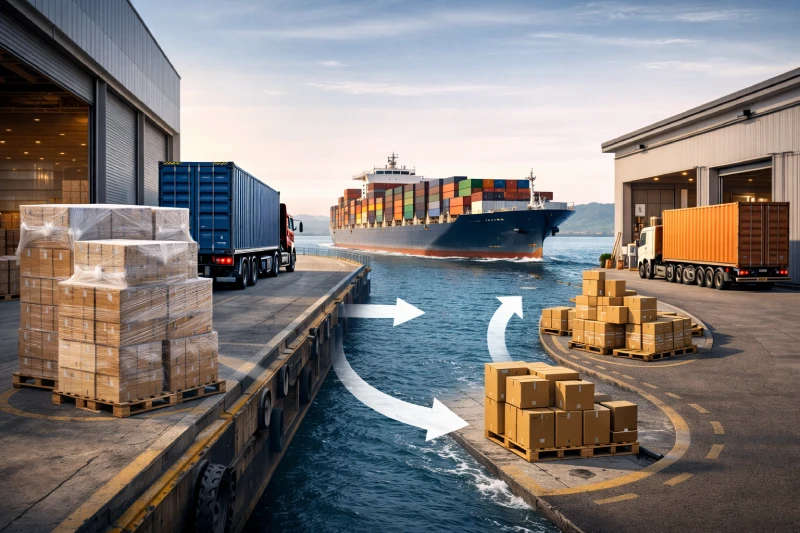
After customs clearance is completed, the shipment proceeds to the final stage: inland delivery within Uganda. Cargo is transported from the arrival gateway to the consignee’s warehouse, shop, or project location.
For many importers, this door-to-door arrangement is one of the main advantages of DDP shipping, since the logistics provider manages the entire process from supplier pickup in China to final delivery in Uganda.
DDP Shipping Cost from China to Uganda: What Makes Up the Total Price
Main Cost Components in a DDP Shipment
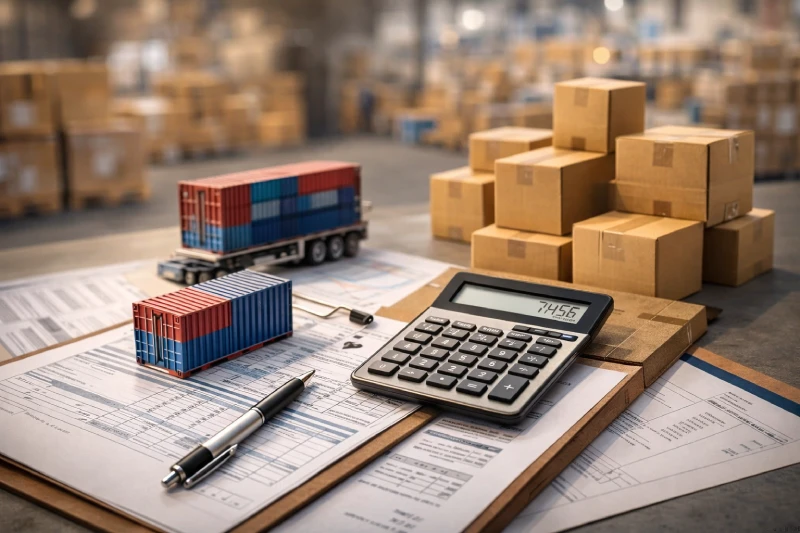
When shipping under DDP terms, the quoted price usually includes several logistics stages combined into a single landed cost. Instead of paying separate charges to multiple service providers, the importer receives one overall quotation that covers transportation, customs handling, and final delivery.
A typical DDP shipping quote from China to Uganda may include the following components:
- Cargo pickup and origin handling in China
- Export customs clearance and documentation
- International freight (air freight or sea freight)
- Import customs clearance in Uganda
- Import duties and VAT
- Local delivery to the consignee’s address
Because these services are bundled together, the final price reflects the total cost required to move the cargo from the supplier in China to the final destination in Uganda.
Why DDP Shipping Prices Can Vary
DDP shipping costs are not fixed, and quotations can vary depending on several shipment factors. One of the most important variables is the type of product being imported, since customs classification influences the amount of import duties and taxes that apply.
Other factors that commonly affect pricing include shipment weight and volume, the chosen transport method, and the delivery location within Uganda. For example, air freight shipments typically have higher transportation costs but shorter transit times, while sea freight may reduce freight costs for larger cargo volumes.
Understanding the Impact of Import Duties
Import duties and VAT form an important part of the total landed cost under DDP shipping. Since the forwarder handles the tax payment as part of the service, these charges are usually calculated and included in the quotation before the shipment moves.
Importers who want a broader explanation of freight pricing structures can also review our guide to shipping cost from China to Uganda, which explains how international transport and logistics expenses are typically calculated.
Shipping Time from China to Uganda Under DDP
Typical Transit Time by Shipping Method
The total delivery time for DDP shipping from China to Uganda depends largely on the transportation method used. Air freight is usually the fastest option and is often selected for urgent shipments or high-value goods. Sea freight, on the other hand, is commonly used for larger shipments where cost efficiency is more important than speed.
Although transit times can vary depending on routing and logistics conditions, general delivery ranges are typically as follows:
| Shipping Method | Estimated Transit Time |
|---|---|
| Air Freight DDP | 7–12 days |
| Sea Freight DDP | 30–45 days |
These estimates usually include international transportation as well as customs handling and final delivery arrangements.
Factors That Can Influence Delivery Time
Several operational factors can affect the total delivery time of a shipment. Cargo inspection by customs authorities, documentation verification, and regional port congestion may add additional time to the logistics process.
In addition, inland transportation within Uganda can vary depending on the final delivery location. Deliveries to major commercial areas such as Kampala may move faster than shipments heading to more remote regions.
Why DDP Shipments Sometimes Take Slightly Longer
Because DDP shipping includes customs clearance and tax payment as part of the service, the delivery time may be slightly longer than a standard freight-only shipment. However, the advantage is that the importer does not need to manage the clearance process themselves.
If you want a more detailed overview of delivery timelines, you can also read our guide on how long shipping from China to Uganda takes.
DDP vs DAP vs CIF for Uganda Imports
Key Differences Between the Shipping Terms
When importing goods from China, buyers often compare several common Incoterms, including DDP, DAP, and CIF. The main difference between these terms lies in who is responsible for import duties, customs clearance, and final delivery.
The following table highlights the basic differences:
| Shipping Term | Import Duties & Taxes | Customs Clearance | Final Delivery |
|---|---|---|---|
| DDP (Delivered Duty Paid) | Seller / Forwarder | Seller / Forwarder | Included |
| DAP (Delivered at Place) | Buyer | Buyer | Included |
| CIF (Cost, Insurance & Freight) | Buyer | Buyer | Not included |
Under DDP, the logistics provider handles most of the shipping process, including duties and customs clearance. With DAP, the cargo is delivered to the destination country, but the buyer must handle import procedures and tax payments. CIF usually only covers transportation to the arrival port, leaving inland delivery and customs responsibilities to the importer.
Why Many Uganda Importers Prefer DDP
For businesses that do not have extensive experience with customs procedures, DDP shipping often provides a simpler and more predictable logistics arrangement. Importers receive the cargo with most administrative procedures already handled by the forwarder.
This can be particularly useful for small and medium-sized companies that want to avoid managing multiple logistics providers or navigating unfamiliar customs regulations.
When CIF or DAP May Be More Suitable
In some situations, importers may prefer other shipping terms. Larger companies with established customs brokers in Uganda may choose DAP or CIF because they already have internal systems for managing customs clearance and tax payments.
These businesses may also prefer to control freight arrangements directly, especially when importing large volumes on a regular basis.
Uganda Customs and Import Tax Process Under DDP
How Uganda Customs Clearance Works
When goods arrive in Uganda, they must go through an official customs clearance process before they can be released for delivery. Under DDP shipping terms, the freight forwarder or their local customs partner manages this procedure on behalf of the importer.
The process typically begins with submitting shipment documentation to customs authorities, followed by cargo declaration and tax assessment. Customs officers review the cargo details, verify the declared value, and determine the duties and VAT that apply to the shipment. Once the required payments are completed and the documents are approved, the cargo can be released for inland delivery.
Although the importer does not directly handle the clearance process under DDP, accurate cargo information is still essential to ensure the shipment moves smoothly through customs.
Typical Documents Required for Import
Even when a freight forwarder manages the process, several key documents are required for customs clearance. These commonly include:
- Commercial invoice
- Packing list
- Bill of lading or airway bill
- Import permits or certificates (when required for certain products)
Providing clear and consistent documentation helps reduce the likelihood of delays or additional inspections during customs processing.
Why Accurate Cargo Information Matters
Incorrect cargo descriptions, inaccurate shipment values, or incomplete documentation can lead to customs delays or additional verification procedures. For this reason, logistics providers usually review shipment details carefully before the cargo leaves China.
By ensuring the documentation matches the actual cargo, the customs process in Uganda can be completed more efficiently, allowing the shipment to proceed to final delivery without unnecessary complications.
Common Risks in DDP Shipping to Uganda (and How to Avoid Them)
Incorrect HS Classification
One of the most common issues in international shipping is incorrect product classification. Every imported product must be declared under the appropriate HS (Harmonized System) code, which determines how customs authorities calculate duties and taxes.
If the classification is inaccurate, customs may re-evaluate the shipment during clearance. This can lead to additional tax adjustments, inspection procedures, or delays before the cargo is released. To avoid this situation, it is important that product descriptions and specifications provided by the supplier are clear and consistent with the declared HS code.
Under-Declared Cargo Value
Another risk sometimes encountered in international trade is incorrect cargo valuation. If the declared value of the shipment does not match market expectations or supporting documentation, customs authorities may conduct additional verification.
This process can delay clearance and may require revised documentation before the cargo can be released. Working with experienced logistics providers helps ensure that invoices and shipping documents reflect accurate and reasonable cargo values.
Using Forwarders Without Local Experience
DDP shipping requires coordination between export procedures in China and import regulations in Uganda. Forwarders that are unfamiliar with local customs practices may encounter difficulties with documentation preparation or tax calculations.
Choosing a logistics provider with experience handling shipments to Uganda can help reduce these risks, as they are more familiar with documentation requirements, customs procedures, and inland delivery arrangements.
Why Working with an Experienced DDP Forwarder Matters
Coordinating the Entire Logistics Chain
DDP shipping requires coordination across several stages of the international supply chain, including export procedures in China, international transportation, customs clearance, and final delivery in Uganda. Because these steps involve different regulations and service providers, smooth coordination is essential to prevent delays or documentation issues.
An experienced freight forwarder typically manages communication between suppliers, transport carriers, and local customs partners. This centralized coordination helps ensure that cargo information, shipping documents, and delivery schedules remain consistent throughout the entire process.
Managing Customs and Tax Compliance
Import procedures involve careful preparation of documentation and correct handling of duties and taxes. Forwarders with experience in Uganda shipments are generally more familiar with the customs declaration process, required documentation, and the practical steps needed to move cargo through clearance.
This experience can reduce the likelihood of documentation errors, unexpected inspections, or delays caused by incomplete paperwork.
Ensuring Reliable Final Delivery
After customs clearance, cargo still needs to be transported to the final destination within Uganda. A forwarder with established local logistics partners can arrange reliable inland delivery and coordinate scheduling with the consignee.
For many importers, this end-to-end logistics management is one of the main reasons for choosing DDP shipping.
Getting a Reliable DDP Shipping Quote to Uganda
Information Needed to Prepare an Accurate Quote
To receive a reliable DDP shipping quotation from China to Uganda, importers usually need to provide several basic shipment details. These details help the logistics provider estimate transportation costs, customs duties, and delivery arrangements more accurately.
Common information requested by freight forwarders includes:
- Product name and cargo description
- Total weight and package dimensions
- Declared cargo value
- Pickup location in China
- Final delivery city in Uganda
Providing clear shipment information at the quotation stage helps reduce the risk of unexpected costs later in the process.
Comparing DDP Shipping Options
When reviewing logistics quotations, it is useful to look beyond the total price alone. Importers may also want to consider factors such as estimated delivery time, customs clearance support, and the forwarder’s experience with shipments to Uganda.
Comparing these elements can help businesses choose a logistics solution that balances cost, delivery speed, and reliability.
Planning Your Shipment
DDP shipping generally works best when cargo information and documentation are prepared early in the process. With accurate shipment details and an experienced forwarder, importers can plan deliveries more effectively and maintain a clearer view of the total landed cost.
