

FOB (Free On Board) is a shipping term that defines when responsibility, cost, and risk transfer from the seller to the buyer. Under FOB Shipping Point, the buyer assumes responsibility once goods are handed over at the origin. Under FOB Destination, the seller remains responsible until the goods arrive at the agreed destination.
What Does FOB Mean in International Shipping?
FOB is a widely used shipping term that clarifies where responsibility for goods shifts from the seller to the buyer during international trade. This responsibility includes three core elements: cost, risk of loss or damage, and operational control at a specific handover point.
In practical terms, FOB does not describe how goods are transported or how much shipping costs. Instead, it defines the exact moment and location where the seller’s obligation ends and the buyer’s obligation begins. This handover point is critical for coordinating transport, arranging insurance, and managing documentation.
FOB is most commonly applied to sea freight–related transactions and is frequently referenced in sales contracts, purchase orders, and shipping instructions. When used correctly, it helps both parties understand who is responsible for export handling, main transport, and potential transit risks.
Because FOB focuses on responsibility rather than price, misunderstandings often occur when it is treated as a “shipping cost term.” A clear understanding of FOB helps importers and exporters avoid disputes, delays, and unexpected expenses during international shipments.
FOB Shipping Point vs FOB Destination — Core Difference
The key difference between FOB Shipping Point and FOB Destination lies in when and where responsibility transfers from the seller to the buyer. Although the goods and transport route may be identical, the risk exposure, cost control, and operational obligations change significantly depending on which FOB variation is used.
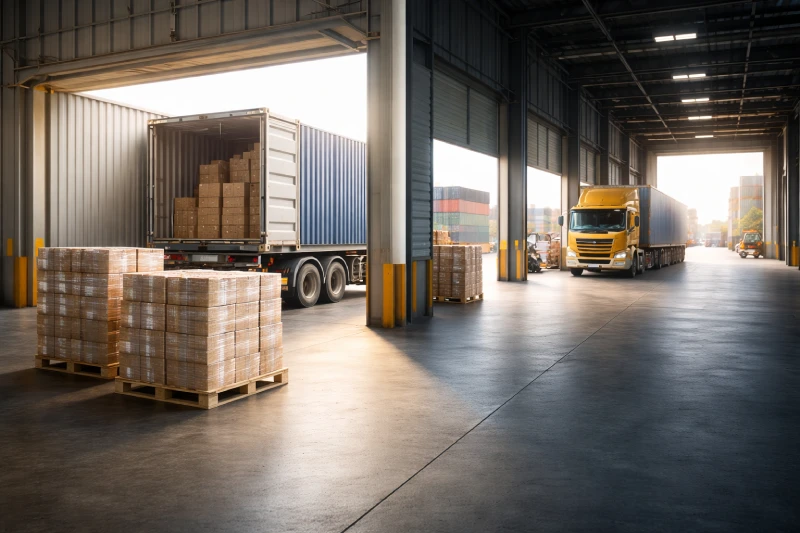
Understanding this distinction is essential for managing transit risk, insurance coverage, and cost accountability in international shipping.
FOB Shipping Point (FOB Origin)
Under FOB Shipping Point, responsibility transfers to the buyer as soon as the goods are handed over at the agreed origin point, typically when they are loaded onto the main transport arranged by or on behalf of the buyer.
From that moment forward, the buyer bears the risk of loss or damage and is responsible for all subsequent transportation costs. The seller’s role is limited to preparing the goods and making them available at the specified handover location.
This term is commonly used when buyers want greater control over shipping arrangements, carriers, and insurance, but it also means the buyer must be prepared to manage transit risks from an early stage.
FOB Destination
Under FOB Destination, the seller retains responsibility for the goods until they arrive at the agreed destination point. The seller bears the risk during transit and is accountable for transportation-related costs up to that location.
For buyers, this reduces exposure to transit risk and simplifies coordination, as the seller manages the shipment until arrival. However, buyers typically have less visibility and control over transport decisions.
FOB Destination is often chosen when buyers prefer predictability and reduced operational involvement, especially when they have limited logistics resources.
EXW vs FOB — How They Are Different
EXW (Ex Works) and FOB are both commonly used trade terms, but they represent very different levels of responsibility for buyers and sellers. The difference is not about pricing, but about who controls the shipment and who bears risk at each stage.
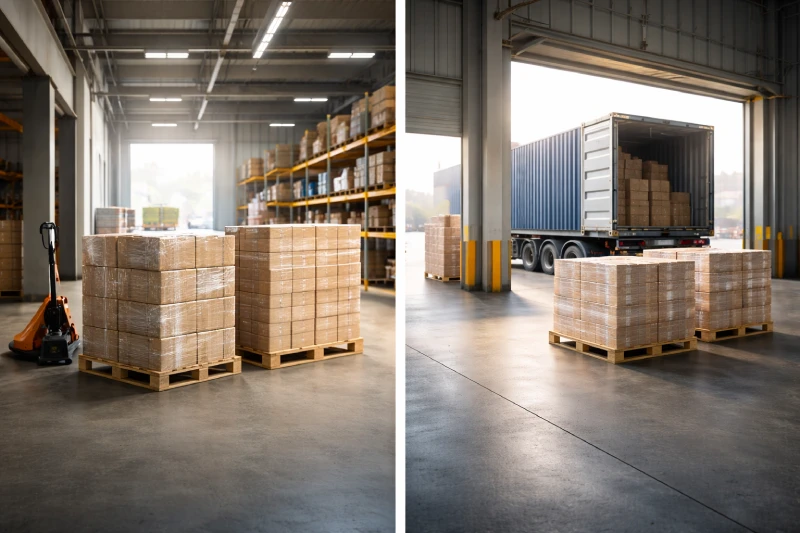
Under EXW, the seller’s responsibility is minimal. The seller only makes the goods available at their premises or another agreed location. From that point onward, the buyer assumes responsibility for pickup, export handling, transportation, and transit risk. Even tasks that are difficult for overseas buyers—such as export customs procedures—fall on the buyer unless otherwise agreed.
By contrast, FOB requires the seller to take responsibility up to a defined handover point, typically related to the main transport departure. This usually includes export preparation and delivery to the agreed loading point. Responsibility transfers to the buyer only after that handover occurs.
While EXW may appear cheaper on paper, it often exposes buyers to higher risk, coordination challenges, and hidden costs. FOB offers a more balanced responsibility split, making it a preferred option for many international shipments where buyers want clarity without full operational burden.
FOB Shipping Point vs FOB Destination vs EXW
| Term | Responsibility Transfer Point | Who Handles Export Clearance | Who Bears Transit Risk |
|---|---|---|---|
| EXW (Ex Works) | At seller’s premises or agreed pickup location | Buyer | Buyer (from pickup onward) |
| FOB Shipping Point (FOB Origin) | When goods are handed over at the agreed origin point | Seller (up to handover) | Buyer (after handover) |
| FOB Destination | When goods arrive at the agreed destination point | Seller | Seller (until arrival) |
Learning purpose:
Provide a clear, side-by-side comparison of responsibility transfer, export handling, and risk allocation to help importers quickly understand the practical differences between EXW and the two FOB variations.
Why This Term Matters in International Shipping
Understanding FOB shipping terms and how they differ from EXW directly affects how international shipments are planned, budgeted, and managed. Misinterpreting these terms can lead to unexpected costs, delays, and disputes—even when the physical movement of goods goes smoothly.
Cost Impact
FOB terms determine which party pays for each segment of the shipment. Under FOB Shipping Point, buyers must budget for transportation and insurance from the handover onward. Under FOB Destination, those costs remain with the seller until arrival. Choosing the wrong term can result in unplanned expenses that were never included in the original cost calculation.
Delay Risk
When responsibility is unclear, handover delays and coordination gaps are more likely to occur. If both parties assume the other is arranging transport or documents, shipments may miss scheduled departures, leading to congestion and extended transit times.
Documentation Accuracy
FOB and EXW terms also affect who is responsible for export-related documentation. Incorrect assumptions can cause incomplete or mismatched paperwork, increasing the risk of customs holds, rework, or shipment release delays. Clear term usage ensures documents align with actual responsibility.
Common Mistakes & Misunderstandings
- Assuming FOB includes all shipping costs, when it only defines the responsibility transfer point
- Treating FOB as a pricing term instead of a risk and obligation term
- Confusing FOB Shipping Point with FOB Destination, especially in contracts
- Believing EXW requires the seller to handle export customs, which is often not the case
- Using FOB without clearly defining the handover location, leading to disputes
- Applying FOB loosely across all transport modes without operational clarification
- Overlooking how FOB terms affect insurance responsibility and coverage timing
These misunderstandings are common among first-time importers and can result in unexpected costs, shipment delays, or responsibility disputes—even when both parties act in good faith.
Best Practices / Quick Checklist
- Clearly define the exact handover point when using FOB terms in contracts and shipping instructions
- Confirm who is responsible for export clearance and documentation before shipment begins
- Align the chosen term with insurance coverage timing to avoid uninsured risk gaps
- Use FOB instead of EXW when buyers cannot manage export-side operations independently
- Avoid relying on abbreviations alone—state the full term (e.g., FOB Shipping Point)
- Reconfirm responsibilities with all parties before booking transport
- Ensure commercial documents reflect the same Incoterm and responsibility logic across all paperwork
Following these practices helps reduce operational confusion and ensures smoother coordination throughout the international shipping process.
Generic Examples
Example 1: FOB Shipping Point Scenario
A seller prepares goods and delivers them to the agreed handover point for main transport. Once the goods are handed over, responsibility transfers to the buyer, who arranges onward transportation and insurance. Any loss or damage after this point is the buyer’s responsibility, even though the seller originally organized the goods.
Example 2: EXW vs FOB Practical Comparison
Under EXW, the buyer collects goods directly from the seller’s location and manages export procedures and transport from the start. Under FOB, the seller handles export preparation and delivery to the handover point. The buyer’s responsibility begins later, reducing early-stage risk and coordination pressure.
FAQs
1. What does FOB mean in shipping terms?
FOB (Free On Board) defines the point at which responsibility, cost, and risk transfer from the seller to the buyer. It does not set the shipping price; it clarifies who is responsible at each stage of the shipment.
2. What is the difference between FOB Shipping Point and FOB Destination?
Under FOB Shipping Point, responsibility transfers to the buyer at the origin handover. Under FOB Destination, the seller remains responsible until the goods arrive at the agreed destination.
3. Is FOB a pricing term or a responsibility term?
FOB is a responsibility and risk-transfer term, not a pricing formula. Shipping costs may still be negotiated separately depending on the agreement between buyer and seller.
4. How is EXW different from FOB in international trade?
EXW places maximum responsibility on the buyer, starting at the seller’s premises. FOB requires the seller to handle export-side preparation and deliver goods to a defined handover point before responsibility transfers.
5. Does FOB include freight, insurance, or customs costs?
FOB itself does not automatically include freight or insurance. It only defines who is responsible at a specific point. Cost inclusion depends on the commercial agreement.
6. Who handles export customs under FOB terms?
In practice, the seller usually handles export clearance under FOB, up to the agreed handover point. This is a key difference from EXW.
7. Can FOB be used for all transport modes?
FOB is most commonly used in sea-freight-related transactions. When used outside this context, the handover point must be clearly defined to avoid confusion.
8. Why do FOB misunderstandings cause shipping disputes?
Disputes occur when parties assume different responsibility points. Unclear FOB usage can lead to insurance gaps, cost disagreements, and delayed shipments.
