
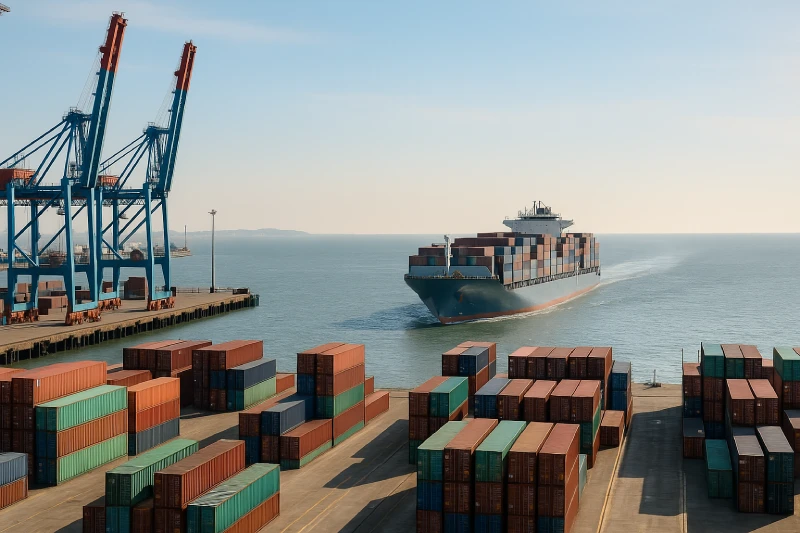
Why Sea Freight Is the Preferred Option for China → USA?
Sea freight remains the most widely used transportation method for moving goods from China to the United States, especially for importers handling medium to large volumes. Compared with air freight and express delivery, ocean shipping offers significantly lower cost per unit, stable capacity, and the flexibility to move everything from general cargo to oversized machinery, e-commerce replenishment stock, and Amazon FBA inventory.
For most U.S. importers, sea freight is the foundation of a long-term supply chain strategy. It supports predictable planning, allows consolidation from multiple Chinese suppliers, and offers more route and port options than any other mode. Whether shipping a full container or a small LCL batch, sea freight provides the ideal balance between affordability and reliability.
This guide explains how FCL and LCL work, what affects cost and transit time, how to choose the right port pair, and the practical steps to ensure a smooth shipping process from China to the USA.
Related Guide:
China–USA sea and air shipping overview
How Sea Freight Works
Sea freight from China to the USA follows a structured, predictable workflow designed to move cargo efficiently across long distances. The process begins at the supplier’s factory, where goods are packed, inspected, and prepared for export. Your freight forwarder then arranges trucking to the designated loading port—such as Shanghai, Ningbo, Shenzhen, or Qingdao—based on proximity to the supplier and the vessel schedule.
Before the container is loaded, several key cut-off requirements must be met: CY cut-off for FCL shipments, warehouse cut-off for LCL, submission of the Verified Gross Mass (VGM), and completion of export documentation. Once cargo is gated in, it is loaded onto the booked vessel according to the weekly or biweekly sailing schedule.
During the voyage, your forwarder monitors the ship’s progress and prepares the necessary filings for U.S. customs, including ISF (Importer Security Filing), AMS, and arrival notices. When the vessel arrives at U.S. ports such as Los Angeles, Long Beach, Seattle, New York, or Savannah, the container is discharged, cleared through customs, and released for final delivery to your warehouse, Amazon FBA center, or 3PL facility.
FCL Shipping from China to the USA
Full Container Load (FCL) is the most efficient and cost-effective method for importing medium to large volumes of goods from China to the United States. When the cargo volume approaches 20–28 CBM, or when products require controlled handling without mixing with other shippers’ goods, FCL becomes the preferred choice. Standard container options include 20GP, 40GP, and 40HC, with 40HC being the most commonly used for general merchandise and e-commerce replenishment.
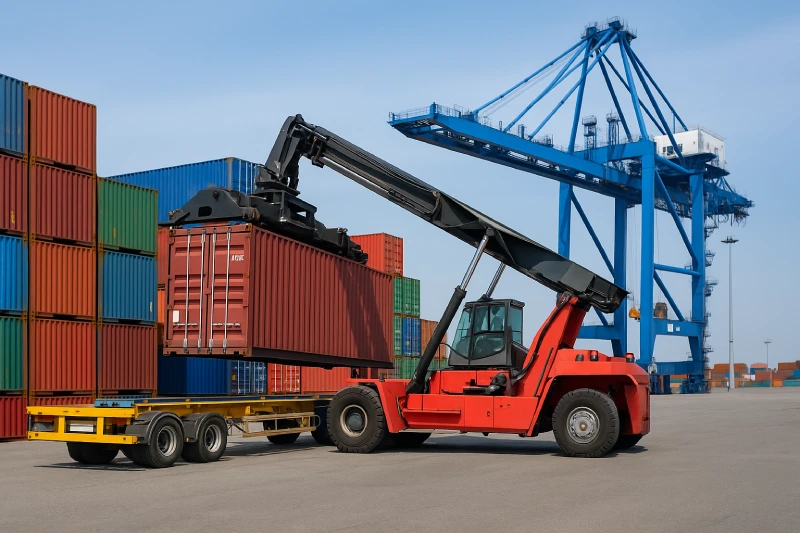
FCL pricing is based on a flat rate per container rather than per cubic meter, which means importers benefit from cost stability, especially for heavy cargo or high-value shipments. The cost structure typically includes ocean freight, port handling fees, documentation charges, and inland delivery costs on both sides—though exact numbers vary by route, season, and carrier capacity. Compared with LCL, FCL shipments also enjoy faster door-to-door transit because containers are loaded directly at the origin and unloaded only at the destination.
To ensure smooth FCL shipping, importers must pay attention to cutoff times, container loading quality, VGM submission, and seasonal surcharges such as PSS (Peak Season Surcharge) or GRI (General Rate Increase). Delays often occur when factories cannot meet loading schedules or when space tightens during peak months (August–November). Booking early and providing accurate cargo details significantly reduces these risks.
Overall, FCL offers superior reliability, speed, and control, making it the backbone of most China→USA supply chains.
LCL Shipping from China to the USA
Less than Container Load (LCL) shipping is designed for importers whose cargo volume does not justify booking a full container—typically under 10–15 CBM, depending on product characteristics and budget. Instead of reserving an entire 20GP or 40HC, your goods are consolidated with shipments from other exporters into the same container, allowing you to pay only for the space you use. This makes LCL ideal for new product launches, small-batch replenishment, multi-supplier consolidation, or early-stage Amazon sellers testing market demand.
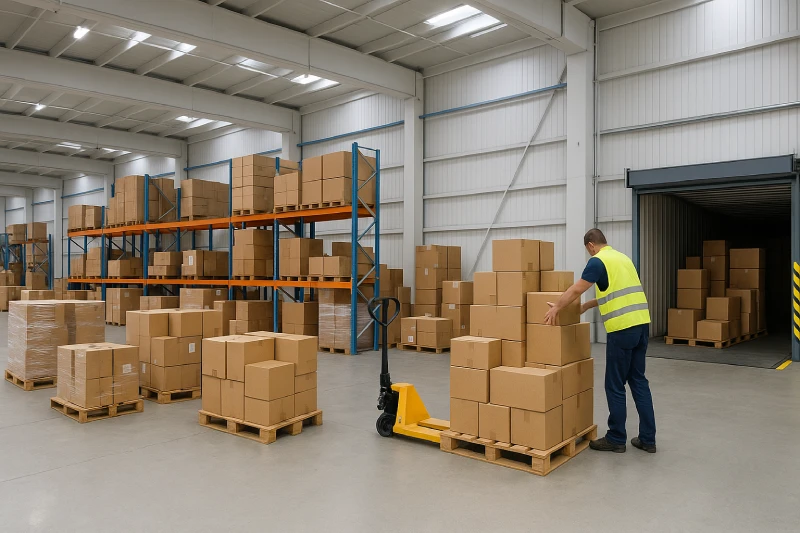
LCL is charged by revenue ton (CBM or ton, whichever is higher) and includes warehouse handling, consolidation, and deconsolidation fees. While the base ocean rate may appear low, additional charges such as origin warehouse fees, documentation, AMS, ISF filing, and destination CFS charges mean LCL’s total landed cost may be higher per cubic meter than FCL. This is why importers usually consider upgrading to FCL once shipments approach 20–25 CBM.
Transit time for LCL is generally longer than FCL due to extra consolidation steps at origin and deconsolidation at destination. Even if the vessel schedule is the same, LCL often requires additional 3–7 days at each end, especially during peak season when CFS (Container Freight Station) facilities operate at capacity. Delays may also occur when other shippers in the same consolidation miss cut-off deadlines, causing the entire container to roll to the next vessel.
To minimize risks, importers should provide accurate carton dimensions, avoid mixed-size packaging, and communicate factory readiness early. Choosing a forwarder with stable, weekly LCL service routes to major U.S. gateways (LA/LB, New York, Savannah, Seattle) ensures smoother handling and fewer delays.
Sea Freight Costs from China to the USA (High-Level Breakdown)
Sea freight pricing between China and the USA is influenced by a combination of operational, seasonal, and market-driven factors. Unlike air freight, where rates fluctuate mainly by weight and volatility, ocean freight involves multiple cost components tied to container type, route selection, carrier capacity, and port conditions. For FCL shipments, the core cost is a flat ocean rate per container, while LCL costs are calculated based on CBM or tonnage, plus consolidation-related fees.
Several key elements shape the final freight cost.
First, origin factors—such as trucking from the factory to port, export documentation, customs clearance, VGM handling, and terminal charges—directly impact total spend. Second, ocean freight itself varies by carrier, vessel schedule, and route (e.g., direct vs transshipment, Panama vs Suez routing for East Coast deliveries). Third, destination charges—including AMS filing, ISF, deconsolidation (for LCL), port handling, and last-mile delivery—add to the landed cost in the U.S.
Market conditions also play a major role. During peak seasons such as August–November or pre-Chinese New Year, carriers introduce surcharges like PSS (Peak Season Surcharge), GRI (General Rate Increase), or congestion fees when U.S. terminals experience delays. Conversely, rates typically soften during low-demand cycles.
To obtain accurate pricing, importers should prepare a complete cargo profile including weight, dimensions, commodity description, Incoterms, and destination ZIP code. Clear and complete information allows your forwarder to provide transparent, all-inclusive quotations tailored to your shipping needs.
Transit Times for Sea Freight to the USA
Transit times for sea freight from China to the United States vary widely depending on origin port, destination port, vessel schedule, and whether the route is direct or involves transshipment. In general, cargo moving to the U.S. West Coast—such as Los Angeles, Long Beach, or Seattle—takes approximately 12–18 days on the water. Shipments destined for the East Coast—New York, Savannah, or Charleston—typically require 25–35 days, as vessels must pass through the Panama Canal or follow longer all-water routes.
However, these numbers reflect port-to-port sailing time only. Importers should also factor in additional processing days at both ends of the journey. Origin CY cutoff, customs filings (ISF/AMS), loading schedules, and CFS consolidation for LCL can add several days before departure. Similarly, upon arrival in the U.S., container discharge, customs clearance, inspection, and last-mile delivery timelines can extend the door-to-door duration.
Seasonality and market conditions also influence transit reliability. Port congestion, weather disruptions, carrier service changes, and high-volume seasons—particularly pre–Chinese New Year and Q3 peak months—may cause vessels to slow down, skip ports, or roll cargo to the next sailing.
For more predictable planning, importers should consult weekly vessel schedules, maintain flexible ETAs, and work with a forwarder who monitors real-time routing adjustments to minimize delays.
Main Sea Freight Routes & Port Pairs (China → USA)
China’s extensive port network and the United States’ multi-coast geography create several major sea freight routes, each with distinct advantages in terms of cost, transit time, and supply chain stability. The most common origin ports in China include Shanghai, Ningbo, Shenzhen (Yantian/Shekou), Qingdao, and Xiamen—all of which operate frequent weekly sailings to both West Coast and East Coast gateways in the U.S.
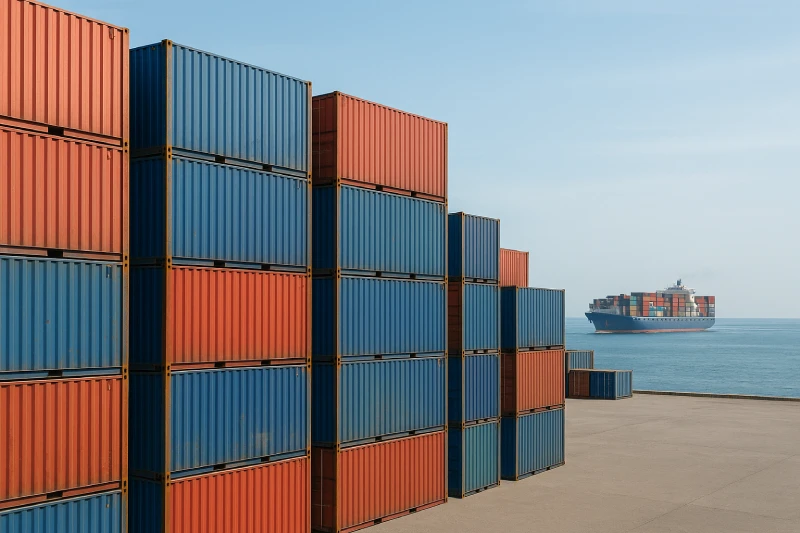
West Coast Routes (Fastest Transit Times)
Shipments from China to Los Angeles, Long Beach, Oakland, or Seattle follow direct trans-Pacific routes, offering the shortest sailing times. These lanes are ideal for high-volume importers, Amazon FBA replenishment, and time-sensitive goods where speed-to-market matters. However, West Coast ports may experience congestion during peak months, affecting inland rail availability.
East Coast & Gulf Routes (More Stable, Higher Cost)
East Coast destinations—such as New York/New Jersey, Savannah, Charleston, and Baltimore—are typically reached via the Panama Canal or Suez Canal. These longer routes provide greater distribution flexibility to the U.S. Southeast and Midwest but come with higher freight rates and longer transit. The Gulf Coast (Houston) is a strong option for energy-related or project cargo.
Route Selection Strategy
Choosing the best port pair depends on cargo location in China, final delivery ZIP code, transit tolerance, and budget. As a general rule, shipping to the closest U.S. coast reduces inland transportation cost, while routing through East Coast ports may improve reliability during West Coast congestion cycles.
Working with a forwarder who actively compares vessel schedules and port conditions helps importers optimize routing and avoid unexpected delays.
Container Types for China → USA Shipments
Choosing the right container type is essential for controlling shipping costs, protecting cargo quality, and ensuring compliance during transport from China to the United States. The majority of general goods move in standard dry containers, including 20GP, 40GP, and 40HC. Among these, the 40HC is the most widely used due to its additional height, offering better cost efficiency for lightweight or high-volume cargo.
For specialized products, shippers may require reefer containers (for temperature-sensitive goods), open-top containers (for machinery loaded from above), or flat rack containers (for oversized or overweight commodities). These equipment types come with higher rental and handling costs but offer flexibility for non-standard cargo dimensions.
When selecting a container type, importers should evaluate:
- Cargo dimensions & stacking ability
- Weight distribution and load limits
- Moisture or temperature sensitivity
- Loading method available at the factory
Proper container selection not only prevents damage but also influences routing options, freight rates, and customs inspection risk. Consulting with a forwarder early in the process helps ensure the equipment chosen matches both operational and budget requirements.
Documentation & Customs Requirements
Proper documentation is essential for avoiding delays, penalties, or customs holds when shipping from China to the United States. For export procedures in China, suppliers must prepare a Commercial Invoice, Packing List, and Bill of Lading (BL), along with any product-specific certificates if required. These documents support the export declaration and ensure the cargo can be gated in on time for vessel loading.
For U.S. import requirements, two filings are especially critical:
ISF (Importer Security Filing) — must be submitted at least 24 hours before the vessel departs from China. Missing or incorrect ISF data may result in fines or shipment holds.
AMS (Automated Manifest System) — filed by the carrier or forwarder, providing U.S. Customs with cargo details before arrival.
Upon arrival, your customs broker handles entry filing, including tariff classification (HTS codes), duty calculation, and any PGA requirements (FDA, EPA, USDA, etc.). Delays often occur when product descriptions are vague, HTS codes are inaccurate, or documents do not match the physical cargo.
To streamline clearance, importers should ensure documents are consistent across all forms, declare product values accurately, and prepare compliance information early. Working with a forwarder who coordinates customs and ocean freight together significantly reduces inspection risks and improves clearance speed.
Common Problems in Sea Freight & How to Avoid Them
Sea freight between China and the USA is generally reliable, but several recurring issues can disrupt schedules and increase costs if not properly managed. One of the most common problems is vessel delays or rolled cargo, often caused by space shortages during peak season, port congestion, or carriers adjusting their service rotations. Early booking and flexible ETDs significantly reduce this risk.
For LCL shipments, delays may occur when other shippers sharing the same consolidation fail to meet warehouse cut-off deadlines, causing the entire container to roll. Working with a forwarder that runs weekly, fixed LCL consolidations helps avoid such unpredictability. Cargo damage—though rare—is another concern in LCL, especially when cartons are irregular in size or poorly packed. Exporters should use strong outer cartons, proper palletizing, and moisture protection.
Documentation errors are another major source of customs delays. Incorrect HS codes, inconsistent product descriptions, and missing ISF data may trigger holds or inspections upon arrival in the U.S. Ensuring documents are complete and consistent across all forms prevents unnecessary complications.
Finally, inland delivery bottlenecks can occur when trucks or chassis are limited at destination ports. Pre-arranging drayage and sharing accurate delivery details with your forwarder helps ensure faster release and last-mile movement.
Best Practices for Importers
Importers shipping from China to the United States can significantly improve reliability, speed, and cost efficiency by following several proven best practices. First, plan shipments around seasonal patterns. Rates typically rise from August to November and again before Chinese New Year, so locking in space early helps avoid both cost spikes and rolled cargo. Second, provide your forwarder with complete and accurate cargo details—dimensions, weight, product descriptions, pallet configuration, and destination ZIP code—so they can secure suitable equipment, choose the optimal port pair, and prepare compliant documentation.
For FCL shipments, ensure containers are properly loaded and balanced at the factory to minimize shifting and damage during transit. For LCL, use consistent carton sizing and strong packaging to reduce consolidation delays and protect your goods. Importers should also monitor weekly vessel schedules and maintain realistic ETAs, understanding that port congestion or carrier schedule changes can impact timing.
Communication is another key factor. Keep factories, forwarders, and customs brokers aligned on pickup dates, cut-off times, and compliance requirements. Establishing a predictable workflow not only avoids unnecessary fees but also strengthens long-term supply chain stability.
Working with a forwarder who offers transparent pricing, route comparisons, and real-time tracking ensures smoother operations and better decision-making throughout the shipping cycle.
FAQ
1. Is sea freight always cheaper than air freight from China to the USA?
Yes. For medium to large volumes, sea freight offers the lowest cost per unit. Air is only suitable when speed outweighs budget.
2. Does LCL take longer than FCL?
Typically yes. LCL requires additional consolidation and deconsolidation time, adding several days at both origin and destination.
3. How early should I book during peak season?
Importers should secure space 2–3 weeks in advance from August–November and before Chinese New Year to avoid rolled cargo and price spikes.
4. Do I need an ISF filing for every FCL and LCL shipment?
Yes. ISF is mandatory for all ocean shipments entering the U.S. Failure to file correctly may result in fines and customs delays.
5. Can I ship to Amazon FBA by sea?
Yes. Both FCL and LCL can be delivered to FBA warehouses, but accurate labeling, pallet standards, and appointment scheduling are required.
Get Professional Support for Your China–USA Sea Freight Shipments
Managing sea freight from China to the USA involves many moving parts—routing choices, container planning, documentation accuracy, customs compliance, and final delivery coordination. If you want clearer cost visibility, stable vessel schedules, or tailored guidance for FCL/LCL decisions, our team at Winsail Logistics is ready to help.
Share your cargo details, and we’ll provide a customized, all-inclusive ocean freight quote along with practical recommendations to streamline your supply chain.
