

What Determines China → Russia Shipping Costs
Shipping costs from China to Russia can vary significantly because the final rate is shaped by a combination of cargo characteristics, chosen transport mode, route availability, and policy-related variables unique to China–Russia trade. In practice, the price you receive from a freight forwarder is not a flat number—it is a dynamic calculation driven by weight, volume, distance, transport speed, and geopolitical conditions.
The shipping mode remains the biggest cost driver. Sea freight is generally the most economical option for bulk cargo, but its pricing depends on container availability, port congestion, and distance to inland Russian cities. Air freight offers higher speed at a higher cost, and rates fluctuate based on airline capacity, seasonal surcharges, and the chargeable weight of the shipment. For many small to mid-size importers, DDP door-to-door has become popular, but the cost varies depending on product category, HS code, and the customs duty or VAT required in Russia.
Cargo specifications also play a major role. Volume (CBM), actual weight, and packaging efficiency directly influence the chargeable weight for air transport and the number of CBMs billed for LCL shipments. Oversized or irregularly shaped goods may incur additional handling fees. For inland destinations such as Moscow, Yekaterinburg, or Novosibirsk, last-mile trucking costs and cross-border clearance fees also add to the total.
External factors—such as peak seasons (pre-Chinese New Year), fuel surcharges, exchange rate shifts, and changes in China–Russia trade routes (direct vs transshipment)—can cause weekly rate fluctuations. Additionally, policy environments or customs inspections may affect both cost and transit time.
Understanding these variables helps importers choose the most cost-effective solution and avoid unexpected charges when shipping from China to Russia.
Average Shipping Cost Table (Sea, Air, DDP, Express)
Shipping costs from China to Russia can vary widely based on the route, cargo type, transport mode, and delivery destination inside Russia. Unlike fixed-price courier services, freight rates for sea, air, and DDP are influenced by market capacity, fuel surcharges, and the geopolitical environment affecting China–Russia trade lanes. Therefore, the best way to understand pricing is through realistic cost ranges that reflect typical market conditions for 2025.
The table below summarizes the most commonly used shipping methods and their average cost ranges. These figures serve as general reference points; actual quotations will differ depending on shipping season, Chinese origin port, Russian entry port (Vladivostok, St. Petersburg, Novorossiysk), and whether the cargo requires domestic delivery to Moscow or other inland regions.
Average China → Russia Shipping Cost
| Method | Typical Cost (Range) | Unit | Best For | Notes |
|---|---|---|---|---|
| LCL Sea Freight | $35–$85 | per CBM | 1–12 CBM shipments | Minimum billing 1–2 CBM; local port fees apply |
| FCL 20GP | $2,200–$4,200 | per container | 15–28 CBM bulk cargo | Stable rates; varies by Russia port |
| FCL 40HQ | $3,100–$5,800 | per container | 55–68 CBM large volume cargo | Lower cost per cubic meter |
| Air Freight (CIF) | $4.5–$9.5 | per kg | Urgent, high-value products | Chargeable weight rules apply |
| DDP Air Freight | $7–$14 | per kg | E-commerce, small parcels | Includes customs duty, VAT & delivery |
| DDP Sea Freight | $180–$380 | per CBM | General commercial goods | Cost changes by product category |
| Express (DHL/UPS/FedEx) | $9–$25 | per kg | Samples, lightweight cargo | Remote-area surcharge may apply |
How to Interpret These Cost Ranges
- Cheapest method overall: DDP Sea or regular LCL (best for 3–12 CBM).
- Best for urgent shipments: Air freight or Express.
- Best for large cargo: FCL 40HQ (best cost efficiency).
- Most predictable total cost: DDP (includes customs clearance & taxes).
These ranges reflect typical offers from major Chinese freight hubs including Shenzhen, Guangzhou, Ningbo, Qingdao, and Shanghai, shipping to Russia’s main gateways such as Vladivostok (fastest), St. Petersburg (stable), and Novorossiysk (for southern Russia).
For inland destinations such as Moscow, Saint Petersburg (inland delivery), Yekaterinburg, and Novosibirsk, expect $0.10–$0.35 per kg additional domestic trucking surcharge, depending on distance and delivery type.
Sea Freight Costs (LCL & FCL Pricing Logic)
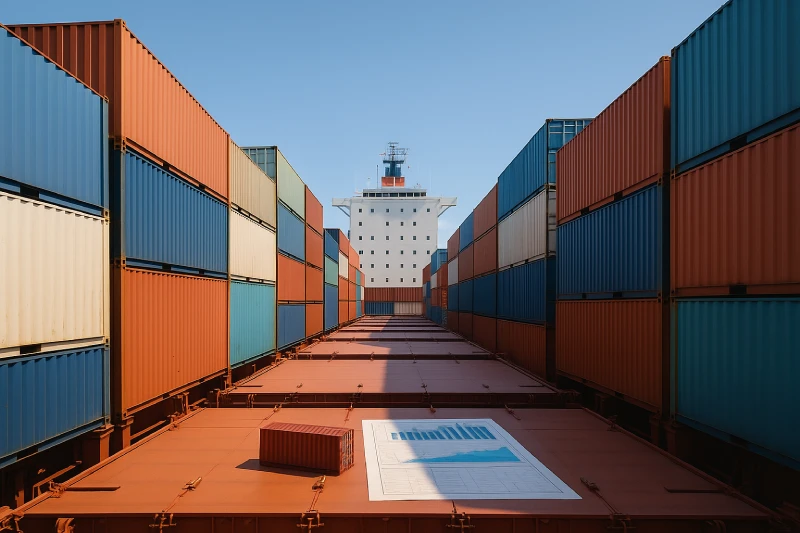
Sea freight is the most widely used and most economical option for shipping from China to Russia, especially for medium to large volumes. The final cost depends on whether you ship LCL (Less than Container Load) or FCL (Full Container Load), as the pricing logic for each mode is fundamentally different.
Understanding how charges are calculated helps importers avoid unexpected fees and choose the most cost-effective method.
LCL Sea Freight (Cost per CBM)
LCL is best for shipments under 12–15 CBM. Pricing is based on the chargeable volume (CBM), with most forwarders applying a minimum billing requirement of 1–2 CBM, even if the cargo volume is lower.
How LCL Pricing Works
Your LCL cost typically includes:
- Ocean freight rate per CBM
- Origin handling fee (OFS): warehouse handling, palletizing, consolidation
- Destination port charges: terminal fees, unpacking, documentation
- Optional last-mile delivery fees (if shipping to a specific city inside Russia)
Because multiple shippers share the same container, LCL is sensitive to local port charges, especially on the Russia side. For example, Vladivostok generally has lower handling fees and faster clearance, while St. Petersburg may involve higher terminal charges.
Typical LCL Market Logic
- Minimum: 1–2 CBM
- Density rule (1 ton = 1 CBM) may apply if cargo is extremely heavy
- Additional fees for: oversized cartons, irregular pallet size, hazardous goods
- Best for: electronics accessories, garments, general merchandise, packaged goods
FCL Sea Freight (20GP & 40HQ Container Pricing)
FCL is recommended for shipments above ~15 CBM. With FCL, you pay a flat rate per container, regardless of your actual cargo volume. This provides stability, predictability, and lower average cost per unit.
How FCL Pricing Works
A typical FCL quote consists of:
1. Base Ocean Freight
The core cost for transporting the container from a Chinese port (e.g., Shanghai, Ningbo, Shenzhen) to a Russian port (e.g., Vladivostok, St. Petersburg, Novorossiysk).
2. BAF & CAF
- BAF (Bunker Adjustment Factor): fuel surcharge
- CAF (Currency Adjustment Factor): exchange rate fluctuation buffer (applied seasonally)
3. Origin & Destination Charges
- Origin charges: VGM, documentation, THC, loading
- Destination charges: terminal fees, container handling, storage (if applicable)
4. Optional Services
- Customs brokerage
- Inland trucking to cities such as Moscow, Kazan, or Yekaterinburg
- Container return fees and demurrage risk if delays occur
Typical FCL Cost Characteristics
- Most stable pricing among all shipping methods
- Relatively less affected by weekly rate volatility
- Ideal for heavy or bulky cargo
- Best cost efficiency for 40HQ (largest usable volume)
China → Russia Sea Freight Cost Examples (Reference Route Ranges)
| Route | Typical LCL Cost | FCL 20GP | FCL 40HQ | Notes |
|---|---|---|---|---|
| Shanghai → Vladivostok | $35–$70 per CBM | $2,200–$3,500 | $3,100–$4,900 | Fastest sea route |
| Ningbo → St. Petersburg | $45–$85 per CBM | $2,800–$4,200 | $3,600–$5,500 | Longer transit, higher fees |
| Shenzhen → Novorossiysk | $40–$80 per CBM | $2,500–$4,000 | $3,300–$5,200 | Good for southern Russia |
Note: Costs vary by shipping season, port congestion, and inland trucking distance within Russia.
When to Choose LCL vs FCL
Choose LCL if:
- Your volume is below 12–15 CBM
- Cargo is lightweight and packaged efficiently
- You want lower upfront cost and flexible departures
Choose FCL if:
- Your volume exceeds 15–20 CBM
- You want predictable total cost
- Your cargo is high-value or sensitive to multiple handling
- You need door-to-door delivery to inland Russia
Sea freight remains the backbone of China → Russia trade due to its cost efficiency and capacity to handle diverse cargo types. Whether choosing LCL or FCL, understanding how prices are built allows importers to estimate costs more accurately and avoid surprise charges during customs or at destination ports.
Air Freight Costs (CIF & DDP)
Air freight is the fastest and most reliable way to transport goods from China to Russia, especially for high-value, urgent, or time-sensitive products such as electronics, machinery parts, medical supplies, or e-commerce parcels. Air freight pricing is more volatile than sea freight due to airline capacity, geopolitical factors, and seasonality.
Understanding how rates are calculated helps importers accurately estimate their cost per kilogram and choose between CIF and DDP air shipping.
How Air Freight Pricing Works
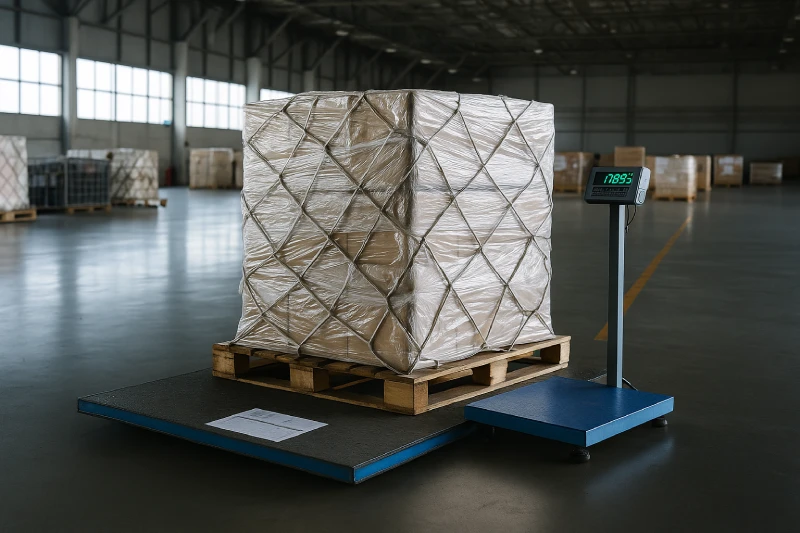
Air freight is based on chargeable weight, which compares:
- Actual weight (kg)
vs. - Volumetric weight (length × width × height ÷ 6000)
Whichever is higher becomes the chargeable weight. This ensures airlines are compensated for cargo that is light but bulky.
Additional factors influencing the final rate include:
- Flight route (direct vs transit flights via Kazakhstan, UAE, Turkey)
- Airline capacity and weekly demand
- Fuel surcharge & airline peak season fees
- Cargo type (electronics, batteries, liquids, magnetic items may require special channels)
- Departure airport (Shenzhen, Guangzhou, Shanghai, Beijing typically have more flights)
- Destination airport or gateway (Moscow, Novosibirsk, Vladivostok, etc.)
Because of these variables, air freight rates can fluctuate on a weekly basis, especially before major holidays or during global capacity shortages.
Typical Air Freight Rate Structure
Forwarders and airlines usually provide pricing by weight tiers, such as:
- 1–45 kg – highest rate (small shipments)
- 45–100 kg – mid-tier
- 100–300 kg – discounted rate
- 300+ kg – best rate per kg
Larger shipments benefit significantly from lower per-kg pricing due to better space utilization.
CIF Air Freight (Airport-to-Airport)
CIF (Cost + Insurance + Freight) covers air freight to the Russian airport, but does not include customs clearance, duties, VAT, or inland delivery. Importers choosing CIF typically work with their own clearance agent in Russia.
What CIF Includes
- Air freight to the destination airport
- Fuel surcharges (if applicable)
- Airline security fees
- Export customs & documentation in China
What CIF Does Not Include
- Russian customs clearance
- Duty & VAT
- Last-mile delivery to Moscow or other cities
Typical CIF Rates
- $4.5–$9.5 per kg, depending on route and weight tier
- Cheapest routes: Guangzhou → Moscow / Shenzhen → Moscow
- Higher rates for bulky shipments or special cargo (batteries, liquids)
CIF is best for experienced importers with local agents in Russia or for companies shipping high-value goods to major hubs like Moscow Sheremetyevo (SVO).
DDP Air Freight (Door-to-Door)
DDP (Delivered Duty Paid) is increasingly popular for e-commerce sellers and small to medium importers because it includes customs clearance, duty, VAT, and final delivery to the customer’s address in Russia.
What DDP Includes
- Air freight
- Export customs in China
- Import clearance in Russia
- Duty & VAT (depending on HS code)
- Delivery to Moscow, St. Petersburg, or nationwide (depending on service plan)
Typical DDP Air Rates
- $7–$14 per kg, depending on product category, HS code, and whether taxes are included
- Higher rates apply to special cargo (batteries, cosmetics, personal care)
- Additional charges for remote regions (Siberia, Far East)
DDP Air is often used by:
- Amazon/e-commerce sellers
- Small parcel shipments (5–200 kg)
- Businesses wanting “no-touch” customs handling
- Importers unfamiliar with Russian clearance procedures
CIF vs DDP — Which One Should You Choose?
| Condition | Best Choice | Reason |
|---|---|---|
| You prefer handling clearance on your own | CIF Air | Lower cost; more control |
| You want all-inclusive service with no customs hassle | DDP Air | Duty, VAT & delivery included |
| You ship small parcels frequently | DDP Air | Optimized for e-commerce |
| You ship high-value goods with strict delivery deadlines | CIF or DDP Air | Fastest transit time |
Air freight remains the fastest and most reliable transportation method between China and Russia. Whether you choose CIF or DDP depends on your budget, product category, customs ability, and delivery requirements. For most buyers who want predictable, all-inclusive pricing, DDP Air offers the simplest and most stable cost structure, especially for small to mid-size shipments.
DDP (Door-to-Door) Shipping Costs
DDP (Delivered Duty Paid) shipping has become one of the most widely used solutions for small and medium-sized importers shipping from China to Russia. This method provides an all-inclusive cost structure that covers freight, customs clearance, duties, VAT, and final delivery to the consignee’s address. For many businesses—especially e-commerce sellers—DDP offers simplicity, predictability, and minimized customs risk.
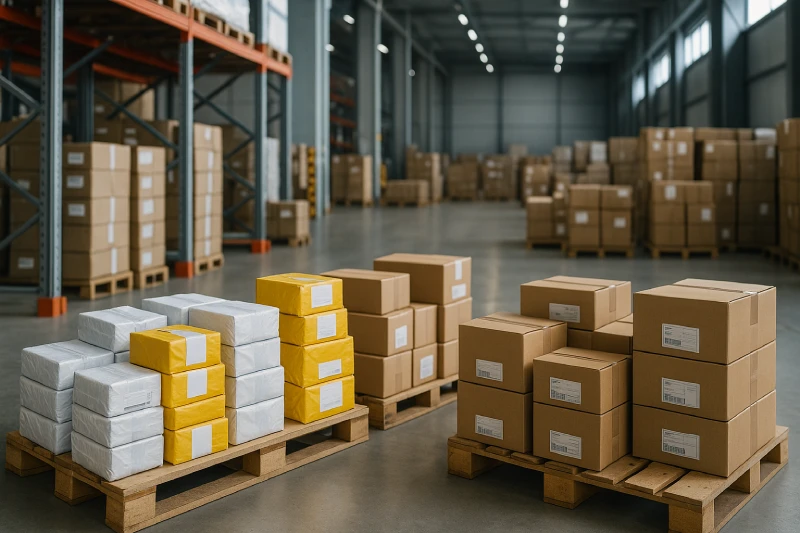
However, because DDP includes multiple cost components that vary by product type and destination, its pricing is more complex than sea or air freight alone. Understanding what drives DDP rates helps importers evaluate whether it is the most economical option for their shipments.
What Determines DDP Shipping Costs
DDP prices are influenced by four major factors:
1. Product Type & HS Code
Different categories of goods attract different Russian import duties and VAT rates.
For example:
- Electronics and machinery often have lower import duties
- Apparel, cosmetics, food-related products may incur higher taxes
- Batteries, liquids, and sensitive items require special channels with higher handling costs
Since DDP includes the taxes, items with higher VAT or duty naturally produce a higher per-kg or per-CBM price.
2. Shipping Mode (DDP Air vs DDP Sea)
Both options exist, but they serve different volume ranges:
- DDP Air: Best for parcels under 200–300 kg or for urgent goods
- DDP Sea: Best for 2+ CBM shipments with flexible delivery time
Transit time and inland delivery distance inside Russia also affect the total cost.
3. Delivery Location inside Russia
Costs vary significantly between regions:
- Moscow & St. Petersburg: Most economical, largest delivery networks
- Central Russia: Slightly higher due to mileage and delivery scheduling
- Far East / Siberia / North Caucasus: Higher domestic trucking fees
DDP providers calculate last-mile delivery based on either volumetric weight (for air) or CBM/tonnage (for sea).
4. Customs Inspection & Clearance Complexity
Although DDP includes customs procedures, some products require:
- Extra documentation
- Safety certification
- Sanitary inspections
- Longer processing time
These increase handling costs for the forwarder and can influence the final DDP rate.
DDP Air Freight Costs (China → Russia)
DDP air is the most convenient option for small parcels and e-commerce shipments.
Typical DDP Air Rate Range
- $7–$14 per kg depending on:
- HS code & tax amount
- Battery or sensitive cargo surcharge
- Delivery location (Moscow cheapest; remote regions more expensive)
Best For
- E-commerce parcels (5–200 kg)
- High-value goods
- Time-sensitive shipments
- Importers without customs clearance capability
Pros
- Fastest end-to-end delivery
- No customs responsibility for the buyer
- Transparent cost
Cons
- Higher per-kg cost than CIF Air
- Restrictions on liquid, magnetic, or dangerous cargo
DDP Sea Freight Costs (China → Russia)
DDP Sea Freight is the most cost-efficient door-to-door solution for medium-volume cargo.
Typical DDP Sea Rate Range
- $180–$380 per CBM depending on:
- Product type & HS code
- Volume (higher CBM reduces per-unit cost)
- Destination city inside Russia
- Port choice (Vladivostok vs St. Petersburg vs Novorossiysk)
Best For
- Shipments above 2–12 CBM
- Non-urgent commercial goods
- Importers wanting stable, predictable cost per CBM
Pros
- Lowest overall cost for door-to-door shipping
- Includes taxes and inland trucking
- Low risk of surprise fees
Cons
- Longer transit time
- Possible port congestion delays
- Higher minimum volume requirements compared to air DDP
DDP Air vs DDP Sea — Quick Comparison
| Feature | DDP Air | DDP Sea |
|---|---|---|
| Cost | Higher per kg | Lowest cost per CBM |
| Speed | Fast | Slow |
| Best Volume | 1–200 kg | 2–12+ CBM |
| Tax Included | Yes | Yes |
| Delivery Area | Nationwide | Nationwide |
| Ideal For | E-commerce, small cargo | General commercial cargo |
When Should Importers Choose DDP?
Choose DDP if you want:
- A fixed and predictable total landed cost
- No customs involvement
- No need to coordinate with Russian brokers
- A single forwarder handling the full door-to-door process
- The simplest, lowest-risk logistics solution
DDP is especially valuable for small and mid-size companies entering the Russian market or importers without local clearance resources.
Express Courier Costs (DHL/UPS/FedEx)
Express courier services—primarily DHL, UPS, and FedEx—remain the fastest and most predictable way to ship small parcels from China to Russia. These services operate on fixed global networks, offering door-to-door delivery with clear tracking and guaranteed transit times. Although express shipping is more expensive than air freight or DDP services, it is ideal for samples, small urgent shipments, high-value electronics, and low-volume e-commerce orders.
Because Russia spans multiple time zones and includes remote areas with limited logistics coverage, express rates can vary significantly depending on the destination city.
How Express Courier Pricing Works
Express services use a zone-based + weight-tier pricing system, and the final cost depends on:
1. Chargeable Weight (Actual vs Volumetric)
- Volumetric weight = L × W × H (cm) ÷ 5000
- The higher value (actual or volumetric) becomes the billable weight.
This means lightweight but bulky items may incur higher costs.
2. Destination Zone Inside Russia
Major cities such as Moscow, St. Petersburg, Kazan, Yekaterinburg fall under standard zones with stable pricing.
However, Express carriers apply higher fees for:
- Remote regions (Siberia, Far East)
- Hard-to-reach postal codes
- Low-density delivery areas
This is reflected in Remote Area Surcharges (RAS).
3. Fuel Surcharge & Peak Season Fees
All express carriers adjust fuel surcharges monthly, and during peak periods (e.g., November–December ecommerce season), additional “Peak Season Surcharges” may apply.
4. Special Handling Fees
Extra charges apply for:
- Lithium batteries
- Magnetic products
- Oversized parcels
- High-declared-value goods (insurance)
Typical Express Courier Rates
| Service | Typical Cost (Range) | Unit | Best For | Notes |
|---|---|---|---|---|
| DHL Express | $10–$25 per kg | Per kg | Samples, small parcels | Fastest network to Russia |
| FedEx International Priority | $12–$26 per kg | Per kg | Electronics, accessories | Good tracking + reliability |
| UPS Worldwide Expedited | $11–$24 per kg | Per kg | E-commerce replenishment | Potential RAS for remote areas |
| Postal EMS (Economy) | $6–$12 per kg | Per kg | Budget small parcels | Slower, limited tracking |
Note: Minimum billing weight is usually 0.5–1 kg. Costs increase for remote Russian regions.
Transit Time for Express Courier Delivery
- Moscow / St. Petersburg: 3–6 days
- Central Russia: 5–9 days
- Siberia / Far East: 7–14 days depending on exact location
Delays may occur during customs inspections or peak ecommerce seasons.
When Should Importers Choose Express?
Express courier services are recommended when:
- You need fast delivery with full tracking
- Your shipment is under 20–30 kg
- You are sending product samples or prototypes
- You prefer door-to-door convenience with minimal handling
- Your cargo value is high relative to its weight
For e-commerce sellers with frequent small shipments, express services offer reliability but may not be cost-effective without bulk discounts.
Comparison: Express vs Air Freight vs DDP
| Feature | Express | Air Freight (CIF) | DDP Air |
|---|---|---|---|
| Speed | Fastest | Fast | Fast |
| Cost | Highest per kg | Medium | Medium–High |
| Customs | Included | Not included | Included |
| Best For | Samples, urgent goods | High-value or large parcels | E-commerce, small cargo |
| Tracking | Excellent | Good | Good |
Express remains the go-to solution for urgent, small, or high-value items from China to Russia. While more expensive, its reliability and door-to-door simplicity make it a preferred choice for time-sensitive deliveries.
Full Breakdown of Cost Influencing Factors
Shipping costs from China to Russia are shaped by a wide combination of commercial, operational, and regulatory variables. Unlike standard courier pricing, freight costs are dynamic and fluctuate based on market supply, seasonality, product compliance requirements, and even geopolitical conditions affecting China–Russia trade routes. Understanding these factors helps importers plan better, avoid unexpected charges, and choose the most cost-effective shipping method.
Below is a complete breakdown of the most important factors influencing China → Russia shipping cost.
1. Cargo Volume (CBM) & Weight
Why it matters
- Sea freight: Cost is primarily based on volume (CBM)—especially for LCL shipments.
- Air freight & Express: Cost is based on chargeable weight, comparing actual vs volumetric weight.
Impact on cost
- Bulky goods increase volumetric weight and raise air freight rates.
- Low-density cargo often triggers the volumetric formula, making air freight expensive.
- FCL becomes more cost-efficient once cargo exceeds 15–20 CBM.
2. Packaging Efficiency
Why it matters
Inefficient packaging increases dimensions and affects both CBM and chargeable weight.
Impact on cost
- A reduction of 10–20% in packaging volume can create substantial cost savings for air or LCL shipments.
- Oversized pallets or irregular shapes may incur handling surcharges in both China and Russia.
Best practice
Request suppliers to use tight, reinforced packaging to reduce wasted space while protecting the cargo.
3. Shipping Route (Direct vs Transshipment)
Why it matters
China → Russia routes can differ significantly in speed and cost depending on the port or airport used.
Examples
Sea Freight:
- Direct routes to Vladivostok are cheaper & faster.
- Shipments to St. Petersburg often involve transshipment through Europe or the Middle East.
Air Freight:
- Direct China–Moscow flights cost more but reduce transit time.
- Indirect routes via Kazakhstan, UAE, or Turkey may offer lower rates.
Impact on cost
Direct routes = faster, more reliable, slightly higher cost
Transshipment = cheaper but risk of delays
4. Peak Season & Market Surcharges
Why it matters
Shipping costs fluctuate with global demand and carrier capacity.
Peak periods
- Pre–Chinese New Year
- Back-to-school season (Aug–Sep)
- Double 11 / Black Friday / Christmas
- Periods of port congestion or airline shortages
Impact on cost
Rates can increase 10–40% during high-demand weeks.
Air freight experiences especially sharp fluctuations.
5. Customs Clearance & Compliance Requirements
Why it matters
Russia enforces strict controls on certain product categories, which impacts handling time and cost.
Affected products
- Batteries, electronics components
- Cosmetics, food-related items
- Magnetic or chemical items
- Machinery requiring certificates
Impact on cost
- Additional paperwork leads to higher DDP or clearance costs
- Customs inspections may cause storage or demurrage charges
- Incorrect HS codes can increase duties or VAT
6. Incoterms (EXW, FOB, CIF, DAP, DDP)
Why it matters
Incoterms determine who pays for what at each stage of shipment.
Cost impact by Incoterm
- EXW: Buyer pays for pickup from the factory (higher cost for inland China)
- FOB: Supplier covers origin charges; buyer pays freight
- CIF: Freight paid to Russia port, but buyer handles clearance
- DAP: Door delivery included, but duties not included
- DDP: All-inclusive pricing (most expensive but most predictable)
Best option for beginners
DDP, as it eliminates customs risks and unexpected charges.
7. Freight Mode (Sea, Air, Express, Rail, DDP)
Why it matters
Transport mode determines speed, cost, and total landed cost.
General cost hierarchy (lowest → highest)
- DDP Sea / LCL
- FCL
- CIF Air
- DDP Air
- Express Courier
Impact on cost
Choosing the wrong mode can double or triple shipping costs for certain cargo types.
For example, shipping a 50 kg bulky parcel by express is far more expensive than DDP air freight.
8. Delivery Destination Inside Russia
Russia’s geographic scale affects long-haul trucking rates and domestic lead time.
Cost difference examples
- Moscow / St. Petersburg: Lowest delivery cost
- Yekaterinburg / Kazan: Moderate additional trucking fees
- Siberia / Vladivostok / Khabarovsk: Higher long-distance surcharges
Impact on cost
Most DDP services adjust price based on distance from major hubs.
9. Special Cargo & Handling Requirements
Examples that trigger extra charges
- Lithium batteries
- Cosmetics / liquids
- Chemical products
- Oversized machinery
- Fragile items requiring wooden crating
- Cold chain goods
Impact on cost
- Airlines may require dedicated channels, raising per-kg rates
- Sea freight terminals may add hazard/oversize handling fees
10. Currency Fluctuation & Geopolitical Factors
Why it matters
The China–Russia trade corridor is sensitive to:
- Exchange rate fluctuations (RMB–USD–RUB)
- Sanctions or routing restrictions
- Shifts in airline or ocean carrier capacity
Impact on cost
- Fuel surcharges may spike
- Some routes may be temporarily unavailable
- Freight rates may increase unexpectedly
How to Reduce Shipping Costs
While shipping rates between China and Russia fluctuate due to demand, seasonality, and route conditions, importers can reduce logistics costs by making a few strategic decisions early in the process. The key is to optimize volume, select the right transport mode, and avoid unnecessary fees related to documentation or packaging.
In general, the most effective ways to reduce shipping costs include:
- Choosing the most suitable shipping method (LCL, FCL, air, DDP, or express) based on shipment size rather than habit or convenience.
- Consolidating shipments to reach cost-efficient thresholds (e.g., switching from LCL to FCL at ~15–20 CBM, or using DDP Air for parcels instead of express).
- Optimizing packaging to minimize CBM for sea freight or chargeable weight for air freight.
- Booking during non-peak periods to avoid seasonal rate spikes and limited capacity.
- Using the closest major ports or airports in both China and Russia to reduce local charges and inland trucking fees.
- Ensuring accurate documentation and HS codes, since customs issues often lead to extra storage, demurrage, or inspection charges.
Each of these actions can reduce total landed cost and improve shipping efficiency.
For importers seeking a deeper, step-by-step optimization framework, Winsail provides a full guide covering consolidation strategies, packaging tips, and methods to avoid hidden charges.
👉 For the complete detailed guide, see: How to Reduce Shipping Costs & Delivery Time .
FAQs
1. Why do two freight forwarders quote different prices for the same shipment?
Freight rates vary because each forwarder uses different carrier contracts, shipping routes, consolidation schedules, and customs-handling partners in Russia. Some quotes include hidden destination charges or tax components, while others use lower initial rates but add extra fees later. Always compare quotes line-by-line, not just the total price.
2. Are there hidden costs I should watch out for when shipping to Russia?
Yes. Common additional charges include port storage, customs inspection fees, oversized cargo handling, remote-area delivery surcharges, and incorrect HS code penalties. Many of these costs are avoidable with proper documentation, accurate cargo dimensions, and selecting the right shipping method (e.g., DDP for all-inclusive pricing).
3. How much do customs duties and VAT usually add to the total shipping cost?
This depends entirely on the HS code and product classification. Some items are taxed lightly (e.g., certain electronics), while others—such as apparel or cosmetics—carry higher duty and VAT percentages. Since duties are calculated on CIF value, higher freight costs can slightly increase tax amounts as well.
4. Does shipping speed always increase cost, or are there exceptions?
Generally, faster modes like air freight or express courier cost more. However, when LCL port congestion is severe or inland trucking capacity is limited, DDP Air may temporarily become competitive for small-to-medium shipments. The cheapest option is not always the slowest—it depends on market conditions and shipment size.
5. How do I estimate costs for inland delivery inside Russia?
Russian domestic trucking is priced mainly by distance, cargo size, and demand in the destination region. Deliveries to Moscow or St. Petersburg are generally the most economical due to high traffic and dense logistics networks, while deliveries to Siberia or the Far East can add significant surcharges. Providing an accurate delivery address helps forwarders calculate inland costs more precisely.
Get an Accurate Shipping Cost for Your Shipment
Because freight rates to Russia fluctuate based on cargo type, seasonality, and the specific delivery location, the most reliable way to understand your actual cost is through a tailored quotation. Each shipment has its own requirements—whether it’s choosing the right port, optimizing packaging, or determining whether LCL, FCL, air freight, or DDP provides the best value.
If you already know your shipment’s volume, weight, and destination city, you can request a detailed cost breakdown and compare the available options. Winsail Logistics can provide current market rates, recommended shipping methods, and an estimated total landed cost based on your product category and customs profile.
Simply share your cargo details, and a tailored China → Russia cost estimate can be provided—typically within 24 hours—so you can plan confidently and avoid unexpected expenses.
Disclaimer & Update Note
Shipping rates from China to Russia change frequently due to fuel adjustments, carrier capacity, seasonal demand, and changes in customs or regulatory requirements. All cost ranges and examples in this guide are provided for general reference only and should not be regarded as fixed quotations.
Actual prices may vary based on your cargo specifications, shipping date, and delivery destination inside Russia. This page is updated regularly to reflect 2025 market conditions, but for the most accurate cost estimate, a real-time quotation is always recommended.
