

What Determines China → USA Shipping Costs
Shipping costs from China to the USA are shaped by a combination of market forces, cargo characteristics, and continuously evolving trade policies between the two countries. While transport mode (sea, air, DDP, express), shipment size, and route selection remain the core pricing drivers, recent changes in U.S. tariff schedules and China–U.S. trade dynamics have made cost forecasting more complex. This means shippers must consider not only freight rates, but also duty exposure, compliance requirements, and potential surcharges that may fluctuate throughout the year.
Ocean freight is generally the most cost-effective option, but rates vary depending on container availability, carrier capacity, port congestion, and whether the shipment is LCL or FCL. Air freight, on the other hand, is influenced heavily by chargeable weight, fuel costs, airline routing, and seasonal demand—especially during peak e-commerce months. For DDP shipments, the final landed cost becomes even more sensitive to product type, HS code classification, and U.S. customs adjustments, as certain categories may be subject to additional duties or Section 301 tariffs.
In practice, external factors also contribute to pricing volatility: global fuel price changes, geopolitical risks, shifts in consumer demand, and regulatory updates affecting security screening or customs documentation. Because the China–USA trade lane remains one of the busiest and most politically sensitive corridors in global logistics, rates can change quickly and sometimes unexpectedly. As a result, businesses shipping to the U.S. increasingly rely on flexible quoting cycles, proper HS code classification, and real-time freight market updates to maintain accurate cost expectations.
For a broader view of routes and shipping methods on this lane, you can refer to our full China–USA shipping overview.
Average Shipping Cost Table (Sea, Air, DDP, Express)
Shipping costs from China to the USA vary widely depending on the transport mode, shipment size, port pair, and the level of service required. Ocean freight remains the lowest-cost option for bulk cargo, while air freight and express services are priced higher due to faster transit times and stricter handling requirements. For businesses using DDP, the final cost includes freight, customs clearance, duty/tax, and last-mile delivery—making it one of the most convenient but also most variable service types.
The table below summarizes typical cost ranges for common shipping methods. These values reflect current 2025 market trends but may fluctuate based on fuel prices, seasonal demand, carrier capacity, and U.S. tariff adjustments. They are designed to provide a quick benchmark for planning and comparison:
Featured Snippet–Ready Cost Table
| Method | Typical Cost Range | Unit | Best For | Notes |
|---|---|---|---|---|
| LCL Sea Freight | $35 – $65 | per CBM | 1–12 CBM cargo | Minimum 1–2 CBM charge; origin & destination fees apply |
| FCL 20GP | $1,200 – $2,500 | per container | Medium-volume shipments | Most stable rate; varies by port pair (e.g., Shanghai → LA vs Ningbo → NY) |
| FCL 40HQ | $1,800 – $3,800 | per container | High-volume shipments | Best cost-per-volume; subject to GRI/BAF/peak surcharges |
| Standard Air Freight | $4.50 – $8.50 | per kg | Urgent shipments | Price depends on chargeable weight, fuel surcharge, and airline |
| DDP Air Freight | $7.50 – $12.00 | per kg | E-commerce, small parcels | Includes duty/tax and final delivery in the U.S. |
| DDP Sea Freight | $180 – $320 | per CBM | General cargo | Landed-cost model; cost depends on HS code and U.S. duty rate |
| Express Courier (DHL/UPS/FedEx) | $6.50 – $12.50 | per kg | Samples & high-priority | Volumetric weight applies; remote area surcharge possible |
Additional Notes for Users
• These rates are estimates, not fixed prices. The China → USA lane is affected by weekly market movements, especially during peak seasons (Q3–Q4) and when U.S. trade policies adjust tariff categories.
• Ocean rates can rise significantly during space shortages or when carriers implement GRI (General Rate Increase).
• Air freight may fluctuate based on global fuel prices and airline capacity constraints.
• DDP rates depend heavily on HS code, duty rate, and whether the product falls under additional U.S. Section 301 tariffs.
• Express rates change when courier companies adjust fuel indices or apply emergency surcharges.
Sea Freight Costs (LCL & FCL Pricing Logic)
Sea freight is the most cost-efficient way to ship goods from China to the USA, especially for cargo above 2–3 CBM or full-container loads. However, ocean rates are not fixed and can change frequently based on carrier capacity, demand patterns, and port-level conditions on both sides of the Pacific.
Understanding how LCL and FCL pricing is calculated helps businesses forecast costs and choose the most appropriate mode.
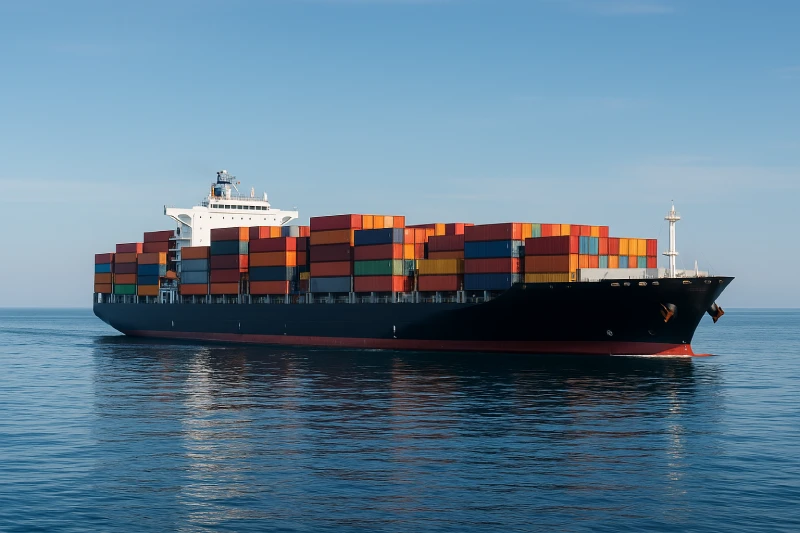
LCL Pricing Logic (Cost per CBM + Minimum Charges)
LCL (Less than Container Load) is charged on a per-CBM basis, usually with a 1–2 CBM minimum. The total cost includes:
- Origin charges (warehouse handling, consolidation, customs filing)
- Ocean freight (per CBM rate)
- Destination charges (deconsolidation, documentation, AMS fee, port handling)
- Additional surcharges (peak season, GRI, EIS, or port congestion depending on USA port)
Since LCL shipments combine cargo from multiple shippers, the handling process at both ends is more complex, which explains why destination charges often represent a significant portion of the final cost. Cargo going to Los Angeles/Long Beach tends to have more stable pricing, while New York, Savannah, and Houston may see higher destination fees.
FCL Pricing Logic (20GP & 40HQ Container Rates)
FCL (Full Container Load) pricing is more straightforward: shippers pay a flat rate per container, regardless of how full it is. Typical FCL cost components include:
- Base ocean freight (spot or contract rate)
- BAF / fuel surcharge
- PSS / GRI during peak season
- Documentation + security surcharges
- Destination terminal charges in the U.S.
FCL offers the best cost-per-unit volume and more predictable transit conditions. However, rates can rise significantly if carriers reduce capacity, blank sailings increase, or major U.S. ports face congestion—conditions that frequently appear during Q3–Q4.
China → USA Mini Cost Table (Typical Ranges)
(All figures represent typical ranges for 2025; actual quotes may vary.)
| Route | LCL Cost per CBM | FCL 20GP | FCL 40HQ | Notes |
|---|---|---|---|---|
| Shanghai → Los Angeles | $35–$55 | $1,200–$1,800 | $1,700–$3,200 | Fastest transit; best rate stability |
| Shenzhen/Yantian → Los Angeles | $38–$60 | $1,250–$1,900 | $1,800–$3,300 | Strong consumer goods volume; peak surcharges common |
| Ningbo → New York | $45–$70 | $1,600–$2,400 | $2,300–$3,800 | Higher destination fees; longer transit |
| Qingdao → Houston | $40–$65 | $1,400–$2,200 | $2,000–$3,500 | Good for Midwest/South distribution |
| Xiamen → Savannah | $42–$68 | $1,550–$2,350 | $2,200–$3,700 | Can face East Coast congestion cycles |
Additional Factors Affecting China–USA Sea Freight Costs
- Port congestion: Particularly during peak retail seasons or labor disruptions.
- Tariff impact on landed cost: While ocean freight itself is not taxed, U.S. tariff changes (e.g., Section 301) affect the total landed cost, influencing service selection (e.g., more DDP sea due to cost predictability).
- Cargo type: Hazardous, oversized, or temperature-controlled cargo requires specialized equipment and surcharges.
- Sailing schedules: Direct services cost more but reduce delays; transshipment options may be cheaper but slower.
For most SMEs shipping regularly to the U.S., sea freight remains the most reliable and cost-effective option, provided that shippers plan ahead and monitor rate fluctuations—especially during the second half of the year.
Air Freight Costs (CIF & DDP)
Air freight is the fastest and most reliable way to move goods from China to the USA, especially for high-value, time-sensitive, or small-batch shipments. However, air rates fluctuate more aggressively than sea freight due to limited cargo space, fuel price changes, and airline routing adjustments.
The price a shipper pays is determined by chargeable weight, route availability, commodity type, and whether the service is standard CIF air freight or DDP (Delivered Duty Paid) air freight.
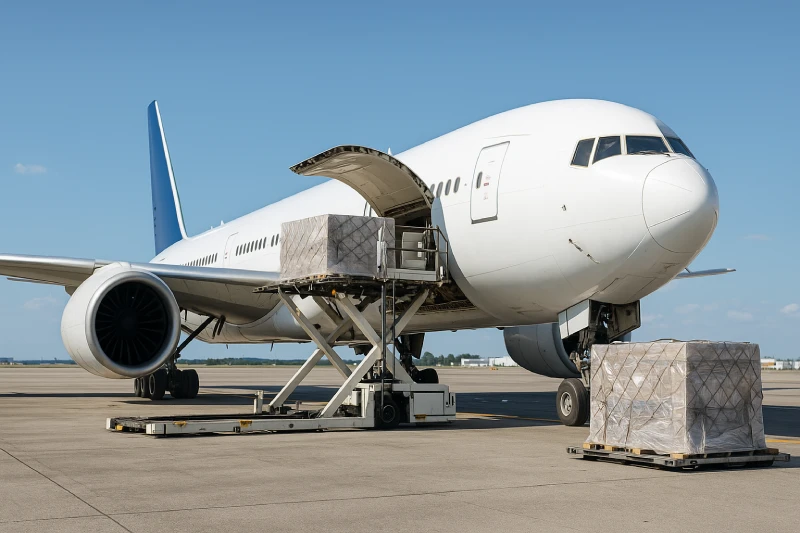
How Air Freight Pricing Works (Chargeable Weight + Surcharges)
Air freight is priced using the higher of actual weight or volumetric weight, calculated using airline formulas (typically length × width × height ÷ 6000). For bulky but lightweight cargo, volumetric weight will apply.
Other cost components include:
- Fuel surcharge (FSC)
- Security surcharge
- Airline peak-season surcharge
- Terminal handling at origin and destination
- AMS filing fees for U.S. imports
Rates can increase sharply during Q4 due to e-commerce demand and reduced belly capacity on passenger flights—conditions historically common on the China–USA lane.
CIF Air Freight (Airport-to-Airport Pricing)
CIF (Cost, Insurance & Freight) offers a straightforward airport-to-airport service. Shippers cover:
- Export clearance in China
- Air freight rate per kg
- Airline fuel & security surcharges
The consignee in the USA is responsible for:
- Import customs clearance
- Duties & taxes based on HS code
- Destination handling charges
- Final delivery
This option is usually cheaper upfront but requires the buyer to manage U.S. customs, which can be complex under shifting tariff policies or for first-time importers.
DDP Air Freight (All-In Door-to-Door Pricing)
DDP consolidates all costs—including freight, U.S. customs clearance, duty/tax, and final delivery—into a single landed rate per kg. This service is popular for e-commerce sellers, Amazon FBA shipments, and businesses without a U.S. importer entity.
DDP pricing varies depending on:
- HS code and duty rate (some categories affected by Section 301 tariffs)
- Product value and declaration strategy
- Delivery address (west coast vs east coast)
- Cargo type restrictions (batteries, liquids, branded goods)
While DDP per-kg cost is higher than CIF, it removes the risk of hidden fees and simplifies the entire import process.
Typical 2025 Air Freight Cost Ranges
| Weight Tier | CIF Air Freight (Typical) | DDP Air Freight (Typical) | Notes |
|---|---|---|---|
| 1–45 kg | $6.00 – $10.00/kg | $9.00 – $14.00/kg | Best for sample shipments or urgent parts |
| 45–100 kg | $5.20 – $8.20/kg | $8.50 – $12.50/kg | Better rate stability; common e-commerce tier |
| 100–300 kg | $4.50 – $7.20/kg | $7.80 – $11.80/kg | Airlines offer volume-based discounts |
| 300+ kg | $4.00 – $6.80/kg | $7.20 – $11.50/kg | Ideal for high-volume and urgent restocks |
Other Factors That Impact China → USA Air Freight Rates
- Fuel index adjustments (weekly airline updates)
- China origin airport selection (Shenzhen/Guangzhou often cheaper than Shanghai during peak months)
- USA destination airport (LAX/ORD/DFW more stable; JFK sometimes faces congestion)
- Commodity type (electronics, lithium batteries, cosmetics may require special handling)
- Flight capacity shifts (holiday seasons, geopolitical events, pandemic-era disruptions)
Air freight offers unmatched speed, but shippers should expect weekly rate fluctuations and always compare multiple routing options for the best cost-to-time balance.
DDP (Door-to-Door) Shipping Costs
DDP (Delivered Duty Paid) is the most predictable and convenient shipping method for businesses sending goods from China to the USA. Under DDP, the freight forwarder handles all logistics and customs responsibilities, including export clearance, ocean or air freight, U.S. customs declaration, duty/tax payment, and last-mile delivery. This makes DDP a preferred option for Amazon FBA sellers, e-commerce brands, and small businesses that do not have a U.S. importer of record.
However, because DDP consolidates multiple cost components into a single all-in rate, its final pricing varies more widely than other modes. The most important cost drivers include HS code, duty rate, whether the product is subject to Section 301 tariffs, and the chosen transport mode (air vs sea).
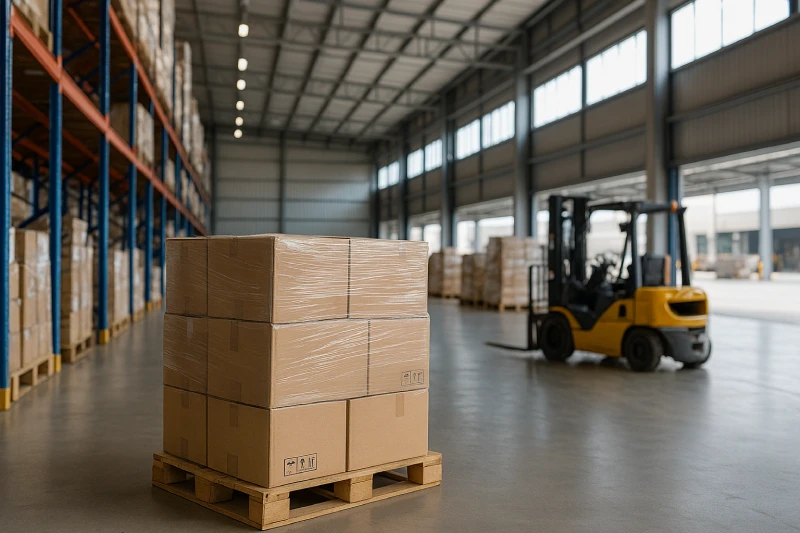
DDP Cost Structure — What’s Included
A standard China → USA DDP price typically covers:
- Export clearance & China-side documentation
- Air or sea freight
- Cargo handling at origin and destination
- U.S. customs clearance
- Duty & tax prepayment (based on product HS code)
- Final delivery to warehouse, commercial address, or Amazon FBA
This end-to-end model reduces risk for importers and eliminates the possibility of unexpected port or customs fees—one of the biggest pain points for first-time shippers.
DDP Air vs DDP Sea — Cost Differences
DDP Air Freight
- Higher per-kg cost, faster delivery (6–12 days door-to-door)
- Designed for high-value goods or urgent shipments
- Pricing becomes more sensitive for products with high duty rates or complex HS codes
- More volatile due to airline fuel index changes
Typical DDP Air Cost Range (2025)
- $7.50 – $12.00 per kg (depending on HS code, value declaration, and destination)
- East Coast deliveries (NY/NJ/PA) generally cost more due to extended last-mile transport
DDP Sea Freight
- Lower cost per CBM, slower transit (28–40 days door-to-door)
- Best for bulk shipments, general cargo, and stable replenishment cycles
- Less affected by weekly market volatility
- Often the cheapest “fully landed cost” option for the U.S. market
Typical DDP Sea Cost Range (2025)
- $180 – $320 per CBM
- Minimum charge usually based on 1–2 CBM
- Deliveries to interior states (TX, IL, CO, GA) may include additional trucking fees
What Makes DDP Cost Fluctuate?
1. HS Code & Duty Rate
U.S. Section 301 tariffs can significantly change the landed cost for specific product categories.
- Some goods have 0–5% duty
- Others exceed 25% additional tariffs
DDP providers must prepay these amounts, so the final quotation reflects the correct HS classification.
2. Product Restrictions
Batteries, liquids, cosmetics, branded goods, or electronics may require special handling, higher declarations, or controlled routing.
3. Value Declaration Strategy
Higher declared value = higher duty + higher risk insurance
Lower declared value = more cost-efficient but must remain legally compliant
4. U.S. Final Delivery Location
Coastal cities (LA/Seattle) = lower trucking cost
Midwest/East Coast = higher last-mile delivery fees
5. Market Conditions
- Fuel price changes
- Holiday demand spikes
- Airline capacity shortages
- Port congestion on U.S. West/East Coast
Why Shippers Choose DDP
- Full cost transparency
- No need for an importer of record
- Duty & tax handled by the forwarder
- Ideal for e-commerce & FBA replenishment
- Predictable delivery timelines
- Eliminates hidden charges at U.S. ports
For SMEs and online sellers targeting the U.S. market, DDP offers the lowest operational risk and the most stable end-to-end cost control—especially in an environment where U.S. tariff policies may continue shifting.
Express Courier Costs (DHL/UPS/FedEx)
Express courier services such as DHL, UPS, and FedEx offer the fastest and most predictable delivery from China to the USA, typically within 3–7 days door-to-door. These services are ideal for small parcels, sample shipments, urgent production parts, or high-value items that cannot withstand long transit times. Although more expensive than sea or standard air freight, couriers deliver unmatched speed, tracking transparency, and simplified customs processing.
How Express Courier Pricing Works (Real-World Logic)
Express shipping rates are governed by several core factors:
- Chargeable Weight (Actual vs Volumetric)
Couriers use a volumetric formula (L×W×H ÷ 5000 or 6000), which means lightweight but bulky items may be charged at a much higher “dimensional weight.” - Zone Pricing
The USA is divided into zones; West Coast destinations (California, Washington, Nevada) usually have lower rates than East Coast or inland states. - Fuel Surcharge (Updated Weekly)
DHL/UPS/FedEx adjust their index weekly based on global jet fuel prices, directly influencing the final per-kg rate. - Remote Area Surcharge (RAS)
Shipments to less populated ZIP codes (mountain regions or rural areas) may incur an additional fee. - Peak Season Surcharge
Typically applied from September to January due to global e-commerce volume spikes.
Typical Express Courier Cost Range (2025)
| Courier Type | Typical Cost | Unit | Best For | Notes |
|---|---|---|---|---|
| DHL Express | $7.00 – $12.50 | per kg | Samples, urgent goods | Fastest service; strong U.S. coverage |
| UPS Worldwide Saver | $6.80 – $11.80 | per kg | Commercial parcels | Good for heavier shipments (5–30 kg) |
| FedEx International Priority | $7.20 – $12.00 | per kg | High-value cargo | Reliable with strong tracking systems |
Note: For parcels under 2 kg, a minimum charge often applies (usually $25–$40 depending on route).
When Express Courier Makes Sense
Express courier is the right choice when:
- Transit time is critical
- Testing samples or prototypes
- Sending essential components for production
- Shipping small parcels with high unit value
- Delivering urgent consignments to Amazon FBA (via appointment-free small parcel delivery)
Why Express Costs Fluctuate
- Airline capacity changes (fewer commercial flights = higher rates)
- Seasonal e-commerce surges (especially Q4)
- Global fuel price volatility
- Security screening requirement updates (especially for battery products)
- Tariff category changes (affects DDP-style express but not standard express duties paid by consignee)
Express Courier Practical Notes
- Couriers often offer the most stable transit times during peak season, even when ocean rates spike or air cargo space tightens.
- For bulky shipments, standard air freight or DDP air can be more cost-effective due to dimensional weight charges.
- Courier services provide the most predictable customs clearance experience for U.S. imports, reducing the likelihood of delays.
Full Breakdown of Cost Influencing Factors
Shipping costs from China to the USA are not determined by a single variable but by a combination of supply-chain, regulatory, and market conditions. Understanding these factors helps businesses interpret quotes accurately and avoid unexpected charges. Below is a complete breakdown of the elements that influence ocean, air, DDP, and express rates on the China → USA trade lane.
1. Cargo Volume & Weight
Cargo size directly determines whether the shipment is classified as LCL, FCL, air freight, or express courier.
- LCL: Priced per CBM (with minimum 1–2 CBM).
- FCL: Flat rate per 20GP/40HQ, regardless of how full the container is.
- Air freight: Uses chargeable weight (actual vs volumetric).
- Express courier: Bulky items often cost more due to dimensional weight rules.
Impact: Larger shipments generally achieve lower “cost per unit,” while lightweight but bulky products often pay more under air and express formulas.
2. Packaging Efficiency
Inefficient packaging increases the chargeable weight for air freight and reduces usable volume inside containers.
Examples:
- Overly large cartons = higher air freight cost
- Poor palletization = wasted FCL space
- Bad consolidation = extra LCL handling fees
Impact: Optimized packaging can reduce freight spend by 10–25%.
3. Shipping Route (Direct vs Transshipment)
Direct services to Los Angeles/Long Beach or Seattle are faster and more stable, while transshipment routes through Busan, Singapore, or Kaohsiung can reduce cost but increase transit time.
Impact:
- Direct = slightly higher freight rate, lower risk
- Transshipment = lower rate, but delays possible
This is particularly relevant during peak seasons when carriers adjust sailing frequency.
4. Port Pair Selection (Origin & Destination)
Chinese ports differ in cost competitiveness, and U.S. ports differ significantly in handling charges.
China:
- Shenzhen/Yantian → consumer goods hub with strong carrier competition
- Shanghai/Ningbo → largest capacity, stable pricing
- Qingdao/Xiamen → regional pricing advantage for certain commodities
USA:
- West Coast (LA/LB): lowest destination fees
- East Coast (NY/NJ, Savannah): higher terminal & trucking fees
- Gulf Coast (Houston): efficient mid-to-south distribution
Impact: Route choice can shift cost by $200–$800 per shipment.
5. Seasonality & Peak Surcharges
Shipping from China to the USA sees predictable seasonal price movements:
- Q3–Q4 peak season (back-to-school + holiday inventory)
- Golden Week, Chinese New Year, Prime Day, Black Friday
- Carrier-imposed GRI (General Rate Increase)
- PSS (Peak Season Surcharge)
Impact: Rates can spike 20–60% during peak months.
6. Customs Clearance & Compliance
U.S. customs has strict requirements for classification, documentation, and safety compliance.
Major cost-related factors include:
- HS code accuracy
- Anti-dumping duties (ADD)
- Section 301 tariffs (up to 25% for certain categories)
- FDA, FCC, EPA requirements (for regulated goods)
- Documentation errors → penalties + clearance delays
Impact: Misclassification can add hundreds or thousands of dollars to the final landed cost.
7. Incoterms (FOB, CIF, EXW, DDP)
Incoterms determine who pays for what, directly impacting cost transparency.
- FOB (Most common): Supplier handles origin fees; buyer handles ocean + destination.
- CIF: Supplier covers ocean freight; buyer handles U.S. clearance.
- EXW: Buyer handles everything from pickup → delivery; often more expensive due to double-handling.
- DDP: Forwarder provides all-in landed cost including duty/tax.
Impact: Choosing the wrong Incoterm can increase total cost by 10–30%.
8. Fuel Prices & Global Economic Conditions
Airlines and carriers adjust rates weekly based on fuel index changes.
- Jet fuel increase → higher air freight & express rates
- Marine fuel change → higher BAF surcharge for ocean freight
- Global demand shifts → capacity tightening or rate drops
Impact: Fuel is one of the most volatile cost components.
9. Carrier Capacity & Market Conditions
The China–USA route is highly sensitive to:
- Blank sailings
- Container shortages
- West Coast labor strikes
- Vessel delays due to port congestion
- Aircraft capacity reduction during holidays
Global events (pandemics, geopolitical tensions) also directly impact freight levels.
Impact: Spot rates can change dramatically within days.
10. Additional Service Requirements
Certain shipments incur extra fees:
- Hazardous goods surcharge
- Oversized cargo surcharge
- Palletization / re-packing
- Insurance costs
- FBA appointment slot constraints
- Temperature-controlled handling
Impact: These can add 5–20% to the baseline cost.
Summary of Key Insights
China → USA freight cost is influenced by a complex mix of logistics, market, and compliance factors. Rates are dynamic, and businesses shipping regularly should monitor market updates, verify HS codes, and work with a forwarder capable of offering real-time pricing and flexible routing options.
How to Reduce Shipping Costs (Summary Guide)
Reducing shipping costs from China to the USA requires a strategic balance of transport mode selection, packaging efficiency, proper planning, and accurate documentation. While freight rates are influenced by global market conditions, businesses can still take practical steps to control their overall spending.
One of the most effective methods is optimizing shipment volume, such as consolidating multiple orders to avoid high LCL minimum charges or taking advantage of better FCL cost-per-unit. For air freight, improving packaging density and carton dimensions can significantly reduce chargeable weight. Shippers can also save by choosing the most suitable port pair, avoiding unnecessary transshipment routes, and booking space early during peak seasons.
Cost reduction is also closely tied to compliance. Ensuring accurate HS code classification, preparing correct documentation, and meeting carrier requirements helps avoid penalties, rework, or customs delays—issues that often lead to unexpected charges. For businesses using DDP, comparing DDP air vs DDP sea can reveal major savings based on cargo category and delivery urgency.
For a complete, step-by-step guide covering consolidation strategies, packaging optimization, port selection, e-commerce fulfillment methods, and advanced cost-reduction tactics, please refer to our in-depth article:
👉 How to Reduce Shipping Costs & Delivery Time
FAQs
1. Why do quotes for the same shipment sometimes vary between different freight forwarders?
Freight forwarders negotiate rates based on their volume commitments with carriers, airlines, and trucking partners. Larger forwarders or those specializing in the China–USA lane may offer more competitive rates because they move higher volumes. Differences in how they calculate destination charges, include value-added services, or hedge against peak-season volatility can also cause variations. This is why comparing “all-inclusive” vs “freight-only” quotes is essential.
2. Are there hidden fees I should watch for when shipping to the USA?
Yes. While reputable forwarders provide transparent pricing, shippers should pay attention to destination terminal handling, customs inspection fees, trucking accessorials, and charges related to incorrect documentation or delayed pickup. These are not “hidden,” but they are situational costs that may arise depending on cargo type and compliance. Choosing the right Incoterm and preparing accurate paperwork helps avoid them.
3. Can shipping costs be locked in for long-term contracts?
Ocean freight contracts can sometimes provide fixed-rate stability for several months, but they are usually available only to shippers with consistent volumes. Air freight is harder to lock due to weekly rate fluctuations, fuel index updates, and airline capacity changes. Small and medium-sized businesses generally benefit more from flexible spot rates, especially when market conditions shift rapidly.
4. Does shipping cost include insurance, or do I need to purchase it separately?
Standard freight rates do not include cargo insurance. Insurance is optional but recommended, especially for high-value goods or shipments involving multiple handling points (such as LCL or DDP). Insurance cost is typically calculated as a small percentage of the cargo value, offering protection against loss, damage, or delays during transit.
5. Is the cheapest shipping option always the best choice?
Not necessarily. The lowest price may involve slower transit times, transshipment routes, limited tracking visibility, or higher risk of congestion delays—especially on long-haul lanes like China → USA. In many cases, a slightly higher rate for direct service, better routing, or more reliable handling results in lower total cost due to fewer delays, fewer penalties, and less supply-chain disruption.
Request a Customized China → USA Shipping Quote
Shipping costs between China and the USA vary depending on shipment size, transport mode, HS code, delivery location, and fluctuating market conditions. To receive an accurate estimate, it’s important to base the calculation on your actual cargo details—including weight, dimensions, product classification, and preferred delivery timeline.
Winsail Logistics provides clear, data-backed quotations and helps you compare sea freight, air freight, DDP, and express options to determine the most cost-effective solution for your business. Our team can prepare a tailored breakdown within 24 hours based on your shipping requirements.
👉 Get Your Customized China → USA Shipping Cost Quote
You may also explore related resources to better understand routes, documentation, duty considerations, and service options:
- Ship from China to USA
- Sea Freight Services
- Air Freight Services
- DDP Shipping Guide
- Incoterms Explained
These guides will help you plan your logistics strategy, control costs more effectively, and avoid delays during customs clearance or peak seasons.
Disclaimer & Update Note
All shipping costs provided in this guide are approximate ranges based on current 2025 market trends and typical China–USA freight conditions. Actual rates may vary due to carrier capacity, fuel price adjustments, seasonal demand, customs policy updates, and tariff changes affecting specific product categories.
Shippers should use these figures as general planning benchmarks rather than fixed quotations. For the most accurate and up-to-date pricing, please request a customized quote based on your shipment details, HS code, and delivery location.
Last updated: 2025. Rates and conditions are subject to ongoing revisions as global logistics markets evolve.
