
Why Christmas Is a Critical Shipping Period for Global Importers
For global importers, Christmas is not simply a seasonal holiday—it represents a critical disruption point in international logistics planning. While manufacturing activities in China typically continue as normal, the impact of Christmas is felt primarily on the destination side of the supply chain.
During the Christmas period, many overseas ports, warehouses, trucking companies, and customs-related services operate with reduced staffing or limited schedules. Even when vessels continue sailing and cargo departs on time from China, downstream handling capacity in destination markets can become constrained. This mismatch often leads to unexpected delays, longer dwell times, and delivery uncertainty.
Christmas also coincides with one of the busiest consumption cycles in Western markets. Retail replenishment, year-end project deliveries, and e-commerce fulfillment all compete for the same transportation resources. As a result, shipping space becomes tighter, transit times less predictable, and logistics planning more sensitive to timing errors.
For importers managing international supply chains, the risk around Christmas is rarely caused by a complete shutdown of transport services. Instead, it stems from fragmented holiday schedules across different countries, service providers, and transport modes. Without proactive planning and realistic buffers, even well-organized shipments can face avoidable disruptions during this period.
Does Shipping from China Stop During Christmas?
A common concern among international importers is whether shipping activities from China come to a halt during the Christmas season. In reality, shipping from China does not stop because of Christmas, but the overall logistics environment becomes more complex due to differences in holiday calendars and operational rhythms across countries.
China vs Overseas Holiday Differences
China does not observe Christmas as a national public holiday. Most factories, ports, freight forwarders, and export-related service providers continue operating on regular schedules throughout late December. From a production and export perspective, goods can still be manufactured, packed, and dispatched from Chinese ports as usual.
However, the situation differs significantly in destination markets. In many Western countries, Christmas and the surrounding period involve reduced working hours, public holidays, and temporary closures across ports, warehouses, trucking companies, and consignee facilities. Even when cargo departs China on time, delays often occur after arrival due to limited local handling capacity.
This mismatch between origin-side continuity and destination-side slowdown is a key reason why Christmas becomes a high-risk period for international shipments.
Carrier Operations During Christmas
Ocean carriers and airlines generally maintain operations during the Christmas season, but service levels are not always consistent. Shipping lines may adjust sailing schedules, reduce frequency on certain routes, or prioritize high-demand lanes. Space availability can tighten, and rollovers are more common when vessels reach capacity.
Air freight faces similar pressure. Although flights continue to operate, capacity is heavily influenced by seasonal demand from retail, e-commerce, and express cargo. This competition often makes air freight bookings more volatile and less predictable during the holiday period.
For importers, the issue is rarely the complete suspension of transport services. Instead, it is the combination of limited capacity, uneven schedules, and downstream congestion that creates uncertainty. Understanding this distinction is essential for setting realistic expectations and planning shipments effectively around Christmas.
How Christmas Affects Sea Freight, Air Freight & Transit Time
The impact of Christmas on international shipping is not uniform across transport modes. Sea freight and air freight are affected in different ways, but both experience increased pressure on capacity, scheduling, and transit reliability during the holiday season.
Sea Freight Considerations
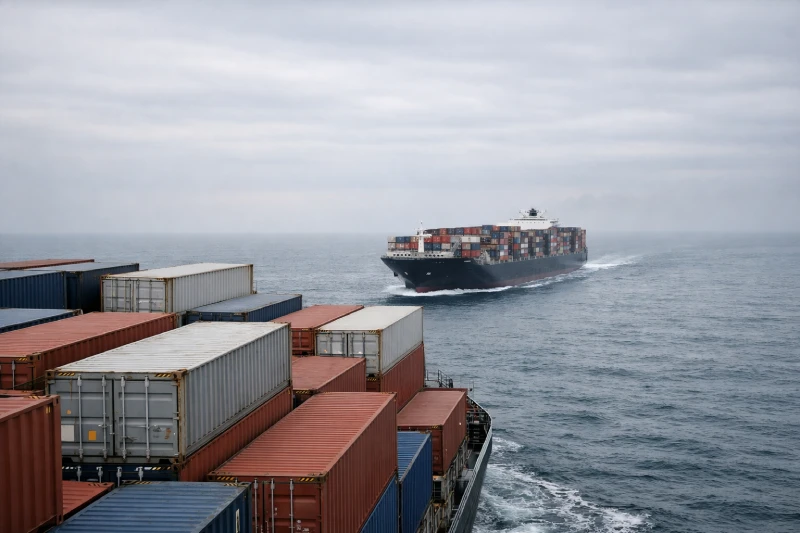
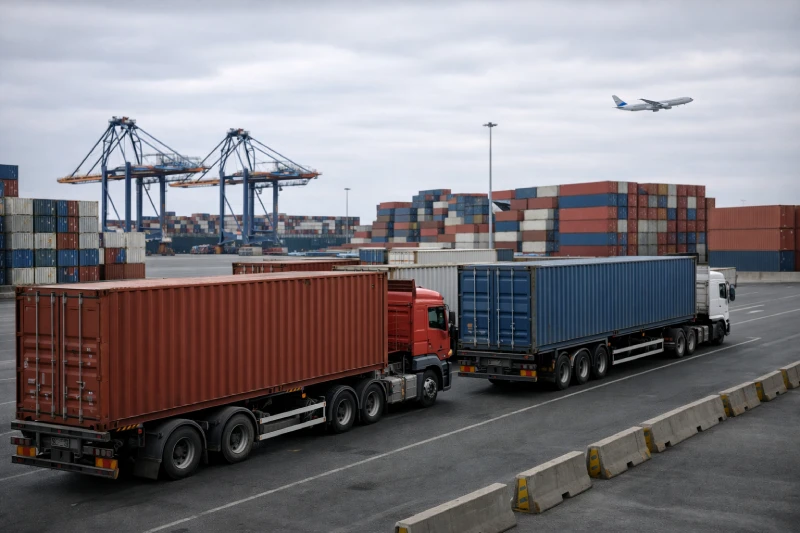
Sea freight continues to operate throughout Christmas, but service efficiency often declines due to cumulative disruptions along the route. Vessel schedules may be adjusted, cut-off times can move forward, and ports at destination may operate with reduced labor availability. These factors increase the likelihood of congestion and extended container dwell time after arrival.
Another common issue during this period is shipment rollover. When vessels reach capacity, containers that miss loading priorities may be rolled to the next sailing, adding unplanned delays. Even a small delay before Christmas can cascade into longer waiting times once holiday staffing reductions take effect at the destination port.
For importers relying on sea freight, transit time during Christmas should be viewed as a range rather than a fixed number. Planning with buffer time becomes more important than targeting the shortest possible transit.
Air Freight During the Christmas Peak
Air freight is particularly sensitive to Christmas demand. The holiday season overlaps with peak shipping volumes from retail, e-commerce, and express cargo, all of which compete for limited aircraft capacity. As a result, space availability fluctuates quickly, and booking confirmations may change with little notice.
Transit time by air is usually shorter than sea freight, but it is not immune to disruption. Delays can occur due to overbooked flights, priority shifts toward time-critical cargo, and congestion at destination airports and bonded warehouses. Even when flights operate on schedule, cargo release and final delivery may slow down during holiday periods.
For time-sensitive shipments, air freight remains a viable option during Christmas, but it requires realistic expectations and close coordination. The primary challenge is not flight availability alone, but the reliability of the entire delivery chain after arrival.
Common Shipping Risks Around the Christmas Season
The Christmas period introduces a set of recurring logistics risks that global importers encounter every year. These issues are rarely caused by a single breakdown in the supply chain, but rather by multiple small disruptions occurring simultaneously across different service providers and regions.
- Limited space availability
Increased seasonal demand often leads to tighter capacity on both vessels and aircraft. Importers may face difficulty securing confirmed bookings, especially on popular trade lanes. - Shipment rollovers
When vessels reach full capacity, lower-priority cargo may be rolled to the next sailing. During Christmas, rollovers can result in extended delays due to reduced frequency and downstream congestion. - Port and warehouse congestion
Reduced staffing levels at destination ports and warehouses can slow unloading, container returns, and cargo release. Even on-time arrivals may experience extended dwell time. - Customs clearance backlog
Customs offices and inspection facilities may operate with limited personnel during holidays, leading to longer processing times and delayed release of cargo. - Inland transportation delays
Trucking availability often decreases around Christmas, particularly in markets where drivers take extended holidays. This can affect final delivery even after cargo has cleared the port or airport.
Understanding these risks allows importers to anticipate potential delays rather than reacting to them. Most Christmas-related shipping disruptions are manageable when they are identified early and factored into shipment planning.

When Should You Ship from China Before or After Christmas?
Deciding whether to ship before or after Christmas depends less on the calendar date itself and more on the purpose of the shipment and the importer’s tolerance for delivery uncertainty. Understanding the trade-offs of each option helps importers avoid unnecessary pressure and cost.
If You Need Delivery Before Christmas
Shipments intended for pre-Christmas delivery require careful backward planning. As the holiday approaches, buffer time becomes essential. Importers should allow additional time for booking confirmation, port handling, customs clearance, and inland delivery at the destination.
Rather than aiming for the latest possible departure, experienced importers plan shipments earlier than usual to reduce exposure to rollover risks and downstream congestion. Even when goods depart China on schedule, delays are more likely to occur after arrival due to limited staffing and holiday closures.
For time-critical deliveries, the focus should be on risk reduction rather than speed alone. A shipment that arrives slightly earlier is often preferable to one that risks missing the holiday window entirely.
If Your Shipment Is for January or Q1 Sales
For cargo intended for post-Christmas or early-year sales, shipping after Christmas can offer greater stability. As holiday demand eases, capacity pressure gradually decreases, and service reliability improves across ports, warehouses, and inland transport networks.
Many importers intentionally schedule shipments for late December or early January departure to avoid peak-season competition. While transit times may not be significantly shorter, the overall predictability of delivery tends to improve once holiday disruptions subside.
In this scenario, flexibility in delivery timing becomes an advantage. Importers who are not tied to pre-Christmas deadlines often benefit from smoother operations and more consistent logistics performance.
How Experienced Freight Forwarders Plan Christmas Shipments
Experienced freight forwarders approach Christmas shipping with a planning mindset rather than a reactive one. The focus is not on eliminating holiday disruptions—which is unrealistic—but on managing risk through coordination, timing, and flexibility.
The first priority is early visibility. Forwarders work with importers to understand delivery deadlines, destination constraints, and acceptable buffer periods well in advance. This allows shipment plans to be adjusted before capacity tightens and operational options narrow.
Another key factor is multi-scenario planning. Instead of relying on a single routing or transport mode, experienced forwarders evaluate alternative sailings, ports of discharge, and inland delivery options. When disruptions occur, having predefined alternatives helps reduce response time and limit downstream impact.
Communication also becomes more critical during the Christmas season. Freight forwarders actively monitor carrier schedule changes, port conditions, and destination-side capacity, providing timely updates to importers so expectations can be adjusted early rather than after delays occur.
Finally, effective Christmas shipping relies on coordination across the entire chain, not just the ocean or air leg. Aligning booking timelines, customs readiness, warehouse availability, and final delivery arrangements ensures that cargo does not become stalled at any single point due to holiday-related constraints.
For importers, working with a freight forwarder who understands seasonal patterns and operational realities can make the difference between a manageable delay and a costly disruption.
A Practical Perspective from Winsail Logistics
As a China-based freight forwarder working with importers across multiple markets, Winsail Logistics views the Christmas season as a planning challenge rather than a service interruption. Each year, shipping outcomes during this period are shaped less by the holiday itself and more by how well shipment timing, destination readiness, and contingency planning are aligned.
From an operational standpoint, successful Christmas shipping depends on realistic expectations, early coordination, and a clear understanding of where disruptions are most likely to occur. When these factors are addressed in advance, international shipments can continue moving with far greater predictability—even during the holiday season.
