
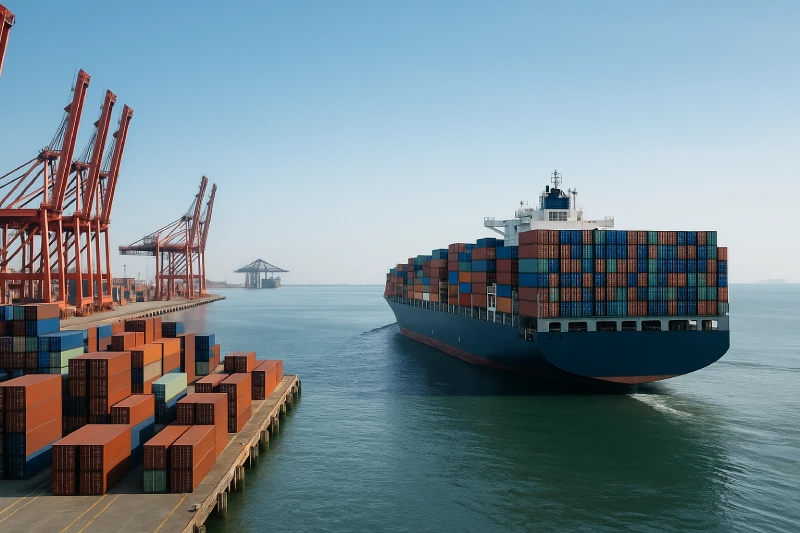
Why Choosing the Right Freight Forwarder Matters
For U.S. importers sourcing goods from China, shipping is rarely the biggest challenge. The real risk often lies in execution. Even when the shipping method, route, and timeline are clearly defined, problems can still occur if the freight forwarder lacks experience with China–USA trade.
Delays caused by incomplete documentation, unexpected destination charges, poor coordination with factories, or miscommunication across time zones can quickly turn a seemingly simple shipment into a costly issue. For growing businesses, these disruptions don’t just affect one order — they can impact inventory planning, cash flow, and customer commitments.
This is why choosing the right freight forwarder is a critical decision for U.S. importers. A reliable partner does more than move cargo from point A to point B. They manage risk, anticipate potential issues, and provide clear communication throughout the shipping process. In contrast, an unsuitable forwarder may offer low initial quotes but create hidden costs and operational stress later.
In this guide, we’ll explain how to evaluate freight forwarders for USA imports from China, what separates truly capable providers from the rest, and how importers can make informed decisions based on their specific shipping needs — rather than relying on generic “top” lists or price alone.
For importers who are new to the process, understanding the overall shipping from China to the USA workflow is an important first step.
What Is a Freight Forwarder?
A freight forwarder is a logistics intermediary that organizes and manages the transportation of goods on behalf of importers and exporters. For U.S. companies importing from China, a freight forwarder coordinates the entire shipping process — from factory pickup and export documentation in China to ocean or air transport and delivery in the United States.
Unlike carriers, freight forwarders do not typically own ships or aircraft. Instead, they work with ocean carriers, airlines, trucking companies, and warehouses to design the most practical shipping solution based on the importer’s requirements. Their value lies in planning, coordination, and problem-solving rather than the physical movement of cargo itself.
It is also important to distinguish freight forwarders from related roles. An NVOCC (Non-Vessel Operating Common Carrier) issues its own bills of lading and is regulated by the U.S. Federal Maritime Commission (FMC). A customs broker, on the other hand, specializes in U.S. import clearance, tariff classification, and compliance. In many cases, a professional freight forwarder will either hold NVOCC status, work closely with licensed customs brokers, or provide integrated solutions that simplify the process for importers.
Understanding this role helps U.S. importers better evaluate which freight forwarders are equipped to handle China–USA shipments reliably and compliantly.
Key Criteria to Evaluate Top Freight Forwarders for USA Imports
Not all freight forwarders are equally suited for China–USA shipments. While many providers can arrange transportation, experienced U.S. importers know that the difference lies in execution, compliance awareness, and communication quality. The following criteria are essential when evaluating freight forwarders for imports from China to the United States.
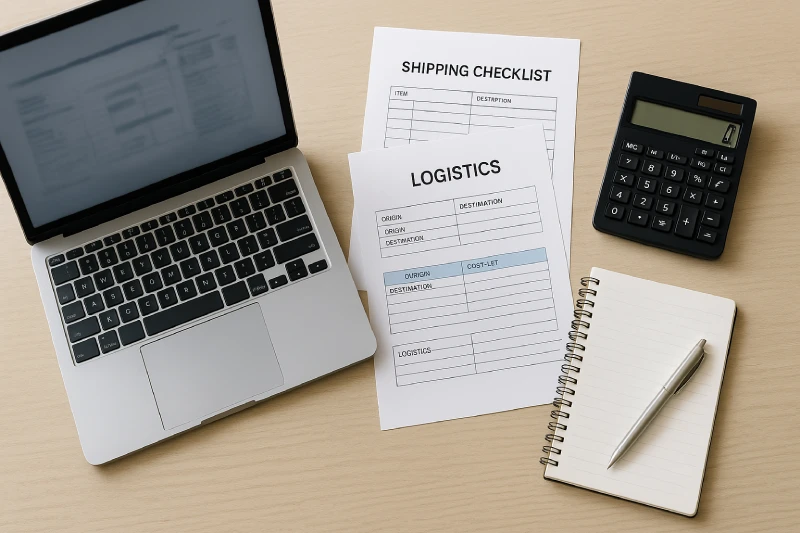
1. Experience with the China–USA Trade Lane
China–USA logistics involves specific operational and regulatory complexities, from export procedures in China to U.S. port congestion and customs requirements. A forwarder with long-term focus on this trade lane is more likely to anticipate issues, select reliable carriers, and handle peak seasons effectively. General international experience alone is not enough.
2. FMC Registration and Regulatory Compliance
For ocean freight shipments to the United States, FMC registration is a critical legitimacy check. Forwarders operating as NVOCCs must be registered with the Federal Maritime Commission. This protects importers by ensuring basic regulatory oversight and financial responsibility. Any forwarder handling U.S.-bound ocean cargo should be able to provide its FMC number transparently.
3. Understanding of U.S. Customs Procedures
A competent freight forwarder should demonstrate solid knowledge of U.S. customs processes, including ISF filing requirements, customs bonds, HS code coordination, and inspection handling. Even if customs clearance is handled by a separate licensed broker, the forwarder should understand how documentation and timelines affect clearance outcomes.
4. Service Scope and Shipment Types
U.S. importers often work with different shipment profiles over time. A reliable forwarder should be able to support common China–USA scenarios such as FCL, LCL, air freight, Amazon FBA shipments, and door-to-door solutions. Broad service capability reduces the need to switch providers as business needs evolve.
5. Pricing Transparency and Cost Structure
The lowest quote is rarely the best option. Professional freight forwarders provide clear breakdowns of origin charges, freight costs, and destination-side fees. Transparent pricing helps importers avoid surprises at U.S. ports and makes it easier to compare providers on a like-for-like basis.
Transparent pricing helps importers avoid surprises at destination and makes it easier to evaluate the true shipping cost from China to the USA.
6. Communication and Responsiveness
Effective communication is often the deciding factor in successful shipments. Time-zone alignment, clear points of contact, and proactive updates during transit are critical for U.S. importers managing inventory and delivery schedules. A forwarder’s responsiveness during the quotation stage often reflects how they will perform once cargo is in transit.
Evaluating freight forwarders using these criteria helps importers focus on long-term reliability and operational fit, rather than short-term cost savings alone.
Types of Freight Forwarders Serving USA Imports from China
U.S. importers sourcing from China can choose from several types of freight forwarders, each with different strengths and limitations. Understanding these categories helps importers select a partner that matches their shipment volume, service expectations, and level of logistics involvement.
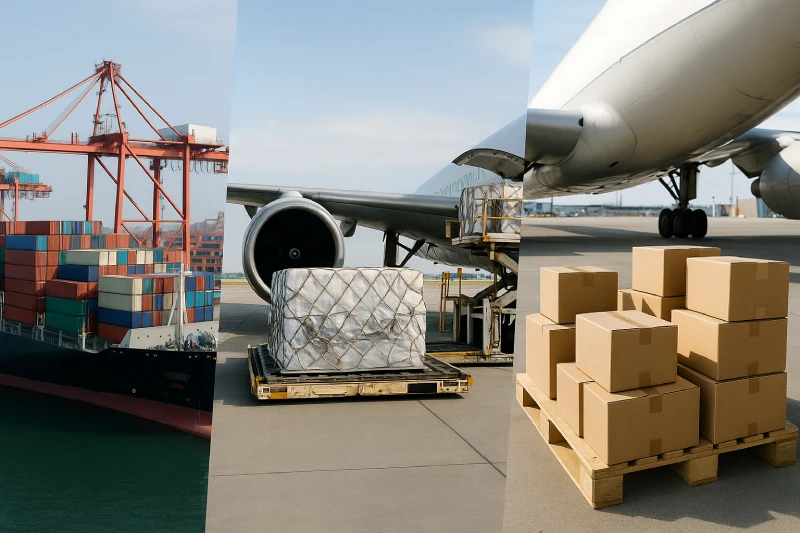
1. Large Global Freight Forwarders
Large multinational forwarders offer extensive global networks, standardized processes, and strong carrier relationships. They are often well-suited for enterprises with high shipping volumes, fixed routing needs, and internal logistics teams. However, smaller importers may find these providers less flexible, more expensive, and slower to respond to day-to-day operational questions.
2. China-Based Freight Forwarders
China-based forwarders work closely with factories and origin-side service providers, which can be a major advantage for U.S. importers. They often provide better coordination during pickup, consolidation, and export documentation, along with more competitive cost structures. The key consideration is selecting a forwarder with proven experience handling U.S.-bound shipments and strong compliance awareness.
3. U.S.-Based Import Agents and Forwarders
U.S.-based forwarders focus heavily on destination-side services such as customs clearance, domestic trucking, and final delivery. They can be a good fit for importers who prefer local communication and already have reliable origin-side partners in China. However, limited factory-side involvement may reduce visibility during the early stages of the shipment.
4. Specialized or Niche Freight Forwarders
Some forwarders specialize in specific shipment types, such as Amazon FBA logistics, DDP door-to-door solutions, oversized cargo, or time-sensitive air freight. These providers can offer deep expertise in narrow use cases but may lack flexibility outside their core focus. Importers should evaluate whether specialization aligns with their long-term shipping needs.
Choosing the right type of freight forwarder is less about company size and more about alignment with the importer’s operational priorities and risk tolerance.
How to Identify the Right Freight Forwarder for Your China–USA Shipments
There is no single freight forwarder that is “best” for every U.S. importer shipping from China. Different businesses face different constraints related to shipment volume, delivery timelines, cost sensitivity, and operational complexity. For this reason, experienced importers evaluate freight forwarders based on use cases rather than generic rankings.
Best for Small and Mid-Sized Importers
Small and mid-sized businesses often benefit from forwarders that offer flexible service, hands-on support, and clear communication. These forwarders typically handle a mix of LCL, FCL, and occasional air freight shipments, and are accustomed to working with importers who do not have in-house logistics teams. Transparency and responsiveness tend to matter more than global brand recognition in this scenario.
Best for Amazon FBA Sellers
Amazon FBA shipments from China to the USA require strict labeling, delivery appointments, and compliance with Amazon’s routing rules. Forwarders experienced in FBA logistics understand carton labeling, pallet requirements, and appointment scheduling at U.S. fulfillment centers. Importers in this category should prioritize operational accuracy over speed alone.
Best for Time-Sensitive Shipments
For urgent or high-value cargo, reliability and contingency planning are more important than lowest cost. Forwarders that excel in time-sensitive shipments typically have strong airline partnerships, fast decision-making processes, and proactive communication when delays occur. These qualities help minimize disruptions when schedules are tight.
Best for DDP and Door-to-Door Shipments
Importers seeking simplified door-to-door or DDP solutions often prefer forwarders that can manage both origin and destination processes under a single workflow. These providers coordinate export clearance, freight, customs, duties, and final delivery. The key consideration here is clarity — importers should fully understand what is included in the service and how responsibilities are defined.
Evaluating freight forwarders through a scenario-based lens allows U.S. importers to identify partners that fit their operational needs, rather than relying on one-size-fits-all “top” lists.
The right forwarder selection often depends on shipment urgency, volume, and the shipping methods from China to the USA that best support those requirements.
Common Mistakes When Choosing a Freight Forwarder
Many problems in China–USA shipping can be traced back to avoidable mistakes made during the forwarder selection stage. Understanding these pitfalls helps U.S. importers reduce risk and set more realistic expectations from the start.
One common mistake is choosing a freight forwarder based solely on the lowest quoted price. While competitive pricing is important, unusually low quotes often exclude destination charges, customs-related fees, or handling costs that appear later. This can lead to unexpected expenses and strained relationships once the shipment arrives in the United States.
Another frequent issue is failing to verify a forwarder’s regulatory status. For ocean shipments to the USA, importers should confirm FMC registration and understand whether the forwarder operates as an NVOCC. Skipping this step increases exposure to compliance and liability risks.
Poor communication is also a major concern. Some importers assume that fast responses during the quotation stage guarantee consistent service throughout the shipment. In reality, unclear points of contact, language barriers, or time-zone misalignment can result in delayed updates when issues arise.
Finally, many importers underestimate the importance of documentation accuracy. Missing or incorrect information — such as cargo descriptions or shipment values — can lead to customs delays and inspections. A professional freight forwarder should actively review documents and flag potential issues before cargo departs China.
Misaligned expectations around transit schedules are a common issue, especially when importers do not clearly understand how long it takes to ship from China to the USA under different shipping methods.
How to Compare Freight Forwarders (A Practical Checklist)
Once U.S. importers narrow down potential freight forwarders, a structured comparison helps reveal meaningful differences beyond pricing. Asking the right questions early can prevent misunderstandings and operational issues later in the shipping process.

Before confirming a booking, importers should ask who will handle U.S. customs clearance and whether customs brokerage is included or coordinated separately. It is also important to clarify which charges are excluded from the initial quote, especially destination-side fees such as port handling, customs exams, and domestic delivery.
Another key question is how the forwarder manages delays, inspections, or schedule changes. Professional forwarders should be able to explain their escalation process, communication workflow, and contingency planning in clear terms.
In addition to questions, importers should observe what information the forwarder requests during the quotation stage. Experienced providers typically ask for HS codes, cargo dimensions and weight, Incoterms, delivery addresses, and required timelines. This indicates a focus on accuracy rather than quick estimates.
Using a checklist-based approach allows importers to compare freight forwarders on operational fit, transparency, and reliability — not just headline pricing — leading to more consistent China–USA shipping outcomes.
Why Many U.S. Importers Choose China-Based Freight Forwarders
In recent years, many U.S. importers have increasingly worked with China-based freight forwarders for their imports. One key reason is closer coordination at the origin. Being located near factories allows these forwarders to manage pickups, consolidation, and export documentation more efficiently, reducing misunderstandings during the early stages of the shipment.

Cost structure is another factor. China-based forwarders often have more direct access to local trucking, warehouses, and carrier contracts, which can result in more competitive overall pricing. For importers shipping regularly, this can translate into meaningful long-term savings rather than one-time discounts.
Communication also plays a role. When forwarders operate in the same time zone and language environment as suppliers, issues can be resolved more quickly before cargo departs. This is particularly valuable for shipments with tight schedules or last-minute changes.
That said, China-based forwarders are not the best fit for every importer. Businesses that require extensive destination-side support or prefer local-only communication may find U.S.-based providers more suitable. The most effective choice depends on shipment complexity, internal resources, and risk tolerance.
How Winsail Logistics Supports USA Imports from China
Winsail Logistics focuses on supporting U.S. importers with structured, transparent, and lane-specific freight solutions from China to the United States. Rather than offering one-size-fits-all services, the emphasis is on understanding each shipment’s requirements and selecting the most practical logistics approach.
For China–USA shipments, Winsail coordinates closely with factories and origin-side partners to ensure accurate documentation, timely pickup, and smooth export handling. Clear cost breakdowns and defined service scopes help importers understand what is included before cargo moves, reducing uncertainty at destination.
Winsail also places strong importance on communication. Dedicated points of contact and proactive updates allow importers to stay informed throughout transit, especially when schedules change or inspections occur. This process-driven approach is designed to support small and mid-sized U.S. businesses that value reliability, clarity, and consistent execution over short-term pricing alone.
FAQs
Is it better to use a China-based or U.S.-based freight forwarder?
Both options can work well, depending on your priorities. China-based freight forwarders often provide stronger factory-side coordination and cost efficiency, while U.S.-based forwarders may offer closer destination-side support. The best choice depends on shipment complexity, communication preferences, and how much origin-side involvement you need.
How can I verify a freight forwarder’s legitimacy?
For ocean shipments to the United States, you should confirm whether the forwarder is registered with the U.S. Federal Maritime Commission (FMC) as an NVOCC. Reputable forwarders are transparent about their registration details and willing to explain their compliance responsibilities.
Can freight forwarders handle U.S. customs clearance?
Freight forwarders do not always act as licensed customs brokers, but many work closely with qualified U.S. customs brokers or offer integrated clearance solutions. Importers should clarify in advance who is responsible for filing customs entries, ISF submissions, and duty payments.
What information should I prepare before contacting a freight forwarder?
To receive accurate quotations and realistic timelines, importers should be ready to provide cargo descriptions, HS codes (if available), shipment dimensions and weight, Incoterms, origin and destination addresses, and desired delivery timeframes. Providing complete information upfront helps forwarders assess feasibility and costs more precisely.
