
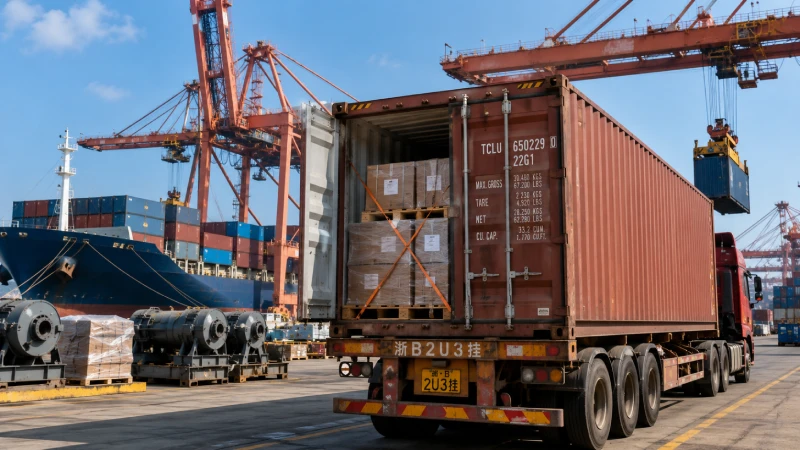
For many importers shipping from China to Saudi Arabia, the 20ft container remains the most practical balance between freight cost, cargo security, and operational efficiency. Unlike LCL shipping, where costs increase unpredictably through warehouse handling and destination unpacking fees, a full 20ft container gives importers more control over total landed cost.
This is especially true for heavy cargo categories such as machinery, tiles, hardware, auto parts, chemicals, furniture components, and industrial products. In these sectors, container utilization matters more than simply chasing the lowest ocean freight rate.
The challenge is that many importers only compare base freight prices while ignoring the real cost structure behind a 20ft FCL shipment to Saudi Arabia. Port congestion, inland trucking, customs inspections, SABER certification, detention risk, and seasonal pricing swings often have a larger impact on total shipping cost than the ocean freight itself.
Why 20ft Containers Are Often More Economical Than LCL Shipments
Many Saudi importers assume FCL shipping only makes sense when cargo volume is large. In reality, a 20ft container can become cheaper than LCL much earlier than expected.
Once shipments become heavy or dense, LCL pricing loses efficiency quickly because charges are typically calculated per CBM, while destination fees are shared inefficiently among multiple consignees.
For example, a shipment of ceramic tiles weighing 18 tons may only occupy 14–16 CBM. Under LCL pricing, the importer still pays high warehouse handling, palletizing, documentation, and destination deconsolidation fees. A 20ft container may produce a lower total landed cost despite unused container space.
This is why many experienced importers focus on cargo density rather than volume alone when choosing between LCL and FCL.
Industries commonly using 20ft containers for Saudi Arabia include:
- Building materials
- Industrial machinery
- Steel hardware
- Electrical equipment
- Automotive parts
- Chemicals and lubricants
- Heavy consumer products
For dense cargo, the 20ft container becomes a freight optimization tool rather than simply a shipping method.
Real 20ft Container Shipping Cost Structure to Saudi Arabia
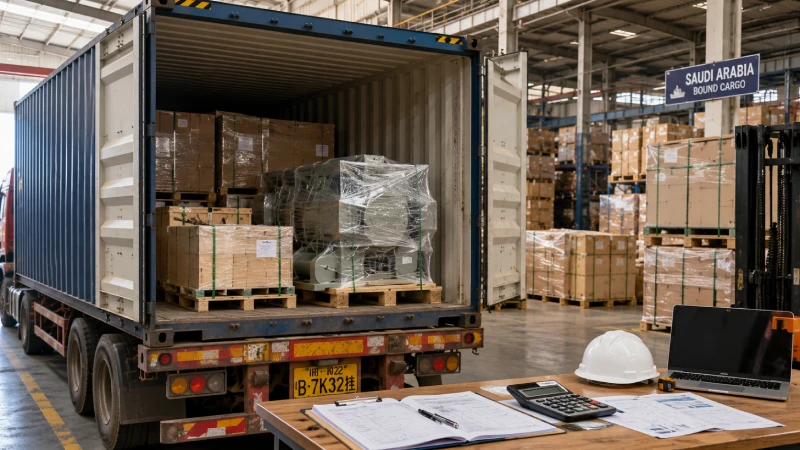
One of the biggest mistakes importers make is treating ocean freight as the total shipping cost.
In practice, the container freight rate is only one layer of the overall expense structure.
A typical China-to-Saudi Arabia 20ft container shipment includes:
- Ocean freight
- Export customs clearance in China
- THC charges at origin
- Documentation fees
- Container sealing fees
- Saudi destination port charges
- Customs clearance fees
- VAT and import duties
- Inland trucking
- Inspection-related expenses
- Demurrage or detention risk
Ocean freight itself can fluctuate heavily depending on:
- China departure port
- Shipping season
- Carrier capacity
- Red Sea shipping conditions
- Fuel surcharges
- Route congestion
For example, shipments from Ningbo or Qingdao may sometimes offer lower base freight rates than Shenzhen, but inland trucking inside China could offset the savings depending on factory location.
Similarly, freight to Jeddah often behaves differently from Dammam due to port traffic patterns and regional cargo demand.
Importers comparing freight quotes should always compare total landed cost instead of just the ocean rate.
Jeddah vs Dammam: Why Shipping Costs Can Differ Significantly
Saudi Arabia is not a single-cost destination market.
Jeddah and Dammam operate differently in terms of port congestion, customs flow, trucking economics, and inland distribution.
Jeddah handles a large share of western Saudi imports and often experiences stronger freight volatility during peak seasons. Ramadan and pre-Eid demand can significantly affect clearance speed and storage pressure.
Dammam, meanwhile, is strategically important for shipments moving into Riyadh and the Eastern Province. For some importers, paying slightly higher ocean freight into Dammam can reduce total inland delivery cost.
The decision should not be based solely on port freight rates.
A cheaper freight quote to Jeddah may still create higher final expenses if cargo ultimately requires long-distance trucking to Riyadh or Dammam industrial zones.
Saudi inland transportation is often underestimated by new importers. Warehouse delivery restrictions, appointment delays, and regional trucking shortages can all increase final logistics cost.
Container Utilization Is the Real Profit Driver
A poorly utilized 20ft container is one of the fastest ways to lose freight efficiency.
Some importers fill only 55–60% of container capacity because of weak carton planning or inefficient pallet arrangements. In these situations, they effectively pay premium shipping rates for unused space.
The goal should not simply be “filling the container.” The goal is optimizing usable cargo density while maintaining safe loading conditions.
Heavy cargo introduces another challenge: weight limitations.
Saudi road transport regulations and container safety limits prevent importers from endlessly increasing cargo weight. Poor weight distribution can create:
- Port loading refusal
- Trucking restrictions
- Customs inspection issues
- Container damage risk
- Additional handling charges
For machinery and industrial cargo, professional loading plans become extremely important.
Even small improvements in packaging dimensions can significantly improve container economics. Reducing wasted pallet gaps or carton height often allows importers to load several additional tons without increasing freight cost.
Hidden Charges That Commonly Increase Saudi Shipping Costs
Many freight disputes happen because importers only focus on the initial quotation.
Saudi Arabia shipments frequently involve hidden operational costs that appear after cargo arrival.
Common examples include:
Customs Inspection Delays
Random inspections can delay container release and increase storage fees. This becomes more common during high-volume import periods.
Demurrage and Detention
If containers are not collected or returned within free time limits, shipping lines charge daily penalties. During congestion periods, these charges can escalate rapidly.
SABER and SASO Compliance Costs
Products requiring SABER certification may face additional compliance expenses before customs clearance approval.
Incomplete certification documentation can delay clearance and trigger extra port storage fees.
VAT and Import Duties
Saudi VAT and customs duties must be calculated into total landed cost from the beginning, especially for DDP shipments.
Ignoring these expenses leads to inaccurate product pricing and reduced profit margins.
DDP Shipping vs Port-to-Port Shipping for 20ft Containers
Many Saudi importers prefer DDP shipping because it simplifies customs handling and budgeting.
Under DDP arrangements, the freight forwarder typically handles:
- Ocean freight
- Customs clearance
- Import duties
- VAT
- Inland delivery
This reduces operational complexity, especially for smaller businesses without Saudi customs experience.
However, DDP pricing requires careful review.
Some low-cost DDP offers exclude:
- Warehouse unloading
- Remote delivery surcharges
- Inspection-related costs
- Long-term storage risk
- Special customs processing fees
A low DDP rate is not automatically a low-risk solution.
For larger importers with established Saudi customs teams, FOB or CIF shipping may provide greater long-term cost control and negotiation leverage.
The right model depends on shipment frequency, importer scale, and operational experience.
Seasonal Factors That Change 20ft Container Pricing
Freight pricing between China and Saudi Arabia is highly seasonal.
During pre-Ramadan stocking periods, Saudi import demand often rises sharply. This increases pressure on:
- Vessel space
- Container availability
- Customs clearance
- Inland trucking capacity
Chinese export peak seasons before Golden Week and year-end holidays create additional freight inflation.
Regional disruptions in the Red Sea can also impact transit times, insurance costs, and carrier routing decisions.
Importers relying on last-minute bookings usually pay the highest rates.
Businesses with flexible shipping windows generally secure better pricing because freight forwarders can optimize carrier selection and sailing schedules.
Practical Cost Reduction Strategies for Saudi Importers
Reducing 20ft container shipping cost is usually about operational efficiency rather than simply negotiating lower freight rates.
Experienced importers focus on:
Improving Packaging Density
Better carton sizing and pallet planning increase usable cargo space and reduce wasted volume.
Choosing the Correct Departure Port
The closest China port is not always the cheapest overall solution. Inland trucking, carrier frequency, and route stability all matter.
Avoiding Peak Shipping Windows
Booking slightly earlier before Ramadan or major holidays often reduces freight volatility.
Consolidating Compatible Cargo
Combining related product categories into one container improves freight efficiency while maintaining manageable customs risk.
Negotiating Based on Shipping Frequency
Freight forwarders offer stronger pricing to importers with stable monthly volume rather than one-time shipments.
Real Importer Scenarios Behind 20ft Container Cost Decisions
A Riyadh building materials importer shipping dense ceramic products may prioritize maximum weight utilization and low inland trucking cost.
A machinery importer may focus more on customs reliability, inspection handling, and secure container loading.
An FMCG importer may prioritize faster port release during Ramadan to avoid warehouse shortages and retail delivery delays.
Each importer evaluates container cost differently because operational priorities are different.
This is why the “cheapest freight quote” is often not the cheapest logistics solution.
How to Evaluate a 20ft Container Freight Quote Properly
Before booking a shipment, importers should confirm:
- Whether destination charges are included
- Free detention and demurrage days
- Customs clearance responsibility
- Inland delivery conditions
- SABER/SASO handling scope
- VAT and duty assumptions
- Port congestion risks
- Saudi trucking arrangements
The best freight quote is usually the one with the clearest operational structure, not the lowest headline price.
For businesses shipping regularly from China to Saudi Arabia, long-term freight stability, customs predictability, and container utilization efficiency usually matter far more than temporary low ocean freight rates.
Related resources:
