

For many Saudi importers, a 40ft container is not simply a shipping option — it is the core unit that determines profitability. Whether you are importing furniture, electronics, construction materials, or retail inventory from China, the way a 40HQ container is loaded, routed, and cleared through Saudi customs directly affects your landed cost per unit.
Unlike small-shipment freight calculations, 40ft container pricing is heavily influenced by container utilization, destination handling fees, Saudi inland delivery costs, and seasonal market volatility. A low ocean freight rate alone does not guarantee a low total shipping cost.
This guide breaks down how real 40ft container shipping costs work from China to Saudi Arabia and explains the operational decisions that experienced importers use to control logistics expenses.
Why 40ft Containers Dominate China–Saudi Arabia Trade Routes
Most medium and large Saudi importers prefer 40HQ containers because the cost difference between a 20ft container and a 40HQ is often much smaller than expected. In many shipping seasons, a 40HQ container may cost only 20–40% more than a 20ft container while offering nearly double the loading capacity.
This creates lower shipping cost per pallet, carton, or product unit.
For cargo categories such as:
- Furniture
- Building materials
- Home appliances
- Retail inventory
- Commercial lighting
- Garments and textiles
the 40HQ container usually provides the best freight efficiency.
However, the container only becomes economical when properly utilized. Many first-time importers overestimate their loading volume and end up shipping containers at 60–70% utilization. At that point, the real freight cost per product increases sharply.
A half-empty 40ft container is often more expensive than optimized LCL consolidation.
Real Cost Structure Behind a 40ft Container Shipment to Saudi Arabia
Many importers focus only on ocean freight pricing and ignore the surrounding operational charges that shape the real landed cost.
A standard China-to-Saudi Arabia 40HQ shipment usually includes:
- Ocean freight
- China export customs handling
- Origin terminal fees
- Documentation charges
- Saudi destination port fees
- Customs clearance
- VAT and import duty
- Inland trucking
- Container detention risk
Ocean freight itself is only one layer of the total cost structure.
For example, a low freight quote from Shanghai to Jeddah may still become expensive after adding:
- DTHC (Destination Terminal Handling Charges)
- Customs inspection fees
- SABER compliance expenses
- Port storage charges
- Truck waiting fees
- Riyadh inland delivery costs
This is why experienced importers evaluate total landed cost instead of only comparing ocean freight rates.
Many importers compare container rates without understanding how overall landed expenses are calculated. For a broader breakdown of freight pricing structures, see our complete guide to shipping costs from China to Saudi Arabia.
Jeddah vs Dammam: Which Port Creates Lower Total Shipping Costs?
Jeddah is the dominant Saudi port for western and central Saudi Arabia imports, while Dammam mainly supports eastern Saudi regions and Riyadh distribution.
The cheaper port on paper is not always the cheaper port operationally.
Jeddah Advantages
Jeddah often provides:
- More direct vessel routes from China
- Higher sailing frequency
- Lower base ocean freight
- Better availability during peak seasons
However, Jeddah can also experience:
- Congestion delays
- Longer customs inspection queues
- Higher demurrage risk during Ramadan
- Truck scheduling bottlenecks
Dammam Advantages
Dammam sometimes creates lower inland delivery costs for eastern Saudi projects and industrial cargo.
For Riyadh deliveries, importers frequently compare:
- Jeddah + long inland trucking
vs - Dammam + shorter domestic transport
The final answer depends on cargo urgency, trucking rates, and warehouse destination.
For some importers, choosing the wrong Saudi port adds thousands of dollars in hidden logistics cost annually.
How Container Utilization Directly Impacts Shipping Cost Per Unit
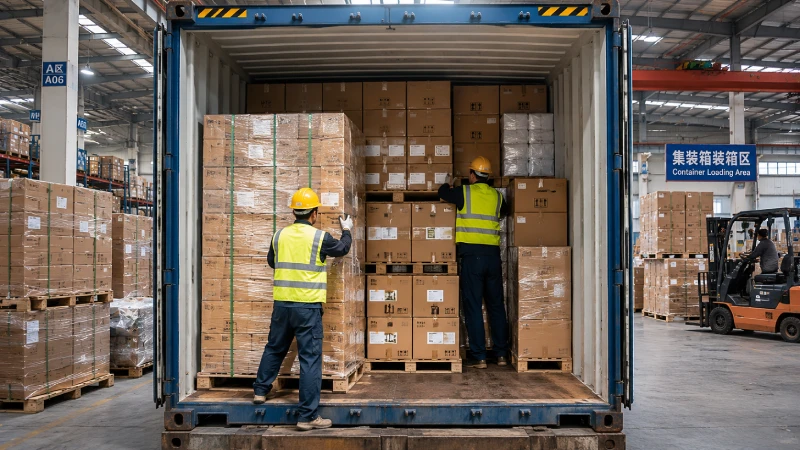
Container utilization is one of the most overlooked cost drivers in Saudi-bound freight planning.
A 40HQ container usually supports approximately:
- 68–76 CBM
- 20–24 standard pallets
- Depending on carton dimensions and cargo density
The problem is that many suppliers design export cartons without considering container optimization.
Poor carton sizing creates:
- Dead loading space
- Air gaps
- Unstable stacking
- Reduced pallet efficiency
Even a 10% loading inefficiency can significantly increase cost per unit.
For lightweight cargo like furniture or garments, volume becomes the limiting factor long before weight capacity is reached. In these cases, container planning matters more than freight negotiation.
Meanwhile, heavy cargo such as tiles, machinery parts, or metal products may reach maximum weight before the container is fully loaded.
Saudi importers managing mixed-product containers often use professional loading plans to improve utilization and reduce unnecessary freight waste.
The Biggest Cost Mistakes Importers Make with 40ft Container Shipping
One common mistake is choosing a 40HQ container simply because the freight rate appears attractive.
In reality, the importer may not yet have enough stable purchasing volume to justify FCL shipping.
This creates several problems:
- Slow inventory turnover
- Excess warehouse storage
- Higher cash-flow pressure
- Partial container inefficiency
Another major issue is ignoring Saudi destination restrictions.
Some Saudi warehouses have:
- Limited unloading access
- Strict appointment schedules
- Driver waiting penalties
- Forklift availability problems
If unloading delays exceed free-time limits, detention charges can rise rapidly.
Many importers also underestimate Saudi customs inspection risks. Cargo categories involving electronics, commercial products, or regulated materials may face:
- SABER verification delays
- SASO compliance checks
- Additional inspection fees
These delays can quickly convert a “cheap” freight rate into an expensive shipment.
Delays caused by incomplete SABER documentation or incorrect HS codes frequently increase storage and demurrage charges during Saudi customs clearance.
40ft Container Shipping Cost by Cargo Type
Different cargo categories create completely different shipping economics.
Furniture and Home Products
Furniture shipments are heavily volume-driven. Most suppliers fill containers based on cubic meters rather than weight.
The main challenge becomes maximizing loading efficiency while preventing cargo damage during long transit.
Building Materials
Tiles, stone, and industrial materials create weight-sensitive shipments.
Saudi port authorities and trucking operators closely monitor axle weight distribution, meaning improper loading can trigger operational problems at destination.
Electronics and Commercial Goods
Electronics often face stricter customs review.
Incorrect HS codes, incomplete SABER documentation, or undervaluation risks can delay customs clearance and generate additional port storage expenses.
Mixed Cargo Containers
Mixed-SKU containers are operationally complex because:
- Different products may require separate compliance documents
- Loading plans become harder to optimize
- Customs inspections take longer
- Inventory management becomes more difficult
For Saudi retail importers, mixed containers often reduce purchasing flexibility but increase operational complexity.
Peak Season Pricing Volatility on China–Saudi Arabia Shipping Lanes
Freight pricing to Saudi Arabia changes aggressively during certain periods.
The most volatile periods usually include:
- Pre-Ramadan inventory buildup
- Chinese New Year
- Peak retail procurement seasons
- Red Sea disruption periods
During these periods:
- 40HQ equipment shortages become common
- Ocean carriers prioritize premium-rate cargo
- Vessel schedules become unstable
- Container rollover risk increases
Unlike smaller shipments, large FCL importers have limited flexibility once procurement schedules are fixed.
This is why experienced Saudi importers often negotiate seasonal freight agreements instead of relying entirely on spot-market pricing.
Importers shipping monthly volumes usually gain stronger pricing stability compared to occasional buyers.
DDP Shipping vs Standard FCL Shipping for Saudi Arabia
DDP shipping for 40ft containers is increasingly popular among Saudi importers who want predictable landed cost structures.
Under DDP arrangements, the freight forwarder typically manages:
- Ocean freight
- Customs clearance
- Duty and VAT handling
- Saudi inland delivery
This reduces operational pressure for importers unfamiliar with Saudi customs systems.
However, low-cost DDP quotes sometimes hide major limitations, including:
- Limited cargo categories
- Delayed customs processing
- Weak shipment visibility
- Restricted compensation coverage
Some DDP providers also exclude:
- Customs inspection fees
- Port storage
- Remote delivery surcharges
As a result, importers should carefully compare DDP inclusions instead of focusing only on total price.
Businesses unfamiliar with Saudi customs procedures often prefer DDP shipping to simplify clearance, tax handling, and inland delivery coordination.
How Saudi Inland Delivery Can Reshape Total Container Shipping Costs
For many shipments, inland Saudi trucking becomes one of the largest logistics expenses after ocean freight.
This is especially true for deliveries to:
- Riyadh
- Industrial cities
- Remote construction projects
- Warehouse zones outside major ports
A container arriving cheaply at Jeddah may still generate expensive inland transport costs.
Saudi trucking costs are influenced by:
- Fuel prices
- Driver availability
- Delivery timing restrictions
- Waiting hours
- Unloading equipment availability
Warehouse scheduling problems frequently create detention charges because containers cannot be returned on time.
For large importers handling continuous shipments, inland logistics planning is just as important as international freight negotiation.
When LCL Shipping Is Smarter Than Booking a Full 40ft Container
Not every importer benefits from FCL shipping.
If container utilization falls below a practical threshold, LCL consolidation may create lower overall cost despite higher per-CBM pricing.
This is especially true for:
- New importers testing products
- Seasonal purchasing cycles
- Low-volume commercial orders
- High-mix inventory models
Waiting to “fill a container” can sometimes create larger losses through delayed sales opportunities.
Professional freight planning focuses on total business efficiency rather than maximizing container size alone.
Importers comparing FCL and consolidated cargo options can also review our detailed sea freight guide covering transit structures, consolidation models, and container planning strategies.
Freight Negotiation Strategies for Large Saudi Importers
Large Saudi importers rarely negotiate only ocean freight.
Instead, experienced buyers negotiate:
- Free-time extensions
- Destination handling reductions
- Inland trucking packages
- Peak-season protection
- Volume-based annual contracts
Freight forwarders often provide better long-term pricing to importers with stable monthly shipment frequency because predictable cargo volume improves operational planning.
Importers with inconsistent purchasing schedules usually face higher spot-market exposure and stronger peak-season pricing pressure.
The companies achieving the lowest freight cost are not always the companies receiving the cheapest freight quote — they are the companies managing container planning, procurement timing, and logistics coordination more efficiently.
Choosing the Right Shipping Strategy Based on Container Economics
The ideal 40ft container strategy depends on the importer’s business model.
Large retail distributors often prioritize stable monthly container flow to reduce inventory shortages and negotiate better freight rates.
Project-based importers may focus more on flexible shipping timing and inland delivery coordination.
Meanwhile, first-time Saudi importers usually benefit from balancing container utilization with manageable inventory risk instead of maximizing shipment size immediately.
Ultimately, 40ft container shipping cost to Saudi Arabia is not controlled by one freight number. It is shaped by a chain of operational decisions involving loading efficiency, Saudi port selection, customs handling, inland transport, and procurement planning.
The importers that understand these variables consistently achieve lower landed costs and stronger long-term logistics stability.
