
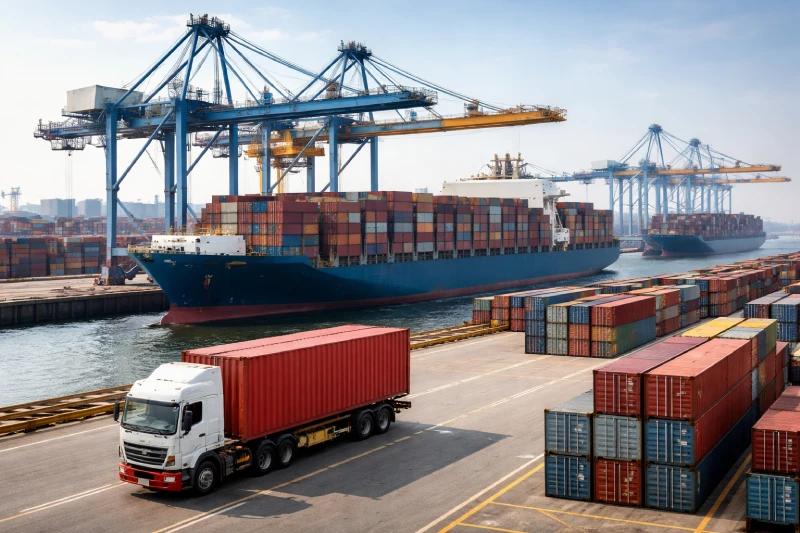
Overview of Shipping Cost from China to Cameroon
Shipping cost from China to Cameroon depends on several factors, including the transport method, shipment size, cargo characteristics, and the logistics conditions at both origin and destination. For most commercial imports, businesses choose between sea freight and air freight based on cost efficiency and delivery requirements. Containerized sea transport is commonly used for bulk cargo and regular supply shipments, while air freight is typically selected for urgent or high-value goods.
To better understand the full logistics framework, importers can refer to our Shipping from China to Cameroon guide for a complete overview of routes, methods, and trade considerations.
Cameroon acts as an important gateway for trade into Central Africa. Many shipments arrive through the Port of Douala or the deep-water Port of Kribi before moving to domestic distribution centers or neighboring markets. Because port operations, inland transportation, and customs procedures can influence logistics planning, importers often evaluate both cost and transit reliability.
Understanding the structure of shipping expenses is essential for accurate budgeting. Total logistics cost may include freight charges, origin handling, destination port fees, customs clearance, and inland delivery.
Main Freight Methods from China to Cameroon
Businesses importing goods from China to Cameroon typically choose between several freight methods depending on shipment size, urgency, and supply chain planning. Each transport mode offers different cost structures, transit characteristics, and operational considerations.
Sea Freight
Sea freight is the most widely used option for commercial cargo moving between China and Cameroon. Container shipping provides a cost-efficient solution for large shipments and regular trade flows. Importers commonly choose between full container load (FCL) and less-than-container load (LCL) depending on cargo volume. For most industrial products, machinery, building materials, and consumer goods, container shipping remains the primary logistics method.
For a detailed breakdown of pricing, transit times, and container options, see our sea freight from China to Cameroon guide.
Air Freight
Air freight is typically used for shipments that require faster delivery or involve high-value goods. Electronics, spare parts, medical equipment, and urgent production materials are often transported by air. Although the cost per kilogram is significantly higher than ocean transport, air cargo helps businesses maintain supply chain continuity when delivery speed is critical.
Learn more about costs, delivery timelines, and cargo requirements in our air freight from China to Cameroon guide.
Multimodal Transport
In some cases, shipments may combine multiple transportation modes. Cargo may move by sea from China to a coastal port in Cameroon and then continue inland by truck to regional distribution points. Multimodal logistics can help improve delivery flexibility, particularly for destinations located far from major ports.
Sea Freight Cost from China to Cameroon
Sea freight is the primary shipping method used for commercial cargo moving from China to Cameroon. Containerized ocean transport allows businesses to move large shipment volumes at a lower cost per unit compared with air freight. Importers typically evaluate container options, port routes, and cargo consolidation methods when estimating the overall sea freight cost.
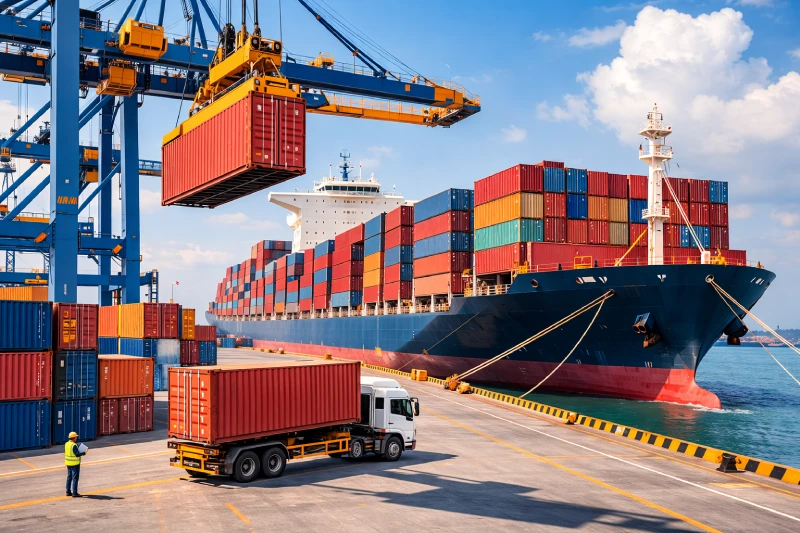
FCL Shipping Cost Structure
Full Container Load (FCL) shipping is generally used when a shipment can fill most or all of a container. With FCL transport, the shipper pays for the entire container regardless of the exact cargo volume. This method provides greater cargo security, simplified handling, and more predictable scheduling. Many manufacturers and distributors prefer FCL shipments when importing machinery, building materials, or high-volume consumer goods.
LCL Shipping Cost Structure
Less than Container Load (LCL) shipping allows multiple shipments from different importers to share space within a single container. Charges are usually calculated based on cargo volume or weight, whichever is greater. LCL can be a practical option for smaller shipments that do not require a full container, although additional consolidation and deconsolidation processes may affect handling costs.
Typical Port Pairs Used for Cameroon Shipments
Common shipping routes between China and Cameroon often connect major Chinese export ports with Cameroon’s primary container gateways, including:
- Shanghai → Douala
- Ningbo → Douala
- Shenzhen → Douala
- Qingdao → Kribi
Understanding these trade routes can help importers evaluate logistics planning and compare shipping costs alongside delivery timelines.
For a detailed comparison of transit durations across different routes and methods, see how long shipping from China to Cameroon takes.
Air Freight Cost from China to Cameroon
Air freight is typically used when shipments require faster delivery or when the cargo has a high value relative to its weight. Although air transport generally has a higher cost per kilogram than sea freight, it allows businesses to reduce transit time and maintain supply chain continuity. For companies facing urgent production needs or tight inventory cycles, air cargo can provide a practical alternative to ocean shipping.
Air Freight Pricing Model
Air freight charges are usually calculated based on chargeable weight. This is determined by comparing the cargo’s actual weight with its volumetric weight, and the higher value is used for pricing. In addition to the base air freight rate, total logistics costs may include origin handling fees, airport security charges, documentation, customs clearance, and destination handling. Businesses comparing transport options often evaluate whether the speed advantage of air cargo justifies the higher transportation cost.
Major Airports Serving Cameroon Routes
Air cargo shipments from China typically depart from major international cargo hubs and connect to Cameroon through regional aviation networks. Common origin airports include:
- Shanghai Pudong International Airport
- Guangzhou Baiyun International Airport
- Shenzhen Bao’an International Airport
Cargo shipments usually arrive at Douala International Airport, which handles the majority of international air cargo entering Cameroon.
Typical Cargo Transported by Air
Air freight between China and Cameroon is commonly used for:
- Electronic products and components
- Industrial spare parts
- Medical equipment and supplies
- High-value or time-sensitive goods
Understanding when air transport is appropriate helps businesses balance logistics speed and shipping cost.
Key Factors Affecting Shipping Cost from China to Cameroon
Shipping cost between China and Cameroon is influenced by multiple operational and logistics factors. Importers evaluating freight options often consider cargo characteristics, routing choices, and supply chain planning when estimating the total transportation cost. Understanding these variables helps businesses select the most appropriate shipping strategy for their cargo.
Cargo Volume and Weight
The physical size and weight of a shipment are among the most important cost determinants. Ocean freight typically uses container capacity or cargo volume as the pricing basis, while air freight relies on chargeable weight calculations. Efficient packaging and palletization can help optimize space usage and reduce overall freight cost.
Origin and Destination Locations
Shipping costs can vary depending on where cargo is loaded in China and where it will be delivered within Cameroon. Shipments departing from major export hubs such as Shanghai, Ningbo, or Shenzhen often benefit from more frequent shipping schedules and competitive freight rates. Inland delivery distances within Cameroon can also influence total logistics cost.
Transportation Mode Selection
Choosing between ocean freight and air cargo has a significant impact on overall shipping expenses. Sea transport usually provides the lowest cost for large shipments, while air transport offers faster delivery but at a higher rate per kilogram.
Seasonal Shipping Demand
Freight rates may fluctuate based on global shipping demand. Peak export seasons, port congestion, or capacity shortages can influence the availability of vessels or aircraft. Businesses that plan shipments in advance are often better positioned to manage cost variations.
Customs Clearance and Import Compliance
Import procedures and regulatory compliance can also affect the total shipping cost. Documentation accuracy, customs inspections, and import regulations may influence the speed and cost of cargo release at destination.
Major Ports and Logistics Infrastructure in Cameroon
Cameroon’s maritime infrastructure plays an important role in handling cargo imported from Asia. Most international shipments from China arrive through the country’s main seaports before being distributed to domestic markets or transported to neighboring Central African countries. Understanding the capabilities of these ports helps importers plan shipping routes and evaluate logistics efficiency.
Port of Douala
The Port of Douala is the primary commercial gateway for containerized cargo entering Cameroon. Located along the Wouri River, it handles a large share of the country’s imports, including consumer goods, machinery, and industrial materials. Douala’s container terminals support both full container load (FCL) and consolidated shipments, making it the most common destination for sea freight shipments from China.
In addition to serving Cameroon’s domestic market, the port also functions as a transit hub for cargo moving to landlocked countries in Central Africa. Because of this regional role, port congestion and inland transportation capacity can sometimes influence cargo handling efficiency.
Port of Kribi
The Port of Kribi is a modern deep-water port designed to accommodate larger vessels and specialized cargo. It is particularly suitable for bulk shipments, project cargo, and heavy equipment. The port’s infrastructure supports deep-draft container ships and provides an alternative entry point for certain types of imports.
Import Duties and Customs Clearance
Import duties are an important component of the total landed cost when shipping goods from China to Cameroon. To understand applicable tax rates and calculation methods, see our guide to import duties in Cameroon.
Customs procedures are an important part of the total shipping process when importing goods from China to Cameroon. In addition to freight transportation, businesses must prepare the correct documentation and comply with local import regulations before cargo can be released from the port or airport. Understanding these requirements helps importers avoid delays and manage overall logistics costs more effectively.
Common Import Documents
Several standard documents are typically required for customs clearance when goods arrive in Cameroon. These documents help customs authorities verify cargo value, product classification, and shipment details.
- Commercial invoice
- Packing list
- Bill of lading or air waybill
- Import declaration documents
- Product certificates or regulatory approvals when required
For a step-by-step explanation of documentation and clearance procedures, refer to customs clearance in Cameroon.
Accurate documentation is essential because discrepancies in shipment information can result in inspection delays or additional administrative procedures.
Customs Clearance Process
Once cargo arrives at a port or airport, customs authorities review the submitted documents and verify the shipment details. This process may include document checks, tariff classification, and in some cases physical inspection of the goods. After the required duties and taxes are assessed and paid, the cargo can be released for delivery.
Role of Local Customs Brokers
Many importers work with licensed customs brokers or freight forwarders to manage the clearance process. Experienced logistics providers can coordinate documentation, communicate with customs authorities, and arrange inland delivery after cargo release.
Companies planning door-to-door shipments sometimes consider DDP shipping from China to Cameroon, which combines freight transport, customs clearance, and final delivery into a single logistics solution.
Comparing Shipping Methods: Cost vs Efficiency
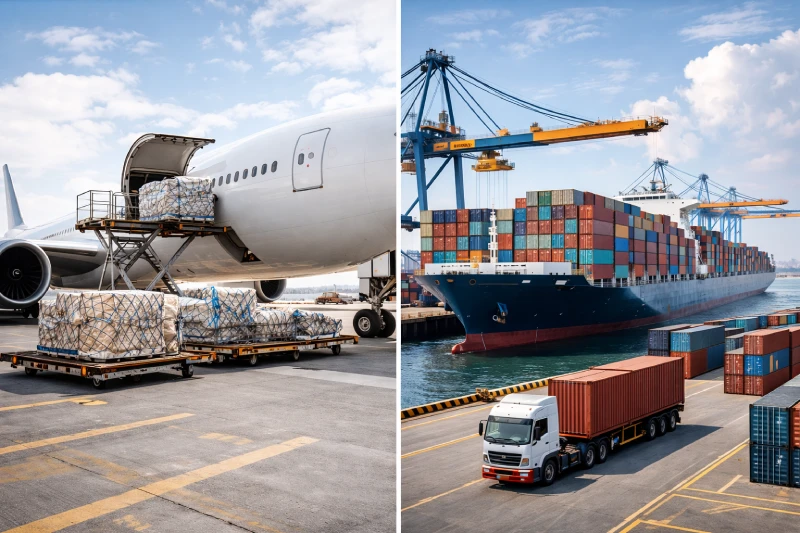
Choosing the right transportation method is an important decision for businesses importing goods from China to Cameroon. Each shipping option offers different advantages in terms of cost, delivery speed, and cargo handling. Importers often evaluate shipment size, urgency, and supply chain requirements before selecting the most appropriate freight method.
| Shipping Method | Cost Level | Transit Speed | Typical Use Case |
|---|---|---|---|
| Sea Freight (FCL) | Lower cost per unit | Slower transit | Large or regular container shipments |
| Sea Freight (LCL) | Moderate cost | Moderate transit | Small or partial shipments |
| Air Freight | Higher cost per kg | Fast delivery | Urgent or high-value cargo |
Sea freight remains the most common option for commercial shipments because container transport allows businesses to move large cargo volumes at a lower overall cost. Full container load shipments are generally preferred when cargo volume is sufficient to fill most of a container, while LCL can be useful for smaller consignments that do not justify an entire container.
Air freight, on the other hand, is selected when delivery speed becomes the primary priority. Although transportation costs are higher, air cargo helps companies reduce inventory shortages or maintain production schedules. Businesses planning urgent shipments often evaluate whether faster transit justifies the additional freight expense.
How Freight Forwarders Calculate Shipping Cost
When businesses request a freight quotation for shipments from China to Cameroon, logistics providers usually calculate the total cost by combining several operational charges. These costs cover transportation, cargo handling, documentation, and destination services. Understanding how these components are structured helps importers estimate the total landed cost of their goods.
Freight Charges
The main component of the shipping cost is the base freight charge. For ocean transport, this typically refers to the container shipping rate or the LCL consolidation rate based on cargo volume. Air cargo pricing is usually calculated using chargeable weight, which compares the shipment’s actual weight with its volumetric weight.
Origin Charges
Origin charges include services performed before cargo leaves China. These may involve container loading, terminal handling, export documentation, customs export declaration, and port or airport handling fees. The specific costs can vary depending on the export port and the logistics service provider handling the shipment.
Destination Charges
Once cargo arrives in Cameroon, additional handling costs may apply at the port or airport. These destination charges can include terminal handling, cargo unloading, storage, and administrative processing before the shipment is released for delivery.
Customs Clearance
Customs clearance costs may include brokerage services, documentation preparation, and the administrative procedures required to process import declarations.
Inland Transportation
After cargo is released from the port or airport, inland delivery may be required to transport goods to warehouses, factories, or distribution centers within Cameroon. Businesses that need integrated logistics services may choose full-service shipping solutions that include freight, customs clearance, and inland delivery.
Planning a Cost-Efficient Shipping Strategy
Developing a cost-efficient shipping strategy is important for businesses that regularly import goods from China to Cameroon. Beyond comparing freight rates, companies often evaluate shipment planning, cargo preparation, and logistics coordination to reduce unnecessary transportation expenses and maintain stable supply chains.
Choose the Appropriate Container Type
Selecting the correct container option can significantly influence shipping efficiency. Businesses shipping large cargo volumes may benefit from full container shipments, while smaller shipments can use consolidation services to avoid paying for unused container space.
Optimize Cargo Packaging
Efficient packaging and palletization help maximize cargo space and reduce freight costs. Well-organized cargo can improve container utilization and simplify handling during loading and unloading.
Plan Shipments in Advance
Advance planning allows businesses to secure better shipping schedules and avoid peak-season capacity constraints. Importers who coordinate production timelines with logistics planning often achieve more stable transportation costs.
Work with Experienced Logistics Providers
Professional freight forwarders can help coordinate transportation, documentation, and customs procedures throughout the shipping process. Companies evaluating long-term logistics solutions often compare different shipping methods and service models when developing a more streamlined supply chain strategy.
