
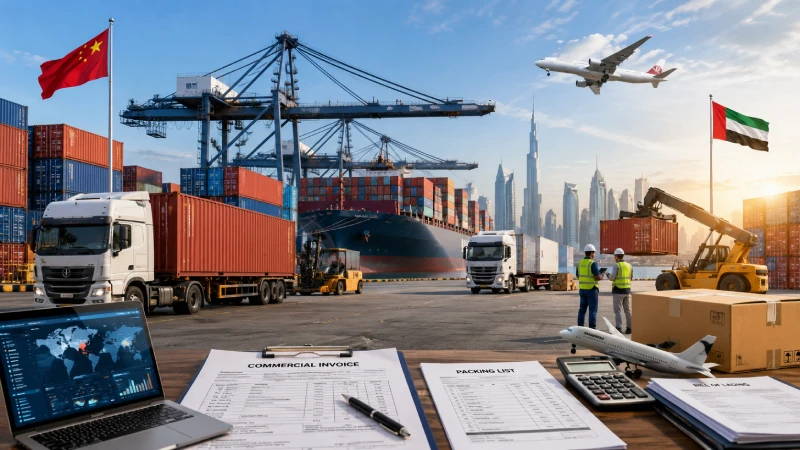
Importing goods from China to the UAE can be highly profitable, but shipment delays remain one of the biggest problems faced by importers. A delayed container can disrupt inventory planning, increase storage costs, damage customer relationships, and create unexpected customs complications.
Many delays are preventable. In most cases, problems happen because of poor preparation, incorrect shipping methods, documentation mistakes, or weak coordination between suppliers, freight forwarders, and customs brokers.
This guide explains how experienced importers reduce delays when shipping from China to the UAE. You will learn how to avoid common customs problems, choose the right shipping solution, prepare documents correctly, and manage risks during peak shipping seasons.
Understanding the China to UAE Shipping Process
Before discussing delay prevention, it is important to understand the basic import process.
A typical China-to-UAE shipment involves:
- Supplier production and cargo preparation
- Export handling in China
- International transportation
- UAE customs clearance
- Final delivery to warehouse or business location
Problems can occur at every stage if coordination is weak.
For example, some importers focus only on freight cost and ignore customs readiness. Others choose the cheapest shipping method without understanding transit risks. In reality, smooth shipping depends on planning the entire process, not just booking transportation.
The Most Common Causes of Shipping Delays
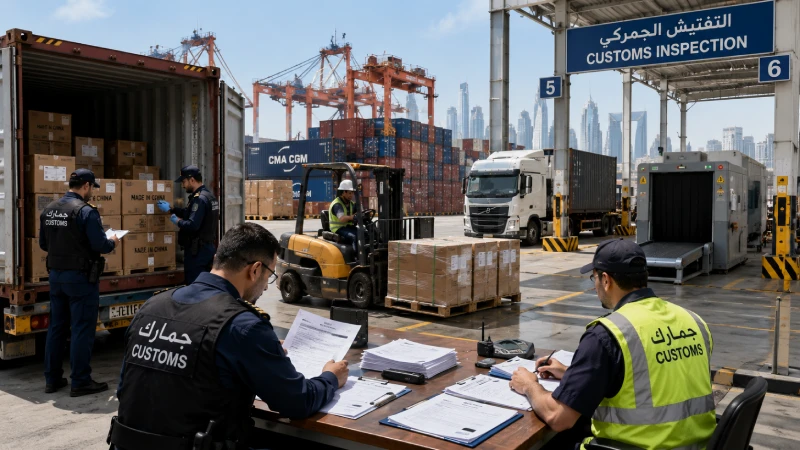
Documentation Mistakes
Incorrect shipping documents are one of the leading causes of UAE customs delays.
Common problems include:
- Incorrect product descriptions
- Wrong HS codes
- Invoice values that do not match cargo reality
- Missing consignee information
- Quantity inconsistencies between invoice and packing list
For example, if a shipment contains LED lighting products but the invoice simply says “electronics,” customs officers may request additional clarification or inspection.
Experienced importers always verify documents before cargo leaves China rather than trying to fix problems after arrival.
Choosing the Wrong Shipping Method
Many delays happen because the shipping solution does not match the cargo type or delivery requirements.
Sea Freight Problems
Sea freight is cost-effective but may become risky for:
- Urgent inventory replenishment
- Seasonal products
- Small high-value goods
LCL (Less than Container Load) shipments are especially vulnerable to delays because multiple suppliers share the same container. If one shipment encounters customs or loading issues, the entire container may be delayed.
Air Freight Problems
Air freight is faster, but delays can still happen if:
- Cargo misses flight cut-off times
- Dangerous goods paperwork is incomplete
- Airline capacity becomes limited during peak seasons
Cheap Consolidation Services
Some low-cost forwarders use unstable consolidation networks. While pricing may look attractive initially, delays often occur because cargo is repeatedly transferred between warehouses or waiting for space availability.
Reliable logistics planning is usually more valuable than saving a small amount on freight costs.
UAE Customs Clearance Issues
Customs clearance delays are extremely common for first-time importers.
Typical causes include:
- Missing import licenses
- Incorrect VAT handling
- Incomplete consignee details
- Sensitive cargo requiring approval
- Suspiciously low declared cargo value
The UAE customs system is efficient compared to many countries, but documentation accuracy is still critical.
Electronics, cosmetics, batteries, medical items, and food products may require additional compliance checks.
Importers who fail to prepare these approvals in advance often experience long delays at the port or airport.
Peak Season Congestion
Peak seasons significantly affect China–UAE shipping timelines.
Major congestion periods include:
- Before Chinese New Year
- September to December export season
- Ramadan and holiday inventory buildup in the UAE
- Major e-commerce sales periods
During these periods:
- Vessel space becomes limited
- Air freight rates rise sharply
- Port congestion increases
- Customs inspections may take longer
Experienced importers book freight earlier during peak seasons instead of waiting until cargo is fully finished.
How to Choose the Right Shipping Method
When Air Freight Works Best
Air freight is usually suitable for:
- Urgent deliveries
- High-value goods
- Small cargo volumes
- Time-sensitive inventory
Examples include:
- Electronics
- Fashion products
- Auto spare parts
- Product launch inventory
Although air freight costs more, it can actually reduce total business risk when delays would cause stock shortages or lost sales.
When Sea Freight Is Better
Sea freight is ideal for:
- Large cargo volumes
- Stable inventory replenishment
- Heavy products
- Lower urgency shipments
FCL (Full Container Load) shipping is generally more predictable than LCL because the container belongs to one importer.
FCL shipments usually experience:
- Faster loading
- Fewer handling stages
- Reduced consolidation delays
- Lower damage risk
Many experienced UAE importers move from LCL to FCL as their business volume grows because reliability improves significantly.
DDP vs Non-DDP Shipping: Which Causes Fewer Delays?
What DDP Shipping Means
DDP (Delivered Duty Paid) shipping means the freight forwarder manages:
- Transportation
- Customs clearance
- Duties and VAT
- Final delivery
For many UAE importers, especially SMEs and first-time buyers, DDP shipping simplifies the process and reduces operational risk.
Why DDP Often Reduces Delays
DDP shipping can help prevent delays because:
- Customs procedures are pre-arranged
- Clearance coordination is centralized
- Tax handling is managed professionally
- Communication between parties becomes simpler
Instead of coordinating separately with suppliers, customs brokers, transport companies, and warehouses, the importer works with one logistics provider.
This reduces confusion and speeds up problem resolution.
Common Risks With Non-DDP Shipping
Non-DDP shipping may work well for experienced importers with internal logistics teams, but beginners often encounter problems such as:
- Delayed customs payments
- Missing import documentation
- Poor coordination between broker and consignee
- Unclear responsibility during inspections
For example, many shipments become stuck because the consignee is not ready to process VAT or customs paperwork after cargo arrival.
Experienced importers prepare clearance requirements before the shipment departs China.
UAE Customs Requirements Importers Must Understand
Essential Shipping Documents
The most important import documents include:
Commercial Invoice
The invoice should clearly state:
- Product names
- Quantity
- Unit price
- Total cargo value
- Country of origin
Packing List
The packing list must accurately show:
- Carton quantity
- Dimensions
- Gross and net weight
Bill of Lading or Airway Bill
This document acts as transportation proof and cargo ownership reference.
Certificate of Origin
Some shipments may require origin verification depending on product category.
Products That Need Additional Attention
Certain goods may require extra approvals before import:
- Cosmetics
- Medical devices
- Food products
- Wireless electronics
- Lithium battery products
Importers should confirm UAE regulations before production starts rather than after cargo arrival.
Documentation Mistakes That Frequently Cause Delays
Incorrect Product Descriptions
Descriptions that are too vague create customs suspicion.
Instead of writing:
“Accessories”
Use:
“Aluminum mobile phone holders”
Specific descriptions help customs process shipments faster.
Incorrect Cargo Value Declaration
Undervaluing cargo may appear attractive for reducing taxes, but it creates major customs risks.
If customs believes the declared value is unrealistic, inspections and reassessments may follow.
This often creates far bigger costs than the original tax savings.
Inconsistent Information Across Documents
All documents must match.
Problems commonly occur when:
- Invoice quantity differs from packing list quantity
- Weight data is inconsistent
- HS codes do not align
- Supplier names differ between documents
Even small inconsistencies can delay customs release.
Real-World Delay Scenarios
Scenario 1: Shipment Delayed Due to Incorrect HS Code
A UAE importer shipped electronic accessories using a generic HS code selected by the supplier.
After arrival, customs requested clarification because the classification did not match the actual products.
The shipment was delayed for several days while revised documents were submitted.
Experienced importers usually verify HS codes independently instead of relying entirely on factories.
Scenario 2: Peak Season Booking Failure
A furniture importer booked sea freight only after cargo production was completed in November.
Because of peak-season congestion, vessel space was unavailable for over a week.
The delayed inventory missed planned showroom promotions in Dubai.
Experienced importers often reserve shipping space before production is finished during busy seasons.
Scenario 3: Non-DDP Shipment Held at Customs
A first-time importer selected non-DDP shipping because the freight quote looked cheaper.
However, the consignee was unfamiliar with UAE customs procedures and failed to arrange VAT payment immediately after arrival.
The shipment remained uncleared while storage charges accumulated.
The final cost exceeded the original DDP quotation.
What Experienced Importers Do Differently
They Prioritize Reliability Over Lowest Price
Cheap freight often hides operational weaknesses.
Experienced importers understand that delayed inventory can cost more than slightly higher shipping rates.
They Prepare Documents Early
Instead of waiting until cargo is ready, experienced importers review:
- Invoice templates
- Product descriptions
- HS codes
- Import requirements
before shipping begins.
They Build Buffer Time Into Planning
Professional importers rarely rely on “best-case” delivery timelines.
They account for:
- Port congestion
- Customs inspections
- Weather disruptions
- Airline schedule changes
This creates more stable inventory management.
They Work With Forwarders Experienced in UAE Shipping
China–UAE shipping has specific customs and operational requirements.
Experienced forwarders understand:
- UAE clearance procedures
- DDP handling
- Documentation standards
- Sensitive cargo management
This reduces avoidable mistakes significantly.
Practical Delay-Prevention Checklist
Before Production Starts
- Confirm UAE import requirements
- Verify whether approvals are needed
- Confirm packaging standards
- Review HS codes
Before Cargo Leaves China
- Verify invoice accuracy
- Confirm packing list details
- Double-check consignee information
- Confirm freight booking schedule
- Review customs documentation
During Peak Season
- Book space early
- Avoid last-minute production schedules
- Consider air freight backup plans
- Monitor port congestion updates
Before UAE Arrival
- Prepare VAT handling
- Confirm customs broker readiness
- Ensure import licenses are valid
- Track shipment status proactively
How to Choose a Reliable Freight Forwarder
Not all freight forwarders provide the same operational quality.
When selecting a logistics partner, importers should evaluate:
UAE Customs Experience
The forwarder should understand local customs requirements and documentation standards.
DDP Capability
A strong DDP network often reduces coordination problems and customs delays.
Communication Speed
Fast communication becomes critical during inspections or unexpected shipping disruptions.
Realistic Transit Time Promises
Reliable forwarders provide realistic delivery estimates rather than overly optimistic promises designed only to win bookings.
Conclusion
Importing goods from China to the UAE without delays is not about luck. In most cases, delays happen because of preventable operational mistakes.
Documentation errors, weak planning, poor shipping method selection, and customs mismanagement are the main reasons shipments become delayed.
Experienced importers reduce these risks by preparing early, selecting reliable logistics partners, understanding UAE customs requirements, and building realistic timelines into their supply chain planning.
The businesses that consistently avoid delays are usually the ones that treat logistics as a strategic process rather than simply searching for the cheapest freight quote.
With proper preparation, the China-to-UAE import process can become faster, more predictable, and far less stressful over the long term.
