
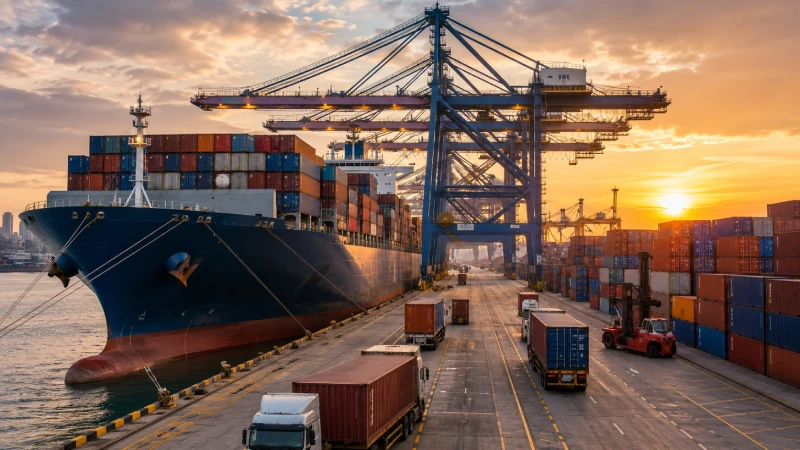
For many Saudi importers, FCL shipping is no longer just a logistics option for large corporations. As sourcing volumes from China continue to grow, full container shipping has become one of the most cost-efficient and operationally stable freight solutions for businesses importing furniture, building materials, machinery, retail goods, and industrial products.
However, FCL shipping to Saudi Arabia is not simply about booking a container. Real shipping costs depend on container utilization, Saudi customs procedures, inland trucking distance, port congestion, and even seasonal factors like Ramadan or peak production periods in China.
Importers that understand how FCL pricing actually works often reduce their landed costs significantly while avoiding delays, detention fees, and container inefficiencies.
Why More Saudi Importers Are Switching to FCL Instead of LCL
Many businesses initially start with LCL shipping because their cargo volume is still limited. But once shipment volume increases, the economics begin changing quickly.
For Saudi Arabia imports, destination charges on LCL shipments can become surprisingly expensive. Shared container handling, warehouse unpacking fees, customs inspection coordination, and local handling charges often push the final cost much higher than expected.
In many cases, once cargo volume reaches around 15–18 CBM, FCL shipping becomes financially competitive.
This is especially true for importers shipping:
- Furniture
- Ceramics
- Building materials
- Home appliances
- Retail inventory
- Machinery components
FCL also reduces operational uncertainty. Since the container belongs to one importer, there is less risk of cargo mixing, warehouse handling damage, or customs delays caused by other shippers sharing the same container.
For Saudi buyers managing recurring inventory replenishment, FCL creates more predictable shipping schedules and easier warehouse planning.
20ft vs 40ft Container Shipping Cost to Saudi Arabia
Choosing between a 20ft and 40ft container is not simply about cargo size. Weight distribution and cargo density matter far more than many importers realize.
A 20ft container is often the better option for dense and heavy cargo such as tiles, metal products, machinery parts, or stone materials. These products usually hit weight limits before filling the container volume.
Meanwhile, a 40ft or 40HQ container works better for lighter cargo with larger dimensions, such as furniture, plastic goods, mattresses, or retail packaging products.
One of the most common cost mistakes is booking a container that is only partially utilized.
For example, using a 40HQ container at only 50% loading efficiency can dramatically increase the shipping cost per CBM. In some cases, importers actually pay less overall by optimizing cargo arrangement inside a smaller container.
Container utilization affects:
- Ocean freight efficiency
- Saudi destination handling costs
- Inland delivery economics
- Warehouse unloading efficiency
- Customs inspection complexity
Professional freight planning is often more important than simply chasing lower freight rates.
Real FCL Shipping Cost Structure from China to Saudi Arabia
Many first-time importers focus only on the ocean freight quote. In reality, the total FCL shipping cost includes several different layers.
The main cost components typically include:
- Ocean freight
- Origin port charges in China
- Export customs declaration
- Documentation fees
- Container loading fees
- Saudi terminal handling charges
- Customs clearance costs
- VAT and import duty
- Inland trucking
- Container return costs
Shipping from Shanghai or Ningbo to Jeddah may have different pricing compared to Shenzhen or Qingdao routes because carrier allocation and vessel frequency vary by port.
Saudi destination charges can also differ significantly depending on the port.
Jeddah often experiences higher congestion risk during peak seasons, while Dammam shipments may involve additional inland trucking expenses if the final destination is Riyadh or central Saudi Arabia.
Importers using DDP shipping should also understand that DDP container pricing includes hidden risk calculations from the freight forwarder. Customs uncertainty, SABER compliance issues, and inspection delays are usually built into the final rate.
For businesses comparing quotations, evaluating only the ocean freight portion creates misleading cost analysis.
Jeddah vs Dammam FCL Shipping Cost Differences
Saudi Arabia’s two major import gateways operate very differently from a logistics perspective.
Jeddah serves western Saudi Arabia and handles large import volumes connected to retail distribution, consumer goods, and Red Sea trade routes. Shipping rates to Jeddah are often competitive because vessel frequency is high.
However, congestion risk can become severe during peak periods, especially before Ramadan or during major retail stocking seasons.
Dammam serves the Eastern Province and is strategically important for industrial cargo and Riyadh distribution. While port operations are often more stable, inland trucking costs can increase significantly depending on the delivery location.
For example:
- Jeddah to Riyadh trucking
- Dammam to Riyadh trucking
- Dammam to eastern industrial zones
- Warehouse appointment delivery fees
All create different cost structures.
Importers focusing only on ocean freight rates sometimes choose the wrong Saudi entry port and end up paying higher inland transportation expenses later.
The best shipping route is usually determined by total landed cost, not just container freight price.
How Container Utilization Directly Impacts Shipping Cost
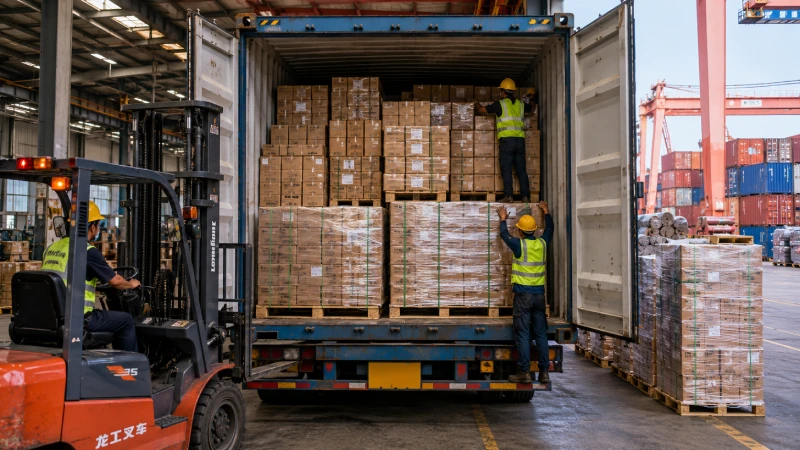
FCL shipping efficiency depends heavily on how well the container space is used.
Many suppliers load cargo based on convenience instead of freight optimization. This creates wasted space, unstable cargo stacking, and poor weight distribution.
For Saudi Arabia shipments, inefficient loading becomes particularly expensive because importers already face:
- Port handling charges
- Customs processing fees
- Delivery scheduling costs
- Container detention risk
If the container space is underutilized, all these fixed expenses are spread across fewer products.
Floor-loaded cargo often improves container utilization compared to palletized cargo. However, pallet loading may still be necessary for fragile items, warehouse unloading requirements, or retail distribution systems.
Experienced freight forwarders often help optimize:
- Carton dimensions
- Stacking arrangement
- Weight balancing
- Loading sequence
- Cargo protection strategy
This directly reduces shipping cost per unit.
The Hidden Charges That Increase Saudi Arabia FCL Shipping Costs
Hidden logistics charges are one of the biggest frustrations for importers shipping to Saudi Arabia.
The most common unexpected costs include container detention and demurrage fees. These charges occur when containers are not picked up or returned within the free time allowed by the shipping line.
Saudi customs inspections can sometimes delay cargo release, especially if documentation issues or SABER certification problems occur.
Additional hidden costs may include:
- SASO inspection fees
- Customs examination charges
- Port storage costs
- Warehouse delivery waiting fees
- Re-delivery charges
- VAT calculation discrepancies
Warehouse restrictions also create additional expenses. Some Saudi warehouses require pre-booked unloading appointments, while others charge overtime fees for delayed unloading.
These operational realities make Saudi FCL shipping more complex than simple freight rate comparisons.
Best Cargo Types for FCL Shipping from China to Saudi Arabia
FCL shipping works particularly well for cargo categories with stable volume and predictable inventory movement.
Common FCL cargo types include:
- Furniture
- Building materials
- Ceramic tiles
- Industrial machinery
- Automotive parts
- Home appliances
- Retail inventory
- Hotel project cargo
Fragile cargo often performs better in dedicated containers because there is less handling during transit.
For battery cargo or dangerous goods shipments, FCL may also simplify compliance management. Shared containers create additional restrictions and carrier approval complications for hazardous cargo.
Importers shipping project cargo or commercial equipment frequently use FCL because cargo dimensions make consolidation impractical.
FCL Shipping During Ramadan and Peak Import Seasons
Seasonal timing has a major impact on China–Saudi Arabia container shipping.
Before Ramadan, many Saudi businesses accelerate imports to prepare for increased market demand and shorter working hours. This often creates:
- Vessel space shortages
- Higher freight rates
- Customs congestion
- Trucking delays
Chinese peak production seasons before major holidays can also affect container availability.
Importers waiting until the last minute to book containers frequently face premium pricing or delayed departures.
Businesses with stable purchasing cycles often reduce costs by planning shipments several weeks earlier and negotiating longer-term freight agreements with forwarders.
How Saudi Importers Reduce FCL Shipping Costs Without Slowing Delivery
The cheapest freight rate is not always the lowest total shipping cost.
Experienced importers reduce expenses by improving operational efficiency instead of sacrificing transit reliability.
One effective strategy is consolidating multiple suppliers into a single FCL shipment. This improves container utilization while reducing repeated customs clearance expenses.
Some importers also lower costs by using alternative Chinese ports when nearby port trucking is cheaper than higher ocean freight from primary export hubs.
Freight negotiation also becomes easier for businesses shipping consistently throughout the year instead of relying entirely on spot market pricing.
For some Saudi buyers, DDP container shipping can even reduce total landed cost because customs coordination, duty handling, and local delivery are bundled into one controlled logistics solution.
Choosing the Right FCL Shipping Model for Saudi Arabia Imports
The ideal FCL shipping model depends on the importer’s experience level, cargo type, and operational structure.
Port-to-port shipping may work well for large importers with internal customs teams and local trucking arrangements.
Smaller businesses often prefer door-to-door or DDP shipping because it reduces operational complexity and customs risk.
Importers should also evaluate:
- Saudi customs clearance capability
- Warehouse unloading conditions
- Delivery scheduling requirements
- Container return coordination
- Inland transportation planning
A well-structured FCL strategy is not only about moving cargo from China to Saudi Arabia. It is about controlling the entire landed cost process from supplier pickup to final warehouse delivery.
For businesses importing regularly, optimizing container planning, customs coordination, and Saudi inland logistics often creates larger savings than simply negotiating lower ocean freight rates.
