
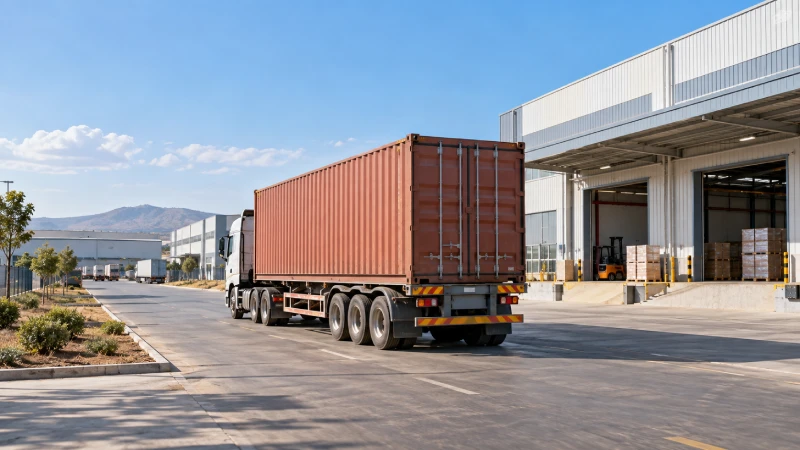
Athi River is not simply another Nairobi-area delivery point. It is one of Kenya’s important industrial locations, with factories, warehouses and the Athi River Public Export Processing Zone serving manufacturing and export-oriented businesses.
For an importer buying machinery, raw materials, production equipment or commercial goods from China, the main logistics question is therefore not only how to ship to Kenya. You also need to decide how the cargo will move from the Kenyan gateway to the actual factory or EPZ receiving point in Athi River.
For most containerized shipments, the practical route is usually:
China supplier → China export port → Port of Mombasa → customs/inland routing → Athi River factory
Depending on the shipment, routing through Nairobi Inland Container Depot may also be considered. Urgent production parts and smaller time-sensitive cargo can instead arrive through Jomo Kenyatta International Airport before road delivery to Athi River.
The best option depends on the cargo, consignee status, customs arrangement, container routing, site access and unloading requirements.
Data Note: Kenya introduced several important import-document changes during 2025–2026, including mandatory Certificate of Origin requirements and the Advance Cargo Declaration for containerized cargo. Requirements should be reconfirmed against the cargo, HS classification and importer status before shipment.
Quick Answer: How Do You Ship from China to Athi River?
Athi River is an inland destination, so a sea shipment cannot end when the container arrives at Mombasa. The inland leg must be planned as part of the shipment from the beginning.
For most industrial cargo, three routing options are worth evaluating:
| Cargo Situation | Route to Evaluate | Main Consideration |
|---|---|---|
| FCL, machinery and industrial cargo | China → Mombasa → road delivery to Athi River | Direct factory delivery and unloading |
| Suitable containerized shipments | China → Mombasa → Nairobi ICD → truck to Athi River | Rail routing, additional handling and final drayage |
| Urgent parts or lighter high-value cargo | China → JKIA → road delivery to Athi River | Speed versus air freight cost |
Kenya Ports Authority lists Nairobi, Naivasha and Eldoret among its inland container depots and confirms that Nairobi ICD is connected with Mombasa by railtainer service. Athi River itself should therefore not automatically be described as a KPA inland container depot. Kenya Ports Authority – Inland Container Depots
Kenya Railways similarly describes its containerized Madaraka Express Freight Service as primarily moving 20-foot and 40-foot containers between Mombasa and the Nairobi and Naivasha ICDs. Kenya Railways – Madaraka Express Freight Service
For an Athi River consignee, this means the practical decision is usually between direct trucking from the Mombasa side and an inland-routing arrangement followed by shorter final delivery.
Neither route should automatically be assumed to be cheaper or faster.
The correct choice should be checked against the Bill of Lading arrangement, shipping line, container release point, cargo weight, final delivery address and total destination charges.
For the broader route, mode and Kenya import overview, see Shipping from China to Kenya.
Check My Mombasa-to-Athi River Route
Send the China pickup location, cargo details, container type and Athi River delivery address so the inland routing can be assessed together with the international freight leg.
Why Athi River Is Different from a Standard Nairobi Delivery
Athi River is commercially important because of its concentration of industrial activity.
Kenya’s Export Processing Zones Authority manages the Athi River Public Export Processing Zone and identifies several logistics advantages for the area, including access to the Nairobi–Mombasa and Nairobi–Namanga highways, proximity to the Athi River SGR station, Jomo Kenyatta International Airport and an inland container depot. EPZA also confirms that a Customs & Excise office operates within the zone. Export Processing Zones Authority – Our Regions
That combination makes Athi River relevant for shipments such as:
- production machinery
- manufacturing equipment
- spare parts
- raw materials
- electrical equipment
- packaging materials
- factory inputs
- containerized commercial cargo
- heavy or oversized industrial equipment
But the logistics plan should be based on the actual consignee and factory, not simply the city name.
Athi River EPZ or an Ordinary Athi River Factory?
This distinction needs to be established before shipping.
A company may operate in Athi River without being a licensed EPZ enterprise. An Athi River address alone therefore does not determine the customs procedure, tax treatment or import documentation.
Before the cargo leaves China, confirm:
- full consignee legal name
- exact delivery address
- whether the receiver is a licensed EPZ enterprise
- importer details used for customs clearance
- clearing-agent contact
- intended customs procedure
- cargo purpose
- required product permits or conformity documents
Do not assume that cargo becomes duty-free simply because its final destination is inside Athi River.
The appropriate treatment depends on the licensed entity, cargo and customs procedure and should be confirmed with the importer and its Kenyan customs agent before shipment.
Pro Tip: Treat “Athi River” as the destination location and “EPZ status” as a separate customs question. Confirm both before booking the freight.
Best Shipping Routes from China to Athi River
There is no single routing model that suits every Athi River shipment.
The best route depends heavily on whether the cargo is FCL, LCL, air freight, heavy machinery or an abnormal load.
Mombasa to Athi River by Road
For FCL machinery, production equipment and industrial goods, direct road delivery after the relevant port and customs procedures is often the first option worth assessing.
A typical operational sequence may look like:
China supplier → export port → ocean freight → Mombasa → cargo release → truck → Athi River factory
The attraction of this setup is operational simplicity: once the container or cargo is released for inland transport, the same delivery movement can be coordinated directly with the receiving site.
However, a road-delivery quotation needs to consider more than distance.
Important variables include:
- 20-foot or 40-foot container
- total gross weight
- standard, high-cube, open-top or flat-rack equipment
- exact cargo release point
- factory location in Athi River
- truck type
- unloading time
- receiving hours
- container free time
- empty-container return location
- special permits where required
For machinery and heavy FCL cargo, the unloading plan should ideally be agreed before the container is dispatched inland.
Mombasa to Nairobi ICD, Then Athi River
Another option is to evaluate rail movement from Mombasa to Nairobi ICD followed by road delivery to Athi River.
KPA states that Nairobi ICD is directly linked to Mombasa through SGR and MGR services and can handle cargo moved under Through Bill of Lading and merchant-haulage arrangements. Kenya Ports Authority – Inland Container Depots
This can make sense for certain containerized shipments, but it should not be marketed as the default Athi River route.
Routing through an ICD introduces additional questions:
- Where will the container legally and operationally be released?
- Is the Bill of Lading arranged for inland movement?
- What rail service is available for the shipment?
- Are there additional handling or terminal charges?
- How will the container move from Nairobi ICD to Athi River?
- Where must the empty equipment be returned?
- Does the extra handling improve the total landed logistics cost?
A route that appears cheaper on one freight leg may become less attractive after terminal handling and final drayage are included.
For that reason, compare the complete destination cost, not only the Mombasa-to-Nairobi transport charge.
Air Freight Through JKIA
For urgent factory requirements, air freight can be useful for cargo such as:
- production-line replacement parts
- sensors and control components
- small electrical equipment
- samples
- urgent tooling
- high-value lightweight parts
The typical route becomes:
China supplier → Chinese airport → JKIA → customs clearance → road delivery to Athi River
EPZA specifically identifies proximity to Jomo Kenyatta International Airport as one of Athi River’s location advantages. Export Processing Zones Authority – Our Regions
Air freight should generally be selected because the cargo justifies the additional cost through urgency or value—not because Athi River itself requires air transport.
For time-sensitive cargo, see Winsail’s air freight from China service.
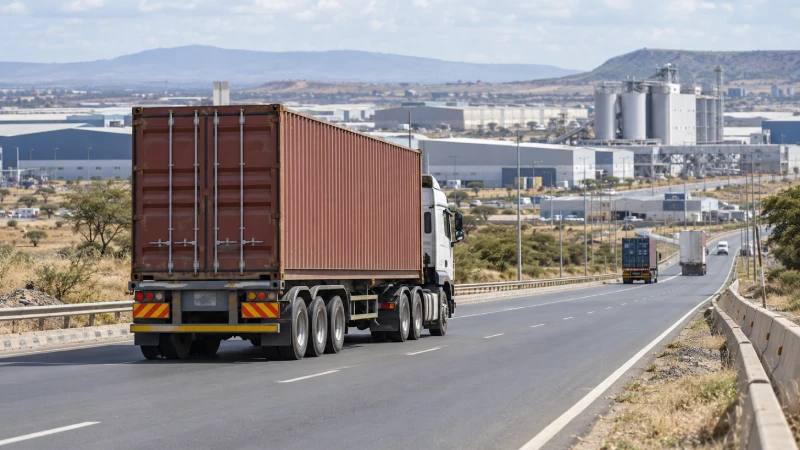
FCL, LCL or Air Freight for an Athi River Factory?
The freight method should match both the international shipment and the final factory-delivery requirement.
FCL for Machinery and Industrial Cargo
FCL is particularly useful where an importer is moving:
- complete machinery
- multiple pallets of production materials
- heavy industrial components
- factory equipment
- large quantities from one or several Chinese suppliers
One operational advantage is that the cargo can remain inside the container until the final receiving point when the shipment and customs arrangement allow it.
That can reduce unnecessary cargo handling.
Before loading in China, however, confirm how the factory will unload the shipment.
For machinery, check:
- package weight
- package dimensions
- lifting points
- forklift entry
- centre of gravity where relevant
- crane requirement
- whether equipment can be tilted
- door-opening clearance
- factory-yard accessibility
A container reaching the factory does not mean the delivery operation is finished.
LCL for Smaller Factory Shipments
LCL can work well when cargo volume does not justify a dedicated container.
For Athi River shipments, the important destination-side question is:
Where will the cargo be deconsolidated and released before final delivery?
Ask the forwarder or destination agent to confirm:
- CFS or warehouse
- release procedure
- destination handling charges
- number and type of packages
- collection requirements
- forklift requirements
- final truck arrangement
Do not assume that loose cargo will simply be delivered directly from the vessel to Athi River.
Once the goods are deconsolidated, the inland delivery becomes a separate operational stage.
Air Freight for Production-Critical Parts
Air freight becomes particularly valuable when a factory is facing downtime.
If a relatively small component can restart a production line, freight cost may be less important than delivery time.
The importer should provide exact weight and dimensions because air freight is affected by both actual and chargeable weight.
Shipping to Athi River EPZ vs a Normal Factory
An EPZ shipment should not automatically be handled the same way as an ordinary Kenyan commercial import.
Before booking, determine whether the receiver is:
- a licensed EPZ enterprise, or
- a normal Kenyan importer located in Athi River.
The answer can affect customs instructions and supporting documentation.
Confirm the Receiver Before Booking
Collect:
- legal company name
- importer details
- EPZ status where applicable
- delivery address
- clearing-agent contact
- cargo description
- HS code where known
- intended use of the goods
- machinery/raw-material status where relevant
If the importer says the cargo is going “to the EPZ,” ask for the exact consignee and receiving facility rather than relying on the location description.
Do Not Assume Automatic Tax Exemption
EPZ operations are subject to specific legal and customs procedures.
Whether particular goods qualify for an exemption or other treatment must therefore be established from the actual transaction.
This is especially important for:
- machinery
- spare parts
- production inputs
- raw materials
- equipment brought in for factory operations
The China supplier and freight forwarder should not independently decide the applicable Kenyan customs procedure.
That decision should be aligned with the importer and its licensed customs agent.
Warning: Athi River Address ≠ EPZ Status
A factory being located in Athi River does not automatically make it an EPZ enterprise. Verify the consignee’s customs status before finalizing the shipping documents.
Documents to Prepare Before Cargo Leaves China
Kenya-bound shipments increasingly require document preparation before loading.
Waiting until the vessel is already sailing can create avoidable compliance problems.
A typical industrial shipment may require the following:
| Document / Requirement | Main Party Involved | When to Prepare |
|---|---|---|
| Commercial Invoice | China supplier/exporter | Before shipment |
| Packing List | China supplier/exporter | Before shipment |
| Bill of Lading / Air Waybill | Carrier / forwarder | Booking and shipment stage |
| Export Declaration | China exporter/export agent | Export stage |
| Advance Cargo Declaration | Exporter/shipper for applicable containerized cargo | Before loading |
| Certificate of Origin | Export side / importer | Before Kenyan clearance |
| CoC under PVoC where applicable | Supplier/importer/PVoC provider | Before shipment |
| Import declaration / customs entry | Kenya importer and clearing agent | Import-clearance stage |
| Product-specific permits | Importer/relevant regulator | Before shipment where applicable |
The exact requirements depend on the product and transaction.
Advance Cargo Declaration for Containerized Cargo
This is especially important for current China-to-Kenya sea shipments.
KRA launched its Advance Cargo Declaration platform for containerized cargo in August 2026.
For applicable containerized cargo destined for Kenyan ports, the shipper or exporter must obtain an ACD reference at the loading stage. KRA lists the draft Bill of Lading, commercial invoice, freight invoice and export declaration among the documents used for the application, and the ACD reference is then endorsed on the Bill of Lading. Kenya Revenue Authority – Advance Cargo Declaration
Operationally, this means documentation should be checked before the container is loaded in China, not only before arrival in Mombasa.
Incorrect shipper information, cargo descriptions or missing supporting documents can become much harder to correct after departure.
Certificate of Origin
Kenya’s Certificate of Origin requirement should also be treated as part of origin-side preparation.
KRA states that imports into Kenya must generally be accompanied by a Certificate of Origin issued by a competent authority in the country of export. Full enforcement took effect from 1 October 2025, subject to the exceptions and provisional measures identified by KRA. Kenya Revenue Authority – Mandatory Certificate of Origin
The China supplier/exporter should therefore be told about the destination requirement early enough to arrange the appropriate origin documentation.
PVoC and Certificate of Conformity
For regulated goods, Kenya’s Pre-Export Verification of Conformity process should be checked before shipping.
KEBS describes PVoC as conformity assessment performed in the country of supply or origin before goods reach Kenya. It also identifies specific procedures relating to qualifying registered local manufacturers importing raw materials, machinery and parts for their own use. Kenya Bureau of Standards – Pre-Export Verification of Conformity
That does not mean every machine automatically qualifies for an exemption.
Check:
- product
- HS classification
- applicable Kenyan standard
- importer/manufacturer status
- current KEBS procedure
before loading.
KRA’s current import guidance also identifies a Certificate of Conformity from the PVoC agent for regulated products among the documents relevant to import clearance. Kenya Revenue Authority – How to Import
New 2026 Export-Document Record Requirement
Another recent change affects the Kenyan importer.
KRA states that from 1 September 2026, importers must obtain and retain an export declaration, export entry, customs export certificate or equivalent document from the country of export, and maintain the required records for at least five years. Kenya Revenue Authority – Finance Act 2026
For China-origin shipments, this makes coordination with the supplier or export agent even more important.
Check My Kenya Import Requirements
For machinery or regulated industrial goods, send the product description and HS code if available before the shipment is booked.
How Mombasa-to-Athi River Factory Delivery Works
The ocean voyage is only one part of an Athi River shipment.
A typical containerized factory delivery may involve the following stages.
01. Cargo Arrives at Mombasa
The vessel arrives and the cargo enters the Kenyan port/import process.
The consignee and local clearing side should already have the main documents before this point.
02. Shipment Documents Are Matched
The importer and clearing agent review the declaration information against documents such as:
- Bill of Lading
- commercial invoice
- packing list
- Certificate of Origin
- conformity documents where applicable
- permits where applicable
Kenyan importers of commercial goods normally need to work with a customs clearing agent for import clearance. Kenya Revenue Authority – How to Import
03. Customs and Regulatory Processing Takes Place
The exact process depends on the product.
A shipment may involve KRA, KEBS and other Partner Government Agencies depending on the commodity.
Do not assume that every shipment follows the same inspection path.
04. Cargo Is Released for Inland Movement
After the relevant release procedures, the container or cargo can move to the next inland stage.
Before dispatching the truck, confirm:
- delivery location
- receiving time
- contact person
- truck access
- offloading method
05. Direct Road or Inland Routing Is Confirmed
This should ideally have been decided before arrival.
For direct road delivery, the truck proceeds toward Athi River after release.
For a shipment routed through Nairobi ICD, the final Athi River truck movement follows the relevant inland release process.
06. The Correct Truck or Trailer Is Assigned
Standard containers may use conventional container transport equipment.
Heavy machinery or abnormal cargo can require different equipment.
The transport planner should know the cargo weight and dimensions—not simply the container number.
07. The Athi River Factory Confirms Its Receiving Window
Factories may have:
- gate restrictions
- security procedures
- limited receiving hours
- vehicle-size limits
- scheduled unloading teams
A truck arriving without an appointment may create avoidable waiting.
08. Forklift, Crane or Labour Is Prepared
If equipment needs a 10-ton forklift but the factory only has a small warehouse forklift, delivery cannot be completed safely simply because the container has reached the site.
Confirm the unloading plan before the truck departs.
09. Cargo Is Delivered and Checked
Where applicable, the receiver should check:
- container seal
- packaging condition
- package quantity
- visible damage
- equipment identification
Any discrepancy should be documented promptly.
10. Empty Container or Transport Equipment Is Returned
For carrier-owned containers, the empty-return arrangement should be planned in advance.
This matters because delays after unloading can affect:
- truck waiting
- container detention
- equipment return
- total destination cost
Pro Tip: For FCL factory deliveries, plan the empty-container return at the same time you plan the delivery—not after unloading is finished.
What the Athi River Factory Should Confirm Before Delivery
A freight forwarder cannot properly plan industrial delivery using only the company name.
Before dispatch, obtain:
- exact delivery address or location pin
- receiving contact
- gate opening hours
- truck-size restrictions
- yard condition
- container accessibility
- loading-dock availability
- forklift capacity
- crane availability
- labour availability
- expected unloading time
- whether the container can remain on the chassis during unloading
- special security procedures
- empty-container instructions
For heavy machinery, photographs or videos of the access road and unloading area can be useful.
This is especially important for factories where the final approach road or yard was not designed for long trailers or heavy low-bed equipment.
Shipping Machinery and Industrial Equipment to Athi River
Machinery should be planned package by package rather than treated as generic freight.
Containerized Machinery
Before shipment from China, provide:
- machine name
- quantity
- unpacked dimensions
- packed dimensions
- gross weight per package
- total gross weight
- packing method
- lifting points
- centre of gravity if relevant
- whether the unit can be tilted
- loading photos
- technical drawings where necessary
This information affects container selection as well as destination unloading.
A machine may physically fit inside a container but still be difficult to remove if there is no safe way for the receiving site to lift or pull it out.
Complete Production Lines
Production lines often consist of dozens of individually packed machines and accessories.
A practical packing plan should include:
- package numbers
- equipment names
- serial numbers
- package dimensions
- gross weights
- container allocation
- installation sequence where relevant
For multi-container projects, the sequence can matter.
If the first container delivered contains components that cannot be installed until equipment in the third container arrives, the factory may create unnecessary storage and handling work.
Where possible, align the loading plan in China with the unloading and installation sequence in Athi River.
Oversized and Heavy Equipment
Some machinery cannot move within standard container dimensions.
Possible solutions can include:
- open-top container
- flat-rack container
- low-bed trailer
- special project-cargo arrangement
The correct method depends on actual dimensions and weight.
Kenya National Highways Authority identifies abnormal/wide-load permits among its road permits. Current regulations also require special permits for qualifying abnormal loads and may require escorts where loads exceed legal dimensional limits. Kenya National Highways Authority – FAQs
Therefore, do not book destination transport for oversized machinery using only the ocean-freight dimensions.
The inland planner may need to check:
- loaded transport dimensions
- trailer configuration
- axle loading
- road restrictions
- permit requirements
- escort requirements
- bridge/overhead clearance
- route access
- crane requirements
- factory entrance dimensions
Review My Cargo Before Shipping
For machinery or project cargo, send the packed dimensions, weight, photos and Athi River delivery conditions before selecting the container and inland transport plan.
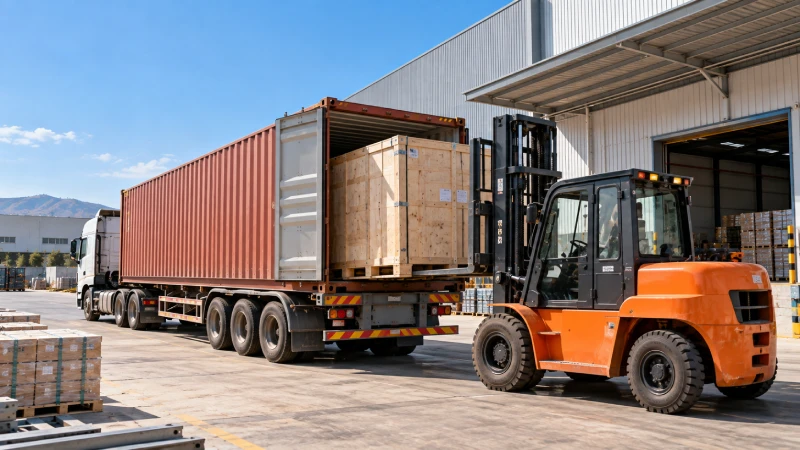
What Determines the Cost of Shipping to Athi River?
There is no reliable fixed “China to Athi River price” that applies to every shipment.
The final logistics cost combines several different stages.
International Freight
The China-to-Kenya freight component depends on factors such as:
- Chinese origin
- port of loading
- cargo volume
- container type
- carrier
- sailing schedule
- season
- equipment availability
- dangerous-goods status
For current sea, air, LCL or FCL market pricing, use a live freight quotation rather than relying on an old online rate table.
For broader rate-planning factors and benchmark structure, see shipping cost from China to Kenya.
Kenya Inland Delivery
The Athi River portion depends on:
- Mombasa direct versus inland routing
- container size
- gross weight
- FCL or loose cargo
- exact factory address
- truck/trailer type
- release location
- unloading requirements
- empty-return location
- abnormal-load requirements
Two factories both described as being in Athi River can therefore produce different transport costs.
Costs Importers Commonly Miss
The initial freight rate may not include every destination activity.
Depending on the shipment, additional exposure can arise from:
- destination terminal handling
- storage
- container detention
- truck waiting
- crane hire
- forklift hire
- labour
- additional delivery attempts
- special trailers
- permit-related costs
- customs or regulatory examination
These charges should not be assumed to apply to every shipment, but they should be checked before the importer compares two quotations.
Information Needed for an Accurate Athi River Shipping Plan
China-side information
- supplier city
- pickup address
- product
- number of packages
- dimensions
- weight
- cargo value
- HS code if known
- ready date
- dangerous-goods status
- product photos
Kenya-side information
- consignee name
- EPZ or non-EPZ status
- Athi River delivery address
- receiving contact
- forklift availability
- crane requirement
- site-access restrictions
- requested Incoterm
A detailed quotation request produces a much more useful answer than simply asking:
“What’s the cost of one container to Athi River?”
DAP, DDP or Port-to-Door Delivery to Athi River?
The Incoterm and service scope should be agreed before shipping.
| Arrangement | Practical Meaning |
|---|---|
| Port/terminal service | Importer manages Kenyan clearance and inland delivery after the agreed handover |
| DAP Athi River | Transport is arranged to the agreed destination, while import clearance and import taxes generally remain on the buyer’s side under DAP |
| DDP / full door-to-door | Import clearance, tax and importer structure need to be validated before the service is confirmed |
DAP to an Athi River Factory
DAP can suit an importer that already has:
- a Kenyan importing entity
- an appointed customs agent
- experience paying Kenyan import duties and taxes
The forwarder can focus on coordinating the China side, international freight and agreed inland delivery scope.
DDP or Full Door-to-Door
DDP should never be assumed to be available for every cargo.
Before promising DDP, check:
- importer-of-record structure
- cargo type
- HS classification
- product permits
- EPZ status
- taxes and duties
- PVoC/CoC requirements
- destination-agent capability
For machinery, regulated products, dangerous goods, oversized cargo and EPZ shipments, the structure may require additional review.
If full DDP is not operationally appropriate, another arrangement such as DAP combined with the importer’s own licensed Kenyan clearing agent may be more practical.
For a broader explanation of these services, see DDP shipping from China and door-to-door shipping from China.
Check Door-to-Door Feasibility
Provide the consignee status, product, HS code if available and final Athi River delivery address before confirming the service scope.
Common Mistakes When Shipping from China to Athi River
1. Treating Athi River as the Customs Clearance Point
Athi River is the final destination, but cargo routing and clearance may involve Mombasa, Nairobi ICD or another authorized facility depending on the shipment.
2. Assuming Every Athi River Factory Is an EPZ Enterprise
Confirm the actual consignee status.
Do not base customs instructions on the word “Athi River” alone.
3. Arranging ACD Documentation Too Late
For applicable containerized shipments, ACD is now an origin-side, pre-loading consideration. Kenya Revenue Authority – Advance Cargo Declaration
4. Checking PVoC After the Cargo Has Already Shipped
For regulated goods, compliance should be reviewed before loading in China.
5. Ignoring Certificate of Origin Preparation
Kenya’s current COO rules should be incorporated into the supplier/export documentation process. Kenya Revenue Authority – Mandatory Certificate of Origin
6. Quoting Only to Mombasa
A Mombasa freight rate does not tell an Athi River importer the true factory-delivered logistics cost.
7. Failing to Prepare Unloading Equipment
A container arriving at the factory without the correct crane or forklift can create waiting costs and delivery problems.
8. Treating Oversized Machinery Like Standard FCL Cargo
The inland transport plan must account for loaded dimensions, trailer type, permits and factory access.
FAQ
Can a container from China be delivered directly to a factory in Athi River?
Yes. Factory delivery can be planned after the shipment completes the applicable Kenyan import and release procedures. Whether direct road delivery from the Mombasa side or another inland-routing arrangement is more appropriate depends on the shipment, release point, container arrangement and consignee. Before delivery, confirm factory access, receiving hours and unloading equipment.
Should I route my container through Nairobi ICD before delivery to Athi River?
Not necessarily. Nairobi ICD is connected to Mombasa by rail and can be relevant for suitable containerized cargo. However, Athi River shipments should still be compared against direct road delivery. Check the Bill of Lading, carrier arrangement, rail movement, terminal handling, final trucking and empty-container return before deciding.
Is Athi River EPZ the same as Nairobi ICD?
No. Athi River Public EPZ is an industrial and export-processing zone administered by EPZA. Nairobi ICD is an inland container depot within Kenya's port and inland freight system and is connected to Mombasa by rail. They serve different functions.
What documents are required to ship a container from China to Athi River?
Typical documents may include a commercial invoice, packing list, Bill of Lading, export declaration, ACD reference for applicable containerized cargo, Certificate of Origin, CoC or PVoC documentation for regulated goods, import declaration or customs documentation, and product-specific permits where applicable. Exact requirements depend on the product, HS classification and importer.
Can I ship machinery from China directly to an Athi River factory?
Yes, provided the machinery can be legally imported and the freight and inland-delivery plan is suitable. Provide packed dimensions, weight, lifting information, photos and unloading requirements before selecting the equipment. Oversized or heavy machinery may need special containers, trailers, road permits, escorts or route planning.
Can door-to-door delivery be arranged from China to Athi River?
Door-to-door arrangements can be evaluated shipment by shipment. The scope depends on the cargo, importer status, customs procedure, destination agent, regulatory requirements and whether the requested Incoterm is operationally workable. DDP should not be assumed before these points are checked.
Plan Your China-to-Athi River Shipment Around the Factory, Not Just the Port
For industrial shipments, the best freight plan does not end at Mombasa.
It starts at the Chinese supplier and follows the cargo all the way through:
supplier pickup → export documentation → container loading → international freight → Kenyan import procedures → inland routing → Athi River site delivery → unloading
The more industrial the cargo becomes, the more important the final stages are.
For a small carton shipment, the delivery address may be enough.
For a 40-foot container of machinery, production-line equipment or an oversized industrial unit, the forwarder also needs to understand:
- where it will clear
- how it will travel inland
- whether the consignee is an EPZ enterprise
- what truck is required
- whether permits are needed
- how the factory will receive it
- how the machinery will be unloaded
- where the empty container will be returned
Planning these questions before the cargo leaves China helps reduce avoidable delays, destination surprises and failed factory deliveries.
For broader information about ocean freight, air freight, customs, costs and transit times, see Shipping from China to Kenya.
Send Cargo Details
Provide the China pickup location, product, package dimensions, weight, cargo value, Athi River delivery address and unloading conditions so the shipment can be reviewed as a complete China-to-factory logistics movement.
Last Updated: September 2026
Reviewed by: Winsail Logistics Operations Team
Regulatory Note: Kenyan import, conformity and customs requirements can change and may vary by product, HS classification, importer status and applicable government agency. Current requirements should be reconfirmed with KRA, KEBS and other relevant authorities before shipment.
Rate Note: Freight, port, trucking and handling costs are market-sensitive. Any shipping price should be treated as a current quotation rather than a permanent route tariff.
