
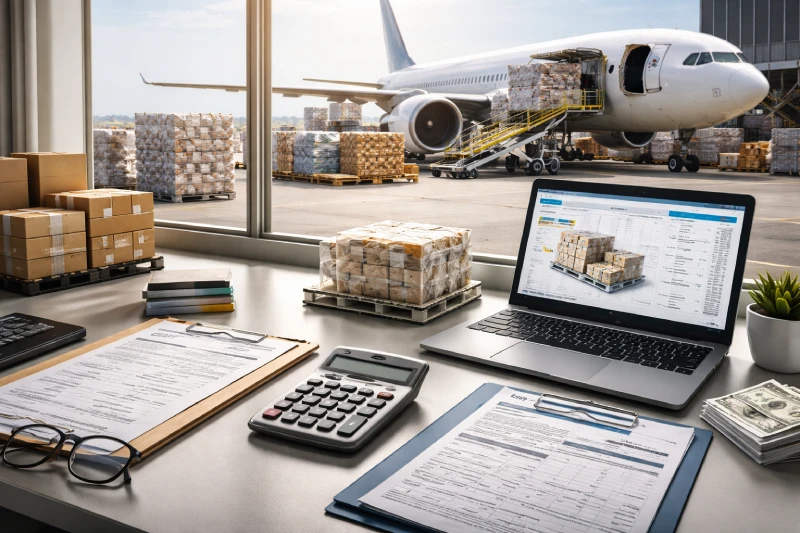
Air freight from China to Ghana is widely used by importers that need fast, reliable delivery for high-value, urgent, or time-sensitive cargo. Typical shipments include electronics, industrial spare parts, medical products, machinery components, retail goods, and project cargo required for manufacturing, mining, and distribution operations in Ghana.
Most commercial cargo is shipped from major Chinese airports such as Shanghai Pudong International Airport, Guangzhou Baiyun International Airport, and Shenzhen Bao’an International Airport to Kotoka International Airport, either through direct or transit flights.
For B2B importers, choosing the right air freight solution depends on cargo size, urgency, customs requirements, and final delivery location. This guide explains the main routes, service options, documentation, customs process, and decision factors involved in shipping commercial cargo by air from China to Ghana.
What Air Freight From China to Ghana Involves
Air freight from China to Ghana refers to the movement of commercial cargo by aircraft, usually from major manufacturing regions in China to Kotoka International Airport. It is primarily used by B2B importers that need faster delivery than sea freight can provide.
Air freight is most suitable for goods that are valuable, urgent, lightweight, or required to avoid production delays. Common examples include electronics, telecom equipment, medical supplies, industrial spare parts, automotive components, fashion products, and urgent replacement machinery.
Compared with sea freight, air freight offers shorter transit times and more predictable schedules, but it is generally used for smaller shipment volumes. Importers often choose air freight when inventory is low, a project deadline is approaching, or a customer order must be fulfilled quickly.
Most shipments move through key export hubs in southern and eastern China before arriving in Ghana through direct or connecting flights.
Main Air Freight Routes From China to Ghana
Most air cargo shipped from China to Ghana departs from the main export and manufacturing regions in eastern and southern China. The most frequently used airports are Shanghai Pudong International Airport, Guangzhou Baiyun International Airport, Shenzhen Bao’an International Airport, Beijing Capital International Airport, and Hong Kong International Airport. Southern China airports are commonly used for cargo produced in Guangdong and nearby manufacturing areas, while Shanghai and Beijing handle shipments from northern and eastern China.
In Ghana, nearly all international commercial air cargo arrives through Kotoka International Airport, which serves as the country’s main air freight gateway. From there, cargo can be delivered to warehouses, factories, retail distribution centers, or project sites throughout Ghana.
Some shipments travel on direct flights, but many move through transit hubs in the Middle East or Europe before reaching Ghana. Transit routing is often selected based on available space, cargo type, airline schedules, and the final delivery deadline.
Types of Air Freight Services Available
Importers shipping from China to Ghana can choose between several air freight service types depending on cargo urgency, shipment size, and delivery requirements.
Standard air freight is the most common option for commercial cargo. It balances speed and cost and is suitable for routine B2B shipments such as electronics, machinery parts, retail goods, and industrial supplies.
Express air freight is used when cargo must move as quickly as possible. It is often chosen for urgent spare parts, critical project equipment, or time-sensitive customer orders. Express service usually uses the fastest available flight routing and priority handling.
Consolidated air freight combines cargo from several shippers into one shipment. This option is commonly used for smaller consignments that do not require a full air cargo pallet. It can help reduce shipping cost while still providing faster delivery than sea freight.
Charter air freight is used for oversized, high-value, or emergency cargo that cannot move on regular airline schedules. This is more common for mining equipment, oil and gas projects, infrastructure materials, or urgent industrial machinery required in Ghana.
Importers can also choose between airport-to-airport, door-to-airport, and door-to-door service depending on whether they want the supplier, freight forwarder, or local team to manage collection and final delivery.
Which Cargo Is Best Suited for Air Freight to Ghana
Air freight is best suited for cargo that is time-sensitive, high in value, or costly to keep waiting in the supply chain. For importers shipping from China to Ghana, the most common air cargo includes electronics, medical products, industrial spare parts, telecom equipment, and urgent retail goods.
Manufacturers often use air freight to move replacement components that are needed to keep production lines running. Mining, energy, and construction companies also frequently ship critical spare parts by air when equipment breakdowns could delay a project.
Medical and pharmaceutical products are another common category because they often require fast transit and controlled handling. Certain temperature-sensitive or regulated goods may need additional packaging and documentation before they can be accepted by the airline.
Air freight is also suitable for high-value goods with relatively low weight, such as mobile devices, computer components, branded consumer products, and specialized machinery parts. In contrast, heavy, low-value, or bulky cargo is usually more suitable for sea freight unless delivery is extremely urgent.
How the Air Freight Process Works
The air freight process from China to Ghana usually begins when cargo is collected from the supplier or factory in China. The shipment is then delivered to the departure airport, where it is checked, weighed, and prepared for export.
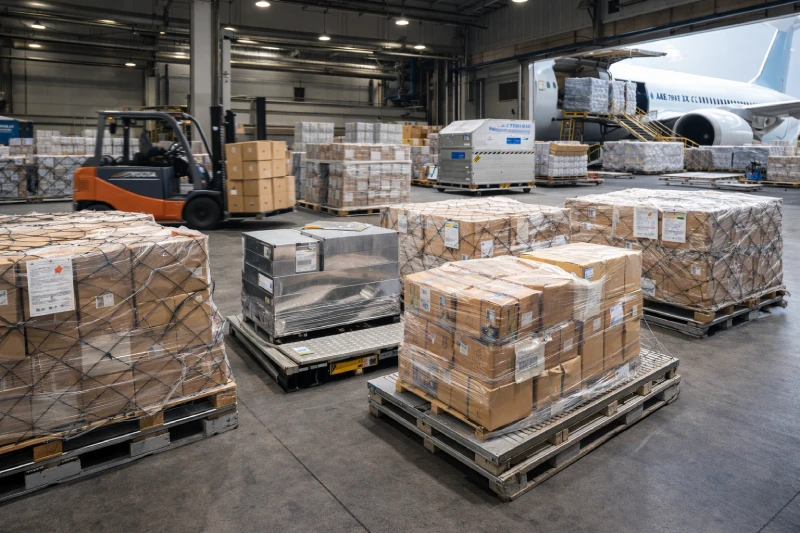
Before cargo can leave China, the exporter must complete export customs clearance. This includes submitting the commercial invoice, packing list, and other required shipping documents. Once customs clearance is completed, the cargo is booked with the airline and loaded onto a direct or transit flight.
After arrival at Kotoka International Airport, the cargo enters the import customs process in Ghana. Importers or their customs broker must submit the necessary documents, declare the goods, and complete any inspections or approvals required for the shipment.
When customs clearance is finished, the cargo can be released from the airport and delivered to the final destination. Depending on the shipping arrangement, delivery may go directly to a warehouse, factory, retail facility, or project site. Door-to-door service usually includes all transport stages, while airport-to-airport service ends when the cargo is collected at the airport.
Required Documents for Air Freight From China to Ghana
Successful air freight shipments depend on accurate documentation. Missing or incorrect paperwork is one of the most common reasons cargo is delayed at both the export and import stage.
The basic documents required for most shipments include a commercial invoice, packing list, and air waybill. The commercial invoice describes the goods, declared value, seller, and buyer. The packing list shows the quantity, weight, dimensions, and packaging details of the shipment. The air waybill is issued by the airline or freight forwarder and serves as the main transport document.
Some cargo may also require a certificate of origin, especially when the importer needs to confirm where the goods were manufactured. Certain products shipped to Ghana may need additional import permits, conformity certificates, or product-specific approvals before customs clearance can be completed.
Examples include medical equipment, food products, chemicals, telecom devices, and regulated industrial goods. Importers should confirm all document requirements before cargo leaves China, because it is usually easier to correct documentation issues before departure than after the shipment arrives in Ghana.
Customs Clearance and Import Requirements in Ghana
Most commercial air cargo entering Ghana is cleared through customs at Kotoka International Airport. Before the cargo can be released, the importer or customs broker must submit the shipment documents, declare the goods, and complete any required inspections.
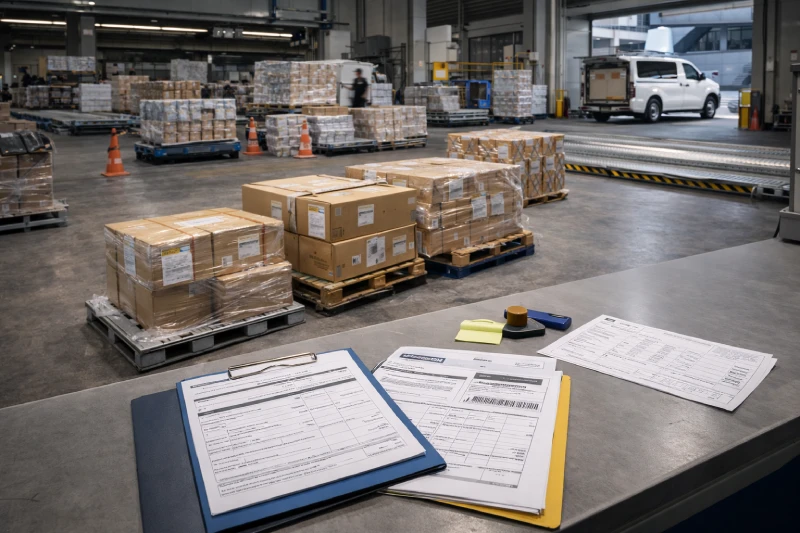
Customs authorities in Ghana normally review the commercial invoice, packing list, air waybill, and any product-specific certificates or permits. The declared cargo description, quantity, and value must match the actual shipment. If the information is incomplete or inconsistent, the shipment may be held for additional review.
Some categories of goods require extra approval before import. These may include medical products, food items, chemicals, batteries, telecom equipment, and certain industrial machinery. Importers should verify in advance whether their products need permits from Ghanaian regulatory authorities.
Customs delays are often caused by incorrect HS codes, missing import licenses, undervalued cargo declarations, or incomplete paperwork. Using an experienced customs broker can help reduce these risks and speed up cargo release.
For importers shipping regularly from China to Ghana, it is usually more efficient to prepare all customs documents before the flight departs so the clearance process can begin immediately after arrival.
Air Freight vs Sea Freight to Ghana
Air freight and sea freight serve different business needs. The right choice depends on cargo value, urgency, shipment size, and the effect that delays could have on the importer’s operations.
Air freight is normally selected when goods are needed quickly or when the cargo is valuable relative to its size and weight. It is commonly used for spare parts, electronics, medical supplies, urgent retail products, and project cargo needed to avoid production downtime.
Sea freight is usually more suitable for larger and heavier shipments such as machinery, construction materials, bulk consumer goods, and palletized cargo. It is the preferred option when delivery speed is less important and the importer wants to move a larger volume at lower transportation cost.
For many B2B importers in Ghana, the decision is based on the total business impact rather than the transport cost alone. A delayed sea shipment may stop a factory, delay a project, or create stock shortages. In those situations, air freight may be the better choice even for relatively heavy cargo.
Some importers also use a combined strategy: urgent items are shipped by air, while the remaining goods move by sea. This approach helps balance delivery speed and overall logistics cost.
Factors That Affect Air Freight Planning
Several factors influence how air freight shipments from China to Ghana are planned and booked.
One of the most important is chargeable weight. Airlines calculate freight based on either the actual weight or the volumetric weight of the cargo, whichever is higher. Lightweight goods packed in large cartons may therefore cost more to ship than expected.
Packaging and palletization also affect the shipment. Cargo that is packed efficiently is easier to handle, fits better on airline pallets, and is less likely to be delayed or damaged during transport.
Certain products are restricted or require special handling. Batteries, chemicals, liquids, magnetic items, and dangerous goods may need additional declarations, labels, or airline approval before they can be accepted.
Available space can also change depending on the season and the route. During peak shipping periods, airlines may have limited capacity, especially on flights from major export hubs such as Guangzhou Baiyun International Airport and Shanghai Pudong International Airport. Planning shipments early gives importers more routing options and reduces the risk of delays.
Air Freight Solutions for Different Industries
Different industries in Ghana use air freight in different ways depending on the value and urgency of their cargo.
Manufacturing companies often ship spare parts, production components, and replacement machinery by air to avoid factory downtime. This is especially common when a missing component could stop an entire production line.
Mining, energy, and infrastructure projects frequently rely on air freight for urgent equipment, tools, and critical replacement parts needed at remote project sites. Because delays can affect large projects, fast delivery is often more important than shipping cost.
Retailers and distributors commonly use air freight to replenish fast-selling inventory, launch new products, or avoid stock shortages. Electronics, fashion products, mobile devices, and consumer goods are among the most common categories.
Automotive, telecom, and industrial equipment companies also use air freight when importing specialized components that are difficult to source locally. In many cases, importers choose a mixed logistics strategy: urgent parts move by air, while standard inventory continues to move by sea.
Common Challenges When Shipping Air Freight to Ghana
Air freight is fast, but shipments can still face delays if the cargo is not prepared correctly. One of the most common problems is missing or inaccurate documentation. If the commercial invoice, packing list, or import permits do not match the shipment, customs clearance may be delayed after arrival at Kotoka International Airport.
Another challenge is cargo inspection. Goods such as batteries, chemicals, telecom equipment, or regulated products may be selected for additional review by the airline or customs authorities. This can increase handling time and require extra supporting documents.
Limited airline capacity is also common during peak shipping periods. When space is tight, cargo may be moved on a later flight or routed through an additional transit hub. Importers shipping urgent cargo should therefore book early and allow some flexibility in the schedule.
Damage can also occur if goods are not packed properly for airport handling. Strong export packaging, clear labels, and secure palletization help reduce the risk of damage during loading, unloading, and customs inspection.
How to Choose the Right Air Freight Service From China to Ghana
Choosing the right air freight service depends on the type of cargo, delivery urgency, and how much control the importer wants over the shipping process.
Importers should first determine whether the shipment is urgent enough to justify air freight. Small, high-value, or time-sensitive cargo is usually well suited for air transport, while heavier or less urgent cargo may be better shipped by sea.
The next decision is whether to use airport-to-airport, door-to-airport, or full door-to-door service. Door-to-door service is often the most practical option for importers that want one provider to manage collection in China, customs clearance, and delivery in Ghana. Airport-to-airport service may be suitable for companies that already have their own logistics team or customs broker.
Importers should also compare routing, reliability, customs support, and experience with Ghana-bound cargo. For unusual, oversized, or emergency shipments, charter air freight may be necessary.
The most suitable freight partner is usually one that understands both the export process in China and the import requirements in Ghana, especially for commercial and project cargo.
FAQs
What types of cargo cannot be shipped by air to Ghana?
Certain cargo cannot be accepted by airlines or may require special approval before shipment. Common restricted items include flammable materials, explosives, some chemicals, unapproved batteries, pressurized containers, and dangerous goods that do not meet airline packaging rules. Some products may also be restricted by Ghanaian import regulations.
Can air freight and sea freight be combined in the same supply chain?
Yes. Many B2B importers use a combined logistics strategy. Urgent or high-value goods are shipped by air so they arrive quickly, while the remaining cargo is moved by sea. This approach is often used for production materials, project cargo, and inventory replenishment.
What is the difference between air freight and express courier service?
Air freight is designed for commercial B2B cargo and usually involves larger shipments, palletized goods, and formal customs clearance. Express courier services are generally intended for smaller packages and documents. Importers moving industrial, commercial, or project cargo normally use air freight rather than courier services.
What happens if cargo arrives before the customs documents are ready?
The shipment can remain at Kotoka International Airport until the missing documents are submitted and customs clearance is completed. This may result in storage charges and delivery delays. Importers should therefore prepare all required paperwork before the cargo departs from China.
How can importers reduce the risk of delays?
The best way to avoid delays is to confirm the cargo description, HS code, permits, and shipping documents before the flight is booked. Working with an experienced freight forwarder and customs broker also helps ensure that the cargo is prepared correctly before it arrives in Ghana.
