

Introduction
Choosing the right shipping agent from China to UAE is one of the most important decisions importers make when sourcing goods internationally. A reliable agent does more than move cargo — they directly impact your total landed cost, delivery timeline, and overall supply chain stability.
For businesses importing into the UAE, the stakes are even higher. Factors such as customs clearance requirements, VAT compliance, and delivery to free zones or mainland locations require precise coordination. Without the right partner, delays, hidden charges, and miscommunication can quickly erode your profit margins.
If you are new to importing or scaling your shipments, understanding how shipping works end-to-end is essential. You can start with this complete guide on shipping from China to UAE to get a broader overview before selecting an agent.
In this guide, we break down exactly how to evaluate, compare, and choose a shipping agent that fits your business needs — with a clear focus on cost control, reliability, and long-term partnership.
Why Choosing the Right Shipping Agent Matters for China → UAE Trade
Selecting a shipping agent is not just an operational decision — it directly affects your profitability, delivery reliability, and customer satisfaction. In the China to UAE trade lane, where shipments often involve multiple suppliers, strict documentation, and time-sensitive delivery, the role of a competent agent becomes critical.
A reliable shipping agent helps you optimize routes, consolidate cargo, and avoid unnecessary costs such as storage fees or customs penalties. More importantly, they act as your on-ground coordinator in both China and the UAE, ensuring smooth communication between suppliers, carriers, and customs authorities.
On the other hand, choosing the wrong agent can lead to delayed shipments, unclear pricing, and compliance issues — especially when dealing with UAE import regulations or VAT requirements. These problems are not always visible upfront but can significantly impact your business over time.
Ultimately, the right shipping partner gives you control and predictability, allowing you to focus on sourcing and sales instead of constantly managing logistics problems.
What Does a Shipping Agent from China to UAE Actually Do?
A shipping agent (or freight forwarder) acts as your logistics coordinator, managing every step of the shipment from supplier pickup in China to final delivery in the UAE. Instead of dealing with multiple parties yourself, you rely on one partner to handle booking, documentation, transportation, and customs processes.
At the origin side in China, the agent arranges cargo pickup from your supplier, checks packaging if needed, and organizes consolidation when you are sourcing from multiple factories. This is especially important for UAE importers who often combine shipments to reduce costs.
They also handle export customs clearance, ensuring all documents—such as commercial invoices, packing lists, and HS codes—are correctly prepared to avoid delays.
During transit, the agent books space with shipping lines or airlines and monitors the shipment. Upon arrival in the UAE, they coordinate import customs clearance, calculate duties and VAT, and arrange final delivery to your warehouse, store, or project site.
Depending on your needs, services can range from port-to-port shipping to full door-to-door or DDP solutions. This flexibility allows you to choose how much control or outsourcing you want in your supply chain.
Types of Shipping Services Available (Choose Based on Your Cargo)
Choosing the right shipping method is a key part of selecting the right shipping agent. A professional agent should not push a single option but recommend the most suitable solution based on your cargo type, urgency, and budget.
Sea freight is the most common option for shipments from China to UAE. Full Container Load (FCL) is ideal for large-volume cargo, offering better unit cost and security, while Less than Container Load (LCL) suits smaller shipments that can be consolidated with others. For most importers, sea freight provides the best balance between cost and transit time.
Air freight is used when speed matters. It is significantly faster but more expensive, making it suitable for high-value goods, urgent replenishment, or time-sensitive projects.
Express shipping (courier services) is designed for small parcels, samples, or e-commerce shipments. It offers door-to-door delivery with minimal handling but comes at a premium price per kilogram.
For businesses looking to simplify the process, DDP (Delivered Duty Paid) shipping is a fully managed solution where the agent handles everything—from pickup in China to customs clearance and delivery in the UAE. This is especially useful for first-time importers or companies without local customs experience.
To understand when DDP is the best option and what it includes, read our detailed guide on DDP shipping from China to UAE.
A capable shipping agent should clearly explain these options and guide you toward the most cost-effective and practical choice for your shipment.
Key Criteria to Evaluate a Reliable Shipping Agent
Choosing a shipping agent should be based on clear, practical criteria—not just price. The right partner will help you reduce risk, control costs, and ensure consistent delivery performance.
Experience in China → UAE Trade Lane
Not all freight forwarders are equally familiar with this route. An experienced agent understands common issues such as UAE customs requirements, documentation accuracy, and port operations at Jebel Ali or Abu Dhabi. This reduces the likelihood of delays and compliance problems.
Transparent Pricing Structure (No Hidden Charges)
A reliable agent provides a clear, itemized quotation. You should be able to see exactly what is included—freight, origin charges, destination fees, customs handling, and delivery. Vague or overly low quotes often lead to unexpected costs later.
Strong Network in Both China and UAE
Effective coordination requires local presence or partners in both countries. This is especially important when dealing with multiple suppliers in China and final delivery across different UAE locations, including free zones and mainland.
Customs Clearance Expertise
UAE import regulations involve specific documentation, VAT handling, and sometimes product compliance checks. A competent agent ensures all paperwork is prepared correctly and helps you avoid penalties, shipment holds, or re-clearance issues.
Communication Speed and Problem-Solving Ability
Delays and changes are part of international logistics. What matters is how quickly your agent responds and resolves issues. Fast, clear communication helps you stay informed and make timely decisions.
Ability to Handle Multiple Suppliers (Consolidation Capability)
Many importers source from several factories. A capable agent can consolidate shipments at origin warehouses in China, reducing shipping costs and simplifying coordination.
Track Record and Real Shipment Experience
Instead of relying on claims, ask for recent shipment examples or case experience related to UAE deliveries. This gives you a clearer picture of their operational reliability.
By evaluating these criteria systematically, you can avoid common risks and select a shipping agent that supports long-term business growth, not just a single shipment.
Understanding Shipping Costs from China to UAE
Shipping costs from China to UAE are not a single number—they are made up of multiple components that vary depending on your cargo, shipping method, and service scope. Understanding this structure is essential when comparing quotes from different shipping agents.
The main cost elements typically include international freight (sea or air), origin charges in China (such as pickup, warehousing, and export handling), and destination charges in the UAE (including customs clearance, port fees, and local delivery). For shipments into the UAE, import duty and 5% VAT may also apply depending on your product category.
Costs differ significantly by shipping mode. Sea freight (FCL or LCL) is generally more economical for larger volumes, while air freight offers faster transit at a higher cost per kilogram. DDP shipping combines all costs into a single quote, which simplifies budgeting but requires clarity on what is included.
For a detailed breakdown of pricing structures, hidden fees, and real cost examples, you can refer to this guide on shipping cost from China to UAE.
One of the most common issues importers face is hidden charges. These may include documentation fees, port storage, inspection charges, or last-mile delivery costs that were not clearly outlined in the initial quote. This is why it’s critical to request a detailed breakdown before confirming any shipment.
To get accurate pricing, provide your agent with complete shipment details—cargo type, weight, volume, pickup location, and delivery address in the UAE. The more precise your information, the more reliable your quote will be.
Transit Time: What to Expect and How Agents Influence It
Transit time from China to UAE varies depending on the shipping method, route, and operational efficiency of your shipping agent. Understanding realistic timelines helps you plan inventory, avoid stockouts, and set accurate expectations with your customers.
For sea freight, transit time typically ranges from 18 to 30 days depending on the port of departure in China and arrival port such as Jebel Ali. Air freight is significantly faster, usually taking 3 to 7 days including handling time. Express shipping can deliver even quicker, often within 2 to 5 days for small parcels.
If you need a more precise estimate based on shipping methods and routes, see this full guide on shipping time from China to UAE.
However, the actual delivery time is not only determined by the transport mode. Factors such as port congestion, customs clearance efficiency, documentation accuracy, and inland delivery coordination all play a role.
A reliable shipping agent minimizes delays by selecting stable routes, preparing documents correctly in advance, and proactively managing customs processes on both sides. They also provide realistic timelines instead of overly optimistic estimates, allowing you to plan your supply chain with greater confidence.
Step-by-Step Shipping Process from China to UAE
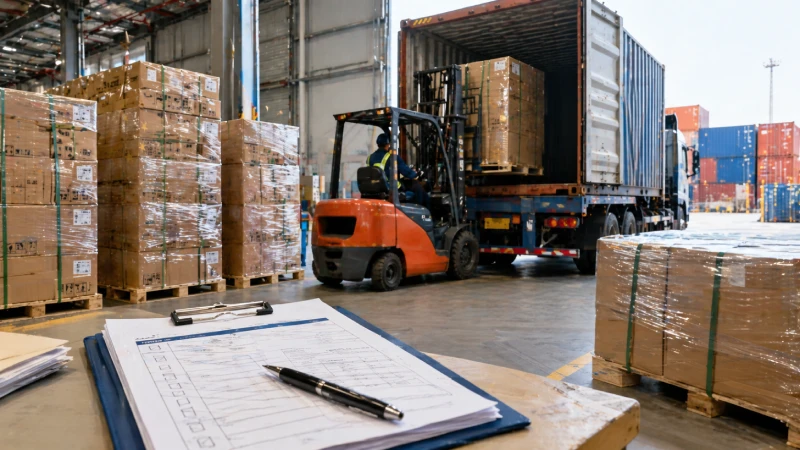
Understanding the full shipping process helps you evaluate whether a shipping agent can manage your shipment efficiently from start to finish. A reliable agent should guide you through each step and handle coordination across all parties involved.
Step 1: Supplier Coordination and Cargo Readiness
The process begins with confirming cargo details with your supplier—product type, packaging, weight, and volume. Your agent ensures the goods are properly packed and ready for international transport.
Step 2: Pickup, Warehousing, and Consolidation in China
The agent arranges pickup from one or multiple suppliers. If needed, cargo is sent to a warehouse for consolidation, which helps reduce costs for smaller shipments.
Step 3: Export Customs Clearance in China
All export documents are prepared and submitted, including the commercial invoice and packing list. Accurate documentation is critical to avoid delays at this stage.
Step 4: International Transportation (Sea or Air)
The shipment is booked with a carrier and transported from China to the UAE. The agent monitors the movement and provides updates during transit.
Step 5: UAE Import Customs Clearance
Upon arrival, the agent handles customs clearance, including duty calculation, VAT processing, and document submission. This is a key stage where local expertise matters.
Step 6: Final Delivery to Destination
After clearance, the cargo is delivered to your warehouse, store, or project site—whether in a free zone or mainland UAE.
A well-managed process ensures predictable delivery, fewer delays, and better control over your supply chain.
UAE-Specific Considerations Importers Must Know
Shipping into the UAE involves specific regulatory and operational requirements that your shipping agent must fully understand. These factors can directly impact clearance speed, cost, and delivery efficiency.
Required Documents for UAE Customs
UAE customs typically require a commercial invoice, packing list, bill of lading or airway bill, and accurate HS codes. Any mismatch or missing information can result in delays or additional inspections. A reliable agent ensures all documents are correctly prepared before arrival.
Import Duties and VAT
Most goods imported into the UAE are subject to customs duty (commonly around 5%) and a standard 5% VAT. The exact duty rate depends on the product classification. Proper declaration is essential to avoid penalties or revaluation by customs authorities.
Free Zone vs Mainland Delivery
The UAE has a dual system. Deliveries to free zones (such as JAFZA) follow different procedures compared to mainland UAE. For example, VAT handling and customs processes can vary depending on the final destination. Your shipping agent must clearly understand your delivery type to avoid complications.
Key Entry Ports and Logistics Hubs
Jebel Ali Port in Dubai is the primary gateway for sea freight, while Abu Dhabi and Sharjah also handle significant cargo volumes. For air freight, Dubai International Airport is a major hub. Choosing the right entry point can affect both cost and transit time.
An experienced agent familiar with UAE-specific requirements helps you avoid delays, unexpected charges, and compliance risks.
Common Mistakes When Choosing a Shipping Agent
Many importers focus on price or speed alone when selecting a shipping agent, which often leads to costly mistakes later. Understanding these common pitfalls can help you avoid unnecessary risks.
Choosing Based on Lowest Price Only
The cheapest quote is not always the best option. Some agents offer low initial pricing but exclude key charges such as destination fees, customs handling, or delivery costs. This can result in higher total expenses than expected.
Ignoring Service Scope (EXW vs DDP Confusion)
Not all quotes include the same level of service. For example, EXW (Ex Works) requires you to handle most logistics, while DDP covers door-to-door delivery including customs and duties. Misunderstanding this difference can lead to gaps in responsibility.
Not Verifying Agent Credentials or Experience
Working with an inexperienced or unreliable agent increases the risk of delays, miscommunication, and compliance issues—especially in UAE imports where documentation must be precise.
Poor Communication and Lack of Updates
Delayed responses or unclear communication can create uncertainty and slow decision-making. This becomes critical when shipments encounter unexpected issues.
Overlooking Insurance and Risk Coverage
Many importers skip cargo insurance to save costs, but this exposes them to significant financial risk in case of damage or loss during transit.
Avoiding these mistakes helps you select a shipping agent based on value and reliability—not just initial price.
Questions to Ask Before Selecting Your Shipping Agent
Before committing to a shipping agent, asking the right questions can help you quickly identify whether they are suitable for your business. A professional agent should provide clear, direct answers without ambiguity.
What Is Included in Your Quote?
Request a detailed breakdown of all charges, including origin fees, freight, destination costs, customs clearance, and delivery. This helps you avoid hidden fees later.
Do You Offer DDP or Door-to-Door Service?
Clarify whether the agent can handle the entire process, especially if you prefer a simplified solution with minimal involvement on your side.
How Do You Handle Delays or Customs Issues?
Ask about their process for managing unexpected situations. An experienced agent should have clear procedures and contingency plans.
Can You Consolidate Shipments from Multiple Suppliers?
If you source from different factories, consolidation capability is essential for reducing costs and simplifying logistics.
What Support Do You Provide After Shipment?
Reliable agents continue to provide updates, assist with clearance, and coordinate final delivery—not just booking the shipment.
These questions help you compare agents more effectively and choose one that aligns with your operational needs.
How to Compare Multiple Shipping Agents Effectively
When evaluating multiple shipping agents, a structured comparison approach helps you make a clear, objective decision instead of relying on price alone.
Create a Side-by-Side Comparison
List key factors such as total cost, service scope (EXW, FOB, DDP), transit time, and included services. This allows you to see which agent offers the best overall value—not just the lowest quote.
Evaluate Responsiveness and Communication
Pay attention to how quickly and clearly each agent responds during the quotation stage. This often reflects how they will handle your shipment once it is in transit.
Check Relevant Experience in UAE Shipments
Look for agents with proven experience handling China to UAE shipments, including customs clearance and delivery. Practical experience is often more valuable than general claims.
A clear comparison process helps you identify the most reliable partner and reduces the risk of unexpected issues later.
Choosing the Right Shipping Solution for Your Business Stage
The best shipping agent and service model often depend on your business stage. What works for a first-time importer may not be suitable for a company managing regular or high-volume shipments.
Small Importers / First-Time Buyers
If you are new to importing, simplicity and risk control should be your priority. DDP or door-to-door shipping is often the best option, as the agent handles customs clearance, duties, and delivery. This reduces complexity and avoids costly mistakes.
Growing Businesses with Regular Shipments
As your volume increases, you may benefit from more flexible options such as FOB + sea freight (LCL or FCL). At this stage, working with an agent who can consolidate shipments and optimize costs becomes important.
Large Volume Importers and Project Cargo
For established businesses, cost efficiency and control are key. Full container loads (FCL), contract rates, and customized logistics solutions can significantly reduce per-unit costs. You may also require specialized handling for oversized or project cargo.
Choosing a shipping agent who can adapt to your growth ensures long-term efficiency and scalability.
Ready to Simplify Your Shipping from China to UAE?
Choosing the right shipping agent is ultimately about gaining clarity, control, and confidence in your supply chain. Instead of dealing with fragmented communication, unclear pricing, and unexpected delays, a well-structured logistics plan allows you to focus on growing your business.
Whether you are importing for the first time or managing regular shipments, the key is to work with a partner who understands both the China origin side and UAE import requirements. This includes accurate cost planning, reliable transit time management, and smooth customs clearance.
If you already have shipment details—such as cargo type, volume, supplier location, and delivery destination—you can significantly improve the accuracy of your shipping plan and quotation. Even if your information is not fully finalized, an experienced shipping agent can guide you through the process and recommend the most suitable approach.
By aligning your shipping strategy with your business needs, you can reduce costs, avoid delays, and build a more predictable logistics system.
If you are planning your next shipment from China to UAE, getting a clear, all-inclusive solution tailored to your cargo is the best place to start.
