
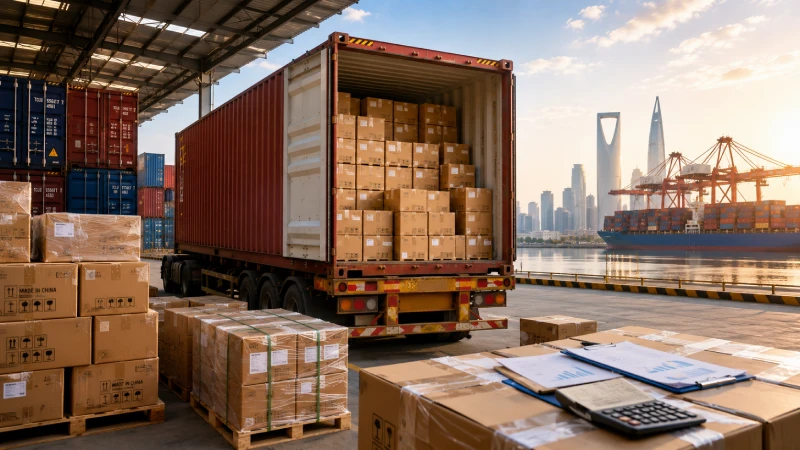
Shipping costs from China to Saudi Arabia have become one of the biggest concerns for importers in recent years. Many businesses focus only on the freight quote itself, but the real logistics cost usually comes from inefficient cargo planning, poor container utilization, unexpected destination charges, and urgent shipping decisions.
For Saudi-bound cargo, reducing costs is not simply about choosing the cheapest freight option. It is about understanding how shipping companies calculate pricing, how Saudi customs operations affect delivery expenses, and how cargo structure influences the final landed cost.
Importers shipping to Jeddah, Dammam, or Riyadh often discover that two shipments with similar product value can have completely different freight costs. The difference usually comes down to cargo density, shipment frequency, packaging methods, customs preparation, and inland delivery planning.
This guide explains the real operational strategies businesses use to reduce shipping costs from China to Saudi Arabia without sacrificing delivery reliability.
Why Many Importers Overpay on China–Saudi Arabia Shipments
One of the most common mistakes is using air freight for cargo that is not truly urgent. Many Saudi importers choose air shipping simply because production delays reduce their available transit time. In reality, poor purchasing planning often creates unnecessary emergency freight costs.
Another major issue is volumetric inefficiency. Lightweight but bulky cargo can become extremely expensive because airlines charge based on dimensional weight rather than actual weight. Products like furniture parts, promotional displays, plastic goods, and insulated materials often fall into this category.
Small shipment frequency also increases logistics expenses. Importers placing weekly low-volume orders may repeatedly pay origin handling fees, customs documentation fees, and destination clearance charges. In many cases, consolidating cargo into fewer larger shipments reduces overall yearly freight spending significantly.
Saudi destination charges also surprise many first-time importers. Port storage, inspection delays, customs examinations, and inland trucking from Jeddah to Riyadh can add substantial costs beyond the original freight quote.
For businesses still comparing overall pricing structures, it is useful to review a dedicated Shipping Cost from China to Saudi Arabia page before finalizing shipment planning.
The Real Cost Drivers Behind Saudi Arabia Freight Quotes
Freight pricing between China and Saudi Arabia is heavily influenced by how cargo is measured.
For air freight, carriers calculate chargeable weight using either actual weight or volumetric weight, whichever is higher. This means low-density products can become surprisingly expensive even if they are physically lightweight.
For sea freight, volume efficiency matters more than pure weight in many cases. LCL shipping charges are usually based on cubic meters, and poor carton design can increase the billed CBM dramatically.
Container utilization also directly affects FCL economics. A 40HQ container that is only 60% utilized creates a much higher shipping cost per unit compared with a properly optimized load. Many importers underestimate how packaging redesign can improve container efficiency.
Destination also matters. Jeddah and Dammam have different operational realities. Jeddah often handles larger cargo volumes and may face seasonal congestion before Ramadan. Dammam shipments sometimes offer lower inland trucking costs for Eastern Province deliveries but may have different customs processing timelines.
Importers evaluating transit tradeoffs should also compare shipping timelines using a dedicated Shipping Time from China to Saudi Arabia guide before selecting transport methods.
Reducing Shipping Costs by Matching Freight Mode to Cargo Profile
The cheapest shipping method depends entirely on cargo structure.
LCL works well for small-volume shipments, but once cargo approaches around 15–18 CBM, FCL often becomes more economical. Many businesses continue using LCL because they assume full containers are only for very large importers.
Heavy cargo with low volume usually benefits from sea freight because weight impacts ocean pricing less aggressively than air freight. Machinery parts, metal products, and industrial materials typically fit this profile.
Bulky lightweight products require different planning. If dimensional weight becomes excessive in air freight, businesses may combine sea freight with partial urgent air shipments for high-priority inventory only.
Some importers now use hybrid logistics models. For example, core inventory moves by sea freight while urgent replenishment SKUs move by air. This reduces emergency shipping exposure without increasing stockout risk.
Businesses comparing different transport structures can also evaluate dedicated Sea Freight from China to Saudi Arabia and Air Freight from China to Saudi Arabia solutions based on cargo type.
How Smart Importers Reduce Costs Before Cargo Leaves China
The largest freight savings often happen before the shipment even departs China.
Supplier consolidation is one of the most effective methods. Instead of shipping separately from multiple factories, cargo can be combined into one consolidated shipment through a freight forwarder warehouse. This reduces origin charges, customs documentation duplication, and Saudi destination handling fees.
Packaging optimization also matters more than many importers realize. Reducing carton height by only a few centimeters across hundreds of cartons can significantly improve container utilization and reduce volumetric billing.
Incoterm selection also changes the final logistics cost structure. FOB shipments provide more freight control for experienced importers, while DDP shipping may reduce customs risk for businesses unfamiliar with Saudi import procedures.
However, DDP pricing is not always cheaper overall. Some suppliers inflate DDP costs to cover risk exposure, especially for regulated products requiring SABER or SASO compliance.
For businesses unfamiliar with Saudi customs procedures, reviewing a dedicated DDP Shipping to Saudi Arabia page can help clarify when DDP actually creates savings.
Container Loading Optimization That Directly Lowers Freight Costs
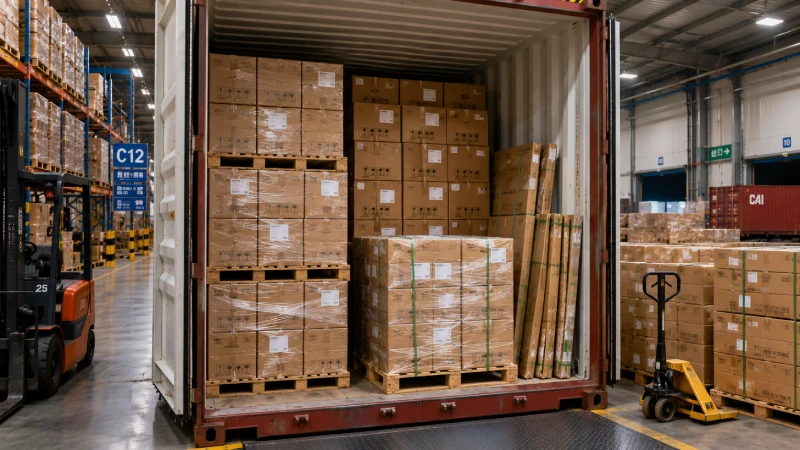
Container utilization is one of the most overlooked areas in freight cost management.
Poor loading design creates wasted air space inside containers, increasing the shipping cost per unit. Experienced freight planners optimize carton dimensions specifically around container measurements rather than using standard domestic packaging sizes.
Floor loading often allows more cargo volume compared with palletized loading. However, pallet usage may reduce unloading risks and warehouse handling damage. Saudi warehouse unloading capabilities should influence this decision.
Incorrect loading sequence can also create repacking charges during customs inspections. If customs officers cannot access cargo efficiently, containers may require partial unloading and restuffing, which increases destination handling expenses.
Many importers also fail to fully utilize 40HQ containers. In some situations, moving from a 20GP to a 40HQ increases freight cost only moderately while dramatically reducing unit shipping cost.
Saudi Arabia-Specific Charges That Increase Total Landed Cost
Saudi Arabia has several localized logistics realities that directly affect freight budgets.
SABER and SASO compliance costs can impact both timing and customs expenses. Incorrect documentation may trigger delays, storage fees, or reinspection costs.
Customs inspections also create financial risk during busy seasons. Before Ramadan, increased shipment volume can slow clearance operations at major ports like Jeddah Islamic Port.
Inland trucking is another major cost factor. Deliveries from Jeddah to Riyadh or remote industrial areas can substantially increase the final landed cost, especially for oversized or palletized cargo.
Certain Saudi warehouses also have strict unloading appointment systems. Failed delivery attempts may trigger redelivery charges, detention costs, or warehouse waiting fees.
Importers should also understand the customs process itself before shipping. A dedicated Customs Clearance in Saudi Arabia guide is often essential for reducing avoidable destination costs.
Freight Consolidation Strategies That Lower Cost Per Shipment
Freight consolidation is one of the most effective long-term cost reduction strategies for SME importers.
Instead of shipping every completed production batch immediately, many businesses reduce total freight costs by combining weekly orders into larger monthly shipments. This lowers repeated customs, documentation, and destination handling fees.
Consolidation also improves negotiating power with freight forwarders. Stable shipment volume usually produces better pricing compared with unpredictable one-time shipments.
Some freight forwarders offer shared container consolidation programs specifically for Saudi Arabia cargo. Multiple importers share one container while dividing freight proportionally. This approach helps smaller businesses access better container economics without requiring full-container volume.
The key is balancing inventory carrying cost against freight savings. Excessive consolidation can reduce logistics cost but increase warehouse inventory pressure.
Timing Strategies That Reduce Shipping Costs to Saudi Arabia
Shipping timing has a major impact on freight pricing.
Rates often rise sharply before Ramadan and other peak purchasing periods. Importers that wait too long to book space may face higher freight costs and reduced vessel availability.
Late production completion also forces businesses into expensive emergency air shipments. In many cases, better production forecasting creates larger savings than freight negotiation itself.
Flexible transit schedules also unlock lower pricing opportunities. Cargo that can tolerate slightly longer transit times often qualifies for cheaper routing options or indirect sailings.
Experienced importers usually forecast shipments several weeks ahead, allowing forwarders to secure more competitive rates and better container allocation.
Negotiating Better Freight Rates Without Sacrificing Reliability
Many businesses negotiate freight pricing incorrectly by focusing only on the lowest visible rate.
A cheaper quote may exclude customs handling, inspection coordination, documentation fees, or destination delivery charges. The lowest freight rate does not always produce the lowest landed cost.
Freight forwarders usually provide better pricing when importers offer predictable shipping forecasts, stable shipment frequency, and clear cargo information.
Accurate cargo dimensions, HS codes, packaging details, and delivery locations all improve quotation accuracy and reduce surprise charges later.
Reliable Saudi logistics operations depend on transparency. Importers should always ask which destination fees are included, how customs inspections are handled, and whether inland delivery costs are fixed or estimated.
Building a Lower-Cost China–Saudi Arabia Logistics System
The most successful importers do not reduce shipping costs through one single tactic. They build integrated logistics systems.
This usually includes combining sea freight planning, customs preparation, inland delivery coordination, and inventory forecasting into one operational strategy.
Businesses that understand shipping timelines rarely need emergency air freight. Importers that optimize packaging improve both container utilization and warehouse handling efficiency. Companies that consolidate suppliers reduce repetitive operational costs across the entire supply chain.
Ultimately, reducing shipping costs to Saudi Arabia is less about finding the cheapest freight quote and more about improving logistics structure.
A professional freight strategy should lower total landed cost while maintaining stable delivery performance, customs compliance, and predictable inventory flow.
