

What Determines China → Kenya Shipping Costs
Shipping costs from China to Kenya vary widely because they are influenced by multiple operational, market, and regulatory factors across both countries. The final rate is never a single fixed number—rather, it reflects the transport mode you choose (sea, air, express, or DDP), the size and weight of your cargo, distance between the chosen China port and the Kenya entry point, and current global freight market conditions.
For most shipments to Kenya, sea freight offers the lowest cost per CBM, especially for Mombasa-bound cargo. However, costs can still shift depending on vessel capacity, fuel prices, and port congestion during peak logistics seasons. Air freight, commonly routed into Nairobi (NBO), is priced based on chargeable weight, airline selection, and space availability, which makes it more sensitive to seasonal demand—for example, e-commerce peaks, perishables season, and pre-holiday rushes.
Incoterms also directly influence the final price. Under EXW, buyers take responsibility for all inland transport and export procedures in China, while CIF includes ocean freight but not destination charges in Kenya. DDP, popular for Kenya-bound small parcels and e-commerce goods, bundles freight, customs clearance, taxes, and last-mile delivery into one predictable rate.
Finally, regulatory and customs-related elements—such as HS codes, duties, import restrictions, and Kenya Bureau of Standards (KEBS) requirements—play a major role in shaping total landed cost. When combined with packaging efficiency, shipment consolidation, and the choice of route (direct vs transshipment), these factors together determine how much you ultimately pay to move goods from China to Kenya.
Average Shipping Cost from China to Kenya
Shipping rates from China to Kenya vary based on transport mode, cargo volume, chargeable weight, route selection, and market conditions such as fuel prices and carrier capacity. While real-time quotes can fluctuate weekly, the following ranges provide a reliable benchmark for planning your logistics budget. These estimates reflect typical 2025 market conditions for cargo moving through major Chinese export hubs such as Shenzhen, Guangzhou, Shanghai, and Ningbo, and arriving via Mombasa Port (sea freight) or Nairobi Jomo Kenyatta International Airport (air freight).
The table below summarizes the most common shipping methods and their typical cost structures, designed to help importers quickly compare options and choose the most economical mode for their business needs.
China → Kenya Shipping Cost Overview
| Method | Typical Cost | Unit | Best For | Notes |
|---|---|---|---|---|
| LCL Sea Freight | $35–$60 | per CBM | 1–12 CBM shipments | Min. 1 CBM charge; origin & destination fees apply |
| FCL 20GP | $1,200–$1,850 | per container | Medium-volume cargo | Stable pricing; varies by China departure port |
| FCL 40HQ | $1,850–$2,500 | per container | High-volume shipments | Best cost per CBM; recommended above 22–25 CBM |
| Air Freight (CIF) | $5.5–$9.5 | per kg | 45–300 kg | Chargeable weight applies; rate depends on airline & route |
| DDP Air | $8–$14 | per kg | E-commerce & small parcels | Includes customs clearance, duty, and delivery in Kenya |
| DDP Sea | $180–$260 | per CBM | General commercial goods | Tax-included door-to-door; slower transit but stable pricing |
| Express (DHL / UPS / FedEx) | $7–$12 | per kg | Samples, urgent goods | Fastest method; small parcels only; remote area fees may apply |
Key Takeaways for Importers
- LCL becomes costly when origin/destination charges exceed the freight itself; consider consolidating shipments.
- FCL offers the best cost efficiency when your cargo volume exceeds ~20–25 CBM.
- Air freight to Nairobi is highly seasonal, with price spikes around Black Friday, Christmas, and Kenya’s back-to-school periods.
- DDP options are ideal for first-time importers, eliminating customs uncertainty and ensuring predictable landed costs.
- Express courier is competitive only for parcels under 20–30 kg or extremely urgent shipments.
Sea Freight Costs (LCL & FCL Pricing Logic)
Sea freight is the most cost-effective way to ship goods from China to Kenya, especially for bulk or non-urgent cargo. Most shipments enter Kenya through Mombasa Port, which serves as the country’s main maritime gateway and onward distribution hub to Nairobi and other inland regions. Sea rates fluctuate with fuel prices, vessel space availability, and seasonal demand across major China export ports such as Shanghai, Ningbo, Shenzhen, and Guangzhou.
LCL Sea Freight Cost Structure (Charged per CBM)
For smaller shipments—typically below 12–15 CBM—LCL (Less than Container Load) is the most common choice. LCL is billed per CBM, with a minimum of 1 CBM, and pricing includes both freight charges and a series of handling fees.
How LCL cost is calculated:
- Freight rate per CBM (e.g., $35–$60)
- Origin charges: warehouse fee, consolidation, documentation
- Destination charges in Mombasa: port handling, customs exam fees, deconsolidation
- Optional services: trucking to Nairobi, customs clearance, warehousing
These additional charges mean that even if the freight rate seems low, the total landed cost of LCL can be higher than expected, especially for small volumes. Shipments close to 10–12 CBM often become more cost-efficient when upgraded to FCL.
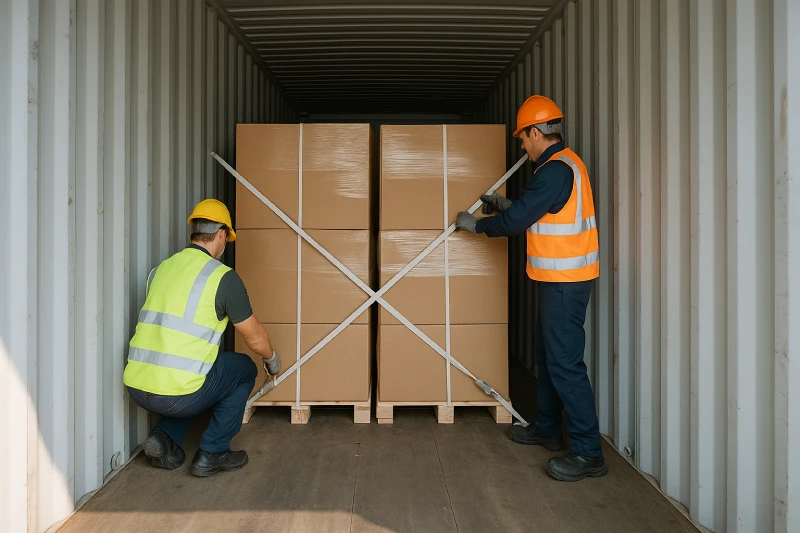
FCL Sea Freight Cost Structure (20GP & 40HQ)
For medium to large shipments, FCL (Full Container Load) offers the best cost per CBM. FCL pricing is more stable and straightforward than LCL, as you pay for the entire container rather than shared space.
What determines FCL container pricing:
- Base ocean freight
- BAF (Bunker Adjustment Factor) tied to fuel prices
- THC (Terminal Handling Charges) at origin and destination
- Documentation & bill-of-lading fees
- Optional services: trucking, stuffing/unloading, customs clearance
A 40HQ container typically provides 68 CBM of usable space, making it the most economical option for high-volume cargo.
Typical China → Mombasa Sea Freight Cost Ranges
| Origin Port | FCL 20GP | FCL 40HQ | LCL Rate (per CBM) | Notes |
|---|---|---|---|---|
| Shanghai | $1,250–$2,000 | $1,950–$2,600 | $35–$55 | Stable space, strong schedules |
| Shenzhen | $1,200–$1,950 | $1,850–$2,500 | $35–$60 | Popular for electronics & e-commerce cargo |
| Ningbo | $1,300–$2,050 | $2,000–$2,650 | $38–$60 | Reliable for heavy industrial goods |
| Qingdao | $1,350–$2,100 | $2,050–$2,700 | $40–$65 | Longer route; slightly higher rates |
When to Choose LCL vs FCL for Kenya
Choose LCL if: Your cargo is under 10–12 CBM, or you need flexibility and lower upfront cost.
Choose FCL if: Your shipment exceeds 20–22 CBM, requires secure handling, or you want predictable billing without shared-container fees.
Upgrade to FCL for cost efficiency: Many importers choose to switch from LCL to 20GP at around 12–15 CBM once origin/destination charges outweigh partial-container savings.
Air Freight Costs (CIF & DDP)
Air freight is the fastest way to ship goods from China to Kenya, with most flights arriving at Nairobi’s Jomo Kenyatta International Airport (NBO)—East Africa’s main air cargo hub. Air rates fluctuate more frequently than sea freight because they depend heavily on airline capacity, fuel costs, and seasonal demand surges such as Kenya’s holiday shopping period, fresh-produce export season, and global e-commerce peaks.
Air freight pricing is determined by chargeable weight, which compares actual weight and volumetric weight (length × width × height ÷ 6000). The higher of the two becomes the billing weight. This makes packaging efficiency a major cost factor for Kenya-bound cargo.
CIF Air Freight Pricing (Airport-to-Airport)
CIF air freight is suitable for commercial shipments moving in bulk (typically above 45 kg). The cost includes air freight charges to NBO but does not include customs clearance, duties, taxes, or local delivery in Kenya.
What influences CIF air freight rates:
- Airline choice (e.g., Kenya Airways, Ethiopian Airlines, Emirates, Qatar Airways)
- Flight routing (direct vs transshipment via Dubai, Doha, Addis Ababa)
- Chargeable weight tiers (higher weight → lower per-kg rate)
- Security screening & export handling fees in China
- Seasonality (especially November–December and back-to-school periods)
Typical CIF rate tiers (2025 Market Guide):
- 1–45 kg: $8–$12/kg
- 45–100 kg: $6.5–$10/kg
- 100–300 kg: $5.5–$8.5/kg
- 300 kg+ (bulk rate): negotiable, often $5–$7/kg
CIF is ideal when importers already have a trusted broker in Kenya who can handle clearance and delivery.
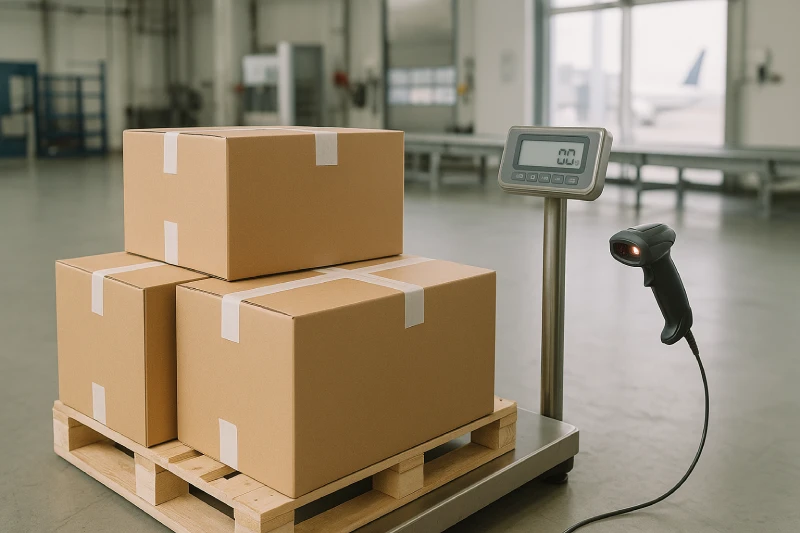
DDP Air Freight Pricing (Door-to-Door)
DDP (Delivered Duty Paid) is a popular option for Kenyan e-commerce sellers, small businesses, and first-time importers because it includes everything: pickup in China, export handling, air freight, customs clearance, duties and taxes, and delivery to the final address in Kenya.
DDP air avoids unexpected clearance delays or inflated destination charges, making it predictable and efficient for small to medium shipments.
What determines DDP air cost:
- Product type and HS code (duty rates vary widely)
- Declared value and Kenya Revenue Authority (KRA) tax rules
- Final delivery location (Nairobi vs outside regions)
- Packaging optimization to reduce volumetric weight
- Airline and routing availability
Typical DDP Air Rate Ranges:
- $8–$14 per kg (all-in, tax included)
- Faster DDP lines may be on the higher end
- Economy DDP lines offer better cost but slower delivery times
DDP air is best suited for:
- E-commerce sellers shipping 5–200 kg weekly
- High-value goods requiring smooth clearance
- First-time importers unfamiliar with Kenyan customs procedures
CIF vs DDP Air: Which Should You Choose?
| Scenario | Best Option | Reason |
|---|---|---|
| You have a customs broker & can handle clearance | CIF Air | Lower freight cost; flexible for bulk cargo |
| You want predictable all-in cost | DDP Air | Duty, tax & delivery included |
| Cargo varies heavily in size/shape | DDP Air | Helps avoid unexpected volumetric charges |
| You ship weekly small parcels | DDP Air | More stable and operationally simple |
DDP (Door-to-Door) Shipping Costs
DDP (Delivered Duty Paid) is one of the most convenient shipping solutions for importers in Kenya, especially small and medium businesses who want predictable, all-inclusive pricing. Under DDP, the freight forwarder handles every stage of the logistics process: pickup in China, export documentation, international transportation, customs clearance in Kenya, payment of duties and taxes, and delivery to the final address (Nairobi and nationwide delivery options).
This “no-surprise cost” model is increasingly popular for Kenya-bound shipments because it avoids unexpected destination fees, long clearance delays, or disputes with customs brokers.
What Determines DDP Shipping Costs
DDP pricing is not one fixed rate; it is influenced by several variables:
1. Product type & HS code
Kenya Revenue Authority (KRA) duties, VAT, and IDF/RDL fees depend entirely on the HS code. Products such as electronics, apparel, shoes, lighting, automotive parts, and accessories have different tax structures, which directly affect the final DDP rate.
2. Declared value
Higher-value goods result in higher tax liabilities, increasing the DDP all-in price. Under-declared values may trigger customs inspections, penalties, or delays.
3. Mode of transport (Air vs Sea)
DDP Air is faster but charged per kg.
DDP Sea is slower but charged per CBM, making it cost-efficient for larger volumes.
4. Cargo characteristics
Bulky but lightweight goods may incur volumetric weight pricing for air DDP. Heavy or oversized items may require reinforcement or special handling for sea DDP.
5. Delivery location in Kenya
Nairobi deliveries often have fixed fees. Deliveries outside Nairobi (e.g., Mombasa, Nakuru, Eldoret, Kisumu) may include additional last-mile charges.

Typical DDP Shipping Cost Examples
DDP Air Freight — China to Kenya
- $8–$14 per kg (all-in, duty and tax included)
- Typical transit time: 5–10 days
- Best for: electronics, fashion, accessories, small appliances, e-commerce goods
- Most cost-effective for 5–200 kg shipments
DDP Sea Freight — China to Kenya
- $180–$260 per CBM (all-in, duty and tax included)
- Minimum charge usually 0.5–1 CBM
- Typical transit time: 35–50 days
- Ideal for: home goods, lighting, machinery parts, furniture, general merchandise
- Best for 1–15 CBM shipments where air freight becomes too costly
Why Many Kenya Importers Prefer DDP
- No hidden costs — warehouse, document, and customs fees are included.
- Predictable landed price — crucial for budgeting and pricing inventory.
- Reduced clearance risk — the forwarder manages inspection, documentation, and duty payment.
- Faster last-mile delivery — especially with established Nairobi distribution networks.
- Lower total cost for small cargo — compared to CIF air or LCL sea with destination fees.
Express Courier Costs (DHL / UPS / FedEx)
Express courier services are the fastest way to move small parcels from China to Kenya, with door-to-door delivery handled entirely by carriers such as DHL, UPS, FedEx, and other premium express lines. These services are widely used for samples, urgent replacement parts, prototypes, documents, and high-value small items where speed matters more than cost.
Express rates are typically higher than air freight or DDP solutions, but they provide the most predictable transit times—usually 3–7 days to major Kenyan cities including Nairobi, Mombasa, Kisumu, Nakuru, Eldoret, and Thika.
How Express Shipping Cost Is Calculated
Express couriers use a standardized pricing model based on the greater of actual weight or volumetric weight, similar to air freight. However, express carriers add several additional components that influence the final cost:
1. Chargeable Weight
Calculated as: L × W × H ÷ 5000 (for DHL/UPS/FedEx)
Light but bulky parcels may be billed at a higher weight.
2. Zone-Based Pricing
Kenya is classified as a higher-distance zone from China, resulting in higher base rates compared to Southeast Asia, Europe, or the Middle East.
3. Fuel & Security Surcharges
These fluctuate monthly and can significantly impact cost, especially during periods of high aviation fuel prices.
4. Remote-Area Delivery (RAD) Fees
Some regions outside Nairobi may incur additional charges, although major cities are typically exempt.
5. Delivery Speed & Service Type
- Express Worldwide (standard priority)
- Economy Express (slower but cheaper)
Faster services come with premium rates.
Typical Express Shipping Rates to Kenya
| Weight Range | Typical Cost | Notes |
|---|---|---|
| 0.5–2 kg | $20–$45 total | Common for documents & small samples |
| 2–5 kg | $7–$12 per kg | Volumetric weight may apply |
| 5–20 kg | $7–$11 per kg | Good for small accessories or electronics |
| 20–30 kg | $7–$10 per kg | Best value range for B2B parcels |
| 30 kg+ | Negotiable | Rates improve with higher weight |
These rates include full door-to-door delivery and customs clearance assistance, though duties and taxes (if applicable) are usually billed to the receiver unless pre-arranged.
When Express Is the Best Option
Express courier services are ideal when:
- You need samples urgently for quality checks or production decisions
- You ship spare parts that must arrive quickly to avoid operational downtime
- Cargo value is relatively high and shipping time impacts profitability
- The shipment is too small to justify air freight consolidation or DDP services
- You need trackable, time-definite delivery
While express isn’t the cheapest method, it is often the most efficient for 0.5–30 kg shipments where reliability and speed outweigh cost concerns.
Full Breakdown of Cost Influencing Factors
Shipping costs from China to Kenya are shaped by multiple operational, seasonal, and regulatory factors. Understanding these variables helps importers choose the most cost-efficient shipping method and avoid unexpected charges. Whether using sea freight, air freight, DDP, or express services, the following elements play a decisive role in determining the final price.
1. Cargo Volume & Weight
Sea Freight (CBM-Based)
- LCL is charged per CBM, with a minimum of 1 CBM.
- Oversized or irregularly shaped cargo may incur premium handling fees.
- FCL pricing becomes more cost-effective once shipments exceed 20–22 CBM.
Air Freight (kg-Based)
- Billed by chargeable weight (actual weight vs volumetric weight).
- Bulky but lightweight items may cost more than expected due to volumetric pricing.
2. Packaging Efficiency
Optimized packaging can reduce both CBM (for sea freight) and chargeable weight (for air freight). Poor packaging that inflates volume unnecessarily can significantly increase shipping costs.
Examples:
- A 10% reduction in carton height might reduce overall CBM by 5–8%.
- DDP air shipments benefit heavily from compact, tightly packed cartons.
3. Route Selection (Direct vs Transshipment)
Direct Routes
- Faster transit times
- Higher rate stability
Transshipment via hubs like Dubai, Doha, or Singapore
- May offer lower cost during off-peak seasons
- Could involve longer transit times and potential schedule variability
For Kenya, many sea shipments pass through the Middle East before reaching Mombasa, while a large portion of air freight is routed through Doha, Dubai, or Addis Ababa.
4. Peak Season Surcharges
Rates fluctuate significantly during global and regional peak periods:
- Chinese New Year (Jan–Feb) → factory closures & high demand
- Holiday season (Oct–Dec) → retail and e-commerce surges
- Back-to-school seasons in East Africa
- Fresh produce export season competing for air cargo space
During these periods, limited vessel and airline capacity pushes prices upward.
5. Customs Clearance, Duties & Compliance
Kenya Revenue Authority (KRA) imposes duties, VAT, IDF, and RDL charges based on HS codes and declared values. These directly impact DDP rates and overall landed cost.
Key considerations:
- Certain products require KEBS (Pre-Export Verification of Conformity) documentation.
- Misclassification or undervaluation may result in inspections, penalties, and delays.
- High-risk categories (electronics, apparel, auto parts) may require more detailed documentation.
6. Cargo Type & Special Handling Requirements
Some shipments require additional processes:
- Dangerous goods (DG)
- Batteries and electronics
- Fragile or oversized cargo
- High-value items needing enhanced security
Each may trigger specialized packaging, labeling, or airline/port handling fees.
7. Incoterms (FOB, CIF, EXW, DDP)
Incoterms define who pays for which part of the logistics chain.
EXW
Importer pays for China domestic pickup + export handling → often leads to higher total cost if not managed efficiently.
FOB
Supplier delivers goods to the Chinese port; importer pays freight and destination costs.
This is the most common and flexible structure for Kenya trade.
CIF
Freight to Mombasa included, but destination charges remain the importer’s responsibility.
DDP
Predictable all-in pricing—ideal for small shipments and e-commerce sellers—covers duty, tax, clearance, and delivery.
8. Documentation & Administrative Charges
Documentation such as bills of lading, airway bills, consignment notes, certificates of origin, and KEBS documentation may add to the total cost, especially if revisions or re-issues are required.
9. Local Delivery Within Kenya
Last-mile delivery from Mombasa to:
- Nairobi
- Kisumu
- Nakuru
- Eldoret
- Other regions
adds trucking costs that vary by distance and cargo size. Nairobi enjoys the most stable and predictable domestic delivery pricing.
How to Reduce Shipping Costs
While shipping rates from China to Kenya fluctuate with market conditions, importers can still manage and optimize their total logistics spend by making a few strategic decisions. The most impactful cost-saving measures generally focus on shipment planning, cargo consolidation, packaging efficiency, and selecting the most suitable transport mode based on volume and urgency. Choosing the right China export port, avoiding unnecessary reworking or repacking, and preparing accurate documentation also help prevent extra fees and delays.
For businesses shipping regularly to Kenya, aligning purchase orders to consolidate multiple suppliers into a single shipment, booking during off-peak periods, and working with a forwarder who offers reliable DDP or multimodal options can significantly improve budget predictability.
Because this topic involves many variables—including Incoterms, customs preparation, packaging methods, and transit-time tradeoffs—you can explore a full breakdown of practical, actionable strategies in our dedicated guide here:
👉 How to Reduce Shipping Costs and Delivery Time .
FAQs
1. Why do different freight forwarders quote very different prices for the same shipment to Kenya?
Rates differ because each forwarder uses different carrier contracts, consolidation networks, and space allocations with airlines or shipping lines. Some forwarders operate shared consolidation warehouses, which lowers LCL and DDP rates, while others rely on third-party handlers. Pricing may also reflect service level (faster vs slower routing), included destination fees, customs handling quality, or seasonal access to discounted cargo space.
2. How far in advance should I request a quote to secure the best shipping price?
For sea freight, requesting rates 2–4 weeks ahead helps avoid sudden price fluctuations caused by vessel rollovers or peak-season surcharges. Air freight changes more frequently, so 7–10 days before shipment is ideal. Early planning allows forwarders to match you with the most cost-efficient routes and consolidation schedules.
3. Does mixing different types of products (e.g., electronics + apparel) affect my shipping cost?
Yes. Mixed cargo can influence customs tax calculations, HS code processing times, and even consolidation options. Some product categories require special screening or documentation, which may increase handling costs. Separating high-risk or regulated goods into their own shipment can sometimes reduce both freight charges and clearance delays.
4. When is it worth switching from LCL to a 20GP container for Kenya?
Beyond the usual CBM threshold, importers should also consider destination charges and handling complexity. Even at 12–14 CBM, switching to a 20GP may reduce your total landed cost if your cargo is heavy, involves multiple SKUs, or requires palletized handling. In Kenya specifically, LCL destination charges can be significant, making FCL more cost-efficient earlier than many expect.
5. Can optimizing packaging reduce tax and duty costs in Kenya?
Yes. Kenya Revenue Authority (KRA) assesses duty and VAT based partly on customs value plus freight cost. Bulky or inefficient packaging increases shipping cost, which indirectly raises the taxable base. Using compact cartons, removing unnecessary void space, and standardizing carton dimensions can lower freight charges—and therefore reduce total duties and VAT.
Get an Accurate, Updated Cost Estimate
Because shipping rates from China to Kenya change with fuel prices, carrier capacity, and seasonal demand, the most reliable way to plan your logistics budget is to request a customized quote based on your product type, volume, and delivery requirements. Our team can review your shipment details, recommend the most cost-efficient mode, and provide an updated estimate that reflects the current market conditions.
If you’d like tailored guidance or need clarification on LCL, FCL, air freight, or DDP options, feel free to share your cargo specifications—we typically provide a detailed quotation within 24 hours to help you move forward with confidence.
Disclaimer & Update Note
Shipping costs from China to Kenya fluctuate regularly due to changes in fuel prices, global demand, carrier capacity, and port or airport conditions. All rates and examples provided in this guide are based on typical 2025 market ranges and should be used for general reference only. Actual quotations may vary depending on shipment details, seasonality, and regulatory requirements.
This page is reviewed and updated periodically to reflect current industry trends and pricing movements.
