
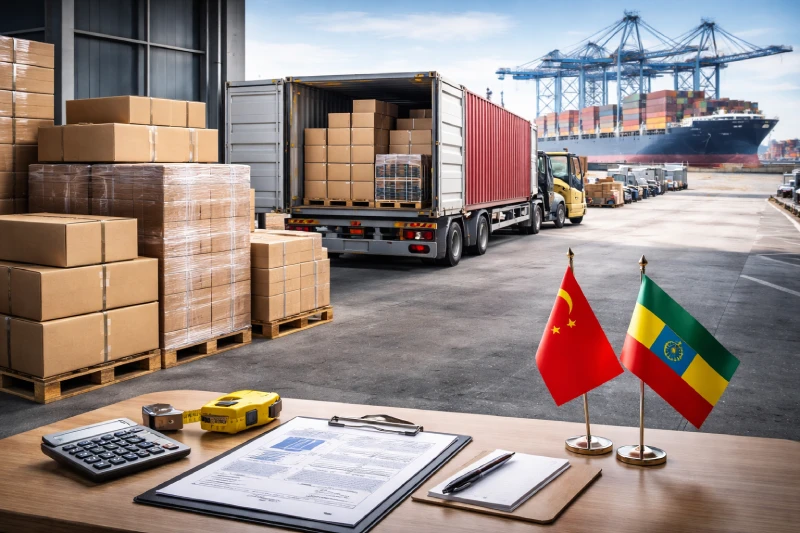
What Does 1 CBM Cost to Ship to Ethiopia?
For most importers, shipping 1 CBM from China to Ethiopia by LCL sea freight is usually the most expensive option on a per-unit basis because fixed handling charges are spread over a very small volume. Once your shipment reaches 5–10 CBM, the cost per CBM typically drops noticeably.
Most Ethiopia-bound cargo under 15 CBM moves by sea freight through Mombasa or Nairobi before final delivery to Addis Ababa. Your final cost depends on shipment size, cargo type, season, and whether the quote includes destination charges and inland delivery.
How CBM Shipping Works for Ethiopia Imports
What “Cost per CBM” Means
CBM stands for “cubic meter,” which measures the volume of your shipment. It is calculated by multiplying the cargo length × width × height in meters. For example, cargo measuring 2m × 1m × 0.5m equals 1 CBM.
For most small and medium shipments from China to Ethiopia, freight forwarders use CBM to calculate sea freight cost because the cargo does not fill an entire container.
When CBM Pricing Applies
CBM pricing is most common when:
- Your shipment is under 15 CBM
- You use LCL (Less than Container Load) sea freight
- You combine several cartons or pallets into one shared container
- Your cargo is too small to justify a full 20ft container
Typical examples include machinery parts, electronics, furniture, textiles, and mixed wholesale orders shipped by SMEs.
When It Does Not Apply
CBM pricing is usually not used for:
- Full container shipments (FCL), where you pay for the entire container
- Air freight, which is charged by actual or volumetric weight
- Express courier shipments such as DHL, UPS, or FedEx
- Very dense cargo, where some forwarders may charge by weight instead of volume
If you are unsure whether your shipment should be priced by CBM or another method, compare both options before booking.
Typical Shipping Cost per CBM from China to Ethiopia
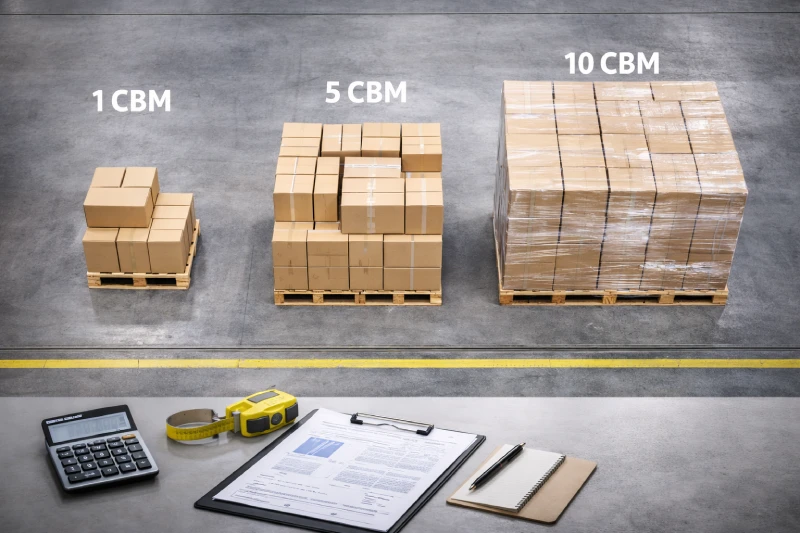
1 CBM Shipping Cost
A 1 CBM shipment usually has the highest cost per cubic meter because you still pay the same minimum handling, documentation, and destination fees as larger shipments. In practice, many importers find that 1 CBM costs significantly more per unit than a 5–10 CBM shipment.
For most LCL sea freight shipments from major China ports to Ethiopia, 1 CBM is generally suitable only when the cargo is urgent, valuable, or too small to wait for consolidation.
5–10 CBM Shipping Cost
Once your cargo reaches 5–10 CBM, the cost per CBM becomes much more efficient. Fixed charges such as export handling, LCL loading, and destination processing are spread across a larger volume.
This is usually the most economical range for Ethiopia SMEs importing products such as furniture, building materials, electronics, clothing, or machinery parts. Many importers try to combine several supplier orders into one 5–10 CBM shipment to lower the average shipping cost.
| Shipment Size | Typical Cost per CBM Trend | Best Use Case |
|---|---|---|
| 1 CBM | Highest cost per unit | Samples, urgent small orders |
| 3–5 CBM | Moderate cost per unit | Small wholesale shipments |
| 5–10 CBM | Lowest LCL cost per unit | Regular SME imports |
| 10–15 CBM | May approach FCL pricing | Compare with 20ft container |
What Is Usually Included
Most quoted CBM rates from China to Ethiopia normally include:
- LCL sea freight from the China departure port
- Export customs handling in China
- Container consolidation and loading
- Basic port-to-port transportation
What Is Usually Not Included
Many importers underestimate the final cost because the original quote often does not include:
- Customs clearance in Ethiopia
- Local charges in Mombasa or Nairobi
- Border transit fees
- Inland trucking to Addis Ababa or other Ethiopian cities
- Storage, inspection, or demurrage charges if delays occur
Before accepting any quote, always confirm whether it is port-to-port, port-to-door, or fully delivered. For a broader breakdown of all freight and destination charges, see Shipping Cost From China to Ethiopia.
Sea Freight LCL vs Air Freight Cost per CBM
Sea Freight Cost per CBM
For most Ethiopia imports, LCL sea freight is the lowest-cost option when shipping 3–10 CBM. You share container space with other shipments, so you only pay for the volume you use. Although transit takes longer, the total cost is usually far lower than air freight.
Sea freight is best for cargo such as furniture, textiles, electronics, spare parts, and general wholesale products that are not urgently needed.
Air Freight Equivalent Cost
Air freight is not normally priced by CBM. Instead, airlines charge based on “chargeable weight,” which compares the actual weight with the volumetric weight of the shipment.
1 CBM of cargo is typically treated as about 167 kg for air freight pricing. Because of this, shipping 1 CBM by air can cost several times more than sending the same volume by sea.
| Shipment Volume | Sea Freight (LCL) | Air Freight Equivalent | Recommended Option |
|---|---|---|---|
| 1 CBM | Lowest total cost, slow transit | Several times more expensive | Sea unless urgent |
| 3 CBM | Good balance of cost and volume | Often too expensive for SMEs | Sea |
| 5 CBM | Most cost-efficient LCL range | Usually uneconomical | Sea |
Which Option Fits Your Shipment?
Choose air freight if:
- The cargo is urgent
- The shipment is small but high-value
- Delays would cost more than the freight itself
Choose LCL sea freight if:
- Your shipment is between 3 and 10 CBM
- You want the lowest shipping cost
- You can accept a longer delivery timeline
If transit time matters as much as price, compare your budget with the expected delivery schedule in How Long Does It Take to Ship From China to Ethiopia. For a full comparison of sea, air, and door-to-door options, see Best Shipping Methods From China to Ethiopia.
Main Factors That Change Your Cost per CBM
Even when two shipments have the same size, the final cost per CBM can be very different. Freight forwarders calculate rates based on the route, cargo characteristics, and destination requirements.
Cost Drivers
- Origin city in China: Cargo shipped from coastal cities such as Shenzhen, Guangzhou, Ningbo, or Shanghai is usually cheaper than cargo first moved from inland cities.
- Destination in Ethiopia: Delivery to Addis Ababa is generally less expensive than delivery to smaller or remote cities.
- Shipment size: Larger shipments spread fixed charges across more CBM, reducing the cost per unit.
- Cargo density: Very heavy cargo may be charged differently if the weight is unusually high compared with the volume.
- Cargo type: Fragile goods, oversized cargo, batteries, chemicals, or restricted items often require extra handling and higher rates.
- Season: Shipping rates usually rise before Chinese New Year, during peak summer export season, and in the months before major holidays.
- Local charges: Mombasa handling, Nairobi transit, and inland trucking can add significantly to the total cost.
- Customs delays: Missing or incorrect paperwork may create storage, inspection, or demurrage charges.
For example, 5 CBM of lightweight clothing shipped from Guangzhou to Addis Ababa may cost much less than 5 CBM of dense machinery parts shipped from inland China.
Importers can reduce unexpected expenses by asking the forwarder exactly which charges are included before booking. This is especially important for Ethiopia shipments because the quote may not include local handling, border transit, or final delivery costs.
Ethiopia-Specific Notes That Affect Final Cost
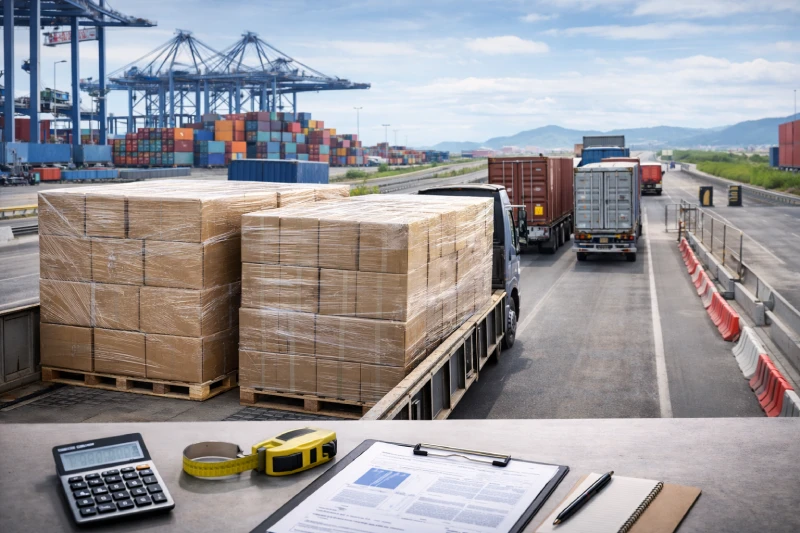
Why Most Cargo Moves Through Mombasa or Nairobi
Because Ethiopia is landlocked, most sea freight from China does not arrive directly in Ethiopia. Instead, cargo is usually unloaded at Mombasa in Kenya, then transferred through Nairobi and moved by truck to Addis Ababa.
This extra transit stage adds handling, border clearance, and inland transport costs that do not exist for countries with direct seaports.
Typical Additional Cost Areas
Importers should expect several Ethiopia-specific charges beyond the original sea freight quote:
- Mombasa port handling and container transfer
- Nairobi transit or consolidation fees
- Cross-border documentation and customs processing
- Truck delivery from Kenya to Addis Ababa
- Possible storage charges if customs clearance is delayed
Common Delay Reasons
The most common reasons for added cost and delay include:
- Missing invoices, packing lists, or import permits
- Slow customs review at the Kenya–Ethiopia border
- Congestion at Mombasa port
- Truck shortages or rain-season transport disruption
- Cargo inspection or document mismatch
These delays can quickly increase storage and trucking charges, especially for small LCL shipments. To understand the customs process in more detail, see Customs Clearance In Ethiopia.
How to Reduce Shipping Cost Without Increasing Risk
Lower shipping cost does not always mean choosing the cheapest quote. The best approach is to reduce unnecessary charges while keeping the shipment safe and predictable.
How to Reduce Cost Without Risk
- Combine multiple supplier orders into one shipment instead of sending several 1 CBM shipments separately.
- Increase the shipment size to at least 3–5 CBM if possible. The cost per CBM is usually much lower than for 1 CBM.
- Book before peak season, especially before Chinese New Year and major holiday periods when rates rise quickly.
- Use standard cartons or pallets so there is less empty space inside the shipment.
- Ask the supplier to package the cargo efficiently without increasing the risk of damage.
- Compare quotes from the nearest China departure port to your supplier to avoid extra domestic transport charges.
- Confirm whether the quote includes Mombasa handling, border transit, and Addis Ababa delivery.
- Compare port-to-port pricing with door-to-door or DDP service if you want fewer unexpected local charges.
Sometimes a slightly higher all-inclusive quote is cheaper overall because it avoids extra charges later. If you want a delivered price that includes transport, clearance, and local handling, compare your estimate with DDP Shipping From China to Ethiopia.
Common Quote Mistakes Importers Make
Many Ethiopia importers receive a low shipping quote and assume it is the final price. In reality, the cheapest quote is often missing important charges.
Common Quote Mistakes
- Assuming customs clearance and destination charges are already included
- Comparing sea freight cost per CBM with air freight cost by weight
- Ignoring Mombasa, Nairobi, or border handling fees
- Forgetting that rates increase during peak season
- Not checking whether the quote is port-to-port, port-to-door, or door-to-door
- Using product dimensions only and forgetting the larger packaged size
- Choosing the lowest quote without confirming storage, inspection, or trucking charges
For example, a low port-to-port quote may appear cheaper at first, but the final delivered cost can become much higher after local handling and inland delivery are added.
To avoid surprises, ask the forwarder for a complete breakdown before booking.
When LCL Stops Being Cost-Effective
LCL shipping works best for small and medium shipments, but it does not remain the cheapest option forever. Once your cargo reaches around 12–15 CBM, the total LCL cost often becomes close to the price of a full 20ft container.
At that point, FCL may be the better choice because you pay one container rate instead of paying per CBM plus multiple LCL handling charges. FCL can also reduce the risk of damage and delay because your cargo is not mixed with other shipments.
Before booking a shipment above 10 CBM, compare both options carefully. In many cases, a 20ft container becomes more economical once the cargo volume continues to grow.
Conclusion: Use CBM Cost as a Budget Estimate, Not a Final Quote
Shipping cost per CBM is useful for quickly estimating the budget for small and medium shipments from China to Ethiopia. However, the final price depends on shipment size, cargo type, route, local charges, and inland delivery.
Before requesting a quote, prepare your cargo dimensions, weight, packaging size, and delivery city. This will help you receive a more accurate estimate and avoid unexpected charges later. For a complete overview of the entire shipping process, see Ship From China to Ethiopia.
FAQs
How much does 1 CBM cost to ship from China to Ethiopia?
1 CBM is usually the most expensive option on a per-unit basis because fixed handling and destination charges are spread across a very small shipment. Most importers find that 3–5 CBM or more offers a better value.
Is 5–10 CBM cheaper per unit than 1 CBM?
Yes. Once your shipment reaches 5–10 CBM, the cost per CBM usually drops because export, handling, and transit charges are divided across more cargo.
Are customs clearance and taxes included in the CBM price?
Usually not. Most freight quotes only include the sea freight portion and basic export handling in China. Customs clearance, local charges, and inland delivery in Ethiopia are often billed separately.
Why do Ethiopia shipments often pass through Mombasa or Nairobi?
Ethiopia is landlocked, so most cargo first arrives at Mombasa in Kenya, then moves through Nairobi and continues by truck to Addis Ababa. This route affects both cost and transit time.
At what point should I switch from LCL to FCL?
Once your shipment reaches around 12–15 CBM, you should compare the price of a 20ft container. In many cases, FCL becomes more economical than continuing to pay LCL rates per CBM.
