
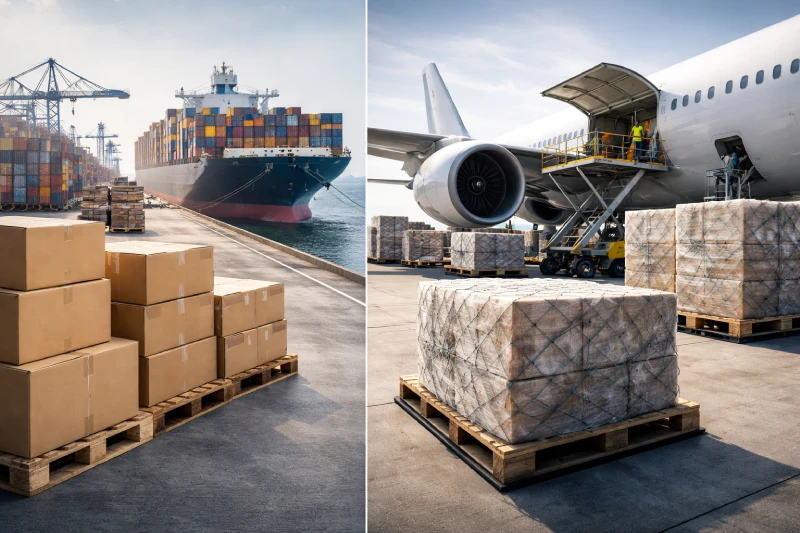
Understanding shipping cost per CBM from China to Nigeria and shipping cost per KG is critical if you’re planning imports and want to control your logistics budget before requesting quotes.
This guide is designed for pre-quote decision making—helping you estimate costs, compare shipping methods, and avoid hidden charges before contacting a freight forwarder.
What Determines Shipping Cost
Shipping costs from China to Nigeria are not fixed—they depend on a combination of logistics, cargo, and regulatory factors.
The most important variables include:
- Shipping method (sea freight, air freight, express)
- Cargo volume (CBM) or weight (KG)
- Origin and destination cities
- Incoterms (EXW, FOB, DDP, etc.)
- Fuel surcharges and seasonal fluctuations
- Customs duties and local handling fees in Nigeria
For sea freight, pricing is typically based on volume (CBM), while air and express shipments are charged based on chargeable weight (KG).
Another key factor is whether you’re shipping:
- FCL (Full Container Load) — fixed container cost
- LCL (Less than Container Load) — shared container, priced per CBM
If your shipment is under 15 CBM, LCL is usually the most relevant pricing model.
Cost per CBM (Sea Freight)
Sea freight is the most cost-effective option for bulk shipments to Nigeria, especially when shipping general goods, machinery, or commercial cargo.

How LCL Pricing Works
LCL (Less than Container Load) pricing is calculated per cubic meter (CBM). Your cargo shares container space with other shipments, and you only pay for the space you use.
Typical pricing structure includes:
- Ocean freight per CBM
- Origin charges (China handling)
- Destination charges (Nigeria port fees)
- Documentation fees
Average Cost per CBM (2026)
| Route | Cost per CBM (USD) | Transit Time |
|---|---|---|
| China → Lagos | $85 – $140 | 35–50 days |
| China → Apapa Port | $90 – $150 | 35–50 days |
| China → Tin Can Island | $95 – $155 | 35–50 days |
These are LCL all-in estimates (excluding duties) and may vary based on port congestion and fuel costs.
When CBM Pricing Is Ideal
Sea freight per CBM is best when:
- Your cargo exceeds 2–3 CBM
- Weight is high but not urgent
- You want the lowest cost per unit
If your goal is to minimize cost, check: Cheapest Shipping from China to Nigeria
Cost per KG (Air & Express)
Air freight and express shipping are used when speed is critical, but they come at a higher cost per kilogram.
How Chargeable Weight Works
Air and express shipping use chargeable weight, calculated as:
The greater of:
- Actual weight (KG)
- Volumetric weight (CBM × 167)
This means lightweight but bulky cargo may still incur high charges.
Average Cost per KG (2026)
| Method | Cost per KG (USD) | Transit Time |
|---|---|---|
| Air Freight | $4.5 – $8.5 | 5–10 days |
| Express (DHL/UPS/FedEx) | $6 – $12 | 3–7 days |
When KG Pricing Is Better
Air or express shipping is ideal when:
- Cargo is under 200–300 KG
- Delivery is urgent (samples, electronics, spare parts)
- You want door-to-door speed
Sample Price Ranges (2026)
Below is a simplified comparison to help you estimate total shipping cost based on typical shipment sizes.
| Shipment Type | Size | Method | Estimated Cost | Cost per Unit |
|---|---|---|---|---|
| Small Parcel | 50 KG | Express | $400 – $600 | $8 – $12/kg |
| Medium Cargo | 300 KG | Air Freight | $1,500 – $2,400 | $5 – $8/kg |
| Small LCL | 3 CBM | Sea Freight | $300 – $450 | $100 – $150/CBM |
| Larger LCL | 10 CBM | Sea Freight | $850 – $1,200 | $85 – $120/CBM |
Key Insight
- Below 2 CBM → Air/Express may be competitive
- Above 3–5 CBM → Sea freight becomes significantly cheaper
- Above 15 CBM → Consider full container (FCL)
These ranges are useful for budget planning before requesting a formal quote.
Hidden Charges in Nigeria
Shipping cost per CBM or KG is only part of the total cost. Importing into Nigeria involves several additional charges that can significantly affect your final landed cost.
Common Hidden Costs
- Customs duties & VAT
- Port handling charges (THC)
- Terminal storage fees (especially during delays)
- Customs inspection fees
- Clearing agent charges
- Demurrage (if containers are delayed)
Learn more: Customs Clearance in Nigeria
Why These Matter
Nigeria is known for:
- Complex customs procedures
- Port congestion (especially Lagos ports)
- Variable inspection timelines
These factors can add 20–40% to your total logistics cost if not planned properly.
How to Reduce Cost per Unit
Reducing shipping cost is not just about finding the cheapest rate—it’s about optimizing your logistics strategy.
1. Increase Shipment Volume
Shipping larger volumes lowers cost per unit:
- 1 CBM → high cost per unit
- 10 CBM → significantly lower per-unit cost
2. Choose the Right Shipping Method
- Small shipments → consider consolidation
- Medium shipments → compare air vs sea
- Large shipments → use FCL
3. Optimize Packaging
- Reduce unused space
- Avoid oversized cartons
- Use pallet optimization
4. Plan Ahead
Urgent shipments always cost more. Booking early allows:
- Lower rates
- Better vessel schedules
5. Use a Reliable Freight Forwarder
An experienced forwarder can:
- Consolidate shipments
- Optimize routing
- Reduce hidden costs
FAQs
1. What is the average shipping cost per CBM from China to Nigeria?
Typically $85–$150 per CBM for LCL sea freight, depending on route, season, and port conditions.
2. How much is shipping per KG from China to Nigeria?
- Air freight: $4.5–$8.5/kg
- Express: $6–$12/kg
3. Which is cheaper: CBM or KG?
- CBM (sea freight) is cheaper for large shipments
- KG (air/express) is better for small or urgent cargo
4. What is the minimum volume for sea freight?
Usually 1 CBM, but practically:
- Under 2 CBM → may not be cost-efficient
- 3+ CBM → better value
5. Can I get door-to-door pricing?
Yes. Many forwarders offer DDP shipping, which includes:
- Shipping
- Customs clearance
- Final delivery
This simplifies cost estimation and avoids unexpected charges.
Final Takeaway
If you’re comparing shipping cost per CBM from China to Nigeria vs cost per KG, the decision comes down to:
- Volume vs urgency
- Budget vs delivery speed
For most commercial shipments:
- Use sea freight (CBM) to minimize cost
- Use air or express (KG) for speed and flexibility
Planning your logistics strategy before requesting quotes can save hundreds to thousands of dollars per shipment.
