
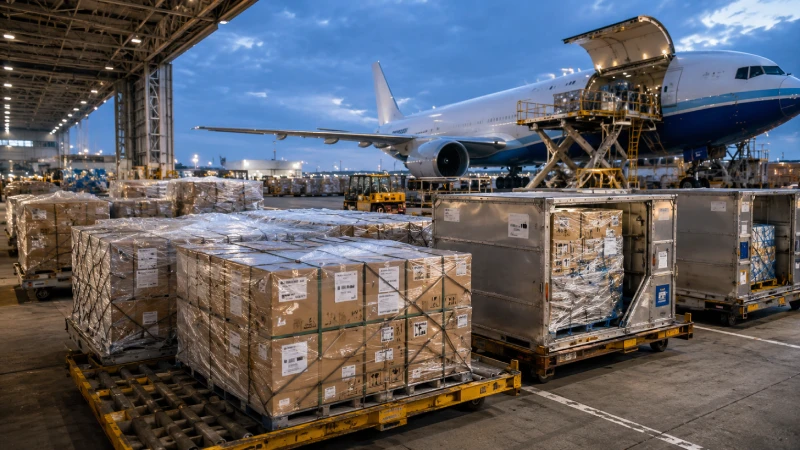
Electronics is one of the fastest-growing cargo categories moving from China to Saudi Arabia, especially for distributors, retailers, industrial buyers, and e-commerce importers. But compared with general cargo, electronics shipments involve much higher operational sensitivity.
A shipment may contain lithium batteries, wireless communication modules, fragile internal components, or branded products that attract additional customs scrutiny. Small documentation mistakes can trigger delays, airport inspections, or unexpected storage fees in Saudi Arabia.
For importers shipping electronics to Riyadh, Jeddah, or Dammam, successful logistics is not only about choosing air freight or sea freight. It also depends on packaging standards, SABER compliance, HS code accuracy, battery handling, and selecting the right shipping structure based on cargo urgency and value.
This guide explains the real operational considerations behind electronics shipping from China to Saudi Arabia and how experienced importers reduce both delivery risk and freight cost.
Why Electronics Shipments Require Different Logistics Planning
Electronics cargo behaves differently from normal consumer goods. Even relatively small shipments may involve high cargo value, fragile packaging, or regulated components.
Saudi customs authorities often inspect electronics more carefully than low-risk products because of:
- Lithium battery safety concerns
- Wireless communication compliance
- Product certification requirements
- Counterfeit brand risks
- HS code inconsistencies
- SABER registration requirements
For example, a shipment declared simply as “electronic accessories” may be flagged for inspection because the description is too broad. Customs officers may request additional product details, specifications, or conformity documents before release.
Electronics shipments are also highly time-sensitive. Retailers importing smartphones, accessories, gaming devices, or smart home products often face inventory pressure during promotion periods, Ramadan sales seasons, or product launches. Delays of even a few days can affect market timing and sales revenue.
Because of this, freight planning for electronics usually prioritizes predictability and risk control rather than only the cheapest freight rate.
Choosing the Right Shipping Method for Electronics Cargo
The best shipping method depends heavily on the type of electronics being transported.
High-value and time-sensitive electronics are commonly shipped by air freight. This includes:
- Smartphones
- Computer components
- Industrial control systems
- Medical electronics
- Urgent spare parts
- Networking equipment
Air freight reduces transit time and lowers exposure to cargo damage caused by repeated handling or long container journeys. It is especially useful when importers need fast inventory replenishment.
However, air freight becomes more complicated once lithium batteries are involved. Airlines may restrict certain battery-powered products or require additional documentation such as UN38.3 reports, MSDS certificates, and battery declarations.
Sea freight is usually more economical for:
- Consumer electronics in bulk
- TV accessories
- LED products
- Audio equipment
- Mixed cartons for wholesalers
For large-volume cargo, sea freight provides much lower unit shipping cost. Many Saudi importers combine multiple SKUs into consolidated sea freight shipments to optimize container utilization.
Experienced importers often use a hybrid shipping strategy. A portion of the goods moves by air to support immediate sales demand, while the remaining inventory ships by sea to reduce overall freight cost.
This approach helps balance delivery speed and cash flow pressure.
Lithium Battery Restrictions That Commonly Cause Delays
One of the biggest operational challenges in electronics logistics is lithium battery compliance.
Saudi-bound electronics shipments frequently contain:
- Built-in lithium batteries
- Standalone batteries
- Power banks
- Rechargeable devices
- Battery-powered accessories
Airlines classify many battery products as dangerous goods. Some products can travel on passenger aircraft, while others require cargo aircraft only.
Even when batteries are built into devices, airlines still require compliance documentation.
Common required documents include:
- UN38.3 test report
- MSDS
- Battery specification sheet
- Dangerous goods declaration
- Packaging certification
Problems often occur because suppliers in China provide incomplete or outdated battery documents. Cargo may be rejected during airport screening before export clearance is completed.
Another common issue involves mixed shipments. For example, combining ordinary electronics with battery-powered devices inside the same shipment can unexpectedly change cargo classification requirements.
Professional freight forwarders usually verify battery documentation before warehouse booking to avoid airport rejection and re-handling costs.
How SABER and SASO Affect Electronics Imports into Saudi Arabia
Saudi Arabia has strict product conformity requirements for many electronics categories.
Certain electronic products require SABER registration and SASO-related compliance certification before customs clearance can proceed.
Products commonly affected include:
- Mobile devices
- Chargers
- Power supplies
- Lighting products
- Smart electronics
- Electrical appliances
If the HS code used during customs declaration does not match the product category registered in SABER, customs authorities may suspend clearance for verification.
This is a major reason why electronics shipments experience delays at Jeddah Islamic Port or Dammam Port.
Many first-time importers underestimate how important HS code accuracy is for electronics cargo. Small classification mistakes can change applicable duties, certification requirements, or inspection procedures.
Importers using DDP shipping should also confirm whether the freight forwarder can legally support SABER-related clearance procedures in Saudi Arabia. Some low-cost DDP providers avoid regulated electronics shipments entirely because of compliance complexity.
Packaging Strategy for Electronics Cargo
Packaging quality directly affects damage rates during international transportation.
Electronics cargo moving from China to Saudi Arabia typically experiences multiple handling stages:
- Supplier pickup
- Export warehouse consolidation
- Port or airport handling
- Customs inspection
- Saudi domestic delivery
Poor internal packaging increases the probability of vibration damage, broken screens, or loose components.
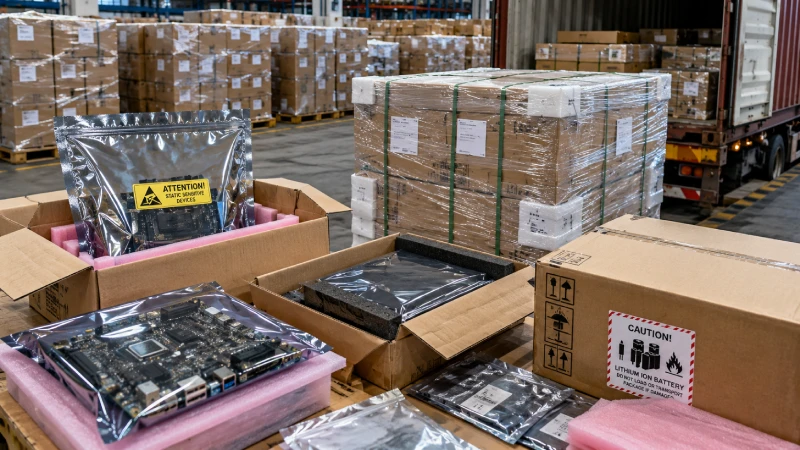
For electronics shipments, professional packaging often includes:
- Anti-static bags
- Shock-absorbing foam
- Reinforced outer cartons
- Corner protection
- Pallet wrapping
- Moisture barriers
LCL sea freight creates additional risk because cargo from different suppliers is loaded and unloaded repeatedly inside consolidation warehouses.
Heavy cargo placed next to fragile electronics can cause crushing damage during container movement.
Container heat exposure is another overlooked issue. Electronics moving through the Red Sea region may experience high temperatures inside containers, especially during summer months. Sensitive products can suffer from packaging deformation or internal component stress if insufficient protection is used.
Jeddah vs Dammam: Different Logistics Advantages
The entry port selected for Saudi imports affects delivery efficiency.
Jeddah is often preferred for western Saudi Arabia because it provides strong access to:
- Jeddah
- مكة المكرمة
- Medina
- Western distribution networks
Sea freight transit from China to Jeddah is usually shorter because of Red Sea routing advantages.
Dammam is more suitable for importers supplying Riyadh or the Eastern Province. Inland trucking distance is often reduced compared with western port routing.
However, congestion patterns differ between the two ports.
During Ramadan, pre-Eid retail seasons, and Hajj-related logistics peaks, Jeddah congestion can significantly affect customs processing and container release timelines.
Electronics importers planning promotional inventory should usually avoid booking too close to major Saudi seasonal demand periods.
Hidden Costs Electronics Importers Often Ignore
Electronics cargo frequently generates additional costs beyond basic freight charges.
Common hidden expenses include:
- Battery handling surcharges
- Airport security inspection fees
- SABER processing costs
- Customs examination fees
- Storage charges after inspection holds
- Volumetric weight increases from retail packaging
Volumetric weight is especially important for electronics because products are often lightweight but packaged in large cartons.
Air freight pricing is usually calculated using whichever is greater:
This means oversized retail packaging can dramatically increase air freight cost even if the actual cargo weight is low.
Experienced importers often redesign export carton sizes specifically for freight optimization rather than using standard retail carton structures.
How Professional Importers Reduce Electronics Shipping Risk
Importers with stable Saudi supply chains usually focus on consistency rather than chasing the lowest shipping quote.
Several strategies commonly reduce both delays and damage risks.
First, they prepare compliance documentation before cargo production is completed. This reduces customs risk later in the shipping process.
Second, they avoid vague product declarations. Clear descriptions such as “Bluetooth wireless earphones with built-in lithium battery” are far safer than generic labels like “electronics accessories.”
Third, they split cargo strategically.
Urgent inventory may move by air freight while bulk replenishment moves by sea. This reduces emergency shipping costs during stock shortages.
Finally, experienced importers plan around seasonal congestion. Shipping before Ramadan and peak retail periods often avoids inflated freight pricing and warehouse bottlenecks.
Final Thoughts
Shipping electronics from China to Saudi Arabia involves much more than booking freight space. Battery regulations, SABER compliance, packaging protection, customs classification, and seasonal congestion all directly affect delivery success.
For electronics importers, operational planning is often the difference between stable inventory flow and expensive delays.
Choosing the correct shipping method, preparing accurate compliance documents, and working with freight partners familiar with Saudi electronics imports can significantly reduce customs problems, cargo damage, and unexpected costs.
If your shipment includes batteries, sensitive electronic devices, or high-value commercial inventory, proper logistics preparation before cargo departure is usually far more important than finding the lowest freight rate.
