


Ship from China to the USA: Reliable Sea, Air & DDP Door-to-Door Freight Solutions
Overview
Shipping from China to the USA remains one of the world’s most active and strategically important trade lanes. Despite ongoing adjustments in global supply chains, the US continues to rely heavily on Chinese manufacturing for consumer goods, electronics, machinery, furniture, and industrial components. For US importers, choosing the right shipping method from China directly impacts landed cost, inventory planning, and delivery timelines.
In recent years, China–US trade has been influenced by tariff policies and periodic trade tensions. While additional duties under Section 301 tariffs still affect certain product categories, these issues mainly influence cost structure rather than shipment feasibility. From a logistics perspective, sea freight, air freight, express, and door-to-door shipping routes remain stable and well-established.
With mature port infrastructure, advanced customs systems, and strong inland transportation networks, the USA offers flexible routing options for shipments arriving from China. Successful shipping to the US depends less on complexity and more on choosing the right mode, compliance preparation, and destination strategy.
Estimated Shipping Cost & Transit Time
Shipping costs from China to the USA vary mainly by transport mode, cargo volume, origin/destination ports, and seasonal demand. Sea freight offers the lowest unit cost for large volumes, while air and express services are priced for speed and flexibility rather than economy. Market rates can fluctuate due to fuel surcharges, peak seasons, and carrier capacity adjustments.
Typical Cost & Transit Time
| Shipping Method | Transit Time (China → USA) | Cost Level | Best For |
|---|---|---|---|
| Sea Freight (FCL) | 18–35 days | Low | Full container, stable supply |
| Sea Freight (LCL) | 22–40 days | Medium | Small–medium shipments |
| Air Freight | 3–7 days | High | Urgent or high-value cargo |
| Express Shipping | 2–5 days | Very High | Samples, small parcels |
These figures are indicative only and should be used for planning comparisons rather than final budgeting. Final pricing depends on shipment details, destination inland delivery, and customs-related costs.
Related Reading:
Sea Freight Summary (FCL & LCL)
Sea freight is the primary shipping method from China to the USA, accounting for the majority of commercial cargo volumes. It offers the most cost-efficient solution for bulk goods, heavy cargo, and non-urgent shipments. Both Full Container Load (FCL) and Less than Container Load (LCL) services are widely available on this trade lane.
FCL shipping is typically preferred by US importers with stable volumes, as it provides better cost control, reduced handling risk, and faster port processing. LCL is suitable for smaller shipments but involves consolidation, deconsolidation, and longer transit times.
Major US West Coast ports provide the shortest ocean transit times, while East Coast and Gulf ports are often chosen based on inland delivery needs and congestion management. Selecting the right port and container type is a key cost and timing decision.
Related Reading:
Air Freight Summary
Air freight from China to the USA is designed for time-sensitive, high-value, or urgent shipments. It is commonly used for electronics, fashion items, spare parts, and products with strict delivery deadlines. While significantly more expensive than sea freight, it provides predictable transit times and frequent flight schedules.
Typical air freight transit time ranges from 3 to 7 days, including export handling and US arrival processing. Capacity and pricing are influenced by fuel costs, peak seasons, and cargo type, making early planning essential.
Most shipments arrive through major US air cargo hubs, which are well connected to domestic trucking networks. Air freight is often combined with inland trucking for final delivery to warehouses or distribution centers.
Related Reading:
Express Shipping (DHL / FedEx / UPS)
Express shipping from China to the USA is widely used for small, urgent, or high-value shipments where speed is the top priority. Major integrators such as DHL, FedEx, and UPS operate mature China–US networks with frequent departures and end-to-end tracking. This option is common for samples, replacement parts, and cross-border eCommerce parcels.
Transit time typically ranges from 2 to 5 working days, depending on pickup location and US destination. Pricing is calculated based on chargeable weight, with dimensional weight often determining final cost. Compared with air freight, express shipping offers faster door-to-door delivery but at a higher unit cost.
Customs clearance is usually handled by the courier under simplified procedures, making express shipping operationally convenient. However, it is less suitable for large volumes or cost-sensitive commercial cargo.
Related Reading:
Amazon FBA Shipping to the USA
The USA is the largest and most mature Amazon FBA market, making FBA shipping from China a common requirement for sellers. Shipments are typically routed by sea, air, or express, depending on inventory urgency and sales cycles. Proper routing and delivery appointment management are critical for smooth FBA inbound operations.
Sea freight is often used for replenishment shipments due to lower cost, while air and express services are chosen for launch inventory or urgent restocks. Cargo may be delivered directly to Amazon fulfillment centers or via US-based prep warehouses for labeling and palletization.
Successful FBA shipping depends on compliance with Amazon packaging, labeling, and carton requirements, as well as accurate customs documentation. Choosing an experienced forwarder helps reduce delays, chargebacks, and delivery rejections.
Related Reading:
Door-to-Door Shipping (DDP vs DAP)
Door-to-door shipping from China to the USA is commonly requested by importers who want predictable landed costs and simplified coordination. The two most used Incoterms are DDP (Delivered Duty Paid) and DAP (Delivered at Place), each allocating cost and risk differently. Choosing the right term depends on importer experience and compliance capability.
Under DDP, the shipper or forwarder manages freight, customs clearance, duties, and final delivery, offering maximum convenience for the US buyer. DAP transfers customs responsibility to the importer, often resulting in lower upfront freight cost but requiring a US-based importer of record.
Door-to-door solutions are available via sea, air, or express, with inland trucking completing the final leg. Clear cost breakdowns and compliance checks are essential to avoid unexpected charges.
Related Reading:
Customs Clearance Overview for the USA
All shipments from China to the USA must comply with US Customs and Border Protection (CBP) regulations. Clearance requirements vary by cargo type, value, and shipping method, but accurate documentation is essential in all cases. Commercial invoice, packing list, and transport documents form the basic clearance set.
For ocean freight, the Importer Security Filing (ISF 10+2) must be submitted before vessel departure from China. Failure to file correctly can result in fines, cargo holds, or exam delays. Air and express shipments follow different filing timelines but remain subject to CBP review.
US customs clearance typically requires a valid Importer of Record (IOR), customs bond, and correct HS classification. Working with an experienced forwarder helps minimize inspection risks and clearance delays.
Related Reading:
Import Licenses & Special Compliance (USA)
Certain products shipped from China to the USA are subject to additional import licenses, permits, or regulatory approvals beyond standard customs clearance. US authorities such as the FDA, FCC, DOT, EPA, and CPSC oversee different product categories, including food, medical devices, electronics, batteries, and children’s products. Identifying these requirements early helps avoid shipment holds and penalties.
Most consumer goods do not require an import license, but they must meet applicable safety, labeling, and testing standards. Missing certifications or incorrect declarations are common causes of customs inspections and delays.
For regulated cargo, pre-shipment compliance review is strongly recommended. Experienced forwarders can help verify documentation and coordinate with customs brokers before cargo arrival.
Inland Transportation in the USA (Truck & Rail)
Inland transportation is a critical part of shipping from China to the USA, as most cargo must move from ports or airports to inland warehouses, distribution centers, or Amazon fulfillment locations. Trucking is the most common option, offering flexible door delivery across all states. Rail is often used for long-distance moves from West Coast ports to Midwest and East Coast regions.
Intermodal rail can reduce costs for large volumes but involves longer transit times and fixed routing. Final delivery is typically completed by truck, making coordination between modes essential.
Choosing the right inland strategy helps balance cost, transit time, and congestion risks, especially during peak seasons. Port selection and final destination planning should always be considered together.
Quick Comparison Table (Time & Cost)
The table below provides a high-level comparison of the main shipping options from China to the USA. It is designed to support early decision-making rather than replace a detailed quotation. Actual cost and transit time depend on cargo details, routing, and seasonal conditions.
| Shipping Option | Transit Time | Cost Level | Typical Use Case |
|---|---|---|---|
| Sea Freight (FCL) | 18–35 days | Low | Full containers, stable supply |
| Sea Freight (LCL) | 22–40 days | Medium | Small to mid-sized shipments |
| Air Freight | 3–7 days | High | Urgent or high-value cargo |
| Express Shipping | 2–5 days | Very High | Samples, small parcels |
| Door-to-Door (DDP) | Mode-dependent | Medium–High | Simplified importing |
This comparison helps importers quickly align shipping methods with budget, urgency, and operational capacity. For precise planning, a route- and cargo-specific quote is always recommended.
Related Reading:
Key China & USA Ports / Airports
Choosing the right origin and destination gateways plays a major role in transit time, cost, and inland delivery efficiency. China–USA shipping benefits from multiple high-capacity ports and airports on both sides, allowing flexible routing based on cargo type and final destination.
Major China Export Gateways
-
Seaports: Shanghai, Ningbo, Shenzhen, Qingdao, Xiamen
-
Airports: Shanghai PVG, Shenzhen SZX, Guangzhou CAN, Hong Kong HKG
Major USA Entry Gateways
-
Seaports: Los Angeles / Long Beach, Oakland, New York–New Jersey, Savannah, Houston
-
Airports: Los Angeles LAX, Chicago ORD, New York JFK, Dallas DFW, Atlanta ATL
West Coast ports offer the fastest ocean transit from China, while East Coast and Gulf ports are often chosen to reduce inland trucking distances. Airport selection is usually driven by flight availability and proximity to final delivery points.
How to Ship from China to USA (6-Step Overview)
Shipping from China to the USA follows a structured process that remains consistent across most shipment types. At the pillar level, the focus is on decision flow rather than operational detail. Each step below represents a key checkpoint in successful international shipping.
Typical 6-Step Shipping Flow
-
Confirm cargo details, HS code, and compliance requirements
-
Select shipping method (sea, air, express, or door-to-door)
-
Book space and arrange export handling in China
-
Prepare customs documentation and regulatory filings
-
Complete US customs clearance and duties payment
-
Arrange inland delivery to final destination
This overview helps importers understand where costs, risks, and timing decisions occur. Detailed execution steps are best handled in dedicated guides or with professional support.
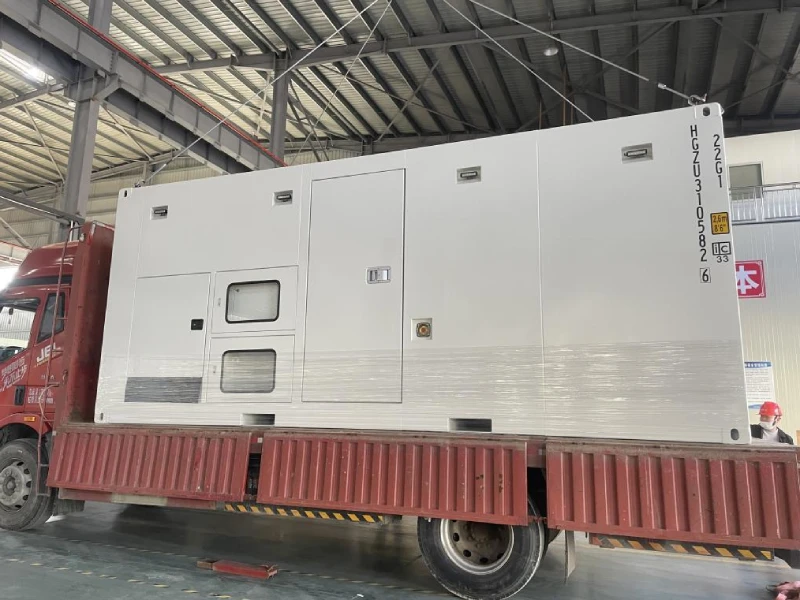
Shipping Examples from China to USA


FAQs
Transit time depends on the shipping method. Sea freight typically takes 18–40 days, air freight 3–7 days, and express shipping 2–5 working days.
Sea freight, especially FCL, is generally the most cost-effective option for commercial cargo. LCL is suitable for smaller volumes but has higher unit costs.
Yes, most shipments require a US-based Importer of Record with a valid customs bond. This is mandatory for standard customs clearance.
DDP shipping is possible, but it must be structured correctly with a compliant Importer of Record and proper duty payment. Improper DDP setups can lead to clearance risks.
Common documents include a commercial invoice, packing list, bill of lading or airway bill, and additional filings such as ISF for ocean freight.
