
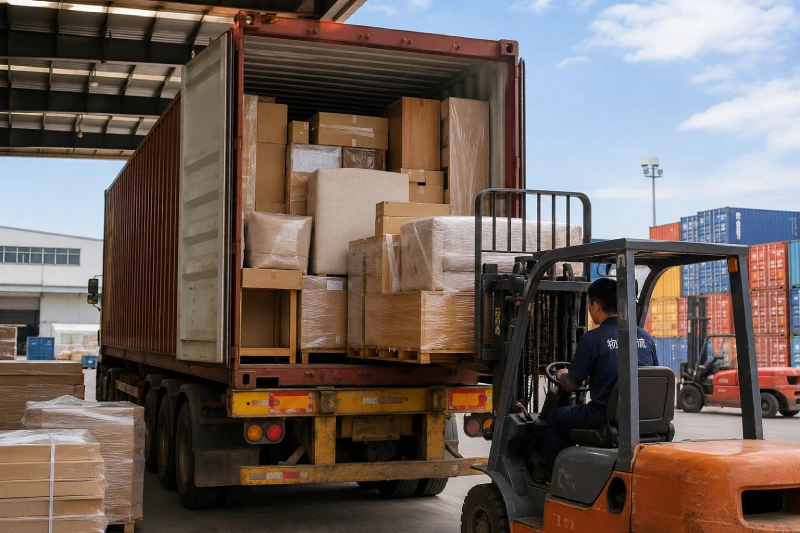
Furniture is one of the most challenging cargo categories in China–Saudi Arabia trade. Unlike compact consumer products, furniture shipments consume large container space long before reaching maximum cargo weight. A shipment may look small in quantity but still generate very high freight costs because carriers charge based on occupied volume rather than product value.
At the same time, furniture cargo is highly sensitive to pressure, moisture, rough handling, and delivery delays. A damaged sofa corner, scratched cabinet surface, or swollen wooden tabletop can turn an entire commercial shipment into a costly dispute. For Saudi Arabia importers, especially furniture retailers, hotel suppliers, project contractors, and e-commerce sellers, shipping strategy directly affects profit margins.
This is why experienced importers focus less on “cheapest freight rates” and more on container optimization, damage prevention, customs efficiency, and warehouse coordination.
Why Furniture Shipping to Saudi Arabia Becomes Expensive Faster Than Most Importers Expect
Many first-time importers underestimate how quickly furniture freight costs rise. The problem usually starts with cargo dimensions.
Furniture products such as sofas, wardrobes, dining tables, and office partitions occupy large container volume even when the actual cargo weight remains relatively low. This creates poor container utilization and increases freight cost per CBM dramatically.
For example, assembled furniture often wastes vertical container space. A container may reach full capacity at only 60–70% weight utilization. In Saudi Arabia routes where ocean freight prices fluctuate during peak seasons, inefficient loading can significantly increase landed costs.
Another common issue is partial container usage. Many importers order mixed furniture SKUs from several factories across China. If consolidation is poorly coordinated, the shipment may require additional warehouse handling, repacking, or split container bookings, which adds hidden operational costs.
Damage risk also increases with furniture diversity. Upholstered furniture, glass-top tables, marble surfaces, and wooden cabinets all require different loading and protection methods. Combining incompatible cargo types inside one container often leads to scratches, compression damage, or moisture exposure during transit.
Choosing the Right Shipping Model for Furniture Cargo
Furniture shipping decisions should not be based only on shipment size. Cargo structure matters more.
For stable commercial orders, full container load (FCL) shipping usually provides better cargo protection and lower risk. The container stays sealed from factory loading until Saudi destination unloading, reducing repeated handling during transit.
This is especially important for premium furniture shipments where cosmetic damage can affect resale value.
However, many Saudi buyers source from multiple Chinese suppliers simultaneously. In these cases, consolidation becomes necessary. A professional consolidation strategy can reduce freight cost, but furniture cargo is far less forgiving than standard cartons.
In LCL environments, cargo from multiple shippers is loaded together. Heavy cargo may be stacked near furniture items, increasing crush damage risk. Poor warehouse handling during consolidation is one of the biggest causes of claims for furniture shipments.
Flat-pack furniture generally performs better in consolidation environments because the cargo structure is more compact and stable. This is why many Saudi furniture retailers prefer KD (knock-down) furniture designs for imports from China.
Project furniture shipments operate differently. Hotel furniture, restaurant seating, office systems, and villa furnishing projects usually require phased delivery schedules rather than single bulk shipments. In these cases, freight planning becomes part of the project timeline itself.
Container Loading Strategies That Reduce Damage and Lower Freight Costs
Container loading is one of the most overlooked parts of furniture logistics.
Experienced exporters design loading plans before the container even arrives at the factory. The goal is not simply fitting more cargo inside. The goal is protecting cargo while maximizing usable cube space.
For bulky furniture, pallet-free loading is often used to increase loading efficiency. Sofas and assembled cabinets may be wrapped directly and loaded strategically to reduce wasted space. However, this method requires careful weight distribution inside the container.
Improper loading sequence creates major unloading problems in Saudi Arabia warehouses. If fragile furniture is blocked behind heavy cargo, warehouse teams may need repeated repositioning during unloading, increasing both labor cost and damage risk.
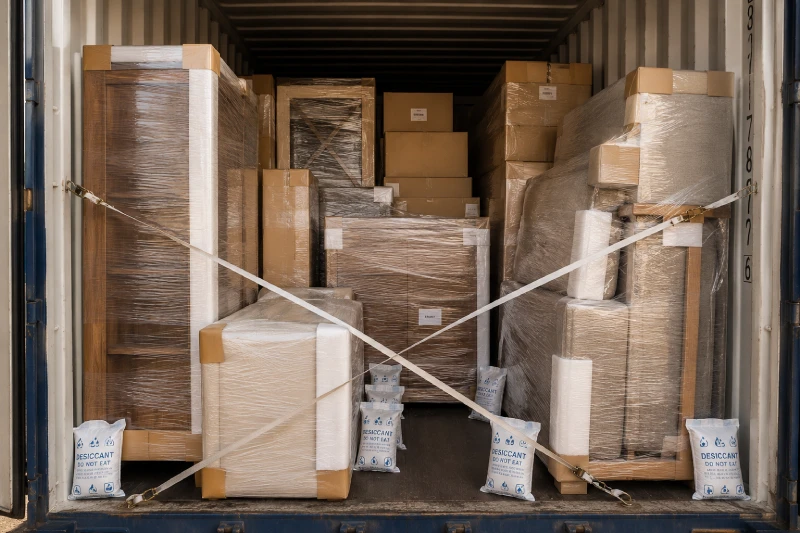
Another common issue is insufficient securing inside containers. Saudi-bound containers often experience long transit durations and multiple port handling stages. Without proper straps, airbags, or internal bracing, furniture movement inside the container becomes unavoidable.
Professional furniture exporters also leave limited airflow gaps inside containers to reduce condensation buildup, especially for wooden products.
Moisture, Heat, and Dust Risks During China to Saudi Arabia Transit
Furniture cargo faces environmental risks throughout the shipping process.
Wooden furniture is particularly vulnerable to moisture fluctuations. Containers traveling through humid loading regions in China and then moving toward hot Gulf environments often experience condensation inside the container.
This phenomenon, sometimes called “container rain,” can damage wooden surfaces, fabrics, and packaging materials. Moisture absorption may lead to swelling, mold spots, or surface deformation before cargo even reaches Saudi Arabia.
The risk increases during seasonal weather transitions and long port waiting periods.
To reduce these problems, exporters commonly use moisture barriers, desiccant bags, vacuum wrapping, and reinforced carton protection. High-end furniture shipments may also use individual foam edge protection and anti-scratch layering systems.
Dust exposure is another operational issue during final delivery inside Saudi Arabia, especially for open warehouse environments or construction project deliveries. Protective outer wrapping should remain intact until the final unloading stage whenever possible.
Shipping Furniture to Jeddah vs Dammam
Saudi Arabia port selection affects both delivery speed and inland distribution costs.
Jeddah is typically preferred for western Saudi Arabia distribution, including Riyadh project cargo routed through western logistics channels. It also handles a large portion of commercial imports and furniture retail cargo.
However, congestion risks can rise significantly during Ramadan periods and before Hajj-related logistics peaks. Importers operating on tight showroom launch schedules should consider buffer transit time during these seasons.
Dammam is usually more suitable for eastern Saudi Arabia deliveries and industrial project zones. For some importers, inland trucking from Dammam can provide better access to eastern commercial areas.
The final delivery environment also matters. Furniture shipments often require specialized unloading support, especially for residential villas, shopping malls, hotels, and commercial buildings.
Unlike palletized industrial cargo, furniture frequently requires manual positioning, floor protection, elevator coordination, and appointment-based unloading. These factors increase final delivery complexity compared with standard freight cargo.
SABER, SASO, and Customs Inspection Risks
Furniture importers into Saudi Arabia should not assume all products clear customs equally.
Some furniture categories may require additional compliance review depending on materials, electrical components, or product usage. Incorrect HS code declaration is one of the most common causes of customs delays.
For example, furniture containing lighting systems, electronic adjustment mechanisms, or mixed-material structures may trigger additional inspection attention.
Importers should also verify whether SABER registration requirements apply before shipment departure. Delayed compliance processing after cargo arrival can create demurrage and storage costs quickly.
Another common issue involves inaccurate commercial invoice descriptions. Generic descriptions such as “wood products” or “home furniture” may create inspection complications. Saudi customs authorities typically prefer detailed and commercially realistic descriptions.
Import VAT and duty calculations should also be reviewed carefully during quotation evaluation. Some importers focus only on freight cost and underestimate total landed cost exposure.
Hidden Costs Furniture Importers Often Miss
Furniture logistics contains multiple hidden operational costs beyond ocean freight itself.
Destination port handling charges for bulky cargo are usually higher than importers expect. Large furniture pieces often require additional labor during unloading and terminal handling.
Residential delivery costs inside Saudi Arabia can also escalate quickly. Deliveries involving upper floors, restricted access buildings, or specialized unloading equipment may generate additional charges outside standard freight quotations.
Storage risk is another overlooked issue. Furniture cargo occupies large warehouse volume, so delays in customs clearance or warehouse readiness can create significant storage expenses within a short time.
Experienced importers typically coordinate warehouse availability before vessel arrival instead of after customs release.
Is DDP Shipping Suitable for Furniture Imports?
DDP shipping is attractive for many Saudi furniture buyers because it simplifies operational management. For importers without local customs experience, DDP can provide clearer budgeting and fewer coordination tasks.
However, furniture cargo creates special challenges for DDP arrangements.
Bulky cargo generates variable destination costs, especially for final delivery and unloading. If shipment dimensions or access conditions differ from original booking information, unexpected charges may appear later.
DDP is usually more suitable for standardized commercial deliveries with predictable cargo structures and warehouse destinations.
For project cargo, mixed suppliers, or oversized furniture items, partial-control shipping models may offer better transparency.
Importers should also confirm exactly which costs are included in DDP quotations, especially customs duties, VAT, unloading fees, and final positioning services.
How Experienced Furniture Importers Reduce Freight Risk
Experienced Saudi furniture importers rarely focus on freight price alone. Their main priority is shipment stability.
Many avoid peak-season vessel congestion by booking earlier production schedules instead of chasing last-minute freight deals. Others reduce container inefficiency by consolidating compatible furniture categories together rather than mixing unstable cargo types.
Some large buyers also coordinate customs documentation before factory loading begins. Early document verification reduces clearance delays significantly once the cargo reaches Saudi Arabia.
Insurance selection is equally important for furniture cargo. Standard freight compensation often does not fully cover cosmetic damage or resale losses. High-value furniture shipments usually require customized cargo insurance coverage.
Finally, successful importers treat freight forwarding as part of inventory planning rather than a separate transportation step. In furniture logistics, operational coordination often determines profitability more than freight rates themselves.
For related Saudi shipping resources, importers should also review:
