
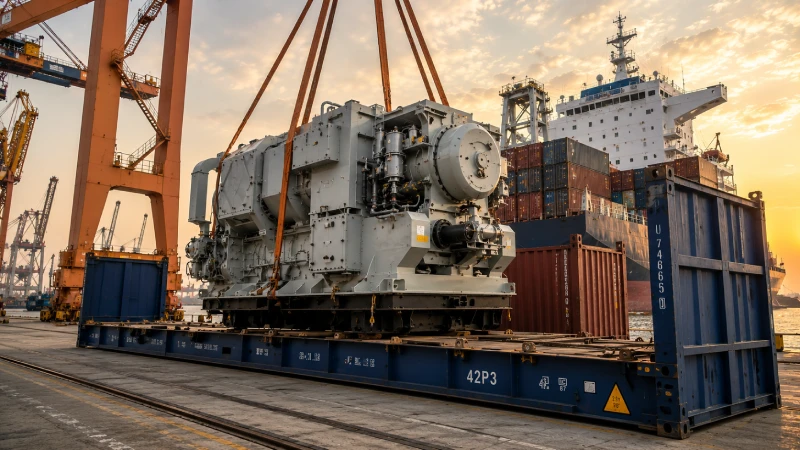
Saudi Arabia continues to import large volumes of industrial machinery from China for manufacturing, construction, energy, packaging, and infrastructure projects. But machinery shipping is very different from standard cargo transportation. Once cargo becomes oversized, overweight, high-value, or installation-sensitive, the logistics process becomes far more operationally complex.
For Saudi importers, delays are rarely caused by ocean transit alone. Most problems happen during cargo loading, customs inspection, inland delivery, or handling at Saudi ports. A poorly planned machinery shipment can easily generate unexpected crane charges, customs holds, storage fees, or even cargo damage before reaching the final site.
This is why machinery shipping from China to Saudi Arabia requires a freight strategy that combines cargo engineering, customs planning, and Saudi local delivery coordination.
Why Machinery Shipments Require Specialized Freight Planning
Industrial machinery is rarely “standardized cargo.” Every shipment behaves differently depending on dimensions, center of gravity, fragility, electrical systems, and installation requirements.
A compact CNC machine shipped to Riyadh has completely different logistics requirements compared to a 25-ton construction machine moving to Dammam or a full production line being delivered to Jeddah Industrial City.
In many cases, the shipping method is decided not by freight cost, but by operational limitations such as:
- Port crane capacity
- Container weight restrictions
- Road transport permits
- Factory unloading conditions
- Customs inspection accessibility
- Machine protection requirements
Saudi buyers also face additional pressure because many imported machines are tied directly to factory production schedules or construction deadlines. If cargo arrives late or damaged, the financial impact can be much larger than the freight cost itself.
Choosing the Right Shipping Method for Industrial Machinery
The best shipping method depends on machinery dimensions, urgency, and delivery conditions inside Saudi Arabia.
Smaller industrial machines are often shipped inside standard 20GP or 40HQ containers. This works well for packaging machinery, automation systems, textile equipment, and smaller production units.
However, oversized machinery usually requires specialized equipment such as:
- Flat rack containers
- Open top containers
- Breakbulk shipping
- RoRo transport for wheeled equipment
For example, large generators, steel processing equipment, or excavators often exceed normal container height or weight limits. In these situations, freight forwarders must calculate lifting points, lashing methods, and cargo distribution before booking space.
Air freight is normally reserved for urgent machine components rather than complete equipment. Saudi factories frequently use air shipping when production downtime becomes more expensive than transportation costs. Servo motors, control systems, hydraulic parts, and replacement components are common examples.
Importers comparing transport methods should also review:
- Shipping Cost from China to Saudi Arabia
- Air Freight from China to Saudi Arabia
- Sea Freight from China to Saudi Arabia
These logistics decisions directly affect customs handling, inland delivery feasibility, and total landed cost.
Machinery That Commonly Causes Problems at Saudi Ports
Not all machinery moves smoothly through Saudi ports. Certain cargo categories receive more inspections or handling complications.
Used machinery is one of the highest-risk categories. Saudi customs may request:
- Manufacturing year verification
- Technical specifications
- Country of origin confirmation
- Serial number inspection
- Additional valuation review
If documentation is incomplete, customs clearance may slow significantly.
Oversized cargo also creates operational challenges at ports like Jeddah Islamic Port or King Abdulaziz Port in Dammam. Some heavy equipment requires special discharge arrangements, additional cranes, or temporary yard storage before inland trucking becomes available.
Another common issue involves machines packed without inspection access. Saudi customs officers may request partial unpacking during inspection. If cargo is heavily welded or inaccessible, re-handling charges can become expensive.
Experienced exporters usually prepare machinery crates with inspection-friendly designs that allow customs access without fully dismantling the cargo.
Container Loading Strategy Matters More Than Many Importers Expect
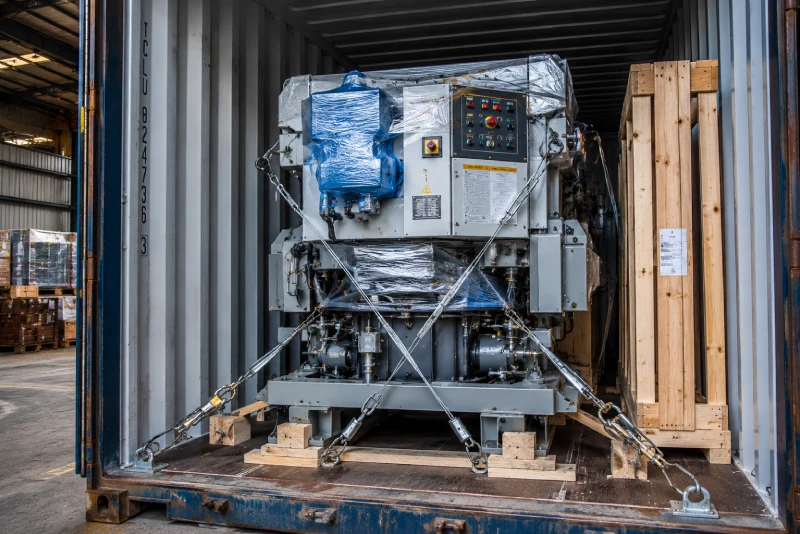
Machinery damage often happens long before cargo reaches Saudi Arabia.
Long sea transit from China to the Gulf region exposes cargo to:
- Constant vibration
- Salt air corrosion
- Humidity
- Container shifting
- Sudden crane impacts during transshipment
Improper loading is one of the biggest causes of machinery claims.
Professional machinery exporters typically reinforce cargo using:
- Steel brackets
- Heavy-duty wood crating
- Vacuum moisture protection
- Anti-rust wrapping
- Internal blocking systems
- Shock absorption supports
Hydraulic machinery requires additional attention because oil leakage can trigger customs or carrier issues. Sensitive electrical control cabinets also need moisture protection, especially during summer Gulf temperatures.
Container weight distribution is another overlooked factor. Uneven cargo loading can create lifting risks during container handling at both Chinese and Saudi ports.
For high-value machinery, cargo insurance is strongly recommended, especially for project cargo or multi-container production lines.
SABER and Saudi Customs Risks Machinery Buyers Often Underestimate
Saudi Arabia has become stricter on imported industrial products in recent years.
Depending on the machinery category, importers may need:
- SASO compliance
- SABER registration
- Technical conformity documents
- Product certificates
- Arabic documentation
Many first-time buyers assume customs clearance can be handled after vessel arrival. In reality, missing SABER approvals can stop cargo before release.
HS code accuracy is equally important. Machinery classification errors can lead to:
- Duty recalculation
- Customs delays
- Inspection escalation
- Additional documentation requests
Saudi customs authorities also frequently compare invoice values with market benchmarks for industrial equipment. Under-declared cargo values may trigger valuation disputes.
Before shipment, importers should coordinate closely with suppliers and freight forwarders to confirm:
- HS codes
- Machine specifications
- Voltage details
- Country of origin data
- Packaging lists
- Compliance documentation
Buyers unfamiliar with Saudi procedures should also review Customs Clearance in Saudi Arabia before shipment departure.
Jeddah vs Dammam: Which Port Is Better for Machinery Imports?
The destination port can significantly affect delivery efficiency and inland transport cost.
Jeddah is often preferred for western Saudi Arabia projects, including:
- Makkah region
- Jeddah factories
- Red Sea industrial zones
- Western construction projects
Dammam is usually more efficient for:
- Riyadh deliveries
- Eastern Province factories
- Oil & gas projects
- Industrial zones near Jubail
For oversized machinery, inland trucking distance becomes extremely important. Heavy cargo transportation inside Saudi Arabia may require:
- Escort vehicles
- Road permits
- Night transport approvals
- Crane coordination at delivery sites
A shipment that appears cheaper at one port may ultimately cost more after inland trucking and permit fees are included.
This becomes especially important for flat rack or breakbulk cargo moving to inland industrial projects.
Hidden Costs in Machinery Shipping
Machinery shipping quotations often look competitive at first glance, but many operational costs are excluded from base freight rates.
Common hidden costs include:
- Port storage fees
- Customs inspection handling
- Crane discharge charges
- Flat rack detention
- Cargo re-packing after inspection
- Heavy trucking permits
- Site unloading equipment
Saudi inland delivery is particularly expensive for oversized cargo because specialized low-bed trailers are limited in availability.
Importers also underestimate seasonal congestion risks. During Ramadan and pre-Hajj periods, port operations and trucking schedules may slow considerably.
Experienced buyers usually reserve transport capacity early when shipping project cargo during peak periods.
Is DDP Shipping Practical for Machinery to Saudi Arabia?
DDP shipping can simplify the process for Saudi buyers, but machinery cargo introduces additional risks.
For smaller standard equipment, DDP may work efficiently because the freight forwarder manages:
- Customs clearance
- Duty payments
- Inland delivery
- Import coordination
However, oversized machinery often creates complications under DDP terms.
Some Saudi import licenses cannot easily be handled by third-party importers. In addition, unexpected customs inspections or project-site delivery challenges may create disputes over responsibility.
Low-cost DDP quotations can also hide operational exclusions such as:
- Crane unloading
- Site installation
- Customs inspection fees
- Permit costs
- Re-delivery charges
Saudi importers should carefully verify exactly what the DDP quotation includes before confirming shipment.
For buyers comparing shipping terms, reviewing DDP Shipping to Saudi Arabia can help clarify operational responsibilities.
How Experienced Importers Reduce Machinery Shipping Risks
Experienced Saudi machinery buyers rarely wait until cargo is finished before planning logistics.
Instead, they coordinate freight strategy during production itself. This allows enough time for:
- SABER preparation
- Crating design
- Lifting analysis
- Port booking
- Inland transport permits
- Delivery site preparation
Pre-shipment inspections are also common for expensive industrial equipment. These inspections confirm:
- Machine condition
- Export packaging quality
- Container securing
- Documentation consistency
For production lines or project cargo, some importers even send unloading photos and site dimensions to freight forwarders before cargo departure. This helps avoid delivery failures after arrival.
The most successful machinery shipments are usually the result of early operational coordination rather than last-minute freight booking.
Final Thoughts
Shipping machinery from China to Saudi Arabia is far more than simply booking sea freight. Once cargo becomes heavy, oversized, high-value, or installation-sensitive, logistics planning becomes a critical part of the project itself.
Saudi importers who focus only on freight price often face unexpected costs later through customs delays, cargo damage, storage fees, or inland delivery complications.
A properly planned machinery shipment considers:
- Cargo handling requirements
- Saudi compliance regulations
- Port selection
- Container engineering
- Delivery-site limitations
- Seasonal congestion risks
For industrial buyers, the goal is not simply moving cargo cheaply. The real objective is ensuring machinery arrives safely, clears customs efficiently, and reaches the project site without operational disruption.
