
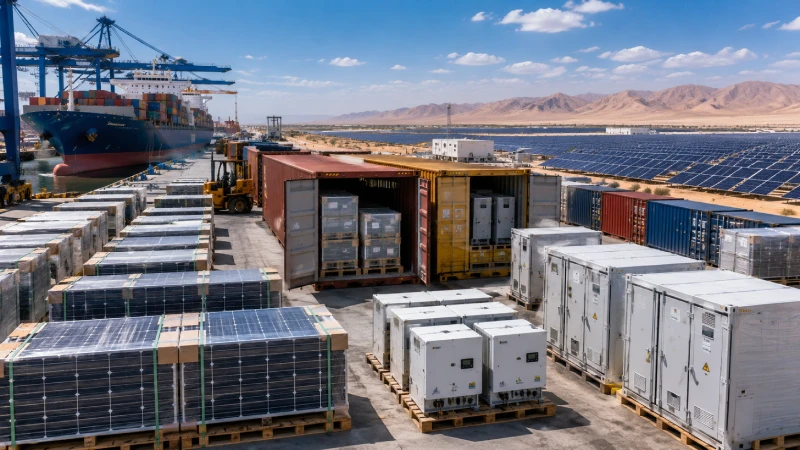
Saudi Arabia is rapidly expanding its renewable energy sector as part of Vision 2030, creating strong demand for imported solar equipment. From utility-scale solar farms to commercial rooftop installations and residential energy storage projects, a large portion of the equipment used in Saudi Arabia is sourced from China.
For importers, however, shipping solar products is not as straightforward as shipping ordinary consumer goods. A typical solar shipment may include fragile photovoltaic panels, high-value inverters, lithium battery systems, mounting structures, cables, and electrical accessories. Each product category presents different transportation, compliance, and handling challenges.
Whether you are a solar distributor, EPC contractor, project developer, or industrial buyer, understanding the logistics realities behind solar imports can help reduce costs, avoid delays, and protect valuable cargo.
Saudi Arabia’s Solar Market Is Changing How Solar Cargo Is Shipped
Unlike many traditional imports, solar equipment is often purchased as part of a complete energy solution rather than as standalone products. A single project may involve multiple suppliers producing panels, inverters, batteries, and mounting systems in different regions of China.
This means logistics planning becomes a critical part of project execution.
Large utility-scale projects usually prioritize delivery coordination and construction schedules. Commercial solar installers focus on balancing inventory costs against installation timelines. Residential distributors often need smaller but more frequent shipments to maintain stock availability.
As a result, successful solar logistics strategies are driven by project requirements rather than simply choosing the cheapest freight option.
Choosing the Right Shipping Strategy Based on Solar Product Type
Different solar products require different freight planning approaches.
Shipping Solar Panels
Solar panels occupy significant container space but are relatively lightweight compared with industrial machinery or construction materials. The primary concern is preventing physical damage during transportation.
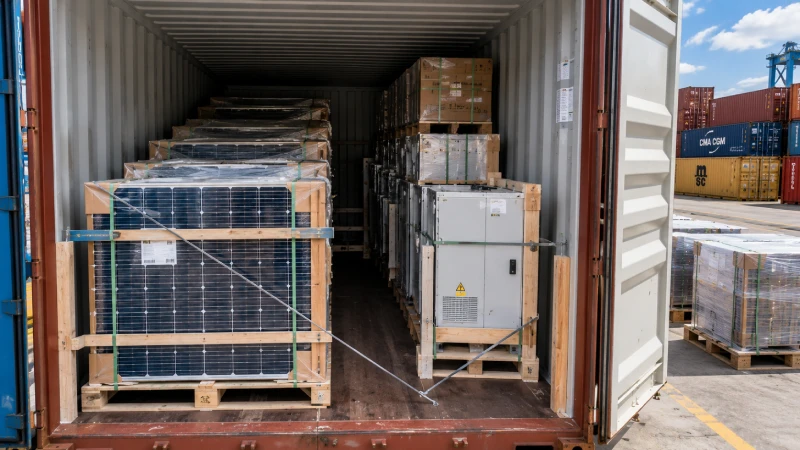
Because ocean freight costs are closely tied to container utilization, most panel shipments are planned around Full Container Load (FCL) transportation. Proper stacking methods, pallet protection, and container loading plans help maximize container capacity while minimizing the risk of breakage.
Shipping Solar Inverters
Inverters are smaller and easier to transport, but they often represent a significant portion of the shipment’s total value.
Because of their high value, importers should pay close attention to cargo insurance, security measures, and customs documentation accuracy. Even minor discrepancies in product descriptions or HS codes can result in customs inspections.
Shipping Battery Energy Storage Systems
Battery storage systems introduce additional complexity because lithium batteries are subject to international transportation regulations.
Most battery shipments require UN38.3 testing reports, MSDS documentation, and specialized packaging. Carrier approval procedures may also affect transportation timelines.
Shipping Complete Solar System Kits
Many EPC contractors prefer consolidating equipment from multiple suppliers into a single shipment.
This approach can reduce transportation costs, simplify customs clearance, and improve project management. However, it requires careful coordination to ensure all suppliers meet production and loading schedules.
How Experienced Importers Build Cost-Efficient Solar Containers
One of the most common mistakes among new importers is focusing solely on freight rates.
Experienced solar buyers focus on total landed cost instead.
For example, maximizing the number of solar panels loaded into a container can reduce transportation costs per watt. However, reducing protective packaging simply to fit more cargo can increase the likelihood of damage and ultimately cost more.
Many experienced importers also combine mounting systems, electrical accessories, and installation hardware within the same container whenever possible. This reduces overall shipping costs and simplifies project logistics.
For larger orders, FCL shipping is often more economical than multiple LCL shipments. Buyers comparing transportation budgets should understand current Shipping Cost from China to Saudi Arabia before deciding how to structure solar equipment purchases.
The Biggest Risks That Cause Solar Cargo Damage During Transit
Solar cargo often arrives looking intact, yet hidden damage may only become apparent during installation or system testing.
Micro-Cracks in Solar Panels
Micro-cracks are one of the most expensive hidden issues in solar logistics.
These tiny fractures may not be visible during unloading but can reduce panel performance and long-term energy output. Excessive vibration, improper stacking, and rough handling are common causes.
Container Shifting During Ocean Transit
Solar cargo may spend several weeks at sea.
Without proper blocking and bracing, pallets can shift during vessel movement, creating pressure points that damage panel frames, glass surfaces, or packaging structures.
Heat Exposure
Saudi Arabia’s climate creates additional challenges.
Solar batteries and electronic components can be exposed to elevated temperatures during port storage, customs inspections, or inland transportation. Proper packaging and scheduling help reduce thermal exposure risks.
Insurance Considerations
Many importers underestimate the value of cargo insurance until a problem occurs.
Given the high value of inverters, battery systems, and complete solar projects, comprehensive insurance coverage is often a worthwhile investment.
SABER, SASO, and Compliance Requirements for Solar Imports into Saudi Arabia
Compliance issues frequently create greater delays than transportation itself.
Saudi Arabia has implemented increasingly strict conformity requirements through the SABER platform and SASO regulations. Depending on the product category, importers may need product certification and conformity documentation before customs clearance can proceed.
A common mistake is waiting until cargo arrives before verifying compliance requirements.
Importers should ensure all necessary documentation is prepared before goods leave China. Missing certificates, inconsistent product descriptions, incorrect HS codes, and supplier information discrepancies are among the most common causes of customs delays.
Companies unfamiliar with Saudi import procedures should review the full Customs Clearance from China to Saudi Arabia process before arranging shipments.
Shipping Solar Batteries from China to Saudi Arabia: What Importers Often Overlook
Battery shipments require significantly more preparation than standard solar equipment.
Many importers focus on freight costs but overlook regulatory requirements that can impact transportation schedules.
UN38.3 testing reports, MSDS documentation, battery specifications, and approved packaging are often required before carriers will accept shipments.
Battery transportation also differs from panel transportation in another important way: carrier restrictions.
Certain airlines impose strict limitations on lithium battery cargo. In some situations, air transportation may not be available, while in others, additional approval procedures may be required.
For urgent replacement batteries or critical project components, importers should carefully evaluate available Air Freight from China to Saudi Arabia options and confirm carrier requirements before finalizing project schedules.
Jeddah vs Dammam: Which Saudi Entry Port Makes More Sense?
Choosing the right entry port can significantly impact total logistics costs.
Jeddah Islamic Port
Jeddah is often the preferred gateway for projects located in western Saudi Arabia.
Solar installations serving Mecca, Medina, Yanbu, and nearby regions generally benefit from shorter inland transportation routes through Jeddah.
King Abdulaziz Port Dammam
Dammam provides strong access to Riyadh, Jubail, Dammam, and the Kingdom’s eastern industrial corridor.
Many industrial solar projects and commercial energy installations use Dammam because of its proximity to major manufacturing and logistics hubs.
Rather than comparing ocean freight rates alone, importers should evaluate complete door-to-site transportation costs before selecting a port.
How EPC Contractors Manage Large Solar Shipments
Large solar projects require a different logistics strategy from routine commercial imports.
Instead of shipping all equipment at once, many EPC contractors use phased delivery schedules aligned with construction progress.
This approach reduces warehousing costs and prevents project sites from becoming congested with equipment that cannot yet be installed.
Supplier coordination is equally important.
If mounting structures arrive weeks before panels, or battery systems are delayed while inverters are already on-site, project schedules can quickly become disrupted.
Professional logistics planning ensures equipment arrives in the correct sequence and supports smooth project execution.
When DDP Shipping Makes Sense for Solar Equipment Imports
DDP shipping can be an attractive solution for importers with limited logistics experience.
Under a DDP arrangement, the freight provider manages transportation, customs clearance, duties, taxes, and final delivery.
This approach is often suitable for first-time solar distributors, commercial installers, and buyers without dedicated import teams.
However, DDP is not always the most cost-effective option.
Large importers with established customs processes often achieve lower landed costs by managing certain logistics functions internally.
Before choosing a shipping model, buyers should compare the benefits and limitations of DDP Shipping from China to Saudi Arabia against alternative arrangements such as FOB or CIF.
Peak Season Risks for Solar Imports into Saudi Arabia
Solar logistics is affected by broader supply chain conditions throughout the year.
Chinese manufacturing peaks, vessel space shortages, and fluctuations in freight demand can all affect transportation schedules and costs.
Saudi-specific factors also play an important role.
During Ramadan and Hajj periods, customs processing, trucking capacity, and warehouse operations may experience temporary disruptions. Importers with time-sensitive projects should account for these seasonal factors when planning procurement schedules.
To reduce risk, many experienced buyers secure production slots and freight bookings well in advance.
Reviewing current Shipping Time from China to Saudi Arabia estimates before confirming installation schedules can help prevent costly project delays.
A Practical Shipping Decision Framework for Solar Importers
There is no single shipping solution that works for every solar importer.
Distributors importing rooftop systems typically benefit from consolidated sea freight shipments that balance cost efficiency and inventory availability.
Battery importers should prioritize compliance planning and carrier selection before focusing on freight rates.
Utility-scale solar developers generally require integrated project logistics strategies that include supplier coordination, phased deliveries, and detailed shipment tracking.
For most solar equipment, Sea Freight from China to Saudi Arabia remains the most economical transportation method. Air freight is generally reserved for urgent spare parts, replacement equipment, or critical project components where delivery speed outweighs transportation cost.
The most successful solar importers are rarely those paying the lowest freight rate. They are the companies that combine compliance preparation, container optimization, supplier coordination, risk management, and logistics planning into a single strategy.
As Saudi Arabia continues expanding its renewable energy sector, efficient logistics will become an increasingly important competitive advantage for solar distributors, EPC contractors, and project developers sourcing equipment from China.
