
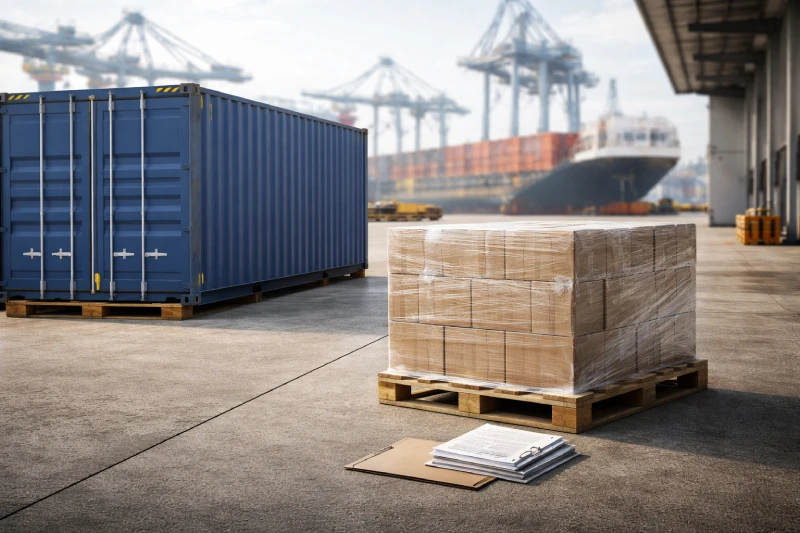
DDP shipping stands for Delivered Duty Paid, one of the official trade terms defined under Incoterms 2020. In simple terms, DDP means the seller is contractually responsible for delivering goods to the buyer’s specified destination, including arranging transportation and completing required import formalities.
Under DDP, the seller assumes the broadest contractual responsibility within the Incoterms framework. This includes organizing export procedures, arranging international freight, managing import clearance, and ensuring applicable duties are settled before delivery. In practice, these tasks are typically carried out through appointed freight forwarders or logistics providers, while the seller remains responsible under the sales contract.
Because of this structure, DDP shipping is often chosen when buyers prefer simplicity and centralized responsibility in cross-border transactions. Rather than coordinating multiple service providers directly, the buyer relies on the seller to ensure the goods arrive ready for receipt at the agreed destination.
What Does Delivered Duty Paid Mean in Simple Terms?
Delivered Duty Paid (DDP) means that the seller is contractually responsible for ensuring the goods arrive at the agreed destination and that required import formalities are completed before delivery. In practical terms, the buyer receives the shipment ready for receipt without needing to arrange international transport or manage customs clearance directly.
Under DDP, the delivery obligation extends to the named place specified in the sales contract. The seller must coordinate export procedures, international freight, and import processing so that the goods can be handed over in the destination country according to the agreed terms.
Although the seller holds this contractual responsibility, the operational steps are typically carried out through appointed freight forwarders or logistics providers. The key point is not who physically moves the cargo, but who remains responsible under the contract until delivery is completed.
DDP is one of the standardized rules defined under Incoterms 2020, designed to clearly allocate responsibility in international transactions.
Who Is Responsible Under DDP Shipping?
Under DDP shipping, the seller is contractually responsible for managing the shipment from origin to the agreed place of delivery. This means the seller remains accountable under the sales contract for arranging transportation, completing export procedures, and ensuring import formalities are finalized before the goods are handed over.
While the seller holds this responsibility, the operational execution is typically carried out through freight forwarders, carriers, or customs brokers. The key distinction under DDP is not who physically moves the cargo, but who bears responsibility and risk until delivery is completed.
What the Seller Is Responsible For
Under a standard DDP structure, the seller is responsible for coordinating export clearance, arranging international freight, managing import processing, and ensuring the shipment reaches the named destination. The seller also retains risk associated with the goods until delivery takes place at the agreed location.
These responsibilities are often fulfilled through appointed logistics providers, but contractual accountability remains with the seller throughout the process.
What the Buyer Is Responsible For
The buyer’s role under DDP is primarily to receive the goods at the agreed destination. In practice, the buyer may still need to provide required import information or documentation to facilitate clearance, depending on local regulations.
However, the buyer does not arrange international transportation or assume primary responsibility for import procedures under a standard DDP agreement.

What Is Included in DDP Shipping
At a high level, DDP shipping covers the full scope of international delivery responsibilities up to the agreed destination. The seller is contractually responsible for ensuring that the goods can be legally exported from the country of origin, transported internationally, and cleared for import in the destination country before final delivery.
This includes arranging transportation, coordinating export documentation, managing import formalities, and ensuring that applicable duties are addressed prior to handover. The emphasis under DDP is not on the physical sequence of steps, but on the comprehensive responsibility framework that remains with the seller until delivery is completed.
The goods are delivered to the named place specified in the contract, ready for receipt by the buyer. While logistics providers typically carry out the operational tasks, the seller retains accountability for the shipment throughout the cross-border process.
When Do Companies Choose DDP Shipping?
Companies choose DDP shipping when they want to centralize cross-border responsibility within a single contractual structure. Rather than dividing transportation, customs clearance, and regulatory coordination between multiple parties, DDP allows the seller to retain accountability through to the agreed delivery point.
DDP is commonly selected when buyers prioritize predictability in international transactions. By consolidating responsibility under the seller, the buyer reduces direct involvement in export documentation, freight coordination, and import formalities. This structure can be particularly valuable when the buyer prefers to focus on inventory planning, distribution, or sales operations rather than managing cross-border compliance.
It is also chosen in situations where simplifying communication channels is important. Instead of coordinating with multiple logistics providers and customs intermediaries independently, the buyer interacts primarily with the seller, who remains contractually responsible for delivery.
In short, DDP is typically used when risk transfer and operational centralization are more important than direct control over each stage of the shipping process.
Is DDP Shipping the Best Option for Buyers?
Whether DDP shipping is the best option depends on how a buyer prefers to structure responsibility and control within an international transaction. The key consideration is not simply convenience, but how risk allocation, administrative workload, and operational oversight are managed between the contracting parties.
When DDP May Be the Right Choice
DDP may be appropriate when a buyer prefers to transfer primary responsibility for cross-border logistics to the seller. If reducing direct involvement in customs coordination and transportation management is a priority, DDP offers a clear contractual structure where the seller remains accountable until delivery is completed.
It can also be suitable when buyers value a single point of contractual responsibility rather than dividing tasks among multiple service providers.
When Buyers May Prefer Alternative Structures
DDP may be less suitable when a buyer wants direct control over import procedures, freight negotiations, or regulatory compliance. In situations where the buyer has established logistics partnerships or in-house customs expertise, alternative trade terms may provide greater operational flexibility.
Ultimately, the decision depends on how much responsibility the buyer wishes to retain versus transfer under the sales contract.
Why Is DDP Shipping Often Seen as Expensive?
DDP shipping is often perceived as expensive because it concentrates multiple layers of responsibility within a single contractual structure. When the seller agrees to manage transportation, customs formalities, and delivery through to the named destination, the quoted price reflects not only freight movement but also risk allocation and compliance management.
From a commercial perspective, DDP pricing typically accounts for potential variability in import procedures, documentation requirements, and regulatory handling. Since the seller remains contractually responsible until delivery is completed, the pricing structure may include safeguards against operational uncertainties that arise in cross-border trade.
Another factor influencing perception is pricing transparency. Under DDP, buyers usually see a consolidated figure rather than separated freight, brokerage, and duty components. While this simplifies budgeting, it can make the overall arrangement appear higher compared to structures where responsibilities are divided between parties.

Is DDP Shipping Risk-Free?
DDP shipping reduces direct operational exposure for the buyer, but it does not eliminate risk from the transaction itself. Instead, it reallocates primary responsibility to the seller under the contract. The distinction is important: risk is transferred in terms of responsibility, not removed from the overall supply chain environment.
Under DDP, the seller remains accountable for transportation and import formalities until delivery is completed. However, international trade still involves regulatory review, documentation accuracy, and compliance requirements. If delays or procedural issues arise, they are managed by the party holding contractual responsibility, but they can still affect delivery timelines.
There is also a performance dimension to consider. The effectiveness of a DDP arrangement depends on the seller’s ability to coordinate logistics providers and navigate import regulations properly. While the buyer’s administrative burden is reduced, the commercial outcome still relies on proper execution of the agreed terms.
In short, DDP shifts responsibility but does not remove the inherent complexities of cross-border trade.
How DDP Compares to Other Shipping Terms
DDP differs from other shipping terms primarily in how responsibility, risk, and control are allocated between the seller and the buyer. While all Incoterms are designed to clarify delivery obligations, they vary in how far the seller’s responsibility extends within the international shipping process.
Under DDP, the seller retains contractual responsibility through to the agreed destination, including coordination of import formalities. In other trade terms, responsibility may shift earlier in the transport chain, or import procedures may be handled directly by the buyer. The fundamental difference lies in where the responsibility boundary is placed.
When comparing DDP to alternative shipping terms, businesses typically evaluate three key factors:
– how transportation responsibility is divided
– when risk transfers from seller to buyer
– who manages import clearance and regulatory coordination
The appropriate choice depends on how each party wishes to structure operational control and contractual accountability.
FAQs
Is DDP allowed under Incoterms 2020?
Yes. DDP is one of the officially recognized trade rules under Incoterms 2020. It defines a structure in which the seller retains contractual responsibility for delivering goods to the named destination, including coordination of export and import formalities. As with all Incoterms rules, DDP must be clearly referenced in the sales contract to ensure that both parties understand the agreed delivery point and responsibility scope.
Who pays VAT under DDP?
Under a standard DDP structure, the seller is contractually responsible for ensuring that applicable import duties and taxes are settled prior to delivery. However, the practical compliance mechanism may vary depending on local regulatory frameworks. The key principle under DDP is that the buyer does not assume primary responsibility for import-related charges under the contract.
Can DDP be used for any country?
In principle, DDP can be applied to international transactions involving many destinations. However, its practical implementation depends on whether the seller can legally complete import procedures in the destination country. Certain jurisdictions may have regulatory requirements that affect how DDP is executed in practice, even though the contractual structure remains valid.
Is DDP suitable for small businesses?
DDP can be suitable for small businesses that prefer to minimize direct involvement in international shipping procedures. By centralizing responsibility under the seller, it reduces the need for the buyer to coordinate freight providers or manage import formalities independently. That said, suitability ultimately depends on the buyer’s desired level of operational control and internal logistics capability.
What happens if customs delays occur under DDP?
If customs delays arise, the seller remains contractually responsible for managing the situation until delivery is completed. While this shifts administrative coordination away from the buyer, regulatory inspections and documentation reviews can still affect delivery timelines. DDP reallocates responsibility but does not remove the possibility of external procedural delays.
Is DDP always door-to-door?
DDP typically involves delivery to a named place specified in the contract, which is often the buyer’s premises or another agreed destination. However, the exact delivery point must be clearly defined in the agreement. The term “door-to-door” is commonly used in practice, but the contractual obligation depends on the explicitly stated delivery location.
