
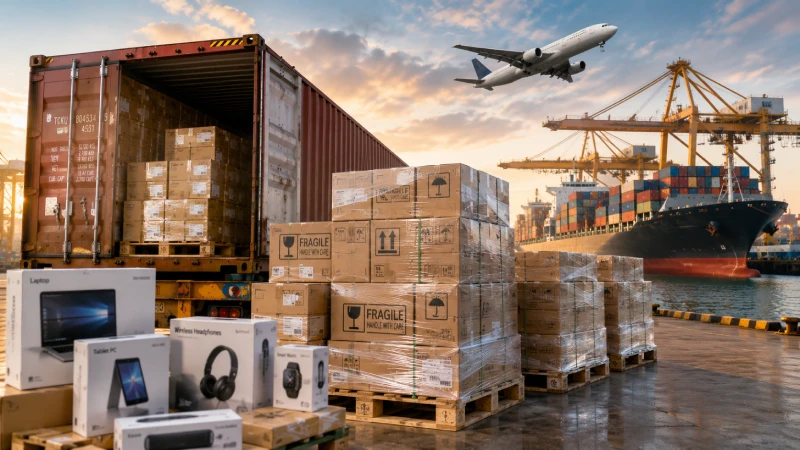
Electronics are among the most commonly imported products from China to the UAE, ranging from smartphones and computer accessories to LED lighting, home appliances, and industrial control systems. However, shipping electronics is very different from shipping ordinary cargo. These products are fragile, high-value, sensitive to moisture and vibration, and often subject to stricter customs scrutiny.
For UAE importers, choosing the wrong shipping method or using inadequate packaging can quickly lead to damaged goods, customs delays, or unexpected costs. Whether you are an eCommerce seller, wholesale distributor, or retail importer, understanding how electronics shipping works can help you reduce risk and improve profitability.
This guide explains the best ways to ship electronics from China to UAE, including freight options, packaging requirements, customs considerations, insurance recommendations, and practical importer strategies.
Why Electronics Require Special Shipping Handling
Unlike low-risk cargo such as textiles or plastic products, electronics contain delicate internal components that can easily be damaged during international transportation. Circuit boards, screens, sensors, batteries, and connectors are all vulnerable to shock, vibration, humidity, and compression pressure.
Another challenge is cargo value. Even relatively small shipments of electronics may contain thousands or tens of thousands of dollars worth of products. This increases both theft risk and customs valuation sensitivity.
Different electronics categories also involve different logistics concerns:
- Smartphones and laptops require anti-static protection and theft prevention
- TVs and monitors need reinforced carton protection
- Industrial electronics often require moisture control
- Battery-powered products may involve dangerous goods regulations
- LED products and accessories are sensitive to carton compression
For UAE-bound shipments, additional care is important because cargo often experiences multiple handling stages between China factories, export warehouses, ports, customs facilities, and final delivery locations.
Experienced importers understand that electronics logistics is not simply about moving cargo cheaply — it is about controlling risk throughout the supply chain.
Best Shipping Methods for Electronics from China to UAE
Choosing the right shipping method depends on cargo value, shipment size, urgency, and business model.
Air Freight for High-Value and Time-Sensitive Electronics
Air freight is one of the most popular solutions for electronics shipping because it minimizes transit time and reduces cargo handling exposure.
It is especially suitable for:
- Smartphones
- Laptops
- PC components
- Gaming accessories
- High-value branded electronics
- Urgent inventory replenishment
The biggest advantage of air freight is speed. Faster transit means less warehouse exposure, fewer handling stages, and lower overall damage risk. For fast-moving electronics products, quicker inventory turnover can also improve cash flow.
However, air freight is significantly more expensive than sea freight, especially for bulky electronics packaging. Airlines may also impose restrictions on battery-powered devices or lithium battery shipments.
For UAE importers running eCommerce stores or supplying retail chains, air freight is often the preferred solution for urgent or premium products.
Sea Freight for Bulk Electronics Shipments
Sea freight is generally more cost-effective for large-volume electronics cargo.
It works best for:
- TVs and displays
- Home appliances
- Bulk accessories
- Wholesale electronics orders
- Retail inventory replenishment
For container shipping, Full Container Load (FCL) is usually safer than Less than Container Load (LCL) because the cargo remains more stable during transit and is handled less frequently.
LCL shipments can reduce shipping costs for smaller orders, but they also increase handling exposure because multiple suppliers’ cargo is consolidated inside one container.
Electronics importers using sea freight should pay special attention to palletizing quality, carton stacking, and moisture protection inside containers.
Express Courier for Samples and Small Shipments
For product samples, prototypes, or very small orders, express courier services like DHL, UPS, or FedEx are commonly used.
This option offers:
- Fast delivery
- Door-to-door service
- Simple tracking
- Convenient customs handling
However, courier shipping becomes expensive quickly as shipment size increases. Most established importers only use express shipping for samples or emergency replenishment.
Why DDP Shipping Is Popular for UAE Electronics Importers
Many UAE importers prefer DDP (Delivered Duty Paid) shipping because it simplifies the entire import process.
Under DDP shipping, the freight forwarder handles:
- Export clearance in China
- International transportation
- UAE customs clearance
- Duties and taxes
- Final delivery
This is particularly useful for:
- First-time importers
- SMEs
- Amazon sellers
- Businesses without strong customs experience
For electronics cargo, DDP shipping reduces customs communication problems and helps create more predictable landed costs.
Internal linking opportunity:
- Shipping Cost from China to UAE
- DDP Shipping from China to UAE
Air Freight vs Sea Freight for Electronics
Choosing between air and sea freight depends on balancing cost, speed, and cargo risk.
| Factor | Air Freight | Sea Freight |
|---|---|---|
| Transit Time | Fast | Slower |
| Shipping Cost | Higher | Lower |
| Damage Risk | Lower | Moderate |
| Best For | High-value electronics | Bulk shipments |
| Inventory Speed | Faster turnover | Better for planned inventory |
| Cargo Volume | Small to medium | Medium to large |
Air freight is usually recommended for fragile or expensive electronics because shorter transit times reduce handling exposure.
Sea freight becomes more economical for large wholesale shipments where cost per CBM matters more than delivery speed.
For many UAE businesses, the ideal strategy is a combination approach:
- Use air freight for urgent or premium inventory
- Use sea freight for stable, predictable replenishment
Packaging Requirements for Electronics Shipping
Proper packaging is one of the most important factors in electronics logistics success.
Strong Carton Protection Matters
Weak cartons are one of the biggest causes of electronics damage during international shipping.
Best practices include:
- Double-wall cartons
- Reinforced corners
- Compression-resistant packaging
- Internal shock absorption
Heavy electronics should never be packed in low-quality export cartons simply to reduce packaging costs.
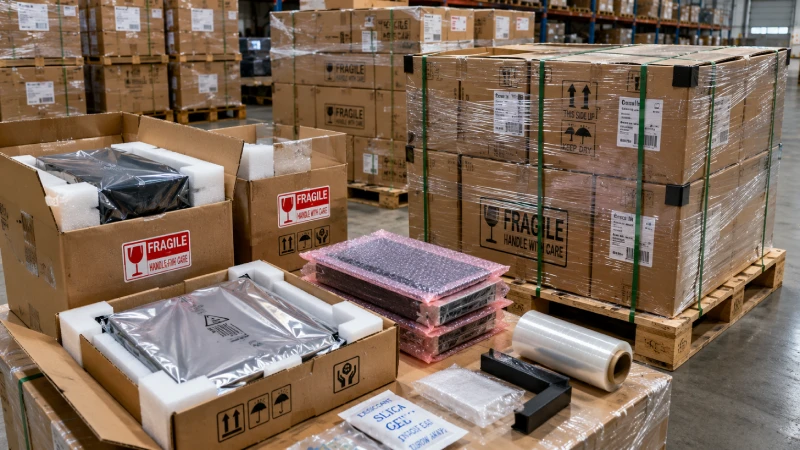
Internal Protection Materials
Electronics require internal cushioning that prevents movement during transit.
Common protection materials include:
- Foam inserts
- Bubble wrap
- Air cushions
- Anti-static bags
- Shock-absorbing materials
Anti-static packaging is especially important for sensitive electronic components such as PCBs and semiconductor products.
Correct Palletizing Reduces Damage Risk
Poor palletizing can destroy otherwise well-packaged electronics.
Proper palletizing includes:
- Stable stacking patterns
- Controlled stack height
- Stretch wrapping
- Edge protection
- Balanced weight distribution
For sea freight shipments, pallet stability becomes even more important because containers experience vibration and movement during ocean transit.
Moisture Protection for UAE-Bound Electronics
Humidity and condensation can seriously damage electronics cargo during sea shipping.
Recommended moisture protection methods include:
- Desiccant bags
- Waterproof wrapping
- Sealed packaging
- Container moisture control
Temperature differences during transit can create condensation inside containers, especially during long sea freight routes.
UAE Customs and Documentation for Electronics Imports
Electronics shipments are frequently inspected more carefully by customs because of their value and product classification sensitivity.
Common Shipping Documents
Typical required documents include:
- Commercial invoice
- Packing list
- Bill of lading or airway bill
- Certificate of origin
- Product specifications if requested
Any inconsistencies between documents may lead to customs delays.
Customs Valuation Issues for Electronics
Electronics are often subject to customs valuation scrutiny because under-declaration is relatively common in this industry.
If customs suspects the declared cargo value is inaccurate, the shipment may face:
- Inspection delays
- Revaluation
- Additional taxes
- Penalties
Accurate invoices and realistic product descriptions are essential.
Experienced importers avoid attempting to reduce taxes through unrealistic invoice declarations because the risk often outweighs the savings.
UAE-Specific Import Considerations
Certain electronics categories may require additional compliance review, especially products involving:
- Wireless communication
- Batteries
- Smart devices
- Industrial electronics
Importers should also understand UAE VAT obligations and ensure all documentation is prepared correctly before shipment arrival.
For businesses unfamiliar with UAE customs procedures, DDP shipping often reduces operational complexity significantly.
Internal linking opportunity:
Main Shipping Cost Factors for Electronics Cargo
Shipping electronics involves more than simply calculating freight rates.
Cargo Value and Insurance Costs
Because electronics are high-value cargo, insurance is strongly recommended.
Cargo insurance helps protect against:
- Transit damage
- Theft
- Container accidents
- Water damage
- Handling incidents
Many importers only realize the importance of insurance after experiencing their first cargo claim.
Volumetric Weight Can Increase Air Freight Costs
Electronics packaging is often lightweight but bulky.
Air freight pricing is usually based on volumetric weight rather than actual weight, meaning oversized packaging may increase freight costs significantly.
Efficient packaging design helps balance protection and freight efficiency.
Seasonal Shipping Cost Changes
Electronics shipping costs often rise during peak sales periods such as:
- Ramadan
- Black Friday
- End-of-year shopping seasons
During peak periods, both air and sea freight rates may increase substantially due to demand pressure.
Booking shipments early is one of the best ways to control logistics costs.
Typical Shipping Time from China to UAE
Transit time depends heavily on shipping method and customs processing efficiency.
Air Freight Transit Time
Typical air freight timelines:
- Airport-to-airport: around 3–7 days
- Door-to-door DDP: around 5–10 days
Delays may occur due to:
- customs inspections
- airline capacity shortages
- battery declaration reviews
Sea Freight Transit Time
Typical sea freight timelines:
- Port-to-port: around 18–30 days
- Door-to-door DDP: around 25–40 days
LCL shipments may require additional consolidation and deconsolidation time.
Internal linking opportunity:
Common Electronics Shipping Mistakes and How to Avoid Them
One of the biggest mistakes importers make is choosing freight solutions based only on price.
Cheap shipping often results in:
- poor handling
- weak packaging
- delayed delivery
- limited tracking visibility
Another major issue is ignoring battery regulations. Improper battery declarations can cause airline rejection or customs complications.
Some importers also underestimate the importance of packaging quality. Weak cartons may survive warehouse handling but fail during long international transit.
Shipping without insurance is another costly mistake, especially for expensive electronics cargo.
Experienced importers focus on long-term logistics reliability rather than only reducing short-term freight costs.
Real-World Importer Scenarios
A UAE eCommerce seller importing mobile accessories may prefer air DDP shipping because fast inventory turnover is more important than minimizing freight cost.
A wholesale distributor importing electronics accessories in large quantities may use FCL sea freight to reduce shipping cost per unit.
An importer handling battery-powered devices may require specialized packaging, documentation, and compliance support.
Retail businesses preparing for seasonal sales often split shipments between air and sea freight to balance cost and inventory timing.
Different business models require different shipping strategies.
Conclusion
Shipping electronics from China to UAE requires much more than simply booking freight space. Because electronics are fragile, high-value, and often sensitive to customs valuation, successful importing depends on careful planning, proper packaging, accurate documentation, and the right logistics strategy.
For many UAE importers, DDP shipping provides the safest and simplest solution because it reduces customs complexity and improves landed cost predictability.
Whether you are importing consumer electronics, accessories, industrial equipment, or smart devices, working with an experienced freight forwarder can help reduce damage risk, avoid customs delays, and improve supply chain efficiency.
Before your next shipment, compare air and sea freight options carefully, review packaging standards, and make sure your electronics cargo is fully protected throughout the shipping process.
