
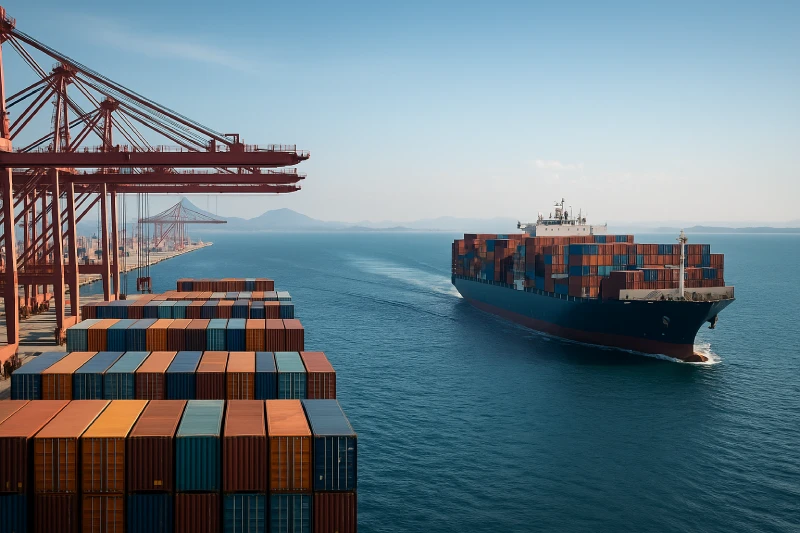
The Real Shipping Landscape Between China and Kenya
Trade between China and Kenya has grown steadily over the past decade, with China now one of Kenya’s most important sourcing markets for machinery, electronics, building materials, consumer goods, and industrial components. Unlike mature eCommerce-driven destinations, Kenya remains a price-sensitive, import-controlled market where shipping decisions are closely tied to customs feasibility and cost predictability.
For most commercial shipments, sea freight via Mombasa is the dominant and most stable option, especially for bulk and containerized cargo. Air freight plays a supporting role for urgent or high-value goods where speed outweighs cost. Some importers also inquire about DDP shipping, often to avoid local clearance complexity, but this option comes with notable risks and limitations. Express services are typically restricted to samples or documents rather than full commercial cargo.
Choosing the right method for Kenya is less about speed—and more about control, compliance, and long-term cost certainty.
For a broader overview of routes, costs, customs requirements, and documentation, you may also refer to shipping from China to Kenya.
Shipping Methods Comparison Overview
When shipping goods from China to Kenya, choosing the right transport method depends on balancing cost, transit time, and risk exposure. Unlike highly standardized markets, Kenya’s logistics environment requires importers to clearly understand what each option realistically delivers—not just on paper, but in execution.
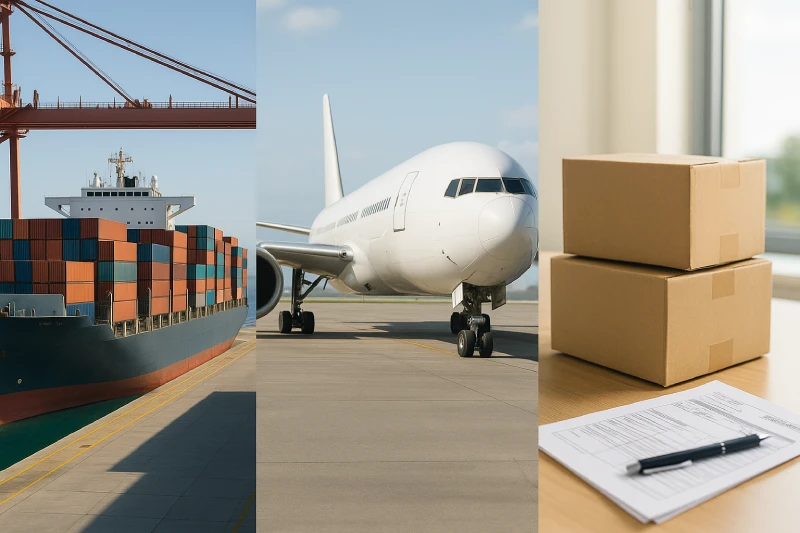
Below is a high-level comparison of the four shipping methods that are actually used on the China–Kenya route:
| Shipping Method | Best Suited For | Typical Transit Time | Cost Level | Operational Risk |
|---|---|---|---|---|
| Sea Freight (FCL / LCL) | Bulk cargo, regular imports | ~30–45 days | Low | Medium |
| Air Freight | Urgent or high-value goods | ~5–8 days | High | Low |
| DDP Shipping | Importers without local clearance capacity | ~35–50 days | High | High |
| Express / Courier | Samples, documents | ~3–6 days | Very High | Medium |
Sea freight remains the backbone of China–Kenya trade due to its cost efficiency and container availability through Mombasa Port. Air freight offers reliability and speed but is rarely economical for heavy or low-margin goods. DDP may appear convenient, yet often hides customs and tax risks that surface later in the process. Express shipping, while fast, is rarely viable for commercial quantities.
Understanding these differences is the first step toward selecting a method that aligns with Kenya’s import realities.
Sea Freight to Kenya: The Most Stable Option
For most importers, sea freight is the most reliable and cost-effective way to ship goods from China to Kenya, particularly for commercial cargo moving in regular volumes. Kenya’s import system, port infrastructure, and inland transport network are all fundamentally designed around containerized ocean freight.
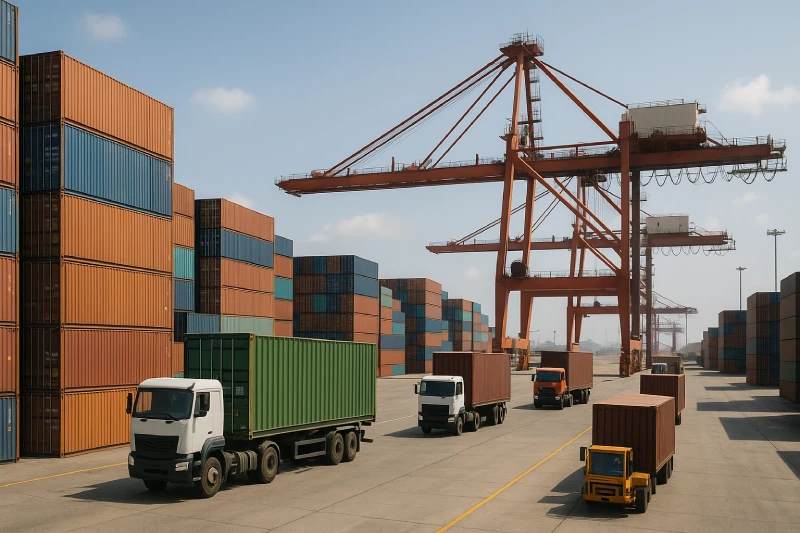
Key Origin and Destination Ports
On the China side, shipments to Kenya are commonly exported from major container ports such as Shanghai, Ningbo, Shenzhen, Qingdao, and Guangzhou. These ports offer frequent sailings to East Africa, either via direct services or transshipment hubs in the Middle East.
In Kenya, Mombasa Port is the primary—and effectively the only—gateway for sea freight imports. As the largest port in East Africa, Mombasa handles not only Kenyan cargo but also transit shipments to neighboring countries, which can sometimes affect congestion levels and dwell time.
FCL vs LCL: How Importers Typically Decide
- FCL (Full Container Load) is generally recommended when cargo volumes are sufficient to fill a container or when cost control and cargo security are priorities. It offers more predictable transit times and fewer handling risks.
- LCL (Less than Container Load) is used for smaller shipments but can involve longer transit times due to consolidation and deconsolidation processes at both origin and destination.
In practice, many Kenya-bound importers shift from LCL to FCL earlier than they would in more mature markets, simply to reduce handling complexity and clearance delays.
Customs and Port Realities in Mombasa
While Mombasa is a well-established port, importers should be prepared for:
- Strict documentation checks, where minor errors can cause delays
- Variable inspection intensity depending on cargo type
- Additional port storage or demurrage risks if clearance is not arranged promptly
Accurate commercial invoices, packing lists, and HS code classification are especially critical for smooth clearance.
Inland Delivery Considerations
After clearance, cargo typically moves inland to Nairobi, Kenya’s main commercial center, or other regional destinations. Inland transport costs and transit time should always be factored into the total shipping plan, as they can significantly impact landed cost.
Overall, sea freight offers the best balance of cost, scalability, and operational stability for shipping from China to Kenya—making it the foundation of most long-term import strategies.
Air Freight to Kenya: When Speed Matters More Than Cost
Air freight is the fastest shipping option from China to Kenya, but it is also the most cost-intensive for commercial cargo. As a result, it is typically reserved for shipments where delivery speed, cargo value, or supply-chain continuity outweigh transportation cost considerations.
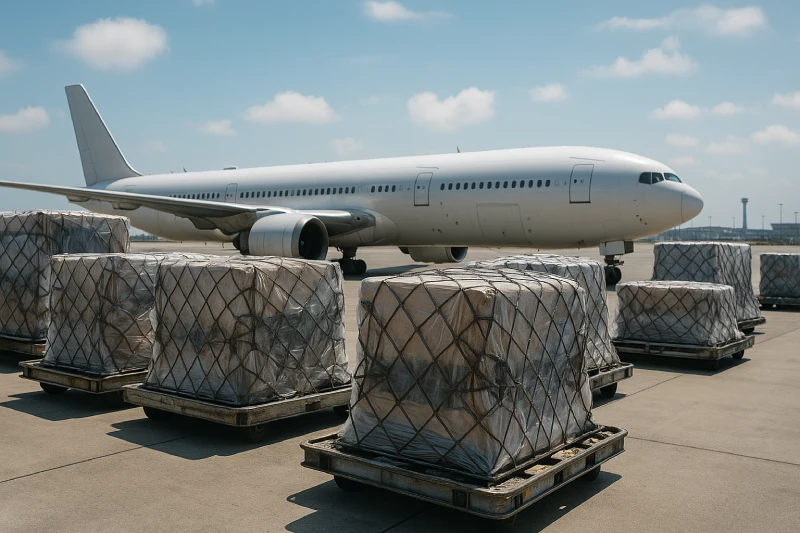
When Air Freight Makes Sense
Air freight is commonly used for:
- High-value goods such as electronics, precision components, or medical items
- Time-sensitive shipments needed to avoid production or sales disruptions
- Urgent replenishment when sea freight delays would cause financial loss
For low-margin or bulky cargo, air freight is rarely economical in the Kenyan market.
Key Airports on the China–Kenya Route
On the origin side, shipments usually depart from major Chinese international airports such as Shanghai Pudong (PVG), Shenzhen (SZX), Guangzhou (CAN), and Beijing (PEK). These airports offer frequent cargo flights and strong connections to Africa.
In Kenya, almost all international air freight arrives at Jomo Kenyatta International Airport (NBO) in Nairobi. NBO is East Africa’s primary air cargo hub, with relatively efficient handling compared to regional alternatives.
Transit Time and Clearance Considerations
Typical air freight transit times from China to Kenya range from 5 to 8 days, including export handling and import clearance. While airport clearance is generally faster than at seaports, it remains highly dependent on:
- Accurate documentation
- Proper cargo valuation
- Compliance with Kenya Revenue Authority requirements
Air freight reduces exposure to port congestion but does not eliminate customs scrutiny. Importers should still prepare for inspections, particularly for controlled or high-value goods.
In summary, air freight is best viewed as a strategic, problem-solving tool rather than a routine shipping method for Kenya-bound cargo.
DDP Shipping to Kenya: What You Must Understand Before Choosing
DDP (Delivered Duty Paid) shipping is often requested by importers shipping to Kenya, particularly those without a local entity or experience handling customs clearance. On the surface, DDP appears attractive because it promises an “all-inclusive” solution where the seller or forwarder manages transport, duties, and taxes.

However, in the Kenyan market, DDP is not a simplified solution—it is a risk-shifted one.
Why DDP Seems Appealing in Kenya
Many first-time or overseas buyers consider DDP to:
- Avoid dealing with Kenya Revenue Authority procedures
- Reduce coordination with local clearing agents
- Gain upfront cost visibility
These expectations are understandable, but they rarely reflect operational reality.
Before choosing this option, it is important to fully understand how DDP shipping to Kenya actually works in practice.
The Hidden Challenges of DDP
In practice, DDP shipments to Kenya may involve:
- Unpredictable duty and tax assessments, especially if cargo valuation is challenged
- Clearance conducted under third-party entities, limiting importer control
- Delays or disputes when customs requirements change mid-process
Because the importer does not directly interact with customs, issues often surface only after cargo has already arrived.
When DDP May Be Viable
DDP can work in limited scenarios, such as:
- Small-volume shipments with well-defined HS codes
- Repeat lanes with established clearance arrangements
- Importers who fully understand and accept the compliance trade-offs
It is important to note that DDP does not eliminate customs risk—it only obscures it. For many Kenya-bound shipments, traditional sea or air freight with transparent clearance remains the safer long-term strategy.
Is Express Shipping Practical for Kenya?
Express or courier shipping is available for shipments from China to Kenya, but its practical use is limited in commercial trade. While international couriers offer fast transit times, this option is rarely suitable for regular imports.
Where Express Shipping Works
Express services are generally used for:
- Product samples
- Documents and small parcels
- Low-weight, non-commercial shipments
For these cases, speed and simplicity can outweigh cost concerns.
Limitations in the Kenyan Market
For commercial cargo, express shipping presents several challenges:
- Very high per-kilogram costs, making it uneconomical beyond small parcels
- Customs duties and taxes are still applicable and may be charged on arrival
- Clearance procedures are not always as seamless as expected for business goods
In addition, courier shipments can be flagged for inspection, leading to delays and unexpected charges—especially if documentation is incomplete or cargo value is questioned.
As a result, express shipping should be viewed as a supplementary option for samples or urgent paperwork, rather than a core shipping method for China–Kenya trade.
How to Choose the Right Shipping Method for Kenya
Selecting the most suitable shipping method from China to Kenya requires more than comparing transit times or freight rates. The decision should be based on cargo characteristics, operational capability, and customs readiness.
Below is a practical decision framework commonly used by experienced Kenya importers.
Step 1: Assess Shipment Size and Value
- Large or heavy shipments are usually best suited for sea freight, where cost efficiency improves with volume.
- High-value or time-critical goods may justify air freight, despite higher transportation costs.
Step 2: Define Urgency and Supply Impact
If delayed delivery could disrupt production, sales, or project timelines, air freight becomes a risk-mitigation tool rather than a cost choice. If timelines are flexible, sea freight offers far better landed-cost control.
Step 3: Evaluate Customs Capability
Importers with access to reliable local clearing agents typically benefit from standard sea or air freight with transparent clearance. Those without local clearance capacity may consider DDP, but only after fully understanding the compliance and cost implications involved.
Step 4: Budget and Risk Tolerance
- Cost-sensitive importers generally favor sea freight.
- Risk-averse importers prioritize methods with higher visibility and control over documentation and clearance.
Step 5: Use Express Only for Exceptions
Express shipping should be limited to samples or documents and not factored into routine logistics planning.
In Kenya, the “best” shipping method is ultimately the one that delivers predictable clearance, manageable risk, and stable landed cost, rather than the fastest transit time.
If cost predictability is critical, reviewing current shipping costs from China to Kenya can help refine your decision.
Common Mistakes When Shipping from China to Kenya
Many shipping delays and cost overruns on the China–Kenya route are caused not by transportation itself, but by avoidable planning and compliance errors. Understanding these common mistakes can help importers reduce risk and maintain control over their shipments.
One frequent issue is overreliance on low-priced DDP offers. While they may appear to simplify the process, hidden costs, delayed clearance, or limited transparency often emerge once cargo arrives in Kenya.
Another common mistake is inaccurate or incomplete documentation, including incorrect HS codes, inconsistent cargo descriptions, or undervaluation. Kenyan customs authorities closely review commercial invoices and packing lists, and discrepancies can trigger inspections or penalties.
Importers also sometimes choose LCL shipments purely to reduce upfront cost, without accounting for longer transit times, additional handling, and higher risk of delays at Mombasa Port. In many cases, an early switch to FCL provides better overall cost control.
Finally, underestimating inland delivery costs and timelines—particularly for cargo moving beyond Mombasa to Nairobi or other regions—can significantly affect the final landed cost.
Avoiding these pitfalls requires realistic planning, accurate documentation, and choosing shipping methods aligned with Kenya’s operational realities.
Final Thoughts on Shipping from China to Kenya
There is no single shipping method that works for every shipment moving from China to Kenya. In practice, sea freight remains the most dependable option for the majority of commercial imports, while air freight serves a clear purpose for urgent or high-value cargo. Options such as DDP or express shipping may appear convenient, but they require careful evaluation due to their higher cost and operational risk.
The key to successful shipping to Kenya lies in choosing a method that matches your cargo profile, timeline, and customs readiness—rather than focusing on speed alone.
If you are planning shipments to Kenya and want clarity on costs, transit time, and clearance strategy, a structured consultation can help you determine the most suitable approach.
