
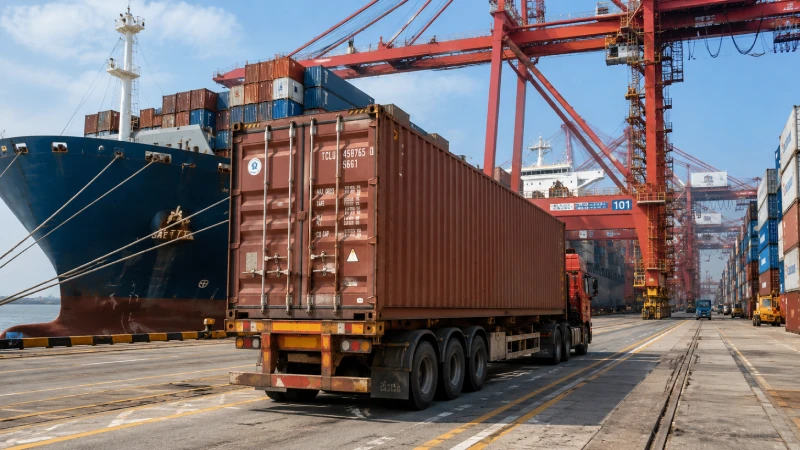
FCL shipping from China to the United States is not simply a matter of choosing a container and accepting an ocean freight rate. A successful shipment requires coordination between the supplier, exporter, freight forwarder, carrier, customs broker, port trucker and receiving warehouse. Importers still evaluating routes, shipping methods or overall landed costs should first review Shipping from China to USA for a broader planning overview.
This guide focuses specifically on how a full container load is quoted, booked, loaded, documented, monitored, delivered and returned. It also explains the deadlines and operational failures that commonly lead to rollovers, storage, demurrage, detention or unexpected trucking charges.
Is Your Shipment Ready for FCL Shipping?
A shipment may appear large enough for a full container, but volume alone does not determine whether it is ready for FCL execution.
Before requesting a booking, confirm the following:
- Cargo-ready date
- Final carton or pallet count
- Gross cargo weight
- Estimated cargo volume
- Supplier pickup and loading address
- Number of suppliers involved
- Export documentation availability
- US discharge port or final delivery ZIP code
- Customs-clearance arrangement
- Warehouse receiving and appointment requirements
FCL is often operationally preferable when the cargo occupies most of a container, requires reduced handling or needs better control over loading and sealing. It can also be suitable for fragile, high-value, dense or non-stackable cargo that may face additional handling risks in an LCL consolidation warehouse.
However, the lowest price per cubic meter should not be the only consideration. Importers should also evaluate destination handling, cargo security, schedule control, loading flexibility and unloading requirements.
Basic FCL Container Options
Most general cargo moves in one of three standard dry-container types:
- 20GP: Often selected for dense or heavy cargo
- 40GP: Suitable for larger general cargo volumes
- 40HQ: Common for bulky, lower-density goods requiring additional internal height
Detailed dimensions, payload limits and capacity comparisons should be covered separately. Importers who have not selected the appropriate equipment can review Container Shipping from China to USA before confirming the booking.
How FCL Freight Rates from China to the USA Are Built
A quoted ocean freight rate is only one part of the total FCL shipping cost. A complete quotation should separate the shipment into five cost stages.
| Cost stage | Typical charges |
|---|---|
| China pickup | Container positioning, factory pickup and waiting time |
| China origin | Export declaration, terminal handling and documentation |
| Ocean transport | Base freight and carrier surcharges |
| US destination | Terminal, documentation and release-related charges |
| Inland delivery | Drayage, chassis, appointment and empty return |
Charges should also be classified as confirmed, estimated or conditional.
Confirmed charges are known when the quotation is issued, such as the agreed ocean freight and standard documentation fees.
Estimated charges depend on the final routing, terminal, delivery address or trucking arrangement.
Conditional charges apply only when a particular event occurs. Examples include customs examinations, truck waiting time, storage, redelivery, overweight handling, container cleaning and equipment damage.
An unusually low port-to-port rate may exclude factory pickup, export services, US terminal charges, chassis rental or final delivery. Importers should therefore request a clear list of inclusions and exclusions rather than comparing only the headline ocean rate.
For a wider explanation of route-level pricing factors, see Shipping Cost from China to USA.
Need a complete FCL cost breakdown? Send Winsail Logistics your supplier address, cargo-ready date, gross weight, container preference and US delivery ZIP code. We can identify confirmed, estimated and conditional charges before booking.
What Must Be Confirmed Before Booking
A forwarder cannot create an executable FCL plan from only a product name and destination port.
Incoterm and Service Scope
First confirm whether the shipment is under EXW, FOB or another Incoterm. This determines who is responsible for factory pickup, China export handling, customs declaration and origin charges.
The requested service scope should also be clear:
- Port-to-port
- Factory-to-port
- Port-to-door
- Door-to-door
- Customs clearance included or excluded
If delivery is required, provide the complete ZIP code rather than only the state or city. Inland trucking costs can vary considerably depending on distance, port access, container weight, warehouse restrictions and appointment requirements.
Cargo Information
The booking package should include:
- Product description
- HS code, if available
- Carton or pallet count
- Gross weight and volume
- Battery, chemical or dangerous-goods status
- Wood packaging details
- Stackability
- Loading and securing requirements
Failure to disclose regulated, hazardous or unusually heavy cargo may result in booking rejection, additional documentation or last-minute equipment changes.
Routing and Schedule
Before accepting the booking, review:
- Carrier
- Vessel and voyage
- Direct or transshipment routing
- Estimated departure
- Estimated arrival
- Transshipment port
- Rate validity
- Origin cut-offs
- Equipment availability
- Destination free-time terms
The cheapest sailing is not always the most suitable. A transshipment route may provide a lower rate but create additional schedule risk when the cargo has a strict delivery deadline.
Container Pickup and Loading in China
The loading arrangement affects trucking cost, equipment use and the risk of missing the terminal cut-off.
Live Loading
During a live load, the truck delivers the empty container and waits while the factory loads it.
This option works best when:
- All cargo is ready
- Loading labor is available
- The factory has suitable container access
- Loading can be completed within the permitted time
If loading takes longer than expected, truck waiting charges may apply.
Drop-and-Pick
With drop-and-pick, the empty container is left at the factory and collected later. This provides more loading flexibility but may involve additional equipment time, trucking coordination or security responsibility while the container remains at the supplier’s facility.
Warehouse Loading
When goods come from multiple suppliers, they may first be delivered to a warehouse for inspection, palletization or coordinated loading.
This arrangement adds handling and warehouse charges but can reduce the risk of sending one container to several factories. It also allows the cargo to be checked before the container is sealed.
Loading Controls
Before loading begins, the supplier or forwarder should inspect the container for:
- Holes or water entry
- Damaged walls or doors
- Contaminated flooring
- Strong odors
- Existing equipment damage
- Incorrect container number
Cargo should be distributed evenly and secured against movement. The loading process, container number and final seal number should be photographed and recorded.
The FCL Cut-Off Control Board
A booking confirmation does not mean the container is guaranteed to load. Several carrier and terminal deadlines must still be met.
| Deadline | Required action | Possible result if missed |
|---|---|---|
| Empty pickup window | Collect the assigned container | Equipment may become unavailable |
| Cargo cut-off | Deliver the loaded container to the terminal | Container may miss the vessel |
| SI cut-off | Submit final shipping instructions | Amendment fees or document delay |
| VGM cut-off | Submit verified gross mass | Container may not be loaded |
Shipping Instructions
Shipping instructions normally include:
- Shipper
- Consignee
- Notify party
- Cargo description
- Package count
- Gross weight
- Ports of loading and discharge
- Freight terms
- Container and seal numbers
Consignee details and cargo descriptions should be checked before the bill of lading draft is approved. Correcting them after departure can create amendment fees or customs-release problems.
Depending on the transaction, the shipment may use an original bill of lading, telex release or sea waybill. The appropriate option depends on payment terms, title-control requirements and carrier procedures.
Verified Gross Mass
Under SOLAS verified gross mass requirements, the shipper is responsible for providing the verified gross mass of the packed container. VGM must be available sufficiently in advance for vessel stowage planning and is a condition for loading the container onto the ship.
The final cargo weight should therefore be confirmed before the carrier’s VGM cut-off rather than estimated at the last minute.
After Vessel Departure: Monitor Milestones, Not Just ETA
The forwarder should confirm that the container actually loaded on the planned vessel and continue monitoring important milestones:
- Actual vessel departure
- Transshipment arrival
- Connecting-vessel departure
- Port rotation changes
- Revised arrival date
- Arrival-notice issuance
- Customs release
- Terminal availability
- Last free day
Blank sailings, port congestion, vessel changes and missed transshipment connections can affect the final arrival schedule. Importers working toward a retail launch, factory shutdown or project deadline should build a reasonable buffer into their planning.
For broader route and transit-time expectations, refer to How Long Does It Take to Ship from China to USA.
US Customs Preparation Before Arrival
Customs preparation should begin before the vessel reaches the United States.
The importer should confirm:
- Importer of Record information
- Customs power of attorney
- Customs bond
- Commercial invoice
- Packing list
- Product classification
- Country of origin
- Bill of lading information
- Other-agency requirements, where applicable
For vessel cargo, the Importer Security Filing, commonly called ISF or “10+2,” generally must be submitted to US Customs and Border Protection no later than 24 hours before the cargo is loaded onto the vessel destined for the United States.
This means the importer, supplier, freight forwarder and customs broker must exchange the required information before origin loading deadlines. ISF should not be treated as a task that can wait until the vessel is close to arrival.
A detailed document and compliance explanation belongs on Documents Required to Import from China to the USA. For FCL execution, the key requirement is to collect accurate supplier, buyer, product and transport data early enough for filing and customs preparation.
US Port Pickup and Inland Delivery
Vessel arrival does not automatically mean the container is ready for pickup.
Three different conditions may need to align:
- Customs release
- Carrier or freight release
- Terminal availability
The trucker should not be dispatched until the container is available and the necessary releases have been confirmed.
Port and Chassis Planning
US port pickup may require coordination of:
- Terminal appointment
- Chassis availability
- Trucker capacity
- Container weight
- Port congestion
- Customs or agency holds
- Last free day
- Empty-return location
Heavy containers may require special chassis, permits or adjusted routing. Accurate cargo weight is therefore necessary not only for VGM but also for destination trucking.
Delivery Requirements
Before the container leaves the terminal, confirm:
- Warehouse address
- Receiving hours
- Appointment number
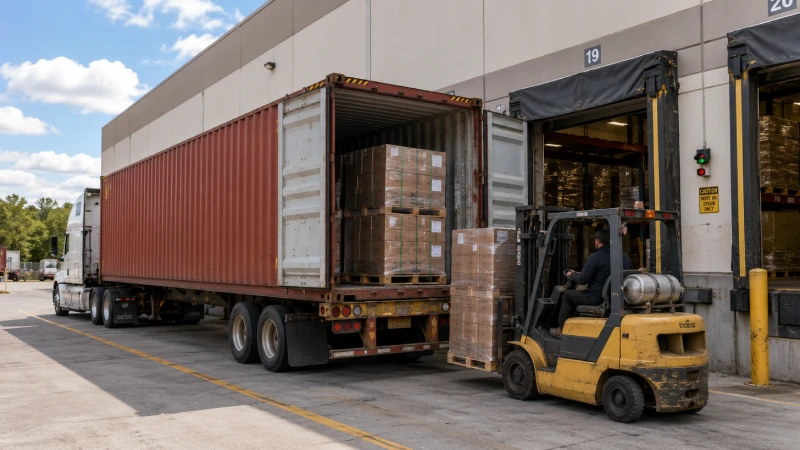
- Live unload or drop delivery
- Unloading equipment
- Floor-loaded or palletized cargo
- Maximum unloading time
- Container-access restrictions
A floor-loaded container may take much longer to unload than palletized cargo. If the warehouse exceeds the agreed free unloading time, waiting or detention charges may apply.
Demurrage, Detention and Empty-Return Risks
Some of the largest unexpected FCL costs occur after the vessel arrives.
The Federal Maritime Commission generally describes demurrage as charges that accrue when a container remains at a marine terminal beyond its free time. Detention applies to extended use of carrier equipment outside the terminal.
Terminal storage may be billed separately, while chassis usage can create another daily charge.
Importers should confirm:
- Number of free days
- When free time begins
- Last free pickup date
- Last free equipment-return date
- Applicable weekends and holidays
- Return depot
- Return appointment requirements
Empty-container return must be treated as part of the delivery plan, not an afterthought. Depots can change, appointments may be unavailable and a depot may temporarily reject equipment.
The trucker should retain proof of return, including the equipment-interchange receipt. The warehouse should also photograph the container before and after unloading to document pre-existing damage and reduce disputes over cleaning or repair charges.
Common FCL Failure Points
| Failure point | Possible consequence | Preventive action |
|---|---|---|
| Supplier is not ready | Truck waiting or missed vessel | Reconfirm cargo before dispatch |
| Cargo weight changes | VGM or trucking problem | Obtain final weight early |
| SI is submitted late | B/L amendment or delay | Approve data before cut-off |
| ISF data is missing | Compliance exposure | Collect information before loading |
| Customs documents are incomplete | Port storage or demurrage | Pre-clear with the broker |
| Delivery appointment is missing | Waiting or redelivery | Book before terminal pickup |
| Container is returned late | Detention or per-diem charges | Track the last free return date |
| Existing damage is undocumented | Equipment-damage dispute | Take timestamped photographs |
FCL Responsibility Matrix
| Checkpoint | Primary responsible party |
|---|---|
| Cargo-ready date and loading preparation | Supplier |
| Booking and carrier coordination | Freight forwarder |
| Commercial shipment approval | Importer |
| Export declaration | Exporter or appointed declaration party |
| Loading and container sealing | Supplier or loading warehouse |
| Shipping instructions and VGM coordination | Shipper and freight forwarder |
| ISF and US entry preparation | Importer and customs broker |
| Port pickup and chassis | Destination trucker |
| Warehouse unloading | Importer or receiving warehouse |
| Empty-container return | Trucker, coordinated with the importer or forwarder |
Actual responsibility may change according to the Incoterm and service contract. Every shipment should therefore have a named party responsible for each milestone.
Information Needed for an Executable FCL Quote
To receive a quote that can be converted into a real shipment plan, provide:
- Cargo-ready date
- Supplier address
- Number of suppliers
- Product description
- Carton or pallet count
- Gross weight and volume
- Preferred container type
- Loading method
- China port
- US port or delivery ZIP code
- Incoterm
- Customs-clearance requirement
- Delivery appointment requirement
- Dangerous or regulated cargo details
Incomplete information often produces a low but unusable estimate. A detailed request allows the forwarder to evaluate trucking, loading, routing, destination delivery and equipment-return risks before the booking is confirmed.
FAQ
How much does FCL shipping from China to the USA cost?
The total cost depends on the container type, origin city, ports, sailing date, carrier, routing, destination charges and inland delivery. Request a breakdown covering origin, ocean, destination, trucking and conditional charges.
When is FCL better than LCL?
FCL may be preferable when cargo occupies most of a container, requires reduced handling, comes from one loading location or needs stronger schedule and security control. The decision should be based on total landed cost rather than volume alone.
Can the supplier load the container at its factory?
Yes, provided the factory has suitable truck access, loading labor and export arrangements. The forwarder should confirm whether the loading will be live load or drop-and-pick and how much time is allowed.
What happens if the VGM cut-off is missed?
A packed container without VGM available for stowage planning may not be loaded onto the vessel. The cargo could miss the planned sailing and incur terminal, amendment or rebooking charges.
Who files the ISF?
The US importer is ultimately responsible for ensuring that ISF is filed, although a customs broker or other authorized filing agent normally submits it using information provided by the importer, supplier and forwarder.
What is included in an FCL quote?
Inclusions vary. A quote may cover only port-to-port ocean freight or may include pickup, export handling, customs clearance and final delivery. Always request an itemized inclusion-and-exclusion list.
What is the difference between demurrage and detention?
Demurrage generally relates to a container remaining at the terminal beyond free time, while detention generally applies when carrier equipment remains outside the terminal too long. Actual terminology and billing rules should be verified for the carrier and terminal.
Who arranges the empty-container return?
The destination trucker normally performs the physical return, but the forwarder or importer must monitor the depot, appointment requirements and last free return date.
Request an FCL Shipment Plan from China to the USA
A reliable FCL shipment requires more than a competitive ocean rate. Booking deadlines, factory loading, documentation, US clearance, port pickup, delivery appointments and empty return must all be planned as one coordinated process.
Send Winsail Logistics your cargo-ready date, supplier address, cargo weight and volume, number of suppliers, preferred container, Incoterm, China port and US port or delivery ZIP code. Also indicate whether you need customs clearance, appointment delivery or special unloading arrangements. We will use these details to prepare a practical FCL quotation and shipment execution plan.
