
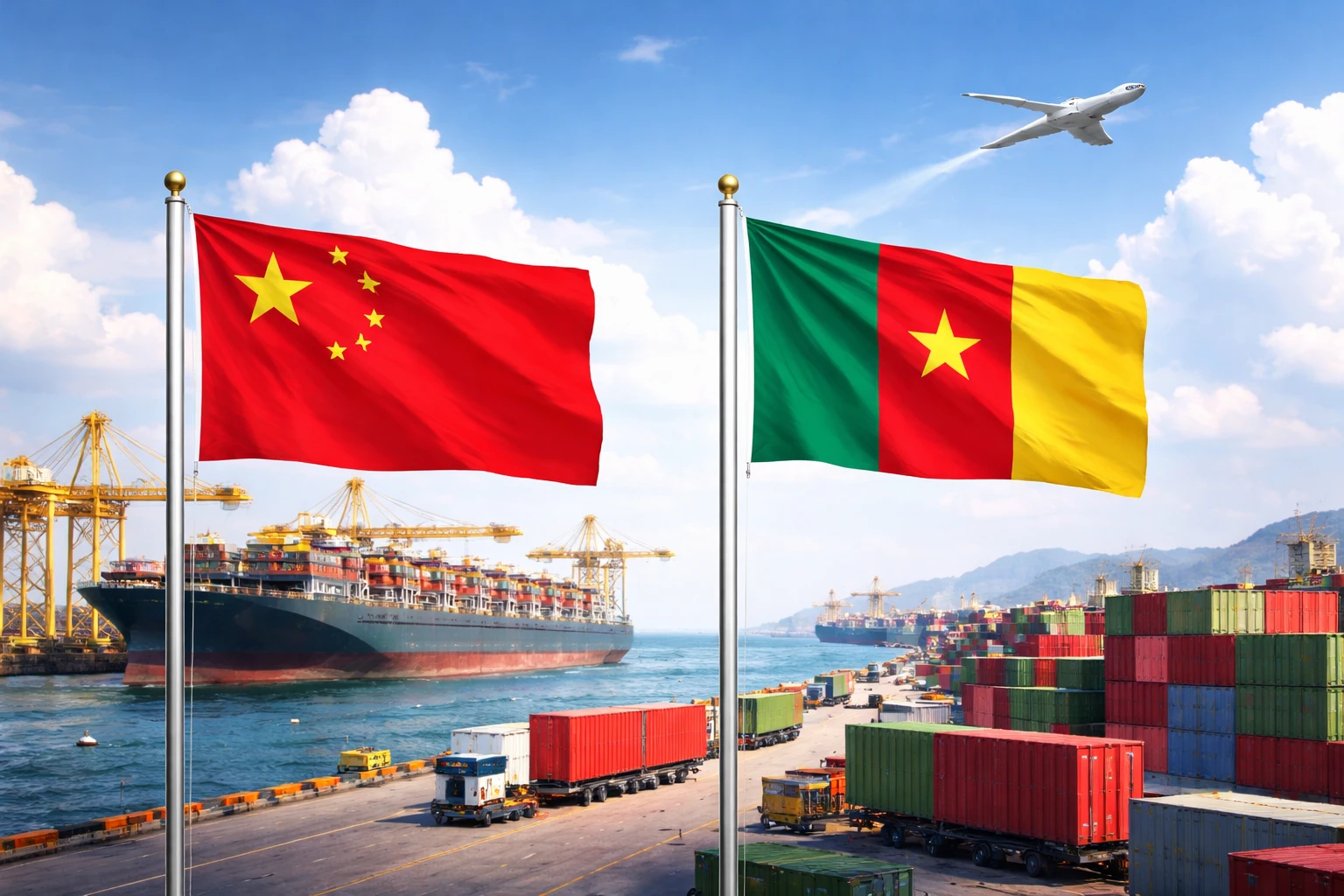
Ship from China to Cameroon: Cost, Shipping Time and Logistics Guide (2026)
Overview
Shipping from China to Cameroon continues to rely heavily on sea freight in 2026, with most cargo arriving through the Port of Douala, the country’s main logistics gateway. As China remains a major supplier of machinery, electronics, construction materials, and consumer goods, this trade lane plays an important role in supporting import-driven industries across Cameroon and neighboring Central African markets.
At the same time, shipping into Cameroon comes with operational challenges that require planning. Importers often encounter port congestion, container dwell time, and strict documentation checks, which can affect delivery schedules. These realities make it essential to choose the right shipping method and logistics partner early in the process, especially for businesses that are new to West and Central Africa trade lanes.
In practice, most shipments move via sea freight for cost efficiency, while air freight is used for time-sensitive cargo such as spare parts or high-value goods. For companies that prefer a simplified process, door-to-door solutions are increasingly used to manage customs clearance and inland delivery together. The following sections will give you a clear overview of these options, helping you decide the most suitable approach based on your cargo type and urgency.
Estimated Shipping Cost & Transit Time
Shipping costs and transit times from China to Cameroon vary depending on the shipping method, cargo volume, and origin port in China, but most shipments follow relatively stable ranges in 2026. Sea freight remains the most economical option for bulk cargo, while air freight is chosen for speed and reliability when timelines are tight.
Quick Cost & Time Snapshot
| Shipping Method | Transit Time | Cost Range (Reference) |
|---|---|---|
| Sea Freight (FCL) | 35–45 days | Lower per unit |
| Sea Freight (LCL) | 38–50 days | Moderate |
| Air Freight | 5–8 days | High |
In most cases, shipments to Douala may experience additional delays during peak seasons or customs processing, so it is recommended to build buffer time into your supply chain planning. Transit time can also vary depending on whether the shipment departs from South China ports like Shenzhen/Guangzhou or East China ports such as Shanghai or Ningbo.
If you need a detailed breakdown of freight rates by container type, cargo weight, or seasonal fluctuations, you can refer to the full pricing guide here: Shipping Cost From China to Cameroon.
For time-sensitive planning, especially when comparing sea and air options, a more detailed transit analysis is available here: Shipping Time From China to Cameroon.
This overview should help you quickly estimate the cost vs. speed trade-off, before selecting the most suitable shipping method in the next sections.
Sea Freight from China to Cameroon (FCL & LCL)
Sea freight is the primary shipping method from China to Cameroon, especially for bulk cargo and cost-sensitive shipments. Most containers are routed to the Port of Douala, which serves as the main entry point not only for Cameroon but also for parts of Central Africa. For a complete operational breakdown, including routing and container handling, you can explore: Sea Freight From China to Cameroon.
FCL vs LCL Shipping
-
FCL (Full Container Load)
Best for large shipments that can fill a 20ft or 40ft container. It offers better cargo security, faster handling, and lower cost per unit. -
LCL (Less than Container Load)
Suitable for smaller shipments that do not require a full container. Cargo is consolidated with other shipments, which may increase transit time due to handling and deconsolidation.
If you are shipping smaller volumes regularly, LCL can be a flexible solution, while FCL is generally preferred for stable supply chains and higher-volume imports.
Key Considerations for Cameroon
-
Port congestion in Douala can impact unloading time
-
Container dwell time may extend beyond standard estimates
-
Documentation accuracy is critical to avoid clearance delays
These factors make it important to plan shipments with buffer time and work with experienced freight forwarders familiar with African trade lanes.
Sea freight remains the most cost-effective option, and understanding these fundamentals will help you optimize both shipping cost and delivery reliability.
Air Freight from China to Cameroon
Air freight is the fastest shipping option from China to Cameroon, typically used for urgent, high-value, or time-sensitive cargo such as electronics, spare parts, and medical supplies. Most shipments are routed to Douala International Airport or Yaoundé Nsimalen International Airport, depending on final delivery requirements. For a detailed breakdown of routes, pricing factors, and chargeable weight, you can refer to: Air Freight From China to Cameroon.
When to Choose Air Freight
- Urgent delivery timelines (production delays, stock shortages)
- High-value or low-volume cargo
- Products with strict delivery schedules
Compared to sea freight, air shipping significantly reduces transit time, but at a higher cost per kilogram.
Key Considerations
- Chargeable weight (actual vs volumetric weight) directly impacts cost
- Flight availability may vary depending on departure city (Guangzhou, Shanghai, Hong Kong)
- Customs clearance speed in Cameroon can still affect final delivery time
In many cases, businesses use air freight as a supplement to sea freight, balancing speed and cost across different shipments.
Air freight is ideal when time is critical, but it requires careful cost evaluation before choosing it over more economical shipping methods.
Door-to-Door Shipping to Cameroon (DDP vs DAP)
For many importers, especially those unfamiliar with local procedures, door-to-door shipping to Cameroon is one of the most practical solutions. It combines international freight, customs clearance, and final delivery into a single service, reducing coordination complexity. To understand how this model works in detail, you can explore: Door to Door Shipping From China to Cameroon.
DDP vs DAP: Key Differences
-
DDP (Delivered Duty Paid)
The seller or freight forwarder handles shipping, customs clearance, duties, and final delivery. This is the most convenient option for importers who want a fully managed process. -
DAP (Delivered at Place)
The seller arranges shipping to the destination, but the buyer is responsible for import duties and customs clearance in Cameroon.
Why DDP Is Common for Cameroon
-
Reduces risk of customs delays or documentation errors
-
Avoids the need for importers to manage local clearance procedures
-
Provides predictable total landed cost
Due to the complexity of customs clearance in Cameroon, many businesses prefer DDP shipping to simplify operations and reduce uncertainty.
For a more detailed explanation of responsibilities, pricing structure, and when to choose each option, you can also refer to: DDP Shipping From China to Cameroon.
Door-to-door solutions are especially useful for SMEs and first-time importers, helping ensure smoother delivery from supplier to final destination.
Customs Clearance in Cameroon
Customs clearance is one of the most critical and sensitive stages when shipping from China to Cameroon. All imports are typically processed through the Port of Douala, where documentation accuracy and compliance directly affect clearance speed. For a detailed process breakdown and required documents, you can refer to: Customs Clearance in Cameroon.
Key Requirements
-
Commercial invoice and packing list
-
Bill of lading (for sea freight) or air waybill
-
Import declaration and supporting documents
-
Pre-shipment inspection (for certain goods)
Duties and Taxes
-
Import duties vary by product category
-
VAT and additional charges may apply
-
Customs valuation is often strictly assessed
For a full breakdown of applicable rates and how to estimate total import cost, see: Import Tax and Duties in Cameroon.
Common Challenges
-
Documentation discrepancies can cause delays
-
Physical inspections may extend clearance time
-
Local procedures and compliance requirements can be complex
Because of these factors, many importers choose to work with experienced freight forwarders or use DDP shipping to minimize risks during customs clearance.
Understanding these basics will help you avoid unexpected delays and ensure smoother cargo release upon arrival.
Key China–Cameroon Shipping Ports and Airports
Shipping from China to Cameroon mainly relies on a limited number of major export ports in China and entry points in Cameroon, with Douala serving as the primary hub for both sea and air cargo. Understanding these routes helps optimize transit time and carrier selection. For route-specific planning and port combinations, you can also refer to: China to Douala Shipping.
Major Seaports
| China Ports | Cameroon Port |
|---|---|
| Shenzhen | Douala |
| Guangzhou (Nansha) | Douala |
| Shanghai | Douala |
| Ningbo | Douala |
| Qingdao | Douala |
-
Douala Port handles the majority of containerized cargo
-
It also serves as a gateway for inland delivery to neighboring countries
Major Airports
| China Airports | Cameroon Airports |
|---|---|
| Guangzhou (CAN) | Douala (DLA) |
| Shanghai (PVG) | Douala (DLA) |
| Hong Kong (HKG) | Yaoundé (NSI) |
-
Guangzhou and Hong Kong are key air cargo hubs for Africa routes
-
Douala is the main air cargo entry point, with Yaoundé as a secondary option
Practical Notes
-
South China ports (Shenzhen/Guangzhou) often offer shorter transit times
-
Shipping schedules to Douala may involve transshipment (e.g., via Singapore or Europe)
-
Route selection can impact both cost and reliability
Choosing the right origin port and route is an important step in balancing shipping time, cost, and schedule stability.
Transit Time & Cost Comparison
Choosing the right shipping method from China to Cameroon depends on how you balance cost, speed, and operational complexity. In most cases, businesses compare sea freight, air freight, and door-to-door solutions before making a decision.
Quick Comparison Table
| Shipping Method | Transit Time | Cost Level | Best For |
|---|---|---|---|
| Sea Freight | 35–45 days | Low | Bulk cargo, regular shipments |
| Air Freight | 5–8 days | High | Urgent, high-value goods |
| Door-to-Door (DDP) | 40–55 days | Medium | Importers seeking simplicity |
How to Choose
-
Choose sea freight if your priority is minimizing cost and you can accept longer transit times
-
Choose air freight if speed is critical and cargo volume is relatively small
-
Choose DDP shipping if you want a simplified process with customs and delivery handled together
Practical Insight
In Cameroon, the decision is often influenced not only by freight cost, but also by customs efficiency and delivery reliability. For example, while sea freight is cheaper, delays at port or during clearance may impact your supply chain. In contrast, air freight reduces transit time but still depends on local clearance procedures.
This comparison helps you quickly identify the most suitable option before moving into execution and shipment planning.
How to Ship from China to Cameroon (6-Step Overview)
Shipping from China to Cameroon typically follows a standard international logistics process, but with additional attention required for documentation and customs handling. Understanding the overall workflow helps reduce delays and ensures smoother coordination with your supplier and freight forwarder.
Step-by-Step Process
1. Confirm Supplier and Cargo Details
Ensure goods are ready, packaging is compliant, and documents (invoice, packing list) are prepared.
2. Book Freight and Arrange Pickup
Choose sea, air, or door-to-door shipping, and schedule cargo pickup from the supplier’s location.
3. Export Customs Clearance in China
Your forwarder handles export declaration and documentation before shipment departure.
4. International Transportation
Cargo is shipped via sea or air to Douala or Yaoundé, depending on the chosen method.
5. Import Customs Clearance in Cameroon
Submit required documents, pay duties/taxes, and complete inspection if required.
6. Final Delivery to Destination
Cargo is delivered to your warehouse or final address, either arranged separately or included in door-to-door service.
Practical Tips
-
Ensure all documents are accurate and consistent to avoid delays
-
Plan for buffer time, especially for sea shipments
-
Work with experienced partners familiar with Cameroon customs procedures
This simplified process gives you a clear overview of how shipments move from supplier to final delivery, helping you better manage timelines and responsibilities.
FAQs
Shipping costs vary depending on the method, cargo volume, and season. Sea freight is generally the most cost-effective option for large shipments, while air freight is more expensive but faster.
Transit time depends on the shipping method. Sea freight typically takes 35–45 days, while air freight takes around 5–8 days. Additional time may be required for customs clearance and inland delivery.
Sea freight (especially FCL) is the cheapest option for bulk cargo. If your shipment is smaller, LCL can be a flexible alternative, though it may involve longer transit times due to consolidation.
Yes, certain goods require import authorization and compliance with local regulations. In many cases, proper documentation and pre-shipment inspection are also required.
Yes, door-to-door shipping is widely available and commonly used for this route. Many importers choose DDP shipping to simplify customs clearance and delivery.
