
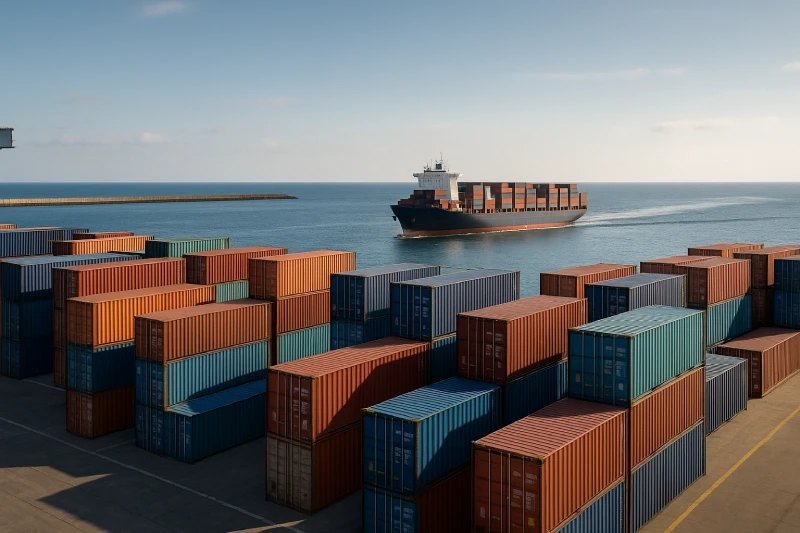
When importing goods from China to Kenya, many buyers struggle with customs clearance, import taxes, and last-mile delivery. These challenges often cause unexpected delays and cost overruns, especially for importers who are not familiar with Kenya’s customs system.
DDP shipping from China to Kenya offers a simplified solution by placing the entire logistics responsibility on the freight forwarder. Under Delivered Duty Paid (DDP) terms, the seller or appointed forwarder handles export clearance in China, international transportation, Kenya customs clearance, import duties and VAT, and final delivery to the buyer’s specified address. For the buyer, this means fewer administrative burdens and a clearer landed cost.
This guide explains how DDP shipping works in the Kenya context, what costs and transit times to expect, and when DDP is the right choice compared with other Incoterms.
For importers who are new to international trade, understanding the overall shipping from China to Kenyaprocess can help put DDP shipping into the right context.
What Is DDP Shipping When Importing from China to Kenya?
DDP shipping, short for Delivered Duty Paid, is an Incoterms® rule where the seller or appointed freight forwarder takes full responsibility for the shipment until the goods are delivered to the buyer’s specified location in Kenya. This includes export customs clearance in China, international transportation, import customs clearance in Kenya, payment of import duties and VAT, and final inland delivery.
In the context of shipping from China to Kenya, DDP is often chosen by buyers who want to avoid dealing directly with the Kenya Revenue Authority (KRA), complex customs documentation, or unexpected tax payments upon arrival. Instead of managing multiple logistics partners, the buyer receives the cargo with all import formalities already completed.
Under DDP terms, the buyer’s role is mainly limited to providing accurate product information, commercial value, and delivery details. The forwarder coordinates the rest of the process, including compliance with Kenyan import regulations. This makes DDP particularly attractive for first-time importers, small and medium-sized businesses, and overseas sellers who do not have a registered entity or customs broker in Kenya.
However, it is important to understand that DDP does not eliminate costs—it bundles them. Import duties, VAT, and local handling fees are still paid, but they are handled on the buyer’s behalf and included in the overall DDP arrangement. Understanding this distinction helps importers evaluate whether DDP is the most suitable option compared with other shipping terms.
When Does DDP Shipping Make Sense for Kenya Imports?
DDP shipping is not a one-size-fits-all solution. While it can significantly simplify the import process, it is most effective in specific situations where the buyer prefers predictability and reduced administrative involvement over direct control of customs and taxes.
Who Should Use DDP Shipping to Kenya?
DDP shipping from China to Kenya is often a practical choice for the following types of importers:
First-time importers to Kenya
Buyers who are unfamiliar with Kenya customs procedures, KRA documentation requirements, or local tax rules often benefit from having these handled by an experienced forwarder.
Small and medium-sized businesses
Companies without an in-house logistics or compliance team can avoid the complexity of managing multiple service providers by using a single DDP solution.
Overseas sellers and e-commerce operators
Businesses selling into Kenya without a local legal entity or customs registration frequently rely on DDP to complete import formalities legally and efficiently.
Project or time-sensitive shipments
When delays at customs could disrupt operations or project timelines, DDP can help reduce uncertainty by centralizing responsibility.
When DDP Is Not the Best Option
In some cases, DDP shipping may not be the most cost-effective or appropriate choice:
Importers with established Kenya customs clearance capability
Businesses that already have a reliable customs broker, VAT registration, and experience dealing with KRA may prefer DAP or CIF terms to maintain cost control.
Large-volume, low-margin cargo
For bulk shipments where import taxes represent a significant portion of total cost, managing duties directly can sometimes be more economical than bundling them under DDP.
Understanding whether DDP aligns with your operational capabilities and risk tolerance is essential before choosing this shipping term for Kenya-bound cargo.
DDP Shipping Process from China to Kenya (Step-by-Step)
DDP shipping from China to Kenya follows a structured process designed to minimize the buyer’s involvement while ensuring compliance with both Chinese export regulations and Kenyan import requirements.
Understanding each step helps importers know what information is needed and where potential delays may occur.
Step 1: Cargo Review and HS Code Confirmation
Before shipment, the forwarder reviews the product details, HS code, declared value, and destination address. Accurate classification is critical, as it directly affects Kenya import duties and VAT calculations.

Step 2: Export Customs Clearance in China
Once the cargo is ready, export documentation such as the commercial invoice, packing list, and export declaration is prepared. The shipment is then cleared through China customs in accordance with export regulations.
Step 3: International Transportation to Kenya
The cargo is transported by the selected shipping mode—sea freight, air freight, or express—depending on cost, urgency, and cargo type. Choosing the appropriate method is an important factor in overall transit time and reliability.
Different cargo types may require different transport strategies. For a detailed comparison, see our guide to shipping methods from China to Kenya.
Step 4: Kenya Import Customs Clearance
Upon arrival, the forwarder handles customs clearance with the Kenya Revenue Authority (KRA). This includes submitting import documents, settling applicable duties and VAT, and coordinating inspections if required.
Step 5: Final Delivery to the Buyer’s Address
After customs clearance is completed, the cargo is released for inland transportation and delivered to the agreed destination, such as a warehouse, office, or project site in Kenya.
This end-to-end process is what differentiates DDP shipping from other terms, as the buyer does not need to coordinate separate agents for clearance or local delivery.
DDP Shipping Cost from China to Kenya: What’s Included?
The cost of DDP shipping from China to Kenya is not a single fixed rate. Instead, it is a bundled total that covers multiple stages of the logistics and import process. Understanding what is included—and what factors influence the final amount—helps importers evaluate DDP offers more accurately.
Main Cost Components Under DDP
A typical DDP shipment to Kenya includes the following cost elements:
- International transportation: Freight charges from China to Kenya by sea or air, depending on the selected shipping method and cargo volume.
- Export and import customs handling: Documentation processing, customs declarations, and coordination with authorities in both China and Kenya.
- Kenya import duties and VAT: Import taxes assessed by the Kenya Revenue Authority (KRA), calculated based on the HS code and declared value of the goods. Under DDP, these charges are paid on behalf of the buyer.
- Local handling and final delivery: Port or airport handling, inland transportation, and delivery to the specified address in Kenya.
These costs are typically consolidated into one DDP quote, allowing the buyer to understand the landed cost without managing each item separately.
What Affects DDP Shipping Cost to Kenya Most
Several variables can significantly impact the total DDP cost:
- Product type and HS code classification: Different goods attract different duty rates and compliance requirements in Kenya.
- Declared cargo value: Import duties and VAT are directly linked to the declared value, making accurate declaration essential.
- Shipping method and transit route: Sea freight and air freight have very different cost structures and timelines.
- Final delivery location: Deliveries to inland destinations may involve higher local transportation costs than shipments to major cities such as Nairobi or Mombasa.
For a broader view of freight pricing structures, reviewing overall shipping cost from China to Kenya can help place DDP charges in proper context.
DDP Shipping Time from China to Kenya
Transit time is one of the most common concerns when choosing DDP shipping from China to Kenya. While DDP simplifies responsibility, the overall delivery time still depends on the shipping method, customs clearance efficiency, and documentation accuracy.
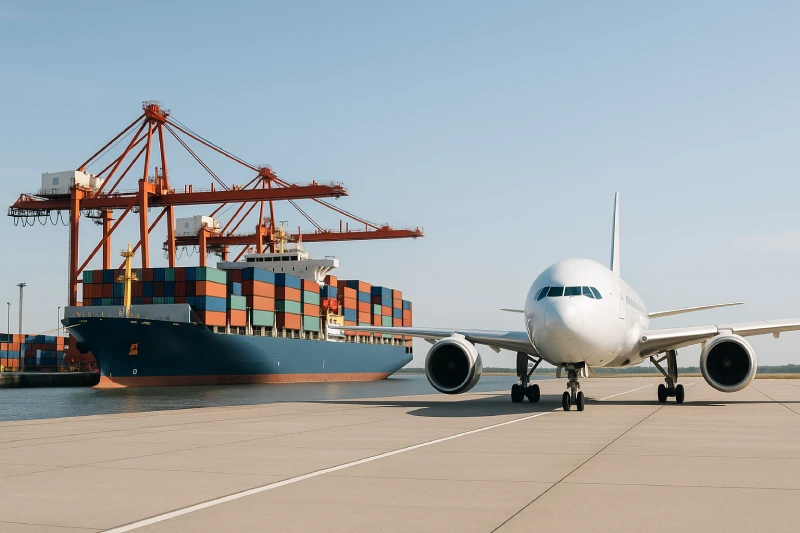
Estimated Transit Time by Shipping Mode
| Shipping Mode | Typical DDP Transit Time* |
|---|---|
| Sea Freight DDP | 35–50 days |
| Air Freight DDP | 7–12 days |
| Express DDP | 5–8 days |
*Transit times are estimates and may vary depending on port congestion, customs inspections, and seasonal factors.
Sea freight DDP is generally selected for large or heavy shipments where cost efficiency is the priority, while air freight and express options are preferred for urgent or high-value cargo.
Why DDP Shipping Time Can Vary in Kenya
Even under DDP terms, delivery timelines are not completely fixed. Common factors that affect shipping time to Kenya include:
- Customs clearance speed: Clearance time with the Kenya Revenue Authority (KRA) depends heavily on documentation accuracy and cargo classification.
- HS code and compliance requirements: Certain products may require additional permits or inspections, extending clearance time.
- Port or airport congestion: Seasonal peaks and operational delays at Mombasa Port or Nairobi airports can impact schedules.
- Final delivery distance: Inland destinations may require additional transit time after customs release.
For a broader understanding of transit expectations across different shipping options, reviewing how long shipping from China to Kenya takes can help importers choose the most suitable DDP solution.
DDP vs DAP vs CIF for Kenya Imports
When importing goods from China to Kenya, choosing the right Incoterms can significantly affect cost control, risk exposure, and operational complexity. DDP, DAP, and CIF are commonly discussed options, but they allocate responsibilities very differently—especially when it comes to Kenya customs clearance and import taxes.
Key Differences at a Glance
| Incoterm | Customs Clearance in Kenya | Import Duties & VAT | Buyer’s Risk Level |
|---|---|---|---|
| DDP | Handled by forwarder | Paid by forwarder | Low |
| DAP | Handled by buyer | Paid by buyer | Medium |
| CIF | Handled by buyer | Paid by buyer | High |
How These Differences Matter in Kenya
Under CIF, the seller’s responsibility ends at the Kenyan port. The buyer must arrange customs clearance, pay duties and VAT, and manage inland transportation—tasks that can be challenging without local experience or a customs broker.
With DAP, the cargo is delivered closer to the final destination, but the buyer is still responsible for Kenya customs clearance and tax payments. This option offers more control than DDP but still requires familiarity with KRA procedures.
DDP, by contrast, transfers the entire import process to the seller or appointed freight forwarder. For many Kenya-bound shipments—particularly those involving new importers or overseas sellers—this significantly reduces operational risk and administrative burden.
However, DDP may not always be the lowest-cost option. Buyers who already have strong customs capabilities in Kenya may find DAP or CIF more economical, as they retain direct control over tax payments and clearance strategies.
Understanding these trade-offs is essential when deciding which Incoterms best align with your experience level, shipment size, and risk tolerance.
Kenya Customs, Import Duties & VAT Under DDP
When shipping goods to Kenya under DDP terms, customs clearance and tax payment are handled on the buyer’s behalf, but they still follow Kenya’s official import regulations. Understanding how this process works helps importers avoid compliance issues and unrealistic expectations.

All imports into Kenya are regulated by the Kenya Revenue Authority (KRA). Under DDP shipping, the appointed forwarder submits the required import documentation, declares the cargo value, and settles applicable import duties and value-added tax (VAT) before the goods are released.
Import taxes in Kenya are primarily determined by the HS code classification and the declared customs value. In addition to duties and VAT, certain shipments may be subject to additional charges such as the Import Declaration Fee (IDF) or regulatory inspections, depending on the product type. These elements are factored into the DDP arrangement rather than billed separately to the buyer.
It is important to note that while DDP simplifies the buyer’s role, it does not bypass Kenyan customs controls. Cargo may still be inspected, and incorrect declarations can result in delays or reassessments by KRA. This is why accurate product descriptions and realistic declared values are essential for smooth DDP clearance.
⚠️ Compliance note: DDP shipping should always be handled by a forwarder with genuine Kenya customs experience. Misuse of DDP to underdeclare cargo or avoid taxes can lead to penalties, cargo holds, or long-term import restrictions.
Common Risks & Mistakes in DDP Shipping to Kenya
While DDP shipping from China to Kenya can greatly simplify the import process, it is not without risks. Many problems arise not from the DDP model itself, but from misunderstandings or improper execution.
One common mistake is underestimating the importance of accurate HS code classification. In Kenya, duties and VAT are closely tied to HS codes. Incorrect classification can lead to reassessment by the Kenya Revenue Authority (KRA), delayed clearance, or unexpected additional charges—even under DDP terms.
Another frequent issue is unrealistically low declared cargo value. Some importers assume that DDP allows taxes to be “absorbed” or minimized without consequence. In reality, KRA may question declared values that do not align with market norms, triggering inspections or valuation adjustments that delay delivery.
Choosing a forwarder without real local customs capability in Kenya is also a major risk. Not all logistics providers offering “DDP” actually control the clearance and tax process locally. In such cases, shipments may stall at port or airport while responsibility is disputed.
Finally, many buyers misunderstand DDP as a guarantee of zero involvement. While DDP reduces administrative work, the buyer still plays a role by providing accurate product information, invoices, and compliance-related details. Clear communication at the beginning is essential to avoid problems later in the process.
Recognizing these risks early allows importers to use DDP more effectively and avoid costly disruptions to their supply chain.
Why Choosing the Right DDP Forwarder Matters in Kenya
Successful DDP shipping to Kenya depends heavily on the capability of the freight forwarder managing the shipment. Because the forwarder assumes responsibility for customs clearance, tax payment, and final delivery, experience and local knowledge play a critical role in reducing risk.
What a Reliable Kenya DDP Forwarder Should Have
When evaluating a DDP shipping provider for Kenya-bound cargo, the following capabilities are essential:
Proven Kenya customs clearance experience
Familiarity with KRA procedures, documentation requirements, and inspection practices helps prevent unnecessary delays.
Accurate tax and cost assessment ability
A reliable forwarder evaluates duties and VAT based on correct HS codes and realistic cargo values, avoiding surprises after arrival.
Controlled local delivery network
The ability to manage inland transportation ensures cargo reaches the final destination without additional coordination by the buyer.
Transparent communication
Clear explanations of what is included under DDP—and what information is required from the buyer—are critical for smooth execution.
How Winsail Supports DDP Shipping from China to Kenya
Winsail approaches DDP shipping to Kenya with a focus on compliance, clarity, and risk control. Shipments are assessed before departure to confirm cargo classification, documentation, and delivery requirements. This preparation allows the entire DDP process—from export clearance to final delivery—to proceed with fewer disruptions and greater predictability for the importer.
Get a DDP Shipping Quote from China to Kenya
Because DDP shipping from China to Kenya involves customs clearance, import taxes, and local delivery, costs and transit times can vary significantly depending on the cargo details. A well-prepared quotation helps avoid delays and unexpected charges later in the process.
Before requesting a DDP shipping quote, it is helpful to prepare the following information:
- Product description and intended use
- Estimated cargo value and quantity
- Preferred shipping method and delivery location in Kenya
- Expected ready date in China
Providing accurate details at the outset allows the forwarder to assess customs requirements, estimate duties and VAT correctly, and recommend the most suitable DDP solution. This approach helps importers achieve a clearer landed cost and a more predictable delivery schedule.
If you are comparing different options or still evaluating whether DDP is the right choice, reviewing the overall shipping from China to Kenya process can also provide useful context when planning your shipment.
