
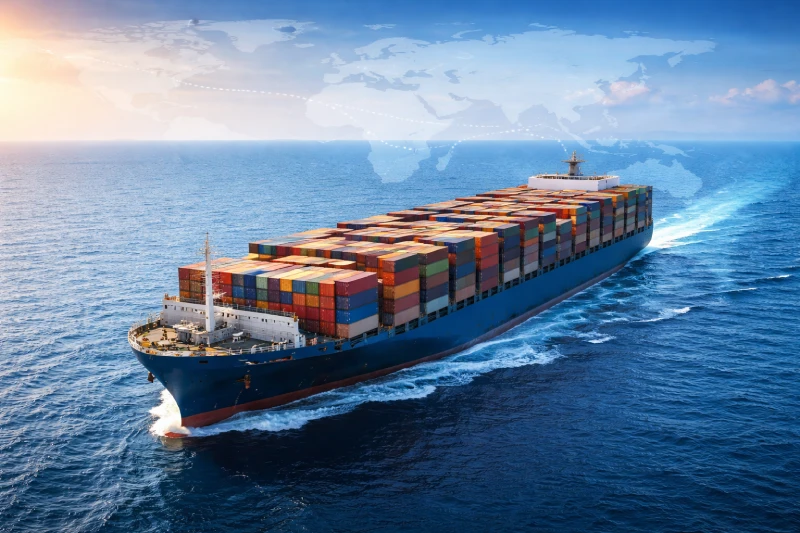
Sea freight is the most widely used and cost-efficient shipping method for moving goods from China to Nigeria—especially for bulk cargo, commercial imports, and long-term supply chains.
If you’re still comparing different shipping methods or just starting your sourcing journey, it’s recommended to first understand the full process in our Shipping from China to Nigeria guide, where we break down all available options including sea, air, and express shipping.
In this guide, we focus specifically on ocean freight—helping you understand how it works, when to choose FCL or LCL, what costs to expect, and how to avoid common delays when shipping to Nigeria.
How Sea Freight Works
Sea freight follows a structured logistics chain that moves cargo from your supplier in China to the final destination in Nigeria.
The process typically begins with cargo pickup from the supplier’s factory, followed by delivery to a consolidation warehouse or directly to the port. At this stage, cargo is either loaded into a full container (FCL) or grouped with other shipments (LCL).
Once at the port, goods go through export customs clearance, where documentation is verified. After clearance, containers are loaded onto a vessel and transported via major shipping routes—often passing through transshipment hubs such as Singapore or Dubai.
Upon arrival at Nigerian ports (typically Lagos), cargo undergoes import customs clearance, inspection, and duty payment. After release, goods are delivered to the consignee’s warehouse or final destination.
Sea freight involves multiple stakeholders—freight forwarders, shipping lines, customs brokers, and port authorities—making it essential to work with an experienced logistics partner to ensure smooth coordination.
FCL vs LCL
Choosing between FCL (Full Container Load) and LCL (Less than Container Load) is one of the most important decisions when shipping from China to Nigeria.
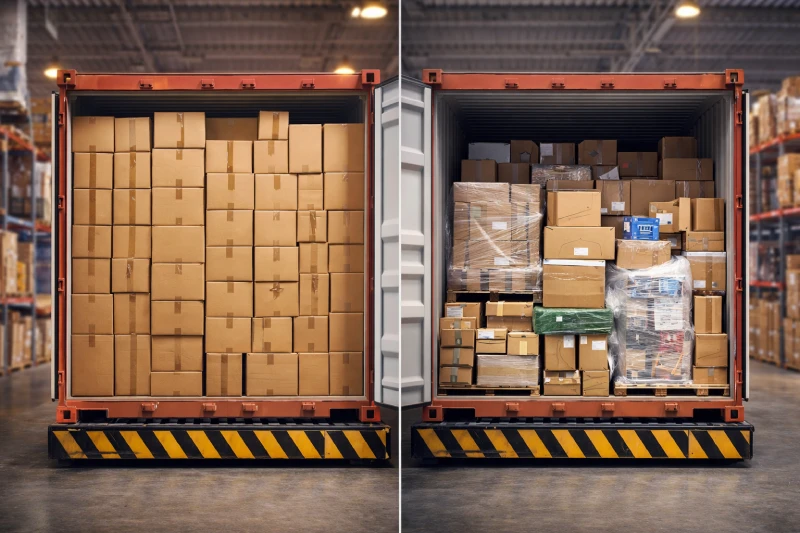
What is FCL?
FCL means your cargo occupies an entire container (20FT or 40FT). Even if the container is not fully filled, it is reserved exclusively for your shipment.
Advantages of FCL:
- Faster transit and handling (no consolidation delays)
- Lower risk of damage or loss
- Better for large volumes (typically above 15–18 CBM)
- More predictable delivery schedules
Best for: Bulk shipments, high-value goods, or time-sensitive cargo.
What is LCL?
LCL is used when your cargo does not fill a full container. Your shipment is consolidated with other cargo in a shared container.
Advantages of LCL:
- Cost-effective for small shipments
- No need to wait until you have full container volume
- Flexible for testing new products or smaller orders
Limitations:
- Longer transit time (due to consolidation and deconsolidation)
- Higher risk of handling damage
- More complex pricing structure (per CBM basis)
FCL vs LCL — Quick Comparison
| Factor | FCL | LCL |
|---|---|---|
| Cost Efficiency | Better for large volume | Better for small shipments |
| Transit Time | Faster | Slower |
| Risk | Lower | Higher |
| Pricing Model | Per container | Per CBM |
| Control | Full control | Shared space |
Decision Tip:
If your shipment exceeds 15 CBM, FCL is usually more economical. For smaller shipments, LCL is the practical choice.
Transit Time
Sea freight transit time from China to Nigeria depends on the origin port, shipping route, and whether the shipment is direct or involves transshipment.
Typical Transit Time
- South China (Shenzhen / Guangzhou) → Lagos: 30–40 days
- East China (Shanghai / Ningbo) → Lagos: 35–45 days
- With transshipment: +5–10 days
Delays may occur due to port congestion, customs clearance, or vessel scheduling.
For a detailed breakdown of routes and timelines, see our Shipping Time from China to Nigeria guide.
Factors Affecting Transit Time
- Shipping route: Direct vs transshipment
- Port congestion: Common in Lagos ports
- Customs clearance efficiency
- Seasonality: Peak seasons (Q4) cause delays
Planning buffer time is critical, especially for commercial imports.
Cost Breakdown
Sea freight costs from China to Nigeria are composed of multiple components—not just ocean freight.
Main Cost Components
1. Ocean Freight
- Charged per container (FCL) or per CBM (LCL)
- Varies by season, route, and carrier
2. Origin Charges (China)
- Export customs clearance
- Documentation fees
- Trucking from factory to port
3. Destination Charges (Nigeria)
- Terminal handling charges (THC)
- Port fees
- Delivery fees
4. Customs Duties & Taxes
- Based on product category and value
- Requires accurate HS code classification
For full pricing structures, visit:
Example Price Ranges
| Shipment Type | Price Range |
|---|---|
| 20FT FCL | $3,000 – $5,500 |
| 40FT FCL | $4,500 – $7,500 |
| LCL | $80 – $150 per CBM |
Prices fluctuate based on fuel costs, demand, and global shipping conditions.
Port Operations in Nigeria
Nigeria’s primary seaports are located in Lagos, including Apapa Port and Tin Can Island Port. These ports handle the majority of imports from China.
Key Characteristics
- High traffic volume: Nigeria is one of Africa’s largest import markets
- Frequent congestion: Especially at Apapa Port
- Complex customs procedures: Requires experienced handling
Import Process in Nigeria
- Arrival notice from shipping line
- Submission of import documentation
- Customs inspection (physical or scanning)
- Duty payment
- Cargo release
- Inland delivery
Challenges
- Port congestion leading to delays
- Documentation errors causing clearance issues
- Limited infrastructure causing trucking delays
Working with a freight forwarder offering DDP (Delivered Duty Paid) can simplify this process significantly.
Common Delays & Solutions
Sea freight shipments to Nigeria can face delays—but most are preventable with proper planning.
Common Causes of Delays
1. Port Congestion
Lagos ports often experience heavy traffic, causing unloading delays.
2. Documentation Errors
Incorrect invoices, packing lists, or HS codes can delay customs clearance.
3. Customs Inspection Delays
Random inspections or compliance checks may extend processing time.
4. Transshipment Delays
Cargo routed through intermediate ports may miss connections.
Solutions
- Use experienced freight forwarders familiar with Nigeria routes
- Prepare accurate documentation (commercial invoice, packing list)
- Choose FCL when possible to reduce handling delays
- Consider DDP shipping to outsource customs and delivery
- Plan buffer time (5–10 days extra)
Proactive logistics planning is the key to avoiding costly disruptions.
FAQs
1. How long does sea freight from China to Nigeria take?
Typically 30–45 days, depending on route and port conditions.
2. Is FCL cheaper than LCL?
For shipments above 15 CBM, FCL is usually more cost-effective.
3. Which port is best for imports into Nigeria?
Most cargo arrives via Lagos (Apapa or Tin Can Island).
4. What documents are required?
- Commercial invoice
- Packing list
- Bill of lading
- Import permits (if applicable)
5. Can I use DDP shipping for sea freight?
Yes. Many freight forwarders offer DDP shipping, handling customs, duties, and final delivery.
If you’re planning to import goods from China to Nigeria, sea freight remains the most economical and scalable option. Choosing the right shipping method (FCL vs LCL), understanding costs, and working with experienced partners can significantly improve your logistics efficiency and profitability.
