
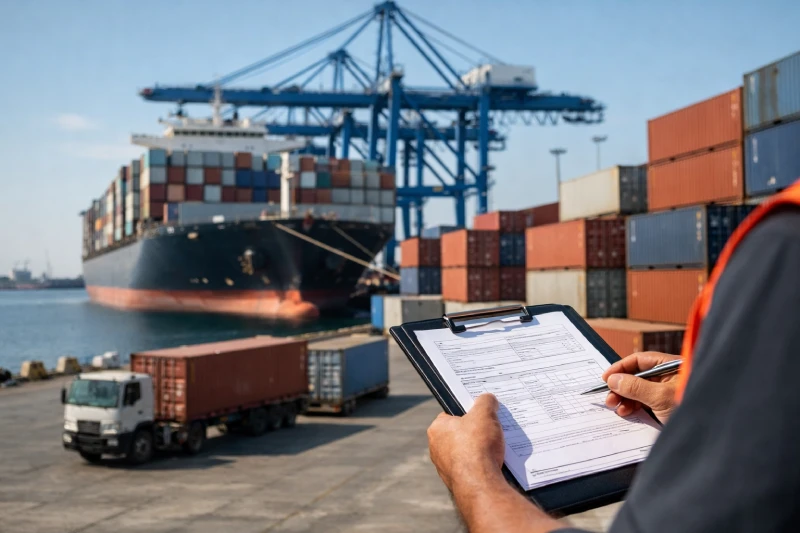
In 2025, 20ft and 40ft container (FCL) shipping costs from China to Kenya typically fall within broad, variable ranges, depending on origin port, season, container type, and whether you ship port-to-port or door-to-door.
A 40ft container usually offers better cost efficiency per CBM, while a 20ft suits smaller, heavier cargo.
Final costs often change due to local charges, fuel surcharges, and Mombasa port conditions—so budgeting with ranges is safer than relying on “fixed” quotes.
20ft vs 40ft Container Cost from China to Kenya (FCL)
For Kenya-bound imports, FCL (Full Container Load) pricing is mainly driven by container size, routing, and service scope. While market conditions fluctuate, importers can still build a realistic budget by understanding how 20ft and 40ft containers are typically priced and what those prices actually include.
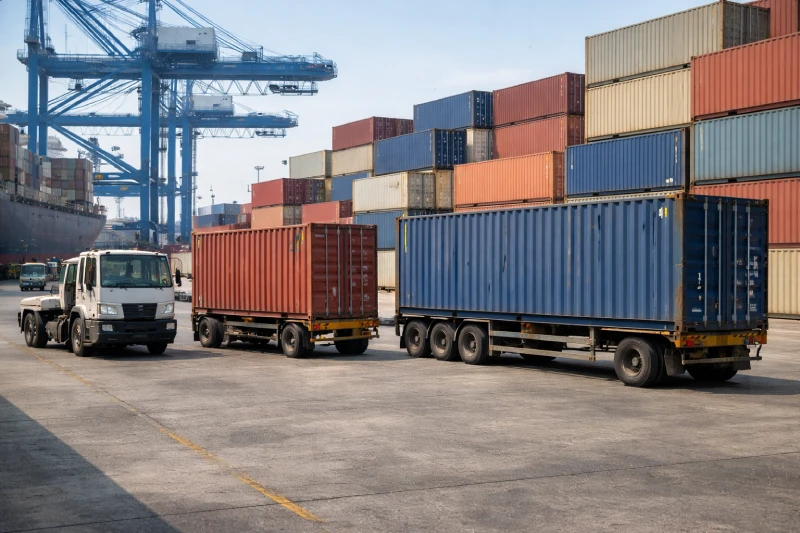
In most cases, a 20ft container (20GP) has a lower absolute freight cost, but a 40ft container (40GP or 40HQ) often delivers better value per cubic meter. This is why volume-driven cargo—such as FMCG, furniture, or packaged industrial goods—usually ships in 40ft containers, while heavier or denser cargo (machinery, tiles, metal products) fits better in a 20ft.
Cost also changes depending on whether you choose port-to-port or door-to-door service.
- Port-to-port pricing mainly covers ocean freight and basic origin charges, leaving Kenyan local costs and inland delivery to be handled separately.
- Door-to-door pricing bundles inland transport, clearance coordination, and final delivery, offering clearer cash-flow planning but at a higher upfront figure.
Another common misconception is assuming that a quoted “container price” reflects the full landed cost. In reality, destination charges at Mombasa, container handling, and inland trucking can significantly affect the final number—especially during congestion or peak seasons.
To help you budget quickly, the table below shows typical cost ranges rather than fixed prices, which is far more reliable for early-stage planning.
| Container Type | Port-to-Port Range (USD) | Door-to-Door Range (USD) | Typical Use Case |
|---|---|---|---|
| 20GP | Mid-range, lower total | Moderate | Heavy or compact cargo, machinery |
| 40GP | Higher total, better per CBM | Higher | General cargo, balanced weight & volume |
| 40HQ | Slightly higher than 40GP | Highest | Light, high-volume cargo |
What you learn: how container size and service scope affect budgeting—and why comparing ranges is safer than chasing “cheap” headline rates.
20GP vs 40GP vs 40HQ: Which Container Is Right?
Choosing the right container is not just about price—it directly affects cost efficiency, cargo safety, and compliance. For shipments from China to Kenya, the difference between 20GP, 40GP, and 40HQ can easily shift your total logistics budget by thousands of dollars if mismatched.
A 20GP (20ft General Purpose) container offers lower total freight cost and higher weight tolerance per CBM. It is typically the best choice for dense or heavy cargo, such as machinery parts, tiles, metal products, or packed industrial equipment. While the cost per container is lower, the cost per CBM is usually higher compared with a 40ft option.
A 40GP (40ft General Purpose) container balances volume and cost. It works well for mixed general cargo where weight and volume are evenly distributed. Although the absolute freight cost is higher than a 20ft, importers often benefit from better space utilization and lower average cost per unit.
A 40HQ (40ft High Cube) container provides extra internal height, making it ideal for light, high-volume cargo such as furniture, consumer goods, cartons, or packaged retail products. While the freight rate is slightly higher than a 40GP, the additional usable space often improves overall cost efficiency when volume is the main constraint.
In practice, the “cheapest” container is the one that fits your cargo profile correctly. Selecting the wrong container size can lead to wasted space, overweight surcharges, or forced rebooking—costs that far exceed any initial rate difference.
When Does FCL Make More Sense Than LCL?
For Kenya-bound shipments, the decision between FCL (Full Container Load) and LCL (Less than Container Load) should be based on total cost control and risk, not just CBM size. While LCL looks cheaper for small volumes, it becomes less efficient as cargo volume increases.
As a general planning rule, FCL often makes more sense once your cargo approaches the mid-teens CBM range, especially if the shipment is time-sensitive or valuable. With FCL, you avoid consolidation delays, multiple handling points, and unpredictable destination charges—common cost risks for LCL at Mombasa.
FCL also provides better cargo security, simpler documentation, and clearer cost forecasting, which is critical for SMEs managing cash flow. LCL may still be suitable for very small or irregular shipments, but for consistent imports, many Kenyan buyers switch to FCL earlier than expected to reduce overall risk.
For a detailed comparison of shipping modes, see Best Shipping Methods from China to Kenya, which breaks down FCL, LCL, and air freight scenarios in more depth.
Key Cost Drivers That Change Your Container Price
Even for the same 20ft or 40ft container, the final shipping cost from China to Kenya can vary widely. Understanding the main cost drivers helps you spot unrealistic quotes and avoid budget surprises.
- China origin port: Rates differ between major ports such as Shanghai, Ningbo, Shenzhen, or Qingdao due to carrier capacity and routing.
- Mombasa port conditions: Congestion, yard density, and equipment availability can increase local handling and waiting costs.
- Fuel and carrier surcharges: BAF, PSS, and emergency surcharges are adjusted frequently and can change mid-season.
- Container type availability: Imbalances between 20ft and 40ft equipment often push prices up for specific sizes.
- Peak vs off-peak season: Pre-holiday shipping periods and Q3–Q4 demand typically drive rates higher.
- Cargo characteristics: Overweight cargo, DG goods, or special handling requirements add extra fees.
- Inland delivery distance: Trucking to Nairobi or upcountry destinations significantly affects door-to-door pricing.
These variables explain why two quotes for “the same container” can look very different—and why cost ranges are more reliable than fixed numbers.
How to Reduce Container Shipping Cost Without Increasing Risk
Lowering your container shipping cost should never come at the expense of delays, penalties, or cargo damage. For China–Kenya trade, the most effective savings come from planning and structure, not chasing the lowest headline rate.
- Choose the right container size: An underfilled 40ft or overweight 20ft often costs more in the long run.
- Be flexible with sailing dates: Even a few days’ flexibility can avoid peak surcharges.
- Use the right Incoterms: Align Incoterms with how much cost and control you actually want.
- Avoid underutilized FCL: If volume is borderline, recheck whether FCL or LCL truly makes sense.
- Book earlier during peak season: Last-minute bookings to Mombasa are almost always more expensive.
- Confirm “all-in” pricing scope: Ensure local charges and basic destination handling are clearly defined.
- Prepare clearance documents in advance: Delays at customs often trigger storage and demurrage costs.
The goal is predictable, controllable cost, not just the cheapest initial quote.
Common Container Shipping Quote Mistakes to Avoid
Many Kenya importers run into cost overruns not because rates are high, but because quotes are misunderstood or incomplete. Avoiding the mistakes below can save significant time and money.
- Confusing ocean freight with total landed cost: A low base rate often excludes destination charges at Mombasa.
- Ignoring local charges in Kenya: Handling, documentation, and port-related fees can add up quickly.
- Assuming a 40ft is always cheaper per CBM: This only works when the container is properly utilized.
- Overlooking overweight or special cargo surcharges: Dense cargo can trigger unexpected fees.
- Not checking rate validity: Container rates are usually time-limited and can expire quickly.
- Applying LCL logic to FCL quotes: FCL pricing is container-based, not CBM-based.
Clear, comparable quotes are essential for realistic budgeting—especially when shipping full containers.
Kenya-Specific Notes Importers Should Know
Shipping a full container to Kenya involves a few local realities that directly affect cost, timing, and risk—especially for first-time importers.
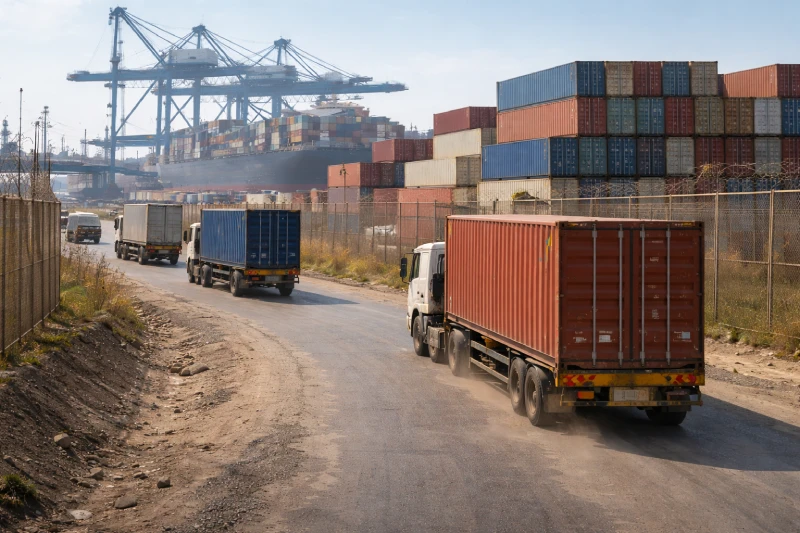
Port of Mombasa is the primary gateway for containerized cargo. While operations are generally stable, periodic congestion, yard density, and customs inspection queues can extend container dwell time. These delays may increase storage or demurrage costs if clearance is not well prepared.
For Nairobi and inland deliveries, trucking distance and road conditions play a major role in door-to-door pricing. Inland transport is often the largest variable cost after ocean freight, particularly during peak seasons or fuel price adjustments.
Typical delay reasons include incomplete documents, valuation queries, inspection selection, and port congestion. Most of these issues are avoidable with early document checks and realistic scheduling.
For a deeper understanding of procedures and documentation, refer to Customs Clearance in Kenya, and for overall transit expectations, see China to Kenya Transit Time.
Port-to-Port vs Door-to-Door Container Cost: What Changes?
The biggest difference between port-to-port and door-to-door container shipping is who controls—and carries—the downstream costs.
With port-to-port, your quote mainly covers ocean freight and basic origin charges. Kenyan destination fees, customs clearance, and inland delivery are handled separately, which can lower the initial rate but increase cost uncertainty if local charges are not well estimated.
With door-to-door, those elements are bundled into a single framework, making cash-flow planning and accountability clearer—especially for SMEs importing on a fixed budget. The upfront number is higher, but surprises are fewer.
If you want simplified budgeting and reduced coordination risk, DDP Shipping from China to Kenya is often the most predictable option for full containers, particularly when delivering to Nairobi or inland locations.
How to Get an Accurate Container Cost Estimate
To receive a reliable 20ft or 40ft container cost estimate for China–Kenya shipping, focus on clarity rather than speed. Providing the right details upfront allows forwarders to give realistic ranges instead of unstable headline rates.
At minimum, prepare your cargo description, estimated weight and volume, China origin port, Kenyan destination, preferred Incoterms, and target shipping window. These factors directly affect container availability, routing, and surcharges.
Because rates change frequently, experienced importers budget using cost ranges and validity periods, not “locked” numbers. This approach reduces financial shock and makes decision-making far more stable—especially when planning repeat shipments.
FAQs
1. Is a 20ft container or 40ft container better for first-time Kenya importers?
For first-time importers, the “better” option depends on cargo density and risk tolerance. A 20ft container is easier to control for heavy goods, while a 40ft offers better unit economics if volume is consistent and predictable.
2. Can container shipping costs change after booking?
Yes. While the base ocean rate is usually fixed once confirmed, surcharges, local port fees, or storage costs can change if conditions at origin or Mombasa shift unexpectedly.
3. Does FCL shipping reduce cargo damage risk compared to LCL?
Generally, yes. FCL involves fewer handling points and no consolidation with other shippers’ cargo, which reduces the risk of damage, misplacement, or contamination.
4. Are container rates from all China ports similar to Kenya?
No. Rates can vary noticeably between northern and southern China ports due to carrier routes, equipment balance, and sailing frequency.
5. How far in advance should I plan container shipments to Kenya?
For stable pricing and space, planning 2–4 weeks ahead is recommended, especially during peak seasons or before major holidays.
6. Can I use one container for mixed product types?
Yes, as long as the cargo is compatible in terms of handling, weight distribution, and regulatory requirements. Proper packing and documentation are essential to avoid clearance issues in Kenya.
