
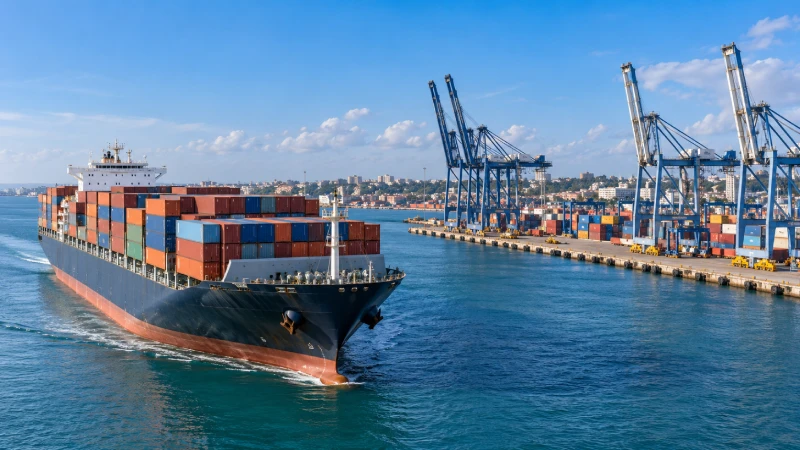
Shipping from China to Mombasa is one of the main ocean-freight routes used by Kenyan importers sourcing machinery, electronics, building materials, consumer goods, spare parts and other commercial cargo from China.
But choosing a vessel to Mombasa is only one part of the shipment.
A practical China-to-Mombasa plan also needs to answer several questions before the cargo leaves the supplier:
- Which Chinese port should the shipment use?
- Is FCL or LCL more suitable?
- How much time should be allowed for the ocean leg and destination handling?
- Which charges are included in the freight quotation?
- Which Kenya import documents must be prepared before loading?
- Has the Advance Cargo Declaration been completed?
- Will the cargo finish its journey in Mombasa or continue to Nairobi?
These decisions affect the total shipping cost, documentation risk and the time required to release the cargo after arrival.
For importers who are still comparing air freight, sea freight, DDP and other options, see our complete shipping from China to Kenya guide first.
Data Note: Ocean freight rates, carrier schedules, port charges and regulatory procedures can change. Transit examples below are planning references based on published carrier and Kenyan authority information available in September 2026. The actual sailing, charges and compliance requirements should be checked against your cargo and booking date.
Quick Answer: How Does Shipping from China to Mombasa Work?
For most commercial cargo, the shipment starts with pickup from the Chinese supplier or delivery to a consolidation warehouse. Depending on supplier location and the current sailing schedule, common China gateways to check for Mombasa include Shanghai, Ningbo and Nansha, among others.
CMA CGM’s published Kilima service currently shows Shanghai, Ningbo and Nansha on its Asia–East Africa rotation, with Mombasa reached approximately 22–27 days after those China calls on the published service sequence. Carrier schedules are indicative and can change, so the actual vessel should always be reconfirmed before booking. See the CMA CGM Kilima service schedule.
Smaller commercial shipments can move as LCL, while larger shipments can use a 20ft, 40ft or other appropriate FCL container. The correct choice should be based on the total origin, freight and destination cost, not ocean freight alone.
Containerized cargo destined for Kenyan ports also needs to comply with Kenya’s Advance Cargo Declaration process. KRA states that exporters must obtain an ACD reference at the port of loading and have it endorsed on the Bill of Lading before the shipment proceeds to Kenya. See the KRA Advance Cargo Declaration notice.
After arrival in Mombasa, cargo proceeds through port handling, customs and any applicable regulatory controls before release. It can then be delivered locally or moved inland, including to Nairobi.
Which China Port Should You Use for Shipping to Mombasa?
The best origin port is not automatically the closest seaport to the factory.
For a real shipment, the forwarder should compare:
supplier location + China inland trucking + consolidation + origin charges + sailing schedule + ocean freight + total transit
A lower ocean rate can be cancelled out by expensive domestic trucking, an inconvenient transshipment or a longer wait for the next vessel.
East China: Shanghai or Ningbo
For suppliers in Shanghai, Jiangsu and nearby industrial areas, Shanghai is normally one of the gateways worth checking.
For suppliers in Zhejiang, Ningbo and the wider Yiwu sourcing region, Ningbo can often reduce China-side trucking compared with moving cargo unnecessarily to another port.
Both Shanghai and Ningbo appear on currently published Asia–East Africa carrier rotations serving Mombasa.
If you buy from several factories in Zhejiang and Jiangsu, another option is to collect the goods at one consolidation warehouse before loading the container or preparing the LCL shipment.
That can be more efficient than allowing each supplier to arrange a separate export shipment.
South China: Nansha or Another South China Gateway
For factories around Guangzhou, Foshan, Dongguan and Shenzhen, a South China gateway should usually be compared first.
Nansha is currently included on published East Africa services calling Mombasa.
However, the supplier’s city alone should not determine the booking.
For example, if three suppliers are located in different parts of Guangdong, it may be more practical to consolidate their goods into one warehouse and choose the gateway based on:
- total trucking distance
- warehouse location
- vessel departure date
- container availability
- cut-off time
- origin charges
- direct or transshipment routing
What About Qingdao, Tianjin and Other China Ports?
Cargo from Northern China can also be shipped to Mombasa.
Published carrier schedules have included China origins such as Qingdao on East Africa services, but the exact routing, direct-call status and transshipment pattern vary by carrier and sailing.
For suppliers in Shandong, Hebei, Tianjin or Northern China, do not automatically truck the cargo south simply because Shanghai or Nansha has a familiar Mombasa service.
Compare the complete routing first.
| Supplier area | Gateway to check first | Main reason | Confirm before booking |
|---|---|---|---|
| Shanghai / Jiangsu | Shanghai | Close to major East China factories | Sailing, cut-off, equipment |
| Zhejiang / Ningbo / Yiwu | Ningbo | Lower inland distance for many Zhejiang suppliers | LCL warehouse or FCL depot |
| Guangzhou / Foshan | Nansha | Strong South China access | Sailing and container availability |
| Dongguan / Shenzhen | South China gateways | Multiple routing options | Total pickup + ocean cost |
| Qingdao / Shandong | Qingdao or alternative North China gateway | Avoid unnecessary long-haul trucking | Direct/transshipment routing |
Pro Tip: Do not choose the export port using the ocean-freight number alone. For multiple suppliers, compare the total cost of factory pickup, consolidation, export handling and the sailing to Mombasa.
Multiple Suppliers in China
If you purchase from several Chinese suppliers, consolidation should be planned before booking.
For example:
- Collect cargo from each supplier.
- Inspect package count and shipping marks.
- Confirm final dimensions and weights.
- Consolidate at one warehouse.
- Prepare one shipping plan.
- Load into an FCL container or deliver the consolidated cargo into an LCL programme.
This is particularly useful when individual purchase orders are too small for separate shipments.
If you need to compare different origin gateways, send the supplier cities, cargo volume, weight and cargo-ready date so the route can be checked against the actual shipment.
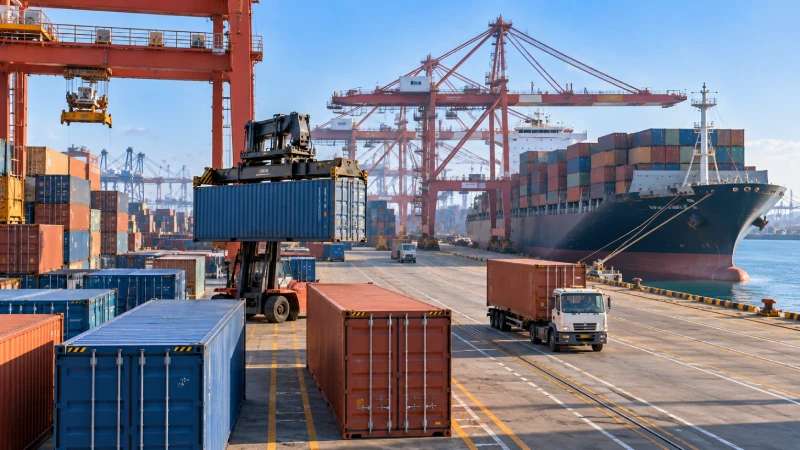
FCL or LCL for Mombasa-Bound Cargo?
Both FCL and LCL can work for shipping from China to Mombasa.
The decision should be based on the cargo and the total logistics cost, not simply a fixed CBM rule.
When FCL Makes More Operational Sense
FCL means the container is booked for one shipper’s cargo.
Typical reasons to consider FCL include:
- larger shipment volume
- dense or heavy commercial cargo
- fragile products where reducing handling stages is important
- several Chinese suppliers whose goods can be consolidated into one container
- regular import programmes
- cargo that needs more controlled loading
- situations where the total FCL cost compares favourably with LCL destination charges
FCL also reduces the number of consolidation and deconsolidation handling stages compared with LCL.
That does not automatically make FCL cheaper, but it can make the logistics chain more predictable for suitable cargo.
When LCL Makes More Operational Sense
LCL is commonly used when the cargo does not justify reserving an entire container.
It can work well for:
- small wholesale orders
- trial imports
- spare parts
- smaller machinery shipments
- cartons or pallets from one supplier
- consolidated orders from several suppliers
However, importers should not compare LCL using only the quoted ocean freight per CBM.
A realistic comparison should include:
- supplier pickup
- China warehouse handling
- export documentation
- consolidation/CFS fees
- ocean freight
- destination deconsolidation
- destination handling
- customs clearance
- local delivery
An LCL quote that looks inexpensive at origin can become much more expensive after destination charges are added.
| Decision factor | FCL | LCL |
|---|---|---|
| Smaller cargo volume | Usually less attractive | Often suitable |
| Large or regular cargo | Often suitable | Can become inefficient |
| Handling stages | Fewer | More |
| Multi-supplier consolidation | Good when volume supports container loading | Good for smaller combined orders |
| Fragile cargo | Often easier to control | More handling points |
| Destination charges | Container-based | Often includes CFS/deconsolidation charges |
| Best comparison method | Total container logistics cost | Total CBM-based landed logistics cost |
There is no reliable universal rule such as “FCL is always cheaper above X CBM.” The break-even point changes with the cargo, container rate, LCL rate, origin handling and Mombasa destination charges.
For a deeper comparison, see our FCL shipping from China to Kenya and LCL shipping from China to Kenya guides.
How Long Does Shipping from China to Mombasa Take?
Importers should separate port-to-port transit time from the full shipping lead time.
A carrier may publish a 22- to 27-day ocean sequence between a China call and Mombasa, but your supplier-to-door shipment will take longer because it also includes origin and destination operations.
CMA CGM’s currently published Kilima rotation lists:
| China origin | Published Mombasa position | Approx. published port-to-port sequence |
|---|---|---|
| Shanghai | Day 27 | About 27 days |
| Ningbo | Day 27 | About 26 days |
| Nansha | Day 27 | About 22 days |
These figures are based on the published service rotation rather than a guaranteed shipment commitment. Schedules and port calls may change.
Other carriers, routings and transshipment services may take longer.
Why Door-to-Door Lead Time Is Longer Than Ocean Transit
A complete shipment can include:
Supplier pickup → consolidation → container loading → China export handling → vessel cut-off → ocean transit → Mombasa discharge → customs and regulatory processing → release → local or inland delivery
Several factors can add time before or after the vessel journey.
Supplier Readiness
A booking should not be based on a production date that the factory cannot meet.
For FCL cargo, loading also needs to be coordinated with container pickup, trucking and terminal cut-off.
Consolidation
If cargo comes from multiple factories, every supplier must meet the consolidation deadline.
One late supplier can affect the whole shipment.
Transshipment
Some China origins and carrier services may move through another Asian hub before continuing to East Africa.
That can extend transit and increase schedule variability.
Customs and Documentation
Missing or inconsistent import documents can delay the destination process even when the vessel arrives on time.
Inspection or Regulatory Controls
Depending on the cargo and declaration, Customs, KEBS or another competent authority may require additional review or inspection.
Therefore, use the carrier schedule for ocean planning, but use the full shipment workflow for inventory planning.
For more detailed route comparisons, see our China-to-Kenya transit time guide.
What Does Shipping from China to Mombasa Actually Cost?
There is no single reliable “China to Mombasa price.”
Two importers can ship the same volume and receive very different total costs because their suppliers, ports, cargo type, booking week and destination requirements are different.
A useful freight quotation should show what is included and excluded.
China-Side Costs
Depending on the Incoterm and service scope, China-side costs may include:
- factory pickup
- domestic trucking
- multi-supplier collection
- consolidation warehouse handling
- export customs handling
- documentation
- LCL CFS charges
- empty-container pickup and container trucking for FCL
- stuffing/loading
- terminal handling
- ocean freight
If your supplier sells under FOB terms, some origin costs may already be handled by the supplier.
If the purchase term is EXW, more China-side logistics normally need to be arranged by the buyer or freight forwarder.
Mombasa-Side Costs
After arrival, possible cost categories include:
- shipping-line destination charges
- port charges
- CFS charges where applicable
- customs-agent fees
- applicable import duties and taxes
- regulatory or inspection-related charges where applicable
- container or cargo storage
- shipping-line demurrage/detention
- Mombasa trucking
- inland transport to Nairobi or another city
The exact charge structure depends on the shipment.
Why Two China-to-Mombasa Quotes Can Look Very Different
A quotation saying “USD X to Mombasa” is not useful unless the scope is clear.
Ask whether the rate is:
- port-to-port
- FOB-port to Mombasa port
- factory pickup to Mombasa
- port-to-door
- DAP
- another door-to-door arrangement
Also check whether the quote includes destination handling.
| Cost item | Where incurred | What to verify |
|---|---|---|
| Factory pickup | China | Included or separate |
| Consolidation | China | Required for multiple suppliers/LCL |
| Origin handling | China | Which charges are included |
| Ocean freight | International | Validity and surcharges |
| Destination handling | Mombasa | Line/CFS/terminal scope |
| Customs clearance | Kenya | Agent scope |
| Duties and taxes | Kenya | Usually cargo-specific |
| Storage | Kenya | Free period and daily rate |
| Demurrage/detention | Kenya | Shipping-line terms |
| Final delivery | Kenya | Mombasa or inland destination |
Mombasa Storage: Do Not Confuse It with Shipping-Line Free Time
This distinction matters.
Under KPA’s currently published tariff, domestic import containers receive the first five consecutive days of KPA terminal storage free. The tariff then lists storage charges for containers remaining beyond that period. See the KPA tariff.
That does not mean every importer has five free days for every destination cost.
KPA terminal storage is different from:
- shipping-line demurrage
- container detention
- CFS storage
- clearing-agent charges
- truck waiting charges
These terms should be checked separately.
Pro Tip: Before the vessel arrives, ask your forwarder or clearing agent for both the port-storage rules and the shipping line’s demurrage/detention terms. They are not the same free-time clock.
Because ocean rates change frequently, the most useful comparison is a current cargo-specific quotation rather than an undated internet rate table.
If you need a current shipping-cost check, provide the pickup city, product, package count, dimensions, weight and final Kenya destination.
What Happens When Your Cargo Arrives at Mombasa?
The Port of Mombasa is Kenya’s primary seaport and a major regional gateway. KPA states that the port has two container terminals and significant annual container-handling capacity. See the Kenya Ports Authority Port of Mombasa page.
For a normal commercial import, arrival does not mean the cargo can immediately leave the terminal.
The shipment generally moves through a sequence similar to the following.
1. Vessel Arrival and Container Discharge
The carrier arrives at Mombasa and the container is discharged into the relevant port or terminal workflow.
For LCL cargo, destination deconsolidation and CFS arrangements may also form part of the process.
2. Customs Declaration
The Kenyan importer should have a licensed clearing agent coordinating the import entry and clearance process.
KRA’s import guidance says importers require a customs clearing agent for commercial imports such as machinery and general goods, and identifies import documentation including commercial invoices and CoC for regulated products. See the KRA import guidance.
The clearing process should therefore start before the vessel arrives, not after the container has already begun accumulating destination time.
3. Customs and Regulatory Controls
Depending on the shipment, authorities may review:
- declared HS classification
- customs value
- commercial documentation
- origin documentation
- applicable permits
- standards-compliance documentation
- cargo description and quantities
Some shipments may also be selected for inspection or other enforcement measures.
Do not assume that every shipment will be physically inspected, but do not build a delivery plan that assumes inspection is impossible.
4. Duties, Taxes and Other Requirements
Applicable import taxes and levies depend on the goods, tariff classification, value and current Kenya/EAC rules.
This is why accurate HS classification matters before shipment.
A product description such as “machine,” “electronic item” or “spare parts” is often insufficient for reliable import planning.
5. Release and Pickup
After the applicable customs, regulatory, shipping-line and terminal requirements are completed, the cargo can proceed to the next stage.
For a Mombasa consignee, this may mean local trucking.
For an inland consignee, the shipment may continue toward Nairobi or another destination.
What Can Delay Release at Mombasa?
Common operational problems include:
- invoice and packing-list inconsistencies
- wrong or incomplete consignee information
- incorrect HS classification
- valuation questions
- missing COO
- missing or incorrect conformity documentation
- ACD/document inconsistencies
- product permit issues
- customs inspection
- late duty or charge payment
- delayed shipping-line release
- storage or container-control issues
Many of these risks are easier to correct before loading in China than after the vessel reaches Kenya.
For a deeper explanation, see our Kenya customs clearance guide.
Documents to Prepare Before the Container Leaves China
Documentation is now especially important on the China-to-Mombasa route because several Kenya requirements need action before the container sails.
The importer should not wait for vessel arrival before checking documents.
Core Shipping and Import Documents
Typical documentation may include:
| Document / requirement | Practical status | Main action |
|---|---|---|
| Commercial Invoice | Core document | Ensure product, value and parties are correct |
| Packing List | Core document | Match package count, weights and cargo |
| Bill of Lading | Core transport document | Verify shipper, consignee and routing |
| Export Declaration | Important under current 2026 Kenya rules | Obtain and retain |
| Advance Cargo Declaration | Required for covered containerized cargo | Complete before loading/proceeding |
| Certificate of Origin | Generally required, subject to official exceptions | Arrange before shipment |
| CoC / PVoC documentation | Depends on applicable product/regime | Check before export |
| Product-specific permit | Conditional | Confirm with relevant Kenyan authority |
| Freight Invoice | Required for the ACD process | Prepare before ACD submission |
Advance Cargo Declaration: Complete It Before Loading
This is one of the most important recent changes for container shipping to Mombasa.
KRA launched the Advance Cargo Declaration platform for containerized cargo on August 3, 2026.
According to KRA, exporters shipping containerized goods to Kenyan ports obtain an ACD reference code at the point of loading.
The application requires:
- draft Bill of Lading
- Commercial Invoice
- Freight Invoice
- Export Declaration
The ACD reference is then endorsed on the Bill of Lading before the shipment proceeds to a Kenyan port. See the KRA ACD notice.
This means the ACD is not something the importer should first think about after the vessel arrives in Mombasa.
It needs coordination between the:
- exporter/supplier
- freight forwarder
- shipping line
- Kenyan importer or appointed parties
A late ACD problem can affect the shipment before departure.
Kenya’s 2026 Export-Document Record Requirement
Another important change took effect on September 1, 2026.
KRA states that Kenyan importers must obtain and retain an export declaration, export entry, customs export certificate or equivalent document from the exporting country.
KRA says the documentation should support the import and contain information such as the exporter, importer, goods description, quantity, value, tariff classification and country of export. Importers should retain these records for at least five years. See KRA’s Finance Act 2026 guidance.
For a shipment originating in China, this creates a practical supplier-management requirement:
Ask for the relevant Chinese export documentation while the shipment is still being prepared.
Trying to reconstruct export records months after delivery is far more difficult.
Certificate of Origin for Imports into Kenya
KRA introduced the mandatory Certificate of Origin requirement under the amended Tax Procedures Act in 2025.
Its published notice states that imported consignments generally need a Certificate of Origin issued by a competent authority in the country of export, while also describing certain exceptional cases and provisional alternative documents subject to Customs verification. See the KRA Certificate of Origin notice.
For China-origin cargo, confirm:
- who will obtain the COO
- which competent issuing channel applies
- that the exporter details match the shipment
- that the product description is consistent with other documents
- that the document is ready before the Kenyan clearance process requires it
Do not confuse a Certificate of Origin with a Certificate of Conformity.
They serve different purposes.
PVoC and Certificate of Conformity
Kenya’s PVoC programme is administered by the Kenya Bureau of Standards.
The current KEBS PVoC materials list China in Zone 1 and identify approved PVoC contractors for the zone. KEBS guidance states that goods within the applicable PVoC scope should undergo certification in the country of origin or supply before shipment, subject to the programme’s scope and exemptions. See the KEBS PVoC guidance.
Therefore, before collecting goods from the factory, check whether the product:
- falls within the applicable PVoC scope
- has an exemption or different regulatory treatment
- needs testing or inspection
- requires a Certificate of Conformity
- is controlled by another Kenyan regulator
Do not assume that because the supplier has exported the same product elsewhere, the documentation is automatically valid for Kenya.
COO, Export Declaration and CoC Are Not the Same Thing
These three documents are often confused.
Certificate of Origin
Supports the declared origin of the goods.
Export Declaration
Records the export transaction in the country of export and is now particularly important under Kenya’s September 2026 documentation requirements.
Certificate of Conformity
Relates to compliance with applicable standards under PVoC or relevant conformity procedures.
One document does not automatically replace the others.
Deliver in Mombasa or Move the Cargo Onward to Nairobi?
The shipping plan should not stop at the word “Mombasa” if the warehouse or customer is actually in Nairobi.
Decide the intended inland routing before the final shipping documents are completed.
There are three common planning models.
Option 1: Mombasa Is the Final Destination
If the consignee or warehouse is in Mombasa or the surrounding coastal market, the shipment can be planned around:
Port arrival → customs/release → local trucking → consignee
This is normally the simplest inland arrangement because no Mombasa-to-Nairobi movement is needed.
Final delivery planning should still consider:
- container type
- unloading equipment
- delivery address access
- container return requirements
- truck scheduling
- cargo weight
Option 2: Through Movement to Nairobi ICD
Kenya Ports Authority operates inland container depots including Nairobi ICD.
KPA states that imports can be delivered directly from Mombasa to inland depots on a Through Bill of Lading, and that Nairobi ICD is linked with Mombasa through rail services including SGR and MGR. See the KPA Inland Container Depots page.
This can be relevant when Nairobi is the real cargo destination.
However, it should be planned at the booking and Bill-of-Lading stage.
Do not assume that every container arriving at Mombasa can simply be changed to Nairobi ICD after arrival without additional coordination.
Option 3: Release in Mombasa and Arrange Road Delivery
Another arrangement is to complete the applicable Mombasa process and then move the cargo inland by truck.
This can be suitable depending on:
- consignee requirements
- container availability
- cargo type
- delivery urgency
- unloading site
- road-transport cost
- inland transport arrangement
The correct choice between rail/ICD and road should be compared for the actual shipment.
| Destination strategy | Suitable situation | Decision to make early | Main cost to compare |
|---|---|---|---|
| Mombasa local delivery | Coastal consignee | Final address and unloading | Local trucking |
| Nairobi ICD / TBL | Planned inland container movement | B/L and inland routing | Rail/ICD workflow |
| Mombasa + road | Road delivery to inland destination | Truck and container arrangement | Inland trucking |
Pro Tip: If Nairobi is the real destination, confirm the intended Mombasa-to-Nairobi handoff before the final Bill of Lading is issued. Changing the routing after arrival can create unnecessary documentation and operational complications.
For more detail, see our Mombasa to Nairobi cargo delivery guide and Nairobi ICD guide.
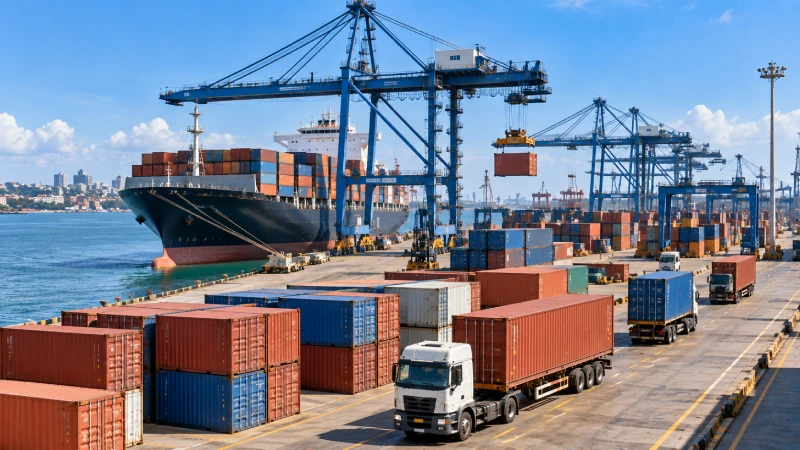
Dangerous Goods, Oversized and Project Cargo Through Mombasa
Standard FCL or LCL planning is not enough for every shipment.
If the cargo includes dangerous goods, lithium batteries, chemicals, oversized machinery or other special cargo, acceptance and destination handling should be checked before pickup from the Chinese factory.
Important information can include:
- UN number and dangerous-goods classification
- SDS
- battery specification
- Dangerous Goods Declaration where required
- flash point where relevant
- package type
- gross weight
- exact dimensions
- lifting points
- centre of gravity for machinery
- proposed container/equipment type
- photos and technical drawings
Oversized cargo may require:
- flat-rack or open-top equipment
- out-of-gauge approval
- special lashing
- crane planning
- terminal handling coordination
- heavy-haul or route planning in Kenya
KPA’s tariff also treats dangerous and out-of-gauge containers differently from ordinary containers in parts of its charging structure, so these shipments should not be priced as standard dry-container cargo without confirmation.
Operational Warning: Do not collect special cargo from the factory until carrier acceptance, equipment availability, documentation and Mombasa-side handling have been confirmed.
How to Reduce Problems Before Shipping from China to Mombasa
Most preventable destination problems begin before the vessel leaves China.
A practical pre-shipment review should include the following.
Confirm the Importer and Consignee Details
Make sure the final B/L information is agreed before issuance.
Check:
- legal company name
- address
- contact details
- consignee
- notify party
- importer information required for the declaration
Confirm the Product Description and HS Classification
The commercial invoice should describe what the product actually is.
Avoid descriptions such as:
- accessories
- samples
- parts
- machine
- goods
These descriptions can be too vague for customs planning.
Check Kenya Compliance Before Factory Pickup
Do not wait until the goods arrive at the warehouse to discover that the product requires additional testing, certification or a permit.
The compliance sequence should be checked early enough to allow the supplier to provide:
- specifications
- test reports
- product photos
- labels
- model numbers
- conformity documents
Match the Documents
The following should not contradict each other:
- commercial invoice
- packing list
- export declaration
- draft Bill of Lading
- Certificate of Origin
- conformity documentation
Check quantities, descriptions, values, weights and shipper/consignee details.
Prepare the ACD Before the Loading Deadline
Because ACD is now part of the pre-loading process for applicable containerized cargo, allow time for documentation to be completed before the container proceeds.
Start Kenya-Side Clearance Preparation Before Arrival
The importer and clearing agent should not wait until discharge to begin reviewing the file.
Early preparation is particularly important if:
- classification is uncertain
- cargo is regulated
- permits are required
- cargo value may need supporting documentation
- the shipment contains multiple product types
What Information Should You Send for a China-to-Mombasa Freight Quote?
The faster the forwarder understands the cargo, the more useful the quotation can be.
Instead of sending only:
“How much is shipping from China to Mombasa?”
provide the following information.
Supplier Information
- factory city
- pickup address if available
- number of suppliers
- supplier Incoterm, such as EXW or FOB
Cargo Information
- product name
- HS code if known
- package quantity
- package dimensions
- gross weight
- total CBM
- cargo value where relevant to the requested service
Special Cargo Information
Tell the forwarder if the shipment contains:
- lithium batteries
- chemicals
- liquids
- magnets
- dangerous goods
- oversized machinery
- temperature-controlled goods
- other restricted or sensitive cargo
Do not describe these items simply as “general cargo.”
Shipping Information
Provide:
- expected cargo-ready date
- FCL or LCL preference if already known
- requested container type if applicable
- current supplier shipping terms
Final Destination
Specify whether you need:
- Mombasa port only
- delivery to a Mombasa address
- Nairobi
- Nairobi ICD
- another Kenyan city
A port-to-port rate and a door-to-Nairobi service cannot be compared as if they are the same product.
Compliance Status
If known, also tell the forwarder whether:
- Certificate of Origin is arranged
- PVoC/CoC is applicable or completed
- ACD preparation has started
- import permits are available
- the Kenyan clearing agent has reviewed the shipment
This can expose documentation problems before the booking is finalized.
China to Mombasa Shipping Workflow
For most commercial ocean shipments, the process can be summarized as follows:
01 — Send Cargo Details
Provide product, packages, dimensions, weight, supplier location, cargo-ready date and final destination.
02 — Check Import Requirements
Confirm HS classification, importer documents, COO, PVoC/CoC and any product-specific permits.
03 — Select the China Origin and Shipping Method
Compare China gateway, FCL/LCL, sailing schedule and total cost.
04 — Pick Up or Consolidate the Cargo
Collect from one or multiple factories and prepare the final shipment.
05 — Prepare Export and ACD Documents
Complete the required export documentation and obtain the ACD reference before the container proceeds to Kenya under the current requirements.
06 — Load and Ship to Mombasa
Container or LCL cargo is delivered into the carrier/consolidation process and shipped according to the booked routing.
07 — Prepare Clearance Before Arrival
The Kenyan importer and clearing agent review the import documents and prepare the destination process.
08 — Mombasa Discharge and Customs Process
Cargo is discharged and proceeds through the applicable Customs, standards and terminal procedures.
09 — Release and Final Delivery
The shipment is delivered locally in Mombasa or transferred inland according to the agreed routing.
FAQ
Which ports in China commonly ship cargo to Mombasa?
Shanghai, Ningbo and Nansha are among the Chinese gateways shown on currently published carrier services to Mombasa. Other ports such as Qingdao can also be relevant depending on supplier location and the current carrier routing. Always check the actual sailing rather than assuming every origin has a direct service.
How long does sea freight from China to Mombasa take?
For current published direct-service examples, approximately 22–27 days port-to-port can be seen from Nansha, Ningbo and Shanghai to Mombasa on CMA CGM's Kilima rotation. This is a planning example rather than a guaranteed transit time. The full supplier-to-delivery lead time will also include pickup, consolidation, export handling, Mombasa clearance and final delivery.
Should I use FCL or LCL from China to Mombasa?
LCL is often suitable for smaller commercial shipments, while FCL becomes more attractive for larger cargo or shipments where reduced handling is important. Compare the full origin, ocean and Mombasa destination cost rather than relying on a fixed CBM threshold.
What charges should I expect when my container reaches Mombasa?
Depending on the shipment, destination costs can include shipping-line charges, port or CFS handling, customs-agent fees, applicable taxes and levies, inspection-related charges, storage and local delivery. Shipping-line demurrage/detention and KPA storage are separate cost categories.
Do I need an Advance Cargo Declaration before shipping from China to Mombasa?
For containerized cargo covered by KRA's ACD requirements, yes. KRA states that exporters obtain the ACD reference at the point of loading after submitting the required draft B/L, commercial invoice, freight invoice and export declaration. The ACD reference is then endorsed on the Bill of Lading before the shipment proceeds to Kenya.
Can a container arriving in Mombasa continue to Nairobi ICD?
Yes, where the shipment is arranged accordingly. KPA states that imports can move directly from Mombasa to inland container depots under a Through Bill of Lading, and Nairobi ICD is connected to Mombasa by rail services. The intended inland routing should be confirmed during booking.
What documents should I request from my Chinese supplier?
At minimum, review the commercial invoice, packing information and export documentation. Depending on the cargo and import arrangement, you may also need the Certificate of Origin, ACD-related documents, CoC/PVoC documentation and product-specific permits.
Plan Your Shipment Before the Cargo Leaves China
A successful China-to-Mombasa shipment is not just about finding a container rate.
The important decisions happen earlier:
Where are the suppliers? Which China gateway makes sense? Is FCL or LCL better? Are the Kenya import documents ready? Has ACD been arranged? Will the container finish in Mombasa or continue to Nairobi?
When these questions are answered before loading, the forwarder, supplier, importer and Kenyan clearing agent can work from the same shipping plan.
If you already have cargo ready in China, send:
- supplier city
- product
- packages
- dimensions
- gross weight
- total CBM
- cargo-ready date
- final destination in Kenya
- whether the shipment contains batteries, chemicals, dangerous goods or oversized cargo
Send the cargo details so the route, FCL/LCL option and Mombasa or Nairobi delivery plan can be checked against the actual shipment.
Regulatory Note: Kenya customs, standards, port and documentation requirements can change. Product-specific requirements should be verified with the relevant Kenyan authority and the appointed clearing agent before shipment.
Rate Note: Ocean freight, local charges and inland transport costs are market-sensitive. Current cargo-specific rates should be confirmed before booking.
