
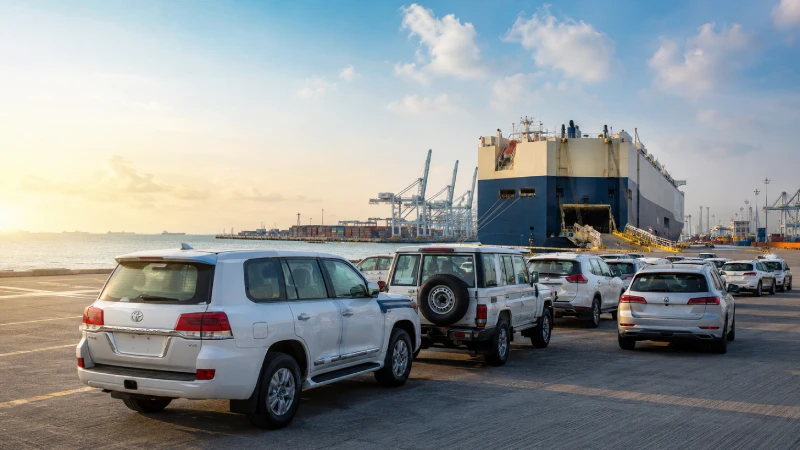
Shipping a vehicle to Mombasa does not automatically mean it can be cleared, registered or legally driven in Kenya. Before arranging vehicle shipping from China, importers should first confirm that the exact vehicle meets Kenya’s entry requirements.
For used vehicles arriving in Kenya during 2026, three checks are especially important: the vehicle must meet the applicable eight-year age rule, ordinary road vehicles must be right-hand drive, and used vehicles must satisfy KEBS roadworthiness requirements under KS 1515. A failure on any of these points can result in delays, rejection, re-export or destruction at the importer’s expense.
There is also an additional issue for cars shipped directly from China: China is not currently listed among the six countries where KEBS has appointed QISJ for used-vehicle pre-export inspection. That inspection route should therefore be confirmed before the vehicle is booked.
Quick Eligibility Checklist for Shipping a Vehicle to Mombasa
Before paying the balance to a supplier or booking ocean freight, check the following:
| Check | 2026 Requirement | Evidence to Verify |
|---|---|---|
| First registration | January 1, 2019 or later for used vehicles arriving in 2026 | Original registration and deregistration/export records |
| Steering position | Ordinary road vehicles must be RHD | Cabin photos, specifications and registration records |
| Roadworthiness | Used vehicle must comply with KS 1515 | Valid CoR or KEBS-confirmed inspection arrangement |
| VIN/chassis number | Must match across vehicle and documents | VIN photos, identification plate and registration record |
| Vehicle status | Confirm whether legally new or previously registered | Manufacturer documents or registration history |
| Inspection origin | Confirm whether KEBS has an appointed vehicle inspector | KEBS or licensed Kenyan clearing-agent confirmation |
A shipping line accepting the vehicle is not the same as KEBS, KRA or NTSA approving it. Carrier acceptance only means the vehicle meets the carrier’s transport conditions for that particular booking.
Kenya’s Eight-Year Rule for Vehicles Arriving in 2026
The 2019 First-Registration Cutoff
From January 1, 2026, used or second-hand vehicles entering Kenya must be right-hand-drive vehicles whose year of first registration is 2019 or later.
This requirement applies broadly to importers of second-hand vehicles, including the general public, returning residents and diplomatic staff. A vehicle first registered in 2018 therefore does not qualify simply because it remains mechanically sound, has low mileage or is marketed as a later model year.
Arrival Date Matters More Than Sailing Date
This rule is particularly important for shipments close to the end of a calendar year.
KEBS stated that Certificates of Roadworthiness issued for 2018 first-registration vehicles ceased to be valid after December 31, 2025. Such vehicles had to arrive at the Kenyan port of destination or entry by that date.
In practice, this means that booking a vessel, loading the vehicle, obtaining a bill of lading or even departing from the export port before the deadline does not protect an aging vehicle if it arrives in Kenya after the cutoff.
For year-end shipments, allow for possible transshipment delays, blank sailings, congestion, schedule changes and port omissions. A vehicle expected to arrive close to January should be checked against the age rule for the actual expected year of entry, not simply the year in which it left China.
First Registration Is Not the Same as Model Year
Importers should distinguish between:
- manufacture date;
- production date;
- model year;
- first-registration date.
A vehicle advertised as a “2019 model” is not automatically a vehicle first registered in 2019. The original registration record should be checked before purchase because the first-registration date is the critical evidence for applying the annual age cutoff.
Right-Hand-Drive Requirements in Kenya
The General RHD Rule
The Kenya Revenue Authority motor-vehicle import procedure states that imported road vehicles must be right-hand drive and comply with KEBS requirements.
This is particularly important when buying from China because many domestic Chinese passenger vehicles are manufactured in left-hand-drive configuration.
Do not rely only on a listing that says “Kenya version” or “export specification.” Ask for clear photographs of the actual VIN-specific vehicle showing the steering wheel, dashboard and front cabin. Compare these with the model specification and registration documents. The steering configuration on the paperwork should also correspond with the physical vehicle.
Limited Exceptions for Special-Purpose Vehicles
The RHD restriction is not completely absolute, but exceptions are narrow.
Qualifying special-purpose vehicles may be considered under specific waiver or approval arrangements. Examples can include certain ambulances, fire-fighting vehicles and specialized construction or project vehicles that cannot reasonably be treated as normal passenger vehicles.
These exceptions should never be assumed to cover an ordinary sedan, SUV, pickup or passenger van. Where an exception may apply, the importer should obtain the required approval before shipment rather than attempting to justify the vehicle after it reaches Mombasa.
Returning Residents Are Not Generally Exempt
A returning Kenyan resident from an LHD country should not assume that their existing left-hand-drive passenger vehicle can simply be imported.
KRA provides a mechanism under which an eligible returning resident may dispose of the previously owned LHD vehicle and import a qualifying replacement RHD vehicle, subject to specified conditions.
The replacement vehicle must still satisfy the applicable age, roadworthiness and other import requirements.
What the KEBS Roadworthiness Inspection Covers
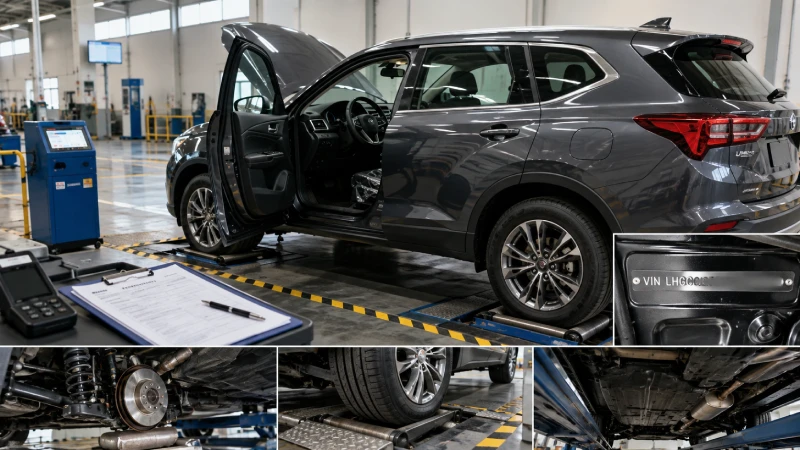
Used vehicles entering Kenya must meet the applicable requirements of KS 1515, the Kenya Code of Practice for Inspection of Road Vehicles.
Depending on the vehicle and inspection procedure, the assessment can include areas such as:
- VIN, chassis identity and vehicle records;
- first-registration and manufacturing information;
- steering operation;
- brakes;
- suspension and chassis components;
- tyres and wheels;
- lamps and electrical equipment;
- safety belts, seats, doors and glazing;
- structural condition, corrosion and previous repairs;
- emissions, noise and other safety-related items;
- odometer integrity.
The important point is that regulatory roadworthiness and commercial vehicle quality are not the same thing.
A Certificate of Roadworthiness establishes conformity with the applicable regulatory inspection baseline. It does not prove that the vehicle has never had an accident, has never been flooded, has a healthy EV traction battery or represents good commercial value.
For those risks, arrange a separate used-car inspection before export from China.
The China-Specific Inspection Issue Importers Must Resolve
China Is Not on the Current QISJ Origin-Inspection List
This is one of the most important differences when shipping used cars directly from China to Kenya.
KEBS currently lists QISJ inspection arrangements for used vehicles exported from six countries:
- Japan;
- Singapore;
- South Africa;
- Thailand;
- United Arab Emirates;
- United Kingdom.
China is not included on the current KEBS used-motor-vehicle inspection contractor list.
Importers should also avoid confusing Kenya’s general-goods PVoC inspection network in China with the dedicated inspection arrangements for used motor vehicles. A company authorized to inspect ordinary goods under PVoC should not automatically be treated as authorized to issue a Kenyan used-vehicle CoR.
What Importers Should Do Before Booking
For a used vehicle shipping directly from China, prepare the vehicle information first:
- VIN or chassis number;
- make and exact model;
- first-registration date;
- production date;
- RHD confirmation;
- new or used legal status;
- current vehicle condition.
Provide these details to KEBS or a licensed Kenyan customs clearing agent and ask which inspection procedure applies to the specific shipment.
Where possible, obtain the answer in writing rather than relying on a supplier’s statement that “the certificate can be done after arrival.”
KEBS publishes a destination inspection procedure for consignments that may require inspection after arrival. Because the vehicle-specific process and KEBS operational arrangements can change, the safest approach for China-origin vehicles is to reconfirm the procedure for the actual VIN and sailing before shipment.
Why Destination Inspection Is Not a Safe Shortcut
Even where destination inspection is available, it should not be treated as an easy alternative to pre-shipment compliance planning.
Possible consequences include additional inspection fees, bonds or guarantees, port storage, document requests, testing delays and a Non-Conformity Report if the vehicle fails.
A used vehicle found non-compliant with the applicable Kenyan standard can face re-export or destruction requirements at the importer’s expense.
That makes “ship first and solve the documents in Mombasa” a high-risk strategy.
New, Used and “Zero-Mileage” Vehicles Are Treated Differently
Mileage alone does not determine whether a vehicle is legally new.
Genuinely new motor vehicles may follow a different conformity route when supported by acceptable manufacturer documentation, such as warranty or type-approval records.
By contrast, a vehicle that has already been formally registered in China can remain a used vehicle for regulatory purposes even if it has only a few kilometres on the odometer.
An invoice describing the vehicle as “new” does not erase its official registration history. First registration can therefore affect both how the vehicle is classified and whether it complies with Kenya’s age rule.
This distinction is especially important with China’s low-mileage export market. See our guide on zero-mileage used car export risks before treating a nearly unused vehicle as new.
Documents to Prepare Before Shipping from China
The final document set depends on the vehicle and applicable inspection route, but importers should normally prepare or verify:
- original commercial invoice;
- original foreign registration certificate or cancelled logbook for a used vehicle;
- bill of lading;
- packing list where applicable;
- Import Declaration Form information;
- Certificate of Roadworthiness or evidence of the KEBS-confirmed inspection arrangement;
- importer’s KRA PIN or company details;
- VIN and chassis-number photographs;
- engine or drive-motor identification where applicable;
- vehicle technical specifications;
- manufacturer warranty or type-approval documentation for qualifying new vehicles;
- acceptable English translations of Chinese-language documents where required.
VIN information must remain consistent across the vehicle, invoice, registration documents, inspection records and shipping documents.
Do not substitute an ordinary Chinese export document for the original vehicle registration history when first registration is a key part of Kenyan eligibility. Chinese-language vehicle documents should also be checked in advance for translation, certification and acceptance requirements.
A licensed Kenyan customs clearing agent should handle the formal customs declaration.
RoRo or Container Shipping to Mombasa?
Once import eligibility has been confirmed, the transport method can be selected.
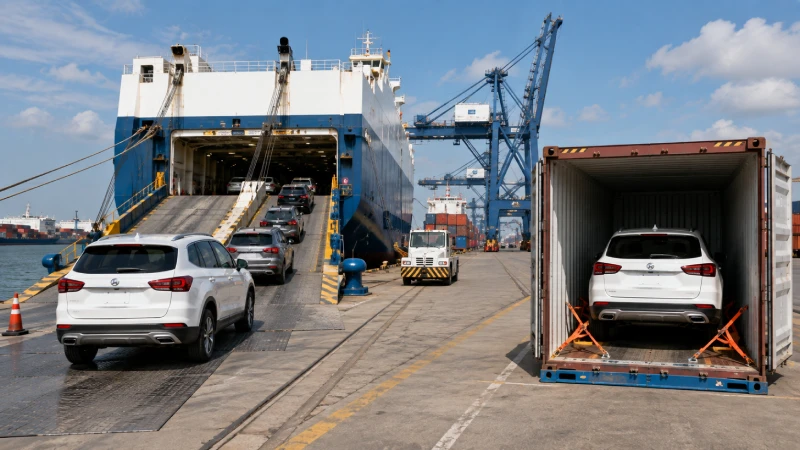
RoRo
RoRo is often suitable for an operational vehicle that can start, steer and brake safely. Loading and discharge can be efficient, but carriers normally restrict loose cargo or personal effects inside the vehicle. Non-running units may require special approval or may be refused.
Container
Container shipping can provide greater control for high-value vehicles, multiple vehicles or units requiring more protection from repeated handling. Professional loading, wheel restraint and lashing are essential.
For a broader comparison, read RoRo vs container shipping for cars to Africa.
Neither method can solve an age, steering-position or KEBS-compliance problem. A non-compliant car remains non-compliant inside a container.
A Pre-Booking Compliance Workflow
A lower-risk sequence for shipping a vehicle from China to Mombasa is:
- Confirm that the actual vehicle is RHD.
- Verify the first-registration date from original records.
- Match the VIN against the vehicle and documents.
- Determine whether the vehicle is legally new or used.
- Arrange an independent condition inspection.
- Confirm the China-origin KEBS inspection route in writing.
- Confirm translation and Kenyan document requirements.
- Select RoRo or container shipping.
- Check the age requirement again against the expected year of arrival.
- Only then release final payment and confirm shipment.
The order matters. Import eligibility should be established before ocean transport is arranged.
This workflow also helps separate three different questions that are often mixed together: whether the car can legally enter Kenya, whether the vehicle is commercially worth buying, and how it should physically be shipped.
What Happens After the Vehicle Arrives in Mombasa?
After discharge at the Port of Mombasa, the licensed clearing agent coordinates the Kenyan import process.
Depending on the shipment, this can involve submission of customs declarations and supporting documents, KEBS document review or destination inspection, customs valuation and payment of applicable taxes and charges, KRA release, and subsequent NTSA registration procedures.
These approvals should not be confused with one another.
KEBS conformity does not equal customs clearance, and customs release does not automatically equal NTSA registration.
If the vehicle fails an applicable KEBS requirement, the importer may face storage, handling, re-export and other costs while the issue is resolved. Port storage, demurrage or detention exposure can increase quickly when a compliance problem prevents normal clearance.
Common Mistakes That Lead to Rejection or Delay
Common problems include:
- treating model year as first-registration year;
- loading late in December without considering the following year’s age cutoff;
- buying an ordinary China-spec LHD vehicle;
- confusing a general-goods PVoC provider with a vehicle inspection contractor;
- assuming missing certificates can always be obtained after arrival;
- treating zero mileage as proof that a vehicle is legally new;
- allowing VIN details to differ between documents;
- treating a CoR as proof of accident-free condition;
- booking freight before confirming the KEBS inspection route.
Most of these risks can be reduced by checking the vehicle and its original documents before the final supplier payment is released.
FAQ
What year of vehicle can be imported into Kenya in 2026?
For used vehicles arriving from January 1, 2026, the year of first registration should be 2019 or later, subject to the other applicable Kenyan import requirements.
Is Kenya’s eight-year rule based on manufacture or first registration?
The annual eligibility cutoff is based on the vehicle’s year of first registration. Model year, production year or manufacture date should not be used as substitutes for the first-registration record.
Can a 2018 vehicle sail in 2025 and arrive in Mombasa in 2026?
No. A vehicle first registered in 2018 had to reach the Kenyan port of destination or entry by December 31, 2025. Sailing before the deadline does not preserve eligibility if arrival takes place in 2026.
Can a left-hand-drive vehicle be imported from China to Kenya?
An ordinary passenger vehicle should normally be right-hand drive. Narrow exceptions may exist for qualifying special-purpose vehicles, but these should be approved before shipment and should not be assumed to cover standard sedans, SUVs or pickups.
Are returning residents exempt from the RHD requirement?
Not generally. Eligible returning residents from LHD countries may be able to use the applicable replacement-vehicle procedure, but the replacement vehicle must be RHD and must still satisfy the relevant age, inspection and import requirements.
Can a used vehicle be inspected by QISJ in China?
Do not assume so. The current KEBS public list for QISJ used-vehicle origin inspection names Japan, Singapore, South Africa, Thailand, the UAE and the UK, but not China. Confirm the applicable inspection route for the specific vehicle before booking.
What happens if a vehicle arrives in Mombasa without a valid CoR?
The treatment depends on the origin country and the inspection arrangement applicable to the shipment. Destination inspection may apply in some cases, but it can add cost, delay and compliance risk. A vehicle that fails the applicable requirements may ultimately face re-export or destruction.
Does passing KEBS inspection guarantee customs clearance and NTSA registration?
No. KEBS conformity, KRA customs clearance and NTSA registration are separate regulatory stages. Passing one stage does not automatically guarantee approval at the others.
Confirm Compliance Before the Vehicle Leaves China
For vehicle shipping to Mombasa in 2026, check the legal entry conditions before discussing freight rates: a used vehicle should be first registered in 2019 or later, ordinary vehicles must be RHD, and applicable used vehicles must satisfy KS 1515 roadworthiness requirements.
For vehicles shipping directly from China, confirm the KEBS inspection route before paying the supplier balance or booking the vessel.
Send the VIN, first-registration record and vehicle specifications for a pre-shipment logistics review. Final import eligibility, inspection, customs clearance and registration remain subject to KEBS, KRA, NTSA and other competent Kenyan authorities.
