

To import from China to Kenya, start by confirming your supplier and product details, then choose sea freight (via Mombasa) or air freight (via Nairobi). Prepare accurate shipping and customs documents, declare the correct cargo value, and clear customs upon arrival. Most Kenyan SMEs use a freight forwarder to manage shipping, clearance, and delivery safely and efficiently.
Who This Guide Is For (and When You Need a Freight Forwarder)
This guide is written for Kenya-based importers and SMEs who source products from China and want a clear, repeatable import process—without getting stuck in paperwork, delays, or unexpected costs.
It is especially relevant if you are:
- A retailer or wholesaler importing consumer goods, electronics, or hardware
- An e-commerce seller bringing in stock from China
- A first-time importer unfamiliar with customs procedures in Kenya
- An SME importing small to mid-volume shipments (LCL, shared containers, or air freight)
For most Kenyan importers, working with a freight forwarder experienced in China–Kenya trade lanes is the safest option. A forwarder coordinates pickup in China, international shipping, documentation checks, customs clearance, and final delivery—while you focus on your business and supplier relationship.
If you want a high-level overview of available routes, services, and shipping options for this trade lane, see Ship from China to Kenya.
Importing from China to Kenya: End-to-End Process Map
For most Kenya importers, importing from China follows a clear, repeatable workflow. Understanding each step helps you avoid delays, cost overruns, and document issues—especially if you are importing for the first time.
Below is a practical 7 step process used by most shipping companies and freight forwarders handling China–Kenya shipments.
Import Workflow (From Supplier to Delivery)
1. Confirm supplier and product details
Finalize product specifications, quantity, packing method, Incoterms, and delivery terms with your China supplier. Request a proforma invoice early.
2. Cargo preparation and packing in China
Goods are packed, labeled, and marked correctly at the factory or warehouse. Shipping marks should match your documents to avoid inspection issues.
3. Freight booking (sea or air)
Your freight forwarder books space based on cargo volume, urgency, and budget—sea freight to Mombasa or air freight to Nairobi.
4. Export clearance in China
The shipment is cleared for export, and core shipping documents are issued (Bill of Lading or Air Waybill).
5. International transportation
Cargo moves by vessel or aircraft from China to Kenya. Transit time depends on shipping method and routing.
6. Arrival in Kenya & customs clearance
Upon arrival, documents are submitted for customs processing. Duties, VAT, and inspections (if required) are handled at the port or airport.
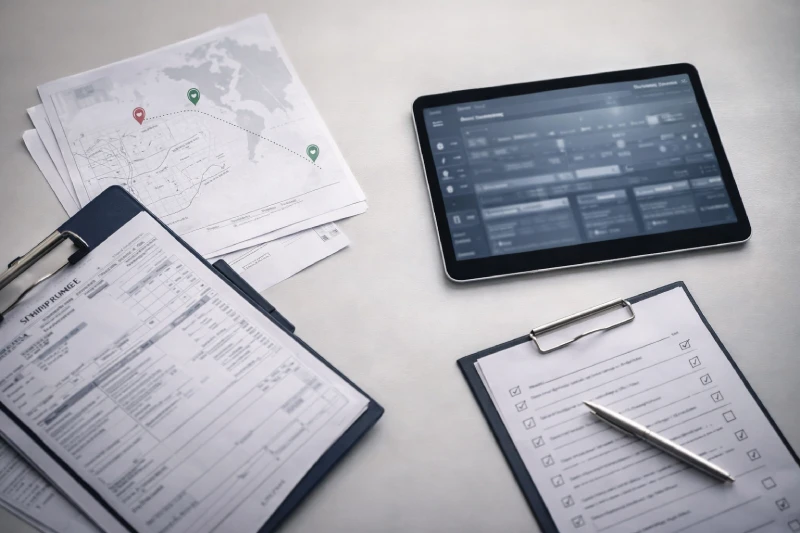
7. Release and final delivery
After clearance, goods are released and delivered to your warehouse, shop, or fulfillment location.
Shipping timelines vary significantly by method and season. For a detailed breakdown, see How long it takes to ship from China to Kenya.
Import Workflow & Responsibility Overview
| Step | Who Is Responsible | Common Mistake to Avoid |
|---|---|---|
| Supplier confirmation & invoice | Importer + Supplier | Incomplete product description on invoice |
| Cargo packing & labeling | Supplier | Incorrect or missing shipping marks |
| Freight booking | Freight Forwarder | Choosing shipping method without cost-time comparison |
| Export clearance in China | Supplier / Forwarder | Missing export documents or delays at origin |
| International transportation | Carrier / Forwarder | No visibility on transit status |
| Arrival & customs clearance in Kenya | Importer / Forwarder | Late document submission or mismatched values |
| Duty & tax payment | Importer / Forwarder | Incorrect HS code or declared value issues |
| Final delivery | Forwarder | No pre-arranged inland transport |
This process stays largely the same whether you import occasionally or regularly—the difference is how well each step is coordinated and documented.
Choosing the Right Shipping Method for Kenya Imports
Selecting the right shipping method is one of the most important decisions when importing from China to Kenya. The best option depends on your cargo volume, delivery urgency, and how much operational risk you want to manage yourself.
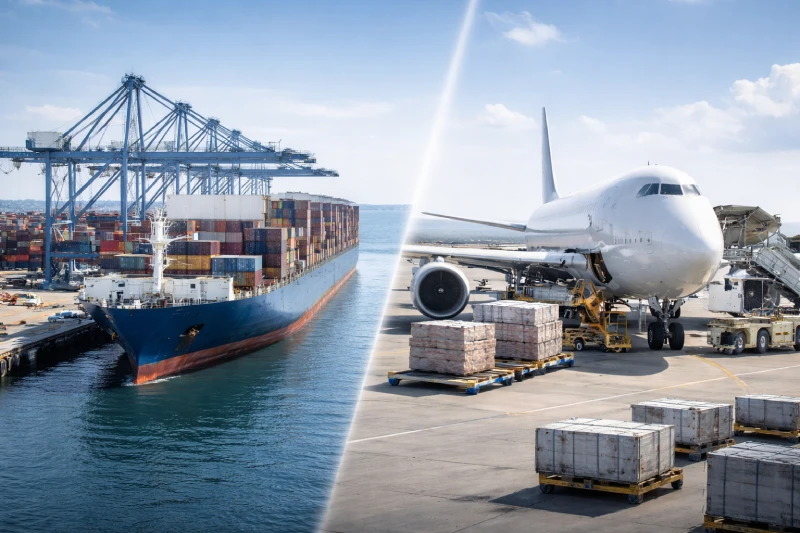
For Kenyan importers, shipments usually arrive either by sea freight through Mombasa Port or by air freight through Nairobi.
Sea Freight (Most Common for Kenya Imports)
Sea freight is the preferred option for most imports from China to Kenya, especially for commercial cargo.
- Suitable for bulk goods, heavy cargo, and regular restocking
- Options include FCL (full container) and LCL (shared container)
- Lower cost per unit, but longer transit time
- Requires more planning around documentation and clearance
For a structured comparison of sea, air, and other options, see Best Shipping Methods from China to Kenya.
Air Freight (For Urgent or High-Value Goods)
Air freight is commonly used when speed matters.
- Faster delivery via Nairobi
- Higher cost compared to sea freight
- Best for urgent orders, samples, or high-value items
- Stricter requirements on packing and documentation
DDP Shipping (Simplified for First-Time Importers)
Some Kenyan SMEs choose DDP (Delivered Duty Paid) shipping to reduce complexity.
- Freight forwarder manages shipping, customs clearance, and duties
- Fewer touchpoints for the importer
- Higher upfront cost, but lower operational risk
If you want a simplified, door-to-door option, read DDP Shipping from China to Kenya.
Choosing the right method early helps you control cost, avoid clearance delays, and set realistic delivery expectations before goods leave China.
Documents & Compliance: What Kenyan Importers Must Prepare
Accurate documentation is critical when importing goods from China to Kenya. Most customs delays and disputes are not caused by the cargo itself, but by missing, inconsistent, or unclear documents. Understanding what each document is used for helps you prepare correctly and avoid unnecessary inspections.
Below are the most common documents required for customs clearance in Kenya, along with their practical purpose.
Commercial Invoice
This document forms the basis of customs valuation. It shows the seller, buyer, product description, quantity, unit price, total value, and Incoterms. Customs authorities rely on it to assess the declared value of your shipment.
Packing List
The packing list explains how the cargo is physically packed—cartons, pallets, weights, and dimensions. It helps customs officers and port handlers verify the shipment during inspections and reduces the risk of cargo discrepancies.
Bill of Lading (Sea Freight) / Air Waybill (Air Freight)
These documents act as proof of shipment and cargo ownership. They are required to release the goods at Mombasa Port or Nairobi airport and must match the commercial invoice and packing list exactly.
Import Declaration & Supporting Compliance Documents
Kenyan imports typically require an Import Declaration Form (IDF) and, for certain goods, additional compliance or inspection certificates arranged before shipment. These documents confirm that the cargo is approved for entry and properly declared.
Shipping Marks (Brief Note)
Shipping marks are labels or symbols placed on cartons or pallets to identify the shipment. They help link physical cargo to documents and reduce handling errors.
For a more detailed, step-by-step explanation of customs procedures and document handling, see Customs Clearance in Kenya.
Well-prepared documents not only speed up clearance but also protect you from valuation disputes, penalties, and storage charges after arrival.
Cost & Risk Control When Importing from China to Kenya
When importing from China to Kenya, cost surprises and clearance risks usually come from poor planning rather than freight rates themselves. Understanding how landed cost is built—and where problems commonly occur—helps you protect both your cash flow and delivery timeline.
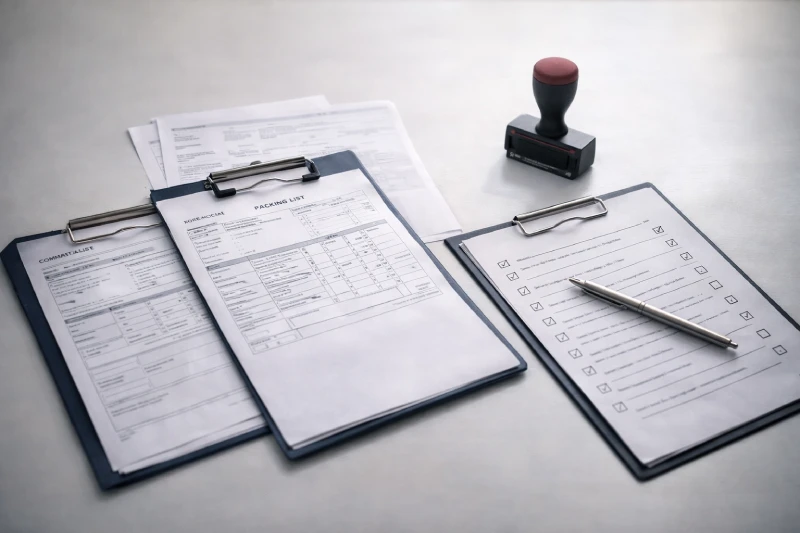
What Makes Up Your Landed Cost
Your total landed cost typically includes:
- Product cost paid to the China supplier
- International freight (sea or air)
- Cargo insurance (recommended, especially for sea freight)
- Import duties and VAT assessed by customs
- Local charges such as port handling and inland delivery
Each component must align with your shipping documents. Even small inconsistencies can trigger reviews or delays.
For a structured breakdown of shipping-related expenses, see Shipping Cost from China to Kenya.
Common Risk Points (and How to Avoid Them)
- Incorrect HS code
Using the wrong classification can lead to reassessment, delays, or additional payments. - Declared value issues
Under-declaring cargo value or showing inconsistent prices across documents often triggers customs queries. - Missing or mismatched documents
Differences between the invoice, packing list, and transport document are a common cause of inspections. - Late clearance preparation
Waiting until the cargo arrives in Kenya to organize documents increases storage and demurrage risk.
The most effective way to control both cost and risk is to review documents and values before shipment leaves China, not after arrival.
Common Delays in Kenya Imports (Realistic Causes)
Even when goods are shipped on time, imports from China to Kenya can still face delays after arrival. Most issues are operational and preventable if you understand where problems typically occur.
Common causes of delay include:
- Document inconsistencies
Mismatched values, descriptions, or quantities between the invoice, packing list, and Bill of Lading often lead to additional checks. - Customs inspections
Some shipments are selected for physical inspection at Mombasa Port or Nairobi airport, which can extend clearance time. - Late submission of clearance documents
Delays happen when documents are not ready before the cargo arrives, especially during peak periods. - Poor coordination between parties
Gaps between the supplier, freight forwarder, and importer can slow responses when customs queries arise.
While not all inspections can be avoided, early document preparation and clear communication significantly reduce the risk of extended storage and unexpected charges.
Should You Import Directly or Use a China–Kenya Freight Forwarder?
Kenyan importers can technically arrange shipments directly with carriers, but in practice, most SMEs choose to work with a freight forwarder when importing from China to Kenya.
Importing Directly (Carrier-Only Booking)
This approach may suit experienced importers who:
- Fully understand shipping documents and customs procedures
- Can manage multiple parties (supplier, carrier, customs agent)
- Are prepared to handle clearance issues independently
While direct booking may appear cheaper, any mistake in documentation or clearance can quickly outweigh the savings.
Using a Freight Forwarder (Most Common Choice)
A China–Kenya freight forwarder acts as a single coordination point:
- Organizes pickup, export clearance, and international shipping
- Reviews documents before shipment
- Supports customs clearance and delivery in Kenya
For first-time importers and growing businesses, this model reduces operational risk and improves predictability.
When DDP Makes Sense
If you want minimal involvement in customs and tax handling, DDP shipping allows the forwarder to manage the entire process door-to-door. It often costs more upfront but simplifies planning and reduces clearance-related stress.
Choosing the right approach depends on your experience level, shipment value, and tolerance for risk.
Final Checklist Before Shipping from China to Kenya
Before your cargo leaves China, use this final pre-shipment checklist to reduce the risk of delays, extra charges, or clearance issues in Kenya.
- Supplier details and product specifications confirmed
- HS code reviewed and aligned with product description
- Commercial invoice and packing list checked for consistency
- Declared value matches payment and contract terms
- Shipping method (sea, air, or DDP) finalized
- Import and clearance documents prepared in advance
- Freight forwarder or agent confirmed for Kenya clearance
Completing these checks before shipment departure is far easier—and cheaper—than fixing problems after the cargo arrives in Mombasa or Nairobi.
