

Shipping from China to Kenya — DDP, Sea, Air & Door-to-Door Solutions
Overview
Shipping from China to Kenya is one of the most established trade lanes between Asia and East Africa, supporting imports of machinery, construction materials, electronics, and consumer goods. For most shipments, Mombasa Port and Jomo Kenyatta International Airport (NBO) serve as the primary entry points into the Kenyan market.
In 2025, shippers should account for fluctuating freight rates, fuel surcharges, and periodic congestion at Mombasa during peak seasons. Transit reliability varies depending on shipping mode, carrier routing, and inland delivery requirements, especially for cargo moving onward to Nairobi or regional distribution centers.
Kenya’s import process is regulated by the Kenya Revenue Authority (KRA), with customs compliance playing a critical role in overall lead time and landed cost. Accurate HS code classification and early document preparation help minimize clearance delays and unexpected charges.
For overseas buyers, selecting the right shipping method—sea freight, air freight, or door-to-door service—depends on cargo volume, urgency, and risk tolerance. Working with an experienced freight forwarder familiar with China–Kenya routes allows importers to balance cost control, transit time, and compliance efficiency.
Estimated Shipping Cost & Transit Time
Shipping costs from China to Kenya vary based on shipment size, transport mode, seasonality, and carrier routing. Sea freight remains the most cost-effective option for bulk cargo, while air freight is chosen for urgent or high-value goods. Door-to-door services may offer more predictable landed costs but typically come at a premium.
The table below reflects typical market ranges for common China–Kenya shipments in 2025. These figures are indicative only and may fluctuate due to fuel surcharges, port congestion, and peak-season demand.
| Shipping Mode | Estimated Transit Time | Typical Cost Range (USD) |
|---|---|---|
| Sea Freight (FCL) | 30–38 days | 2,800 – 4,500 / 40HC |
| Sea Freight (LCL) | 32–40 days | 120 – 180 / CBM |
| Air Freight | 5–8 days | 4.5 – 7.5 / kg |
For accurate budgeting, shippers should confirm rates based on cargo dimensions, Incoterms, and final delivery location within Kenya.
Related Reading:
Sea Freight Summary (FCL & LCL)
Sea freight is the most widely used and cost-efficient shipping method from China to Kenya, especially for commercial cargo and bulk imports. Most ocean shipments arrive at the Port of Mombasa, Kenya’s main maritime gateway for both domestic distribution and regional transit.
FCL (Full Container Load) is recommended for shippers with larger volumes, high-value goods, or strict delivery schedules, offering better cargo security and more predictable transit times. LCL (Less than Container Load) suits smaller shipments, though consolidation and deconsolidation processes may slightly extend overall transit time.
Common sailing routes typically transit through Southeast Asia or the Middle East before reaching East Africa. Carrier selection, sailing frequency, and port congestion periods can all influence final delivery timelines.
Air Freight Summary
Air freight from China to Kenya is best suited for urgent, lightweight, or high-value shipments such as electronics, spare parts, and time-sensitive commercial goods. Most air cargo is routed to Jomo Kenyatta International Airport (NBO) in Nairobi, Kenya’s primary international air cargo hub.
Transit times are significantly shorter than sea freight, typically ranging from 5 to 8 days, depending on flight availability and routing. While air freight costs are higher, it offers greater schedule reliability and reduced inventory holding time for importers.
Accurate documentation and cargo classification are critical for avoiding clearance delays upon arrival. Capacity constraints and peak-season surcharges may impact pricing, so advance planning is recommended.
Door-to-Door Shipping (DDP vs DAP)
Door-to-door shipping is widely used for shipments from China to Kenya, particularly by overseas buyers without a local importing entity. This service covers international transport and inland delivery, reducing coordination complexity across multiple service providers.
Under DDP (Delivered Duty Paid), the freight forwarder manages customs clearance, import duties, VAT, and final delivery in Kenya, providing clear landed cost visibility. DAP (Delivered at Place) offers lower upfront costs but requires the consignee to handle local customs procedures through a licensed Kenyan agent.
DDP is commonly selected for first-time importers, project cargo, and time-sensitive shipments where compliance risks must be minimized. The choice between DDP and DAP depends on cost control preferences, local representation, and risk tolerance.
Related Reading:
Customs Clearance Overview for Kenya
Customs clearance in Kenya is regulated by the Kenya Revenue Authority (KRA) and plays a critical role in determining final delivery timelines and landed costs. All imports must be accurately declared with correct HS codes and supporting commercial documentation.
Import duties and VAT are assessed based on the declared CIF value, with rates varying by product category. Certain goods may require pre-export conformity verification (PVOC) or additional permits before clearance can proceed.
Delays most commonly occur due to misclassification, incomplete documents, or valuation discrepancies. Working with an experienced freight forwarder or licensed customs agent helps reduce compliance risks and avoid unnecessary storage or demurrage charges.
Related Reading:
Inland Transportation in Kenya
After arrival at Mombasa Port or Nairobi (NBO), most cargo in Kenya is transported inland by truck, serving Nairobi, industrial zones, and regional distribution hubs. Road transport remains the most reliable option for both containerized and loose cargo.
Transit from Mombasa to Nairobi typically takes 1–3 days, depending on traffic conditions, customs inspections, and delivery location. For time-sensitive or oversized shipments, advance scheduling is important to avoid bottlenecks along major corridors.
Inland transport planning is especially critical for heavy machinery and project cargo, where route conditions and permits may affect delivery timelines.
Project Cargo & Heavy Machinery Shipping
Kenya regularly imports construction equipment, industrial machinery, and power-generation cargo for infrastructure, energy, and manufacturing projects. These shipments often involve oversized or overweight units that require specialized handling.
Depending on cargo dimensions and weight, shipments may use flat rack containers, open-top containers, or Ro-Ro services. Port handling coordination at Mombasa and inland transport planning are key factors affecting timelines and cost control.
Early route assessment and permit planning help reduce the risk of delays, especially for deliveries moving beyond major urban centers.
Quick Comparison Table (Time & Cost)
The table below provides a high-level comparison of common shipping options from China to Kenya, helping importers quickly assess trade-offs between speed, cost, and service scope.
| Shipping Option | Transit Speed | Cost Level | Best Use Case |
|---|---|---|---|
| Sea Freight (FCL) | Medium | Low | Full-container and bulk cargo |
| Sea Freight (LCL) | Medium–Slow | Medium | Small commercial shipments |
| Air Freight | Fast | High | Urgent or high-value goods |
| Door-to-Door (DDP) | Medium | Predictable | New importers, risk control |
Related Reading:
Key China & Kenya Ports / Airports
Major China Export Ports
-
Shanghai – High-frequency sailings and broad carrier coverage
-
Ningbo – Strong capacity for East Africa routes
-
Shenzhen – Preferred for South China manufacturing hubs
-
Qingdao – Common for northern China exports
Kenya Entry Points
-
Port of Mombasa – Kenya’s main seaport and East Africa regional gateway
-
Jomo Kenyatta International Airport (NBO) – Primary air cargo hub serving Nairobi and inland distribution
These gateways support the majority of China–Kenya trade flows and determine overall transit efficiency.
How to Ship from China to Kenya (6-Step Overview)
1. Confirm cargo details and import feasibility
Start by confirming cargo specifications, HS codes, and whether the goods are permitted for import into Kenya. This step helps identify duty rates, compliance requirements, and any need for pre-export certification before shipping.
2. Choose the appropriate shipping method
Select between sea freight, air freight, or door-to-door service based on shipment volume, delivery urgency, and cost predictability. For many importers, the choice directly impacts cash flow, customs complexity, and final delivery timelines.
3. Receive quotation and finalize booking
Freight costs are influenced by cargo size, Incoterms, routing, and inland delivery scope. Once terms are confirmed, space is booked with carriers or airlines aligned with the shipment’s schedule and risk profile.
4. Prepare export and import documentation
Accurate commercial invoices, packing lists, and shipping documents are essential for smooth clearance. Errors at this stage often lead to delays, reclassification, or additional charges upon arrival in Kenya.
5. International transit and arrival handling
Cargo is transported from China to Mombasa or Nairobi via the selected mode. During transit, shipment tracking and arrival coordination help ensure readiness for customs inspection and onward delivery.
6. Customs clearance and inland delivery in Kenya
Upon arrival, cargo undergoes customs clearance under Kenya Revenue Authority regulations, followed by inland transportation to the final destination. Effective coordination at this stage minimizes storage time and unexpected costs.
This structured approach helps importers manage cost, compliance, and delivery risk when shipping from China to Kenya, especially for first-time or high-value shipments.
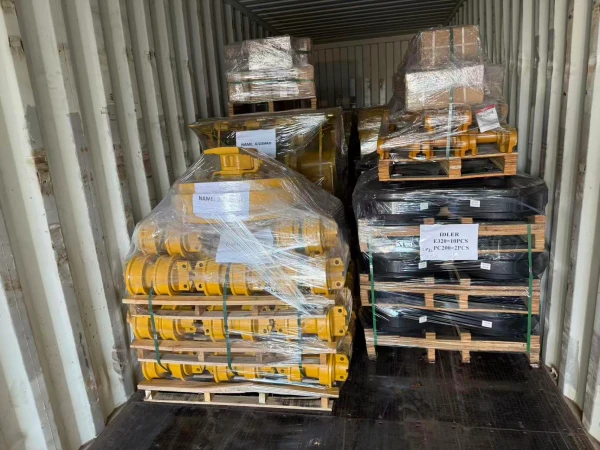
Shipping Examples from China to Kenya



FAQs
Sea freight is generally preferred for most commercial shipments due to lower costs, while air freight is used for urgent or high-value cargo.
Yes. Door-to-door DDP shipping allows overseas buyers to ship without a Kenyan entity handling customs clearance.
Common issues include incorrect HS code classification, missing documents, and discrepancies in declared cargo value.
Some products require PVOC or additional permits before customs clearance, depending on the product category.
